Newsletters




Türkiye's planned Development Road project aims to establish a new trade corridor linking the Gulf to Europe through Iraq, offering an alternative to routes exposed to geopolitical tensions around the Strait of Hormuz, Transport and Infrastructure Minister Abdulkadir Uraloglu said Monday.
"If we had completed this project, the world would be talking less about the Strait of Hormuz," Uraloglu said at a conference organized by the Foundation for Political, Economic and Social Research (SETA) in Ankara.
The project is expected to contribute approximately $55 billion to Türkiye's economy over 10 years and create an average of 70,000 jobs annually.
Uraloglu described the initiative as part of Türkiye's efforts to strengthen its position in global trade as geopolitical tensions expose vulnerabilities in existing transport networks.
"Countries have started looking for safer, shorter, more predictable and sustainable routes," he said, pointing to tensions around the Strait of Hormuz and the Russia-Ukraine war as examples of disruptions to international trade.
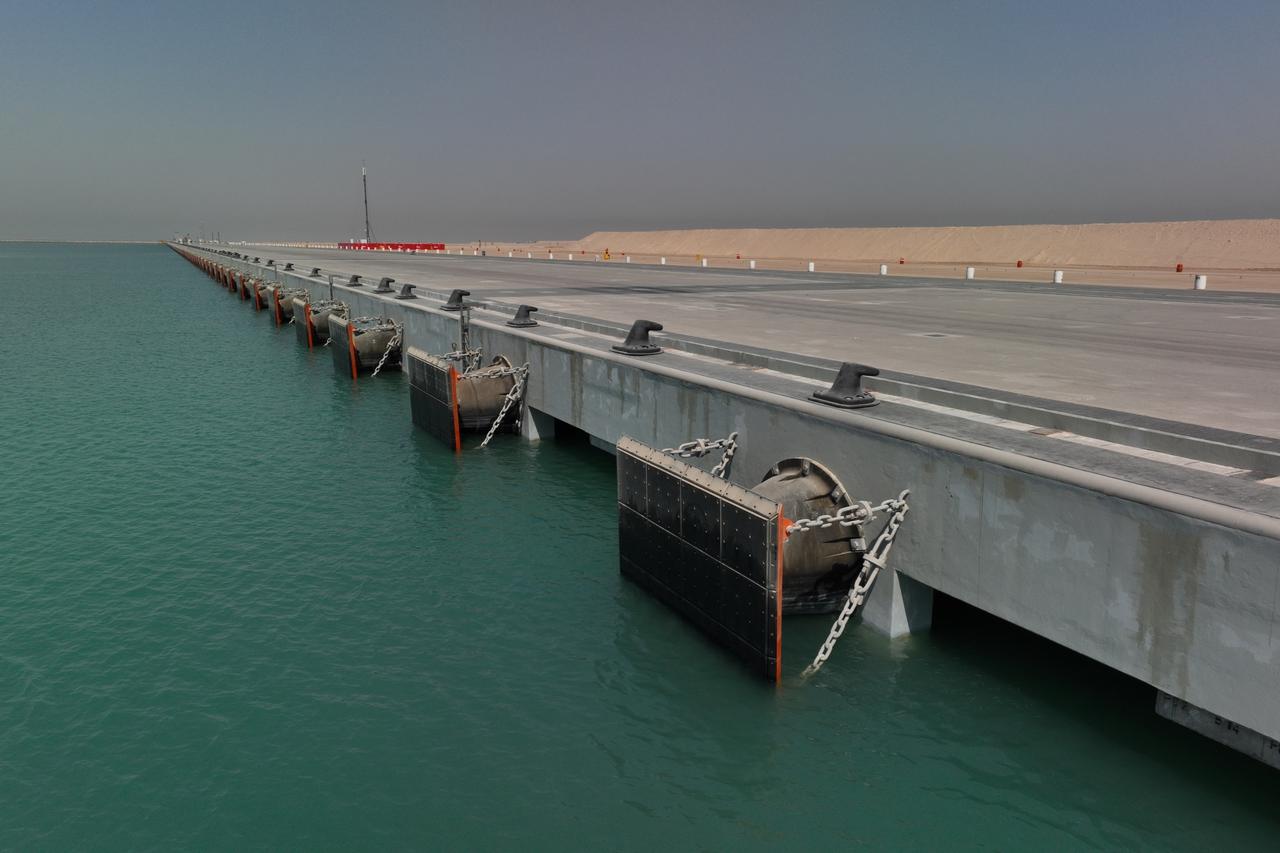
The Development Road would connect Iraq's Grand Faw Port to Türkiye and onward to Europe, creating a new logistics route for cargo moving between the Gulf and European markets.
The journey would take approximately 25 days, compared with 45 days along the Cape of Good Hope route and 35 days through the Southern Corridor, according to Uraloglu. The new route would cut transit times by 20 days and 10 days, respectively.
Uraloglu described the project as a strategic alternative for cargo moving from Gulf countries to Europe, with the potential to reduce reliance on the Strait of Hormuz.
The corridor also aims to support Iraq's economic reconstruction, generate revenue from transit trade and reduce its dependence on oil income.
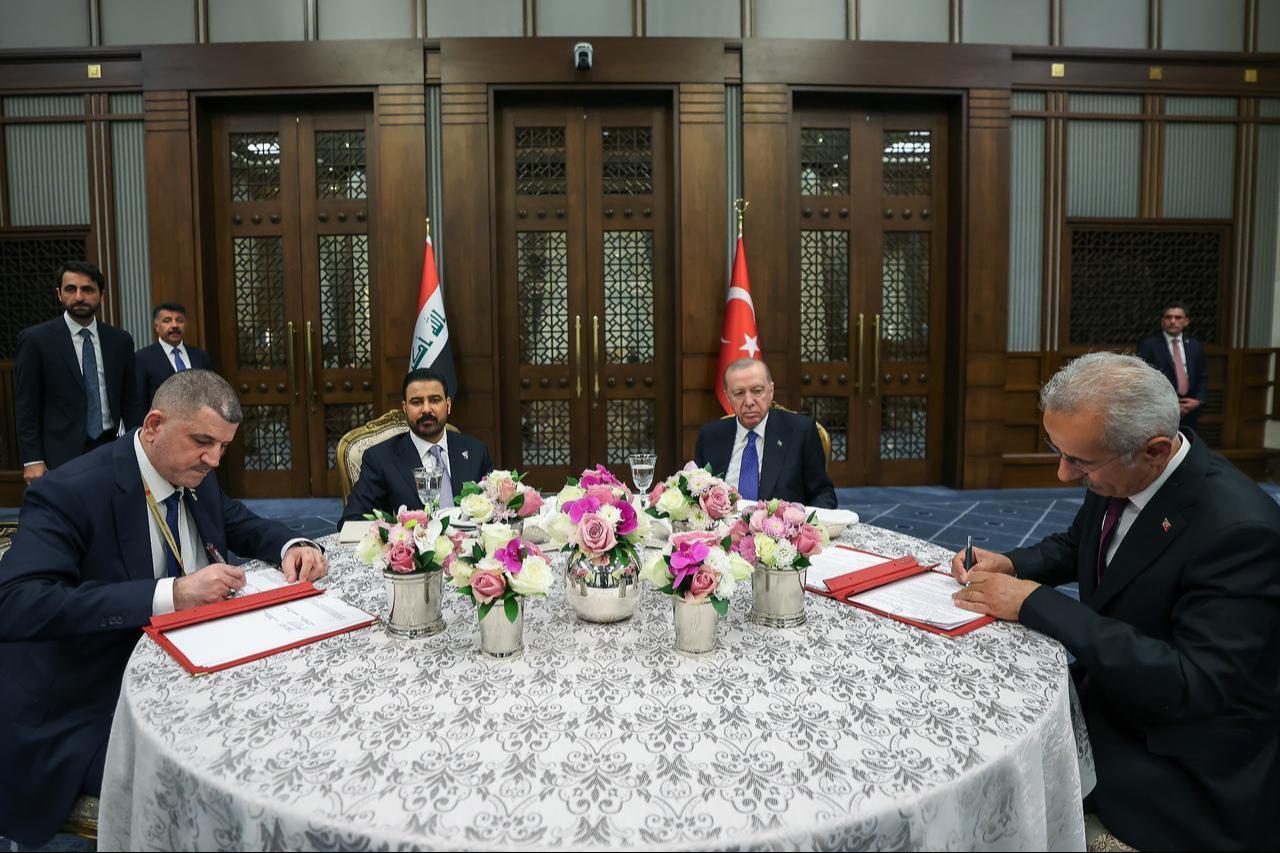
Agreements signed on July 28 in the presence of Turkish President Recep Tayyip Erdogan and Iraqi Prime Minister Ali al-Zaidi provide a framework for advancing the project. Ankara and Baghdad plan to secure parliamentary approval for the agreements before starting construction, Uraloglu said.

The Development Road is part of Türkiye's broader push to expand its role in global trade, alongside the Middle Corridor linking China and Central Asia to Türkiye and Europe across the Caspian Sea.
Existing, ongoing and planned railway links connecting Türkiye to the Middle Corridor span 2,156 kilometers, with investments totaling $47.1 billion. Türkiye aims to raise the corridor's production capacity to $114 billion over 10 years, with an average annual employment impact of 144,000 people.
Uraloglu also highlighted the Kars-Igdir-Aralik-Dilucu railway as a strategic link that will strengthen Türkiye's connection to the Middle Corridor and improve east-west freight transport, stressing that the two corridors should complement rather than compete with each other.
The Development Road would also incorporate energy transmission lines, fiber-optic infrastructure, and oil and natural gas pipelines, Uraloglu added.
Türkiye is also working with Saudi Arabia to modernize the historic Hejaz Railway and establish new Gulf-Europe connections. The planned network would span 2,511 kilometers across Türkiye, Syria, Jordan and Saudi Arabia, including a 1,681-kilometer route within Türkiye, Uraloglu noted.


 Set as preferred source
 Set as preferred source


 2 min read
 1 min read