Sign in
 Newsletters


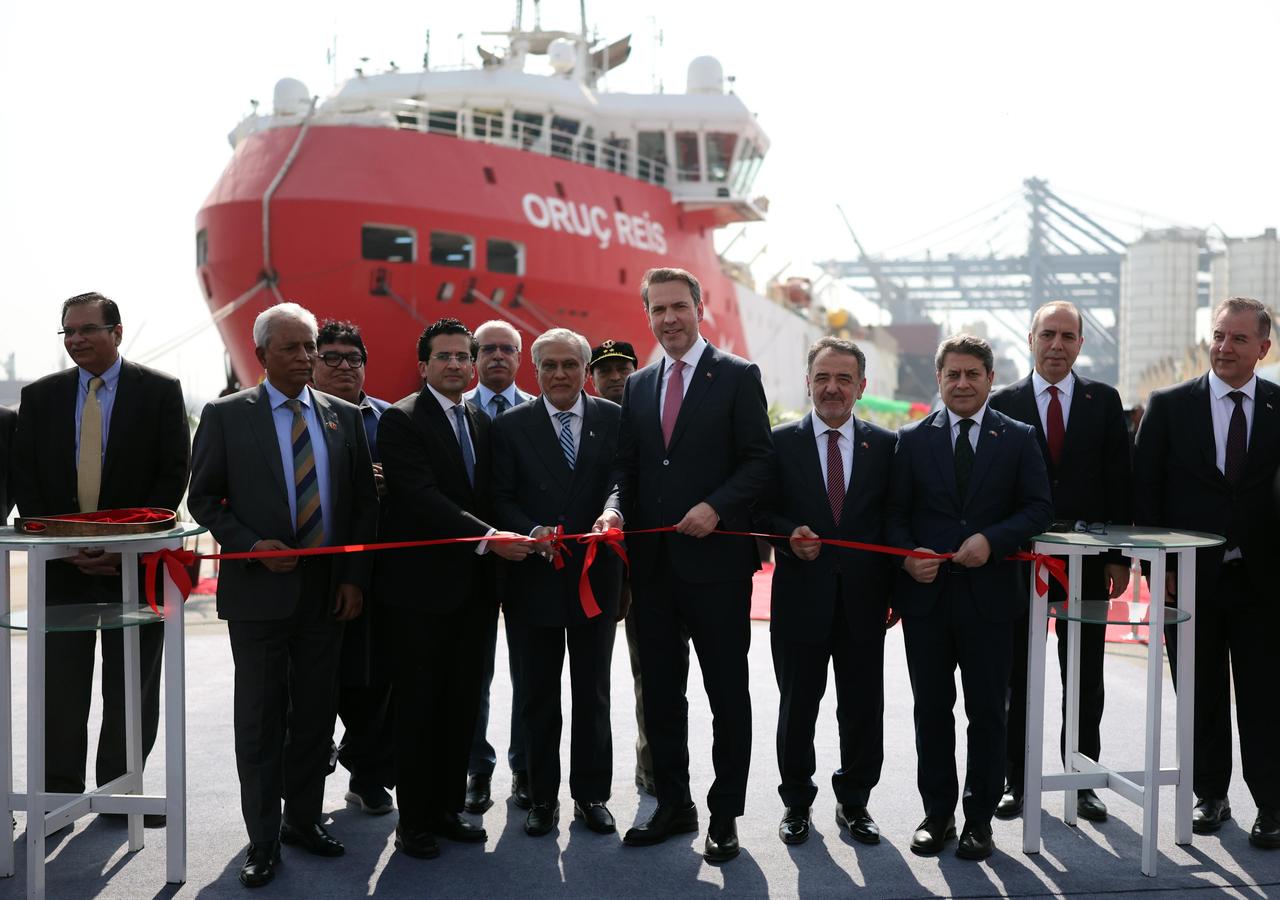
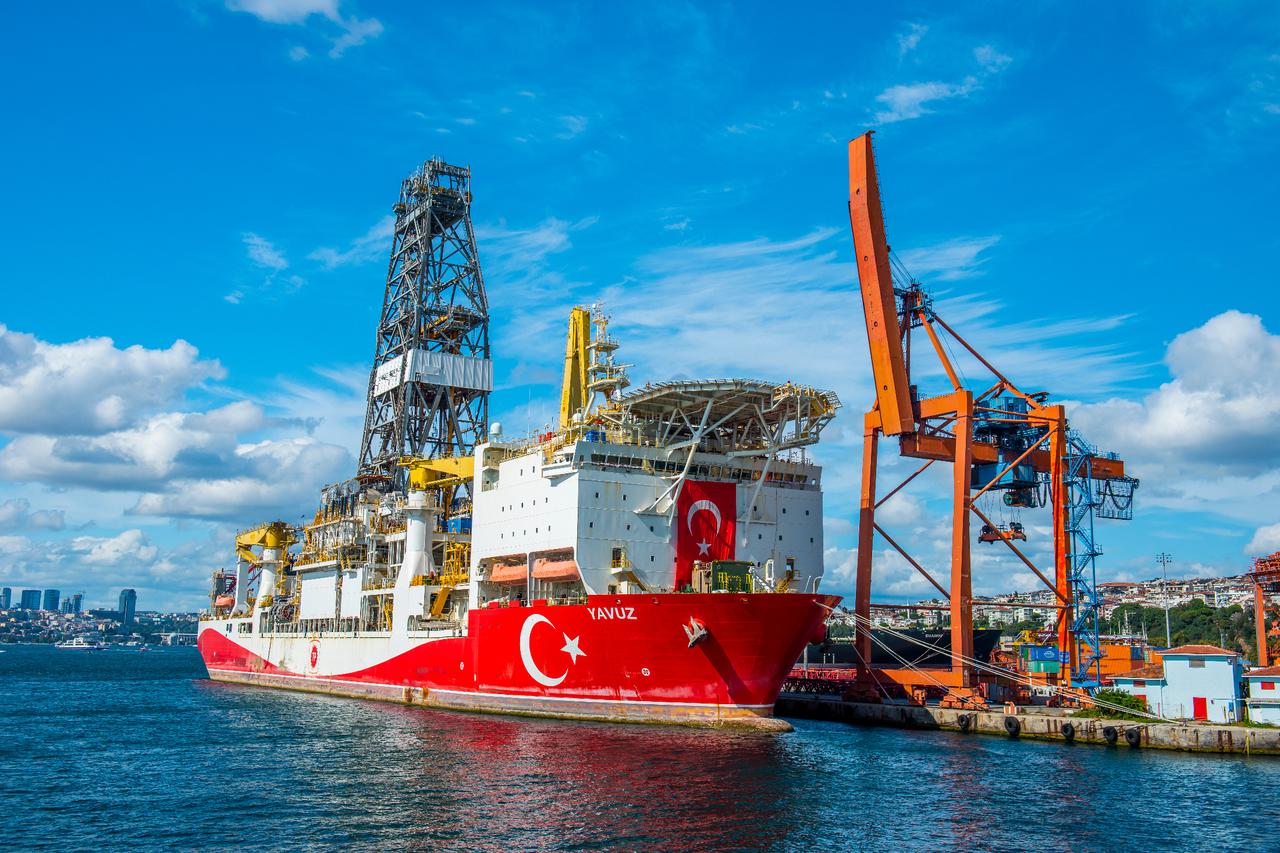
Türkiye's Oruc Reis seismic research vessel has arrived in Pakistan to collect 3D seismic data across a 670-square-kilometer area over approximately two months, with drilling operations targeted for 2027.
Energy and Natural Resources Minister Alparslan Bayraktar announced the exploration plan during a welcoming ceremony at Karachi Port, describing the vessel's arrival as the beginning of a new phase in energy cooperation between the two countries.
The mission follows energy agreements signed by Türkiye and Pakistan in Islamabad in December 2025, establishing partnerships between Turkish Petroleum Corporation (TPAO) and Pakistani energy companies OGDCL, Pakistan Petroleum Limited (PPL) and Mari Energies, alongside other local partners.
The agreements cover five hydrocarbon exploration blocks, including three offshore and two onshore areas.
Under a separate farm-out agreement for the Eastern Offshore Indus-C Block, TPAO's wholly owned subsidiary, Turkish Petroleum Overseas Company (TPOC), acquired a 25% participating interest and took over operatorship from PPL. OGDCL and Mari Energies each hold a 20% stake, while PPL retains the remaining 35%.
After completing a 19-day voyage to Pakistan, Oruc Reis will examine the hydrocarbon potential of the Indus and Makran basins, beginning with the Indus-C Block.
The vessel will conduct a 3D seismic survey across 670 square kilometers in Indus-C under the Marjan 3D operation, a mission expected to take approximately 50 days. The collected data will help identify promising locations for potential drilling operations in 2027.
Following the Indus-C survey, Oruc Reis will return to Karachi before heading to the Makran blocks for a separate 2D seismic survey covering 2,353 kilometers of survey lines, with the operation expected to take another 25 days.
The partnership has already progressed beyond initial agreements, with licensing processes completed for five blocks and field activities underway, Bayraktar noted.
He added that exploration activities across Pakistan's onshore and offshore areas would strengthen both countries' energy security and contribute to their economic development.

Bayraktar pointed to Türkiye's Black Sea natural gas discovery as an example of the country's exploration and production capabilities, expressing Ankara's ambition to achieve similar results in Pakistan.
Türkiye discovered its largest natural gas reserve in the Black Sea in 2020, during the COVID-19 pandemic. The discovery also ranked as the world's largest offshore natural gas find that year.
The fields currently produce approximately 10 million cubic meters of natural gas daily, supplying around 4 million households. Production is expected to reach approximately 40 million cubic meters per day by 2028, when the number of households supplied is projected to rise to 16 million.
Beyond oil and gas exploration, Turkish and Pakistani institutions are also expanding their cooperation in the mining sector.
MTAIC, a joint venture established by Türkiye's General Directorate of Mineral Research and Exploration (MTA) and ETI MADEN, has signed two separate joint venture agreements with Pakistan's Mari Energies Minerals and Pakistan Mineral Development Corporation (PMDC).
Under the agreements, MTAIC will begin mineral exploration at three sites in Pakistan, covering two copper-gold areas and one antimony site.
Separately, MTA, MTAIC and the Geological Survey of Pakistan have signed a trilateral memorandum of understanding to expand the exchange of technical knowledge and expertise in geology and mineral exploration, while also developing joint projects.


 Set as preferred source
 Set as preferred source


 1 min read
 1 min read