Newsletters


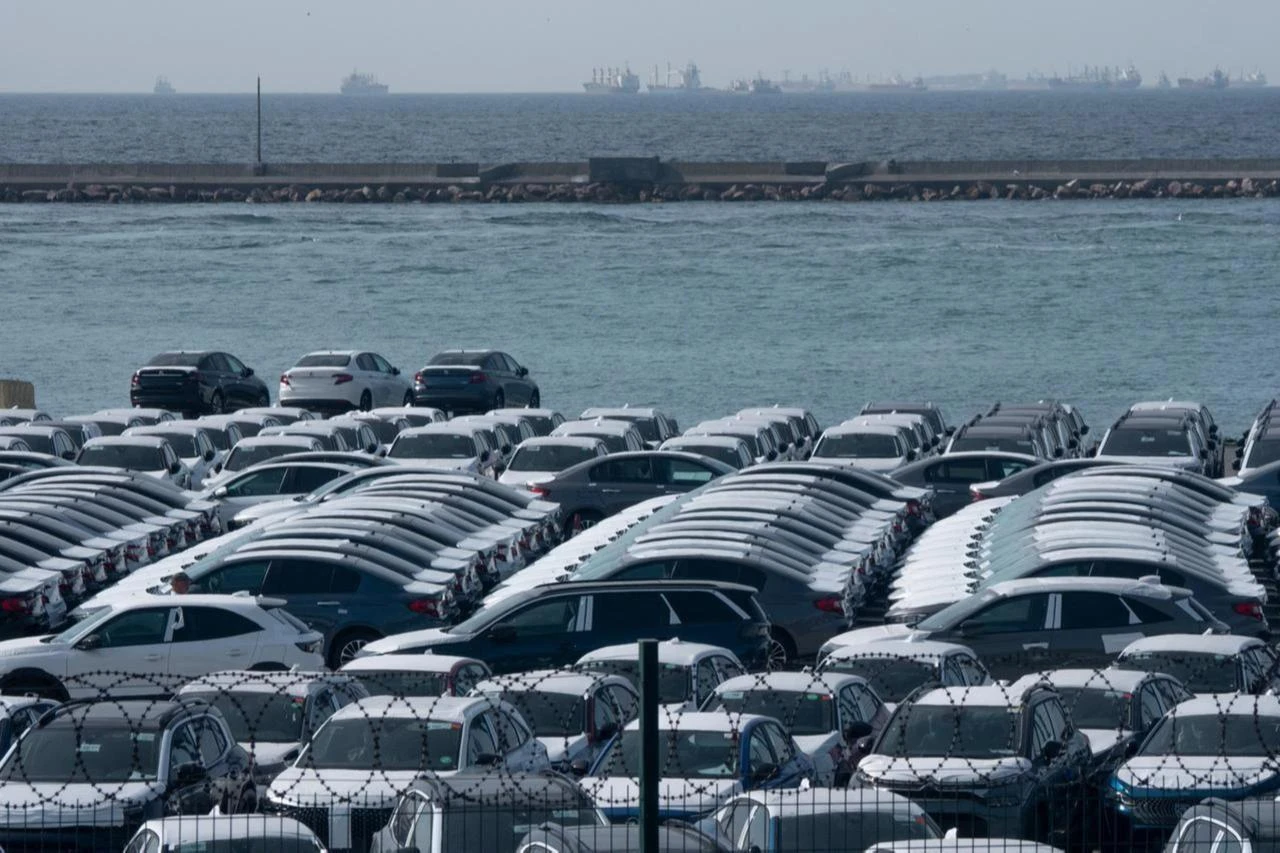


Türkiye's passenger car and light commercial vehicle sales fell 8.19% in the first half of 2026 as tight credit conditions continued to weigh on demand, with the market totaling 558,179 units in the January-June period.
Passenger car sales dropped 9.8% year over year to 440,234 units, while light commercial vehicle sales edged down 1.7% to 117,945 units. In June alone, total vehicle sales fell 11.44% from a year earlier to 105,041 units, extending the decline to a fifth consecutive month, according to data released by the Automotive Distributors and Mobility Association (ODMD).
During the first six months of 2026, gasoline-powered cars remained the largest segment, accounting for 41.5% of passenger car sales with 182,492 units, despite an 18.4% year-over-year decline.
Hybrid vehicle sales proved more resilient, rising 6% to 145,804 units and lifting their market share to 33.1%, while electric vehicle sales fell 5.3% to 81,331 units, accounting for 18.5% of the market.
The same trend continued in June, with gasoline-powered cars making up 41% of passenger car sales at 34,417 units despite a 10.3% annual decline. Hybrid sales climbed 13.6% to 26,782 units, increasing their market share to 31.9%.
Electric vehicle sales dropped 42% to 14,978 units, reducing their market share to 17.8%. Diesel vehicle sales increased 33% to 6,802 units, while LPG-powered vehicle sales rose 28.6% to 999 units.
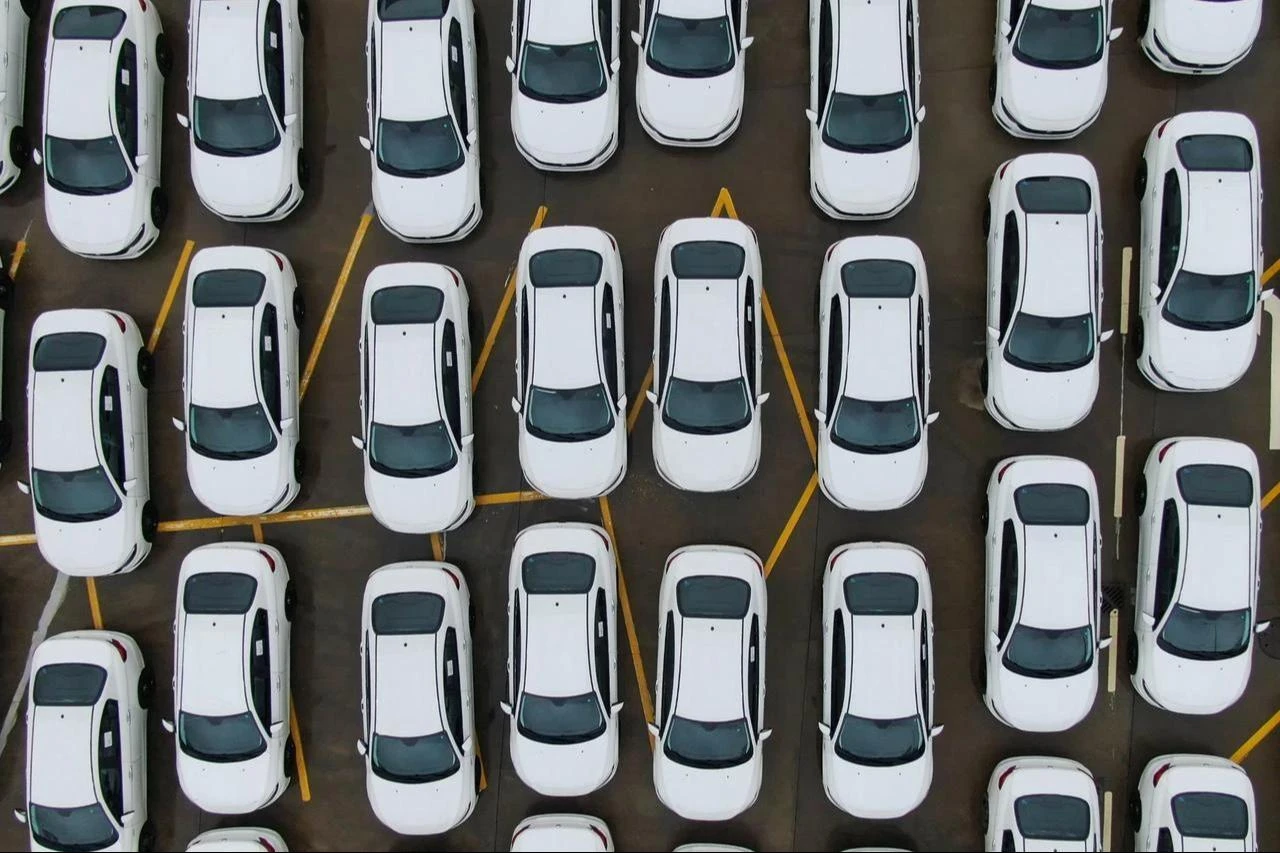

Tighter lending conditions remain one of the biggest challenges for Türkiye's auto market, with vehicle loans now accounting for less than 5% of purchases after previously financing around two-thirds of sales, ODMD General Coordinator Dr. Hayri Erce told Bloomberg HT.
Despite expecting demand to recover in the second half of the year, Erce said weak sales in May prompted the association to cut its full-year market forecast to 1.3 million vehicles from an earlier estimate. About 1.4 million vehicles were sold in Türkiye last year.
Erce also expects vehicle prices to remain under upward pressure, arguing that the likelihood of price cuts this year is "quite low" because prices are closely linked to movements in the euro exchange rate.
"The possibility of prices falling this year is quite low. If the euro strengthens in the second half, the increase in the exchange rate will push our prices higher," he said.


 Set as preferred source
 Set as preferred source


 1 min read

 1 min read