Newsletters





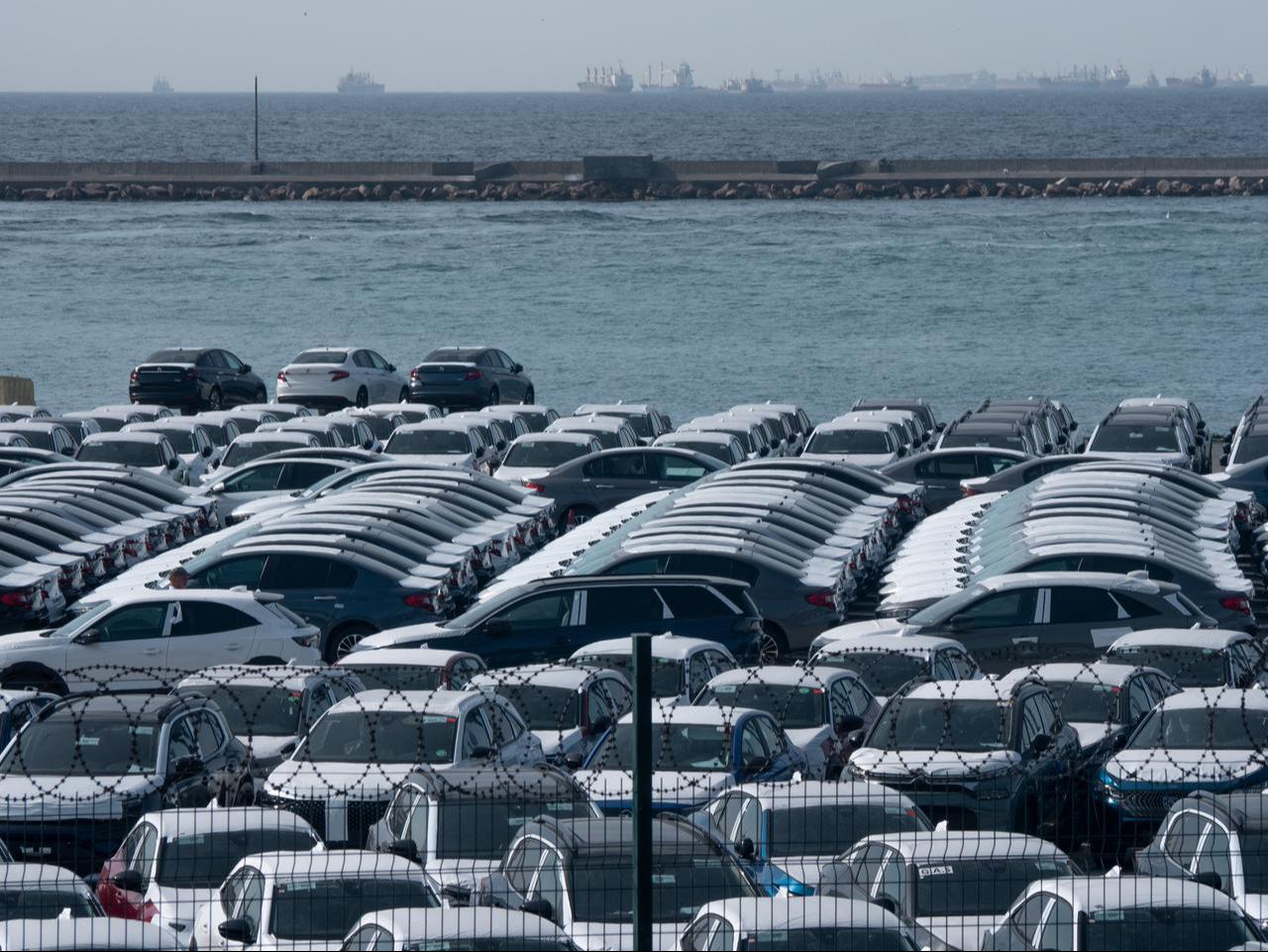
Türkiye’s automotive market contracted sharply in March, with total vehicle sales falling by more than 10% year-on-year while electric vehicles gained further ground, sector data showed.
The combined automobile and light commercial vehicle market shrank 12.75% in March compared to the same month of 2025, totaling 101,997 units. Passenger car sales declined 13.04% to 79,857 units, while light commercial vehicles dropped 11.69% to 22,140.
The March contraction carried into the broader quarterly picture, with total vehicle sales in January–March slipping 3.94% year-on-year to 265,398 units, as passenger car sales fell 5.86% to 210,688 units and light commercial vehicles declined 4.23% to 54,710.
Fuel preferences shifted notably during the month, with diesel car sales plunging 35.7% year-on-year to 4,475 units and gasoline vehicles dropping 28% to 32,769 units, pointing to a continued move away from conventional engine types. Electric vehicles moved in the opposite direction, as fully electric car sales rose 18.5% to 15,028 units, with higher global oil prices lifting interest in lower-running-cost alternatives.
Of the 101,997 vehicles sold in March, 68,566 were imported, while 33,431 units came from domestic production, including light commercial vehicles.
Local brokerage Halk Yatirim attributed the weaker performance to a combination of seasonal and external factors, noting that showroom traffic slowed during the Ramadan period, while a high base from last year and rising geopolitical tensions added further pressure on demand.

Brand-level data pointed to a more uneven competitive landscape, where some players leaned on domestic production while others held their ground through imports, creating a clear split across segments.
Renault pulled well ahead of the pack with 13,099 units, with the bulk of that volume—10,684 units—coming from locally produced models, reinforcing its strong domestic footing. Fiat followed with 9,073 units, maintaining a more balanced structure as it drew strength from both passenger cars and a solid light commercial vehicle performance of 5,060 units.
On the import side, Volkswagen remained one of the most visible players, reaching 7,006 units and continuing to anchor its position among foreign brands in the market.
The electric vehicle space showed an even sharper contrast. Domestic brand Togg stood out clearly, delivering 4,440 units entirely from domestic production and holding a wide lead in the segment, while Tesla posted 935 units through imports and BYD added 833 units.


 Set as preferred source
 Set as preferred source


 1 min read
 1 min read