Newsletters




Two senior United Nations officials called for immediate action to protect children from the risks of artificial intelligence, saying governments and technology companies should not wait for a global governance framework to be finalized before implementing safeguards.
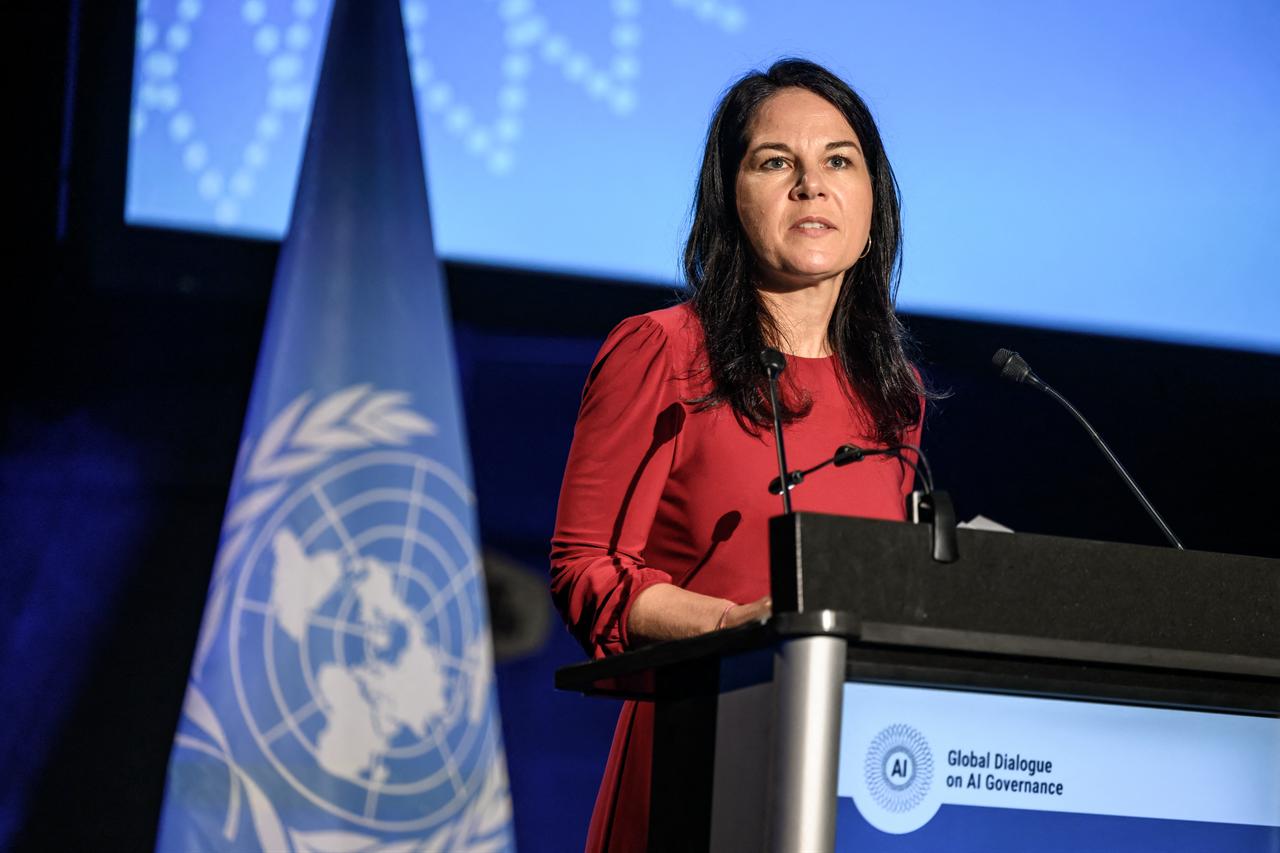

U.N. General Assembly President Annalena Baerbock made the remarks on Mondayfollowing the opening of the first Global Dialogue on AI Governance in Geneva.
She said the international community is not moving quickly enough to protect children and urged countries not to wait for consensus among all 193 member states before acting.
Baerbock referenced comments from a teenager from Rwanda at a genocide prevention event, noting that social media platforms can be misused to prepare future atrocities.
She said governments and companies should not claim neutrality when AI systems and online platforms are used to spread misinformation or incite violence, and that inaction itself represents a choice.
She said safeguards should draw on the Convention on the Prevention and Punishment of the Crime of Genocide and the Universal Declaration of Human Rights.
She added that coalitions of countries can help shape AI governance ahead of a global agreement, citing similar cross-regional cooperation on climate change and human rights.
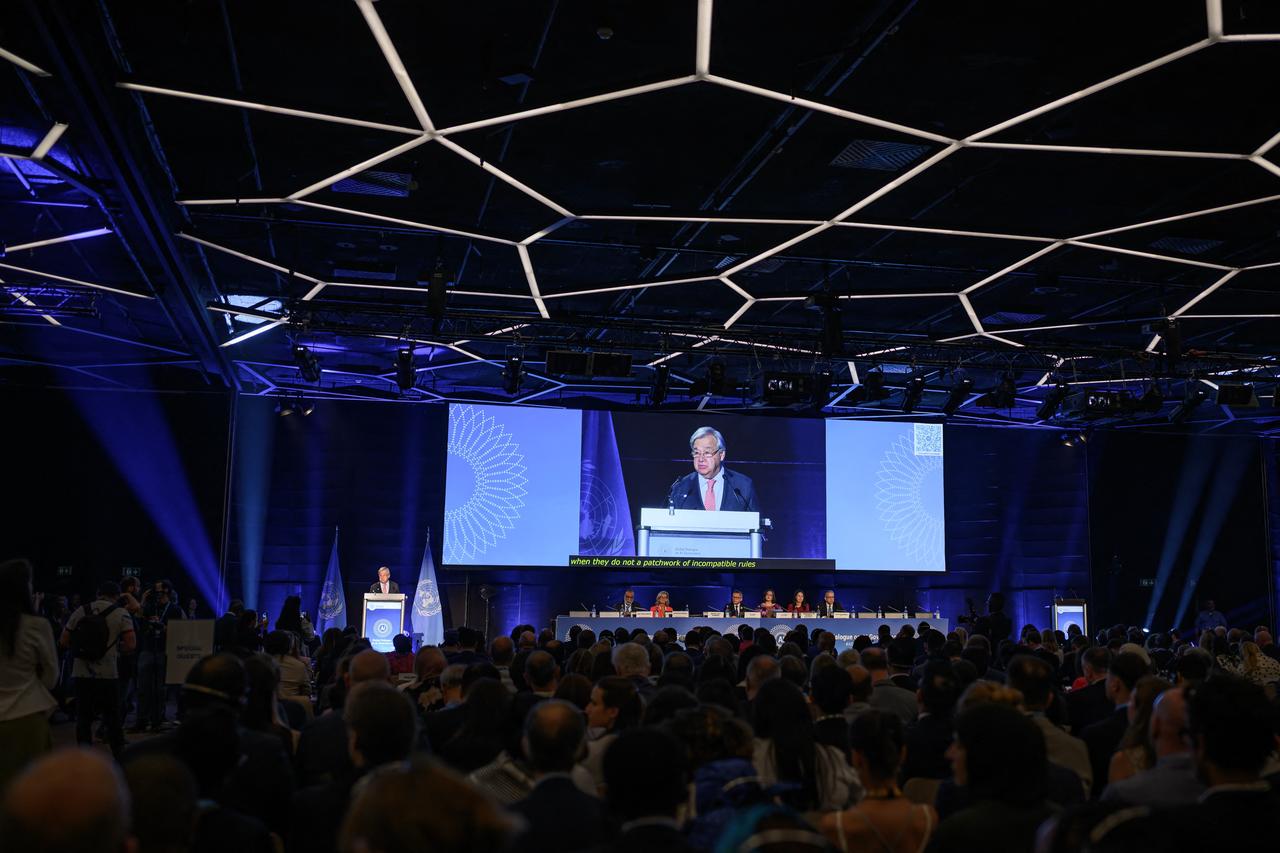
Co-chairs of the dialogue, Egriselda Lopez and Rein Tammsaar, said the inaugural session demonstrated the value of an inclusive, universal platform for AI governance discussions.
Lopez said she hopes the same approach will carry into the second dialogue, scheduled for New York in 2027. Tammsaar said AI development is outpacing governments' ability to respond, though he cautioned against slowing innovation.
He said the first dialogue drew more than 4,000 participants, generated over 1,500 written submissions, and included representatives from 170 countries.
Baerbock said a proposed U.N. AI fund, part of the broader U.N.80 reform process, will move forward during the organization's 81st General Assembly session beginning in September.
She said it was too early to discuss funding figures, but that the priority is ensuring technology narrows rather than widens the digital divide.
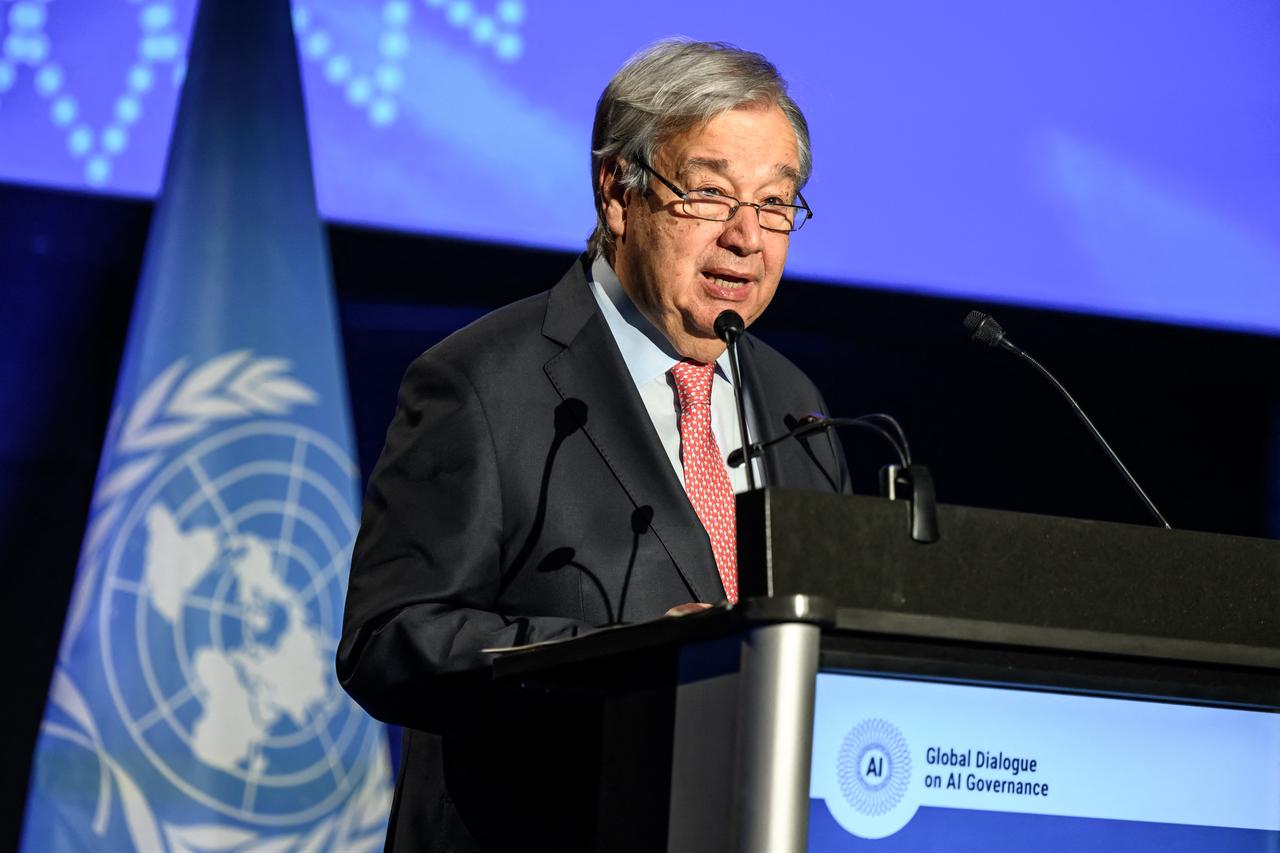
Earlier this Monday, U.N. Secretary-General Antonio Guterres called for an AI Child Safety Pledge, saying that children are being exposed to artificial intelligence before its risks are fully understood.
He compared the situation to medicine and toys, which undergo safety testing before reaching children, and said AI has reached children's learning, friendships and private questions without similar scrutiny.
Guterres urged governments and technology companies to address AI-enabled harms, including sexual deepfakes targeting women and girls.
He also said the same AI models and computing power used in civilian applications have moved into military use, and that autonomous weapons systems raise separate concerns.
He said AI can support decisions in justice, healthcare and policing, but that humans must retain final decision-making authority.


 Set as preferred source
 Set as preferred source


 1 min read