Newsletters


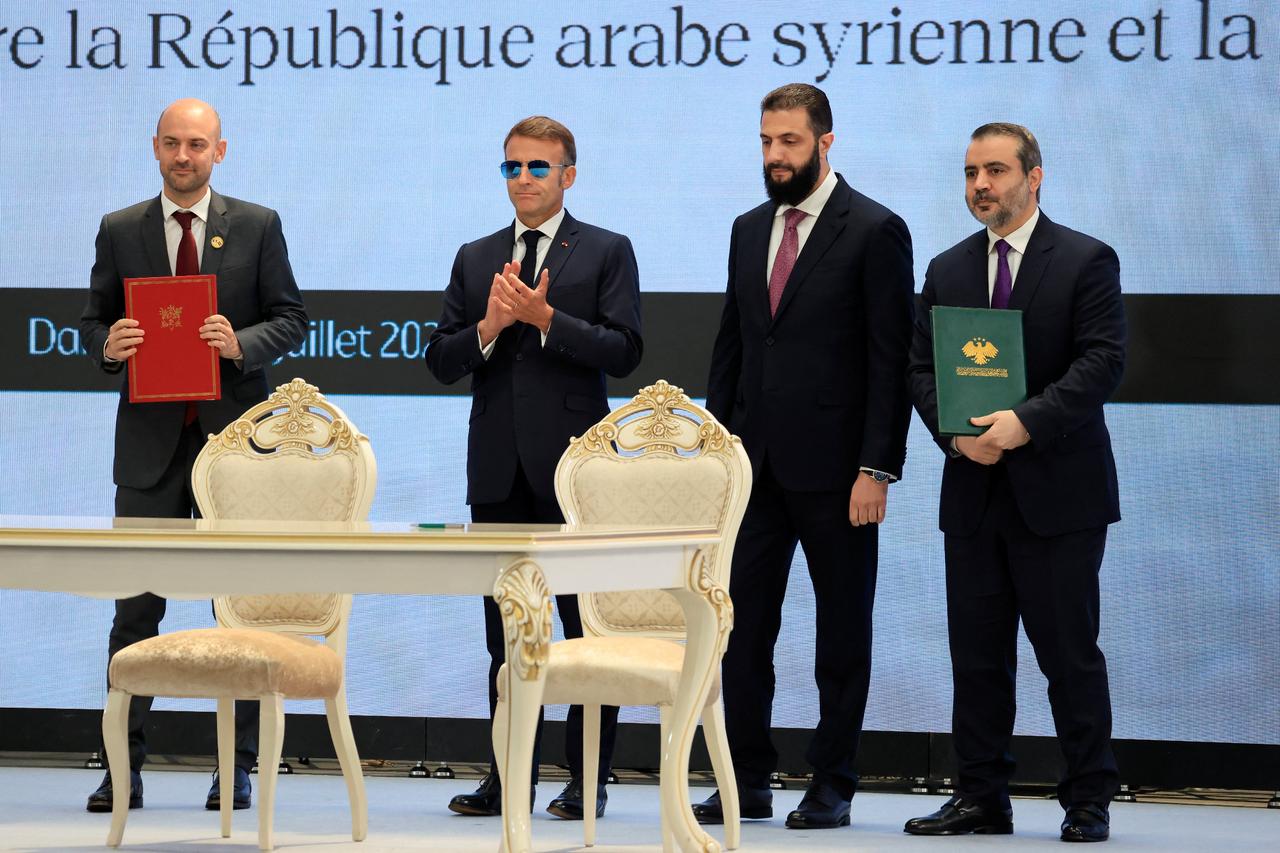


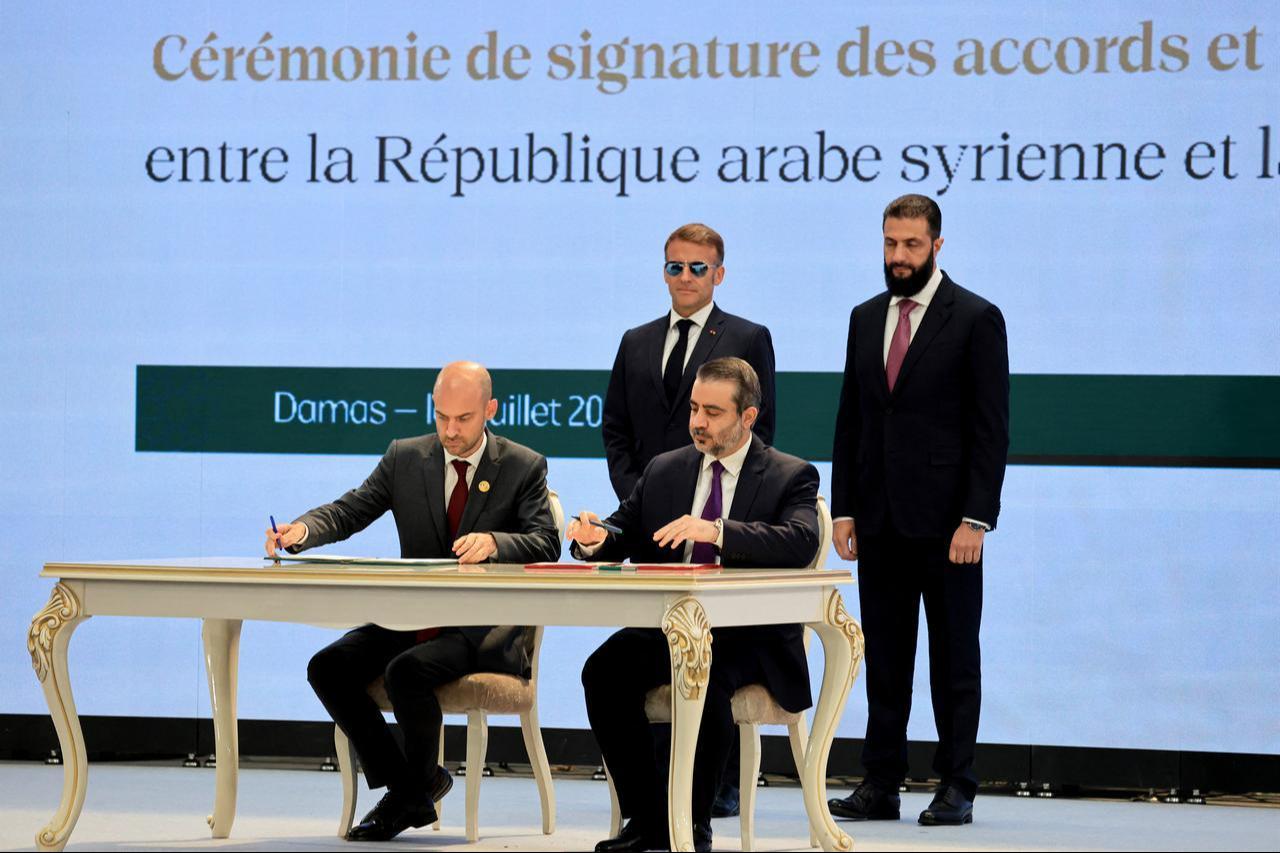
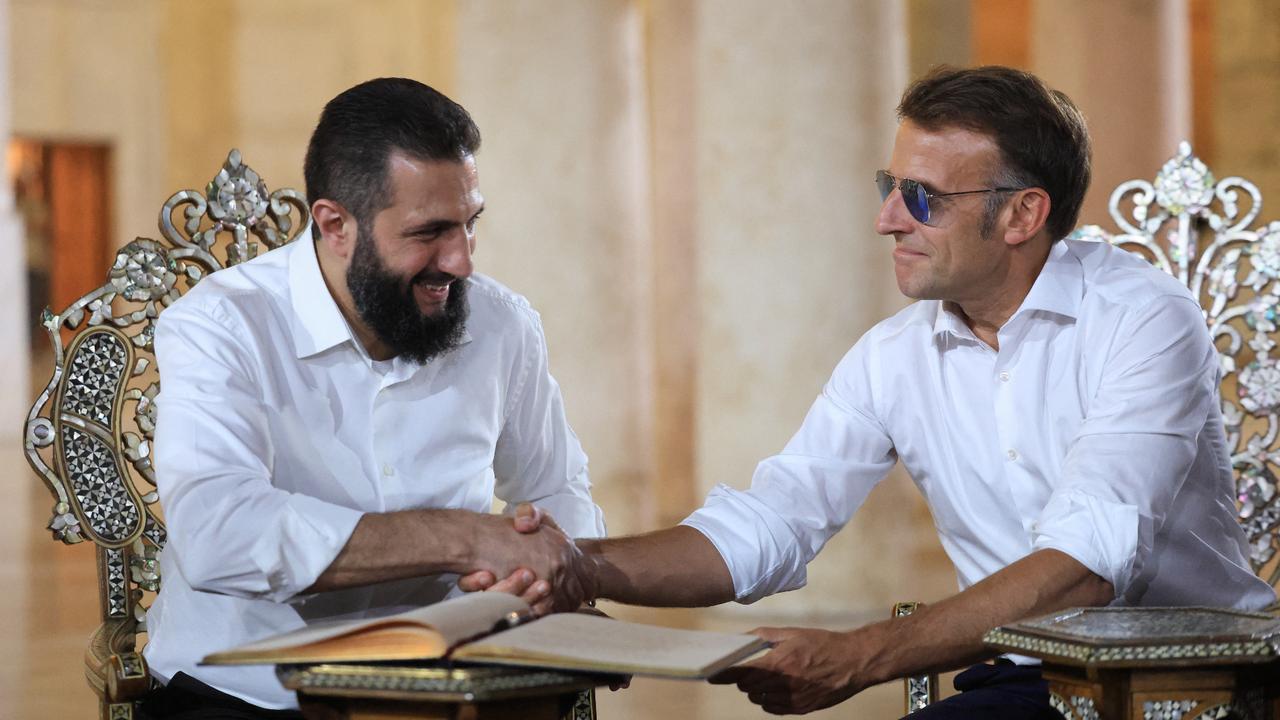
France and Syria signed more than 16 strategic cooperation agreements on Tuesday as French President Emmanuel Macron visited Damascus, with both leaders laying out plans to transform Syria into a regional center for trade, logistics and investment.
The agreements were unveiled during an economic forum focused on Syria's post-war reconstruction, where Syrian President Ahmad al-Sharaa argued that the recent Strait of Hormuz crisis had highlighted the need for reliable trade corridors.
According to a Syrian Foreign Ministry official who spoke to Anadolu Agency, the agreements cover energy, infrastructure, the economy, aviation, transportation, and investment. They are expected to pave the way for broader cooperation in reconstruction and development while reflecting growing confidence between Paris and Damascus.
"After the Strait of Hormuz crisis, the world realizes the value of safe and stable corridors," Sharaa said, referring to the disruption of shipping through the strategic waterway during the Iran conflict. Syria's geography, he added, has once again become an indispensable link in global transport routes.
Calling France Syria's preferred partner, Sharaa described the emerging relationship as a model for the country's future ties with Europe and the broader international community.
Sharaa also urged French businesses to deepen their presence in Syria by forming lasting partnerships with local companies instead of limiting cooperation to preliminary understandings.
"What we are asking of you today is to build and develop real and organic partnerships with the Syrian private sector," he said. "And most importantly, we hope to move today from memoranda of intent to executive contracts with specific timetables."
Macron echoed that vision, saying he wants Syria to develop into a long-term regional hub capable of supporting new logistics networks, energy infrastructure and data routes.
Such projects, he noted, could help lower the risks created by continued instability around the Strait of Hormuz, although he acknowledged Syria still faces major security and reconstruction challenges.

France has already secured major commercial projects in Syria. In May last year, Damascus signed a 30-year, €230 million ($263 million) concession agreement with French shipping and logistics giant CMA CGM to modernize and expand the container terminal at the Port of Latakia, Syria's main maritime gateway.
More recently, Syria also signed a memorandum of understanding with ConocoPhillips, TotalEnergies and QatarEnergy to explore an offshore block in the eastern Mediterranean.
Speaking during Macron's visit, TotalEnergies CEO Patrick Pouyanne said Syria could eventually become a key transit country linking Iraq to the Mediterranean, offering alternative export routes to the Strait of Hormuz. He said the company's offshore exploration memorandum marked an initial step, but stressed that security conditions must improve before operations can begin.
The Syrian official also described the two bomb explosions during Macron's visit as terrorist attacks and attempts to sabotage the trip. The blasts, triggered by explosive devices hidden in a parked car and a garbage bin near the Four Seasons Hotel, wounded 18 people, including security personnel and government officials.
Despite the explosions, the official said state institutions responded effectively, allowing Macron's schedule and the visit's objectives to proceed unchanged.


 Set as preferred source
 Set as preferred source


 1 min read
 2 min read