Newsletters


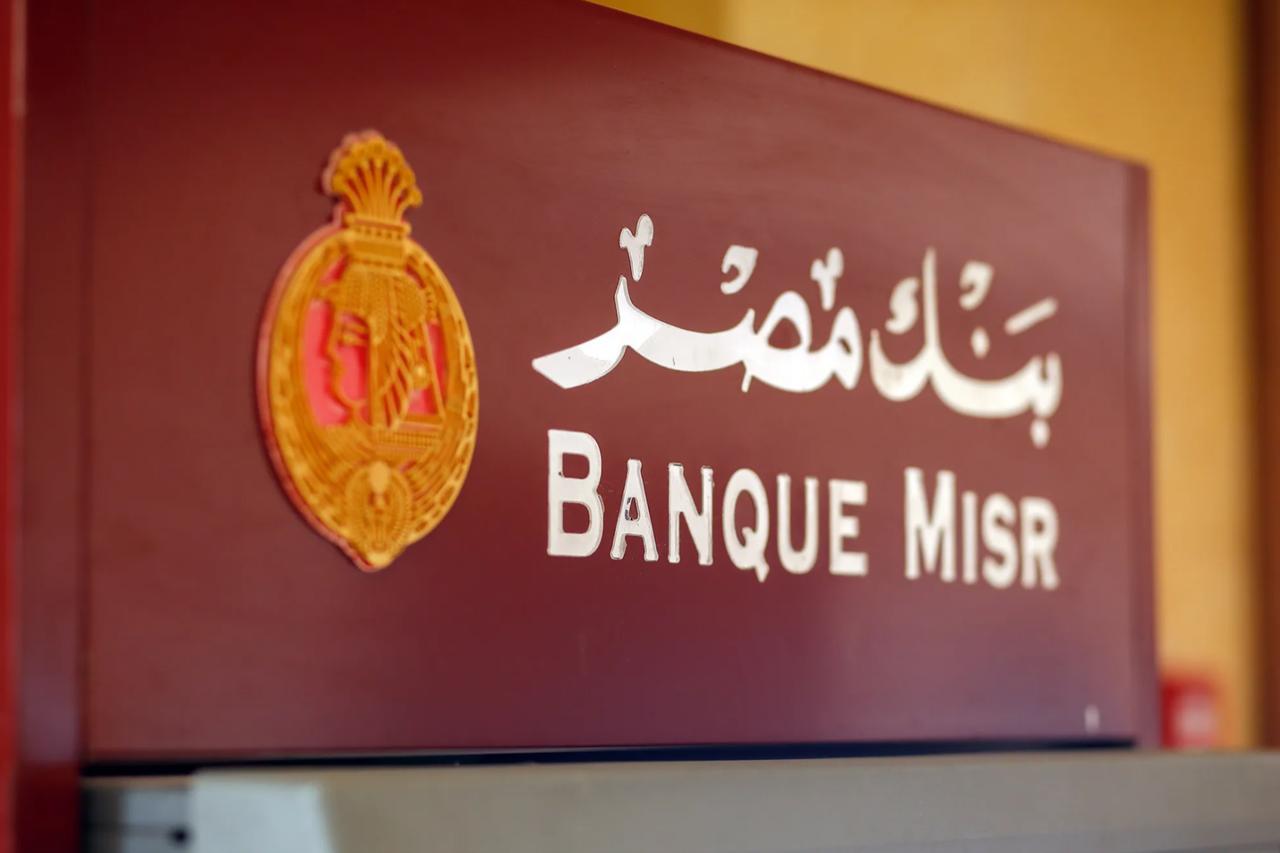


The US Treasury Department is moving to sever the United Arab Emirates branches of Banque Misr, Egypt's second-largest bank, from the US financial system, an official confirmed Friday, marking the latest step in Washington's campaign to isolate Iran economically.
The action will restrict the UAE branches' access to US financial institutions and follows repeated warnings from the Trump administration that banks and companies doing business with Tehran risk losing their US dollar access.
It will not take effect immediately: a month-long public comment period must first run its course.
Treasury Secretary Scott Bessent tied the move directly to Banque Misr UAE's dealings with Tehran.
In a statement first reported by the Financial Times, Bessent said Washington had "warned that Iran's enablers cannot continue to enjoy access to the US dollar and the global financial system."
"Banque Misr UAE decided to find out the hard way and, today, we are taking the first step in holding it accountable for its continued, egregious support of the Iranian regime," Bessent said.
Alongside the action against the Egyptian bank, Treasury said it was sanctioning the manager of the Dubai branch of Iran's Bank Melli, as well as a Hong Kong-based front company accused of helping launder funds for a sanctioned Iranian exchange house.
The measures come six months into a war between the United States, Israel and Iran that has settled into a stalemate.
Bessent this week outlined plans for what he called Iran's "economic asphyxiation," describing the campaign as an "economic D-Day" against Tehran and warning of serious consequences for countries that decline to join the effort.
President Trump has also been personally contacting world leaders to urge them to halt interactions with Tehran, according to Bessent.
The secretary is set to press the case further next week, holding bilateral meetings with G20 counterparts on the sidelines of a finance ministers' gathering in Asheville, North Carolina.
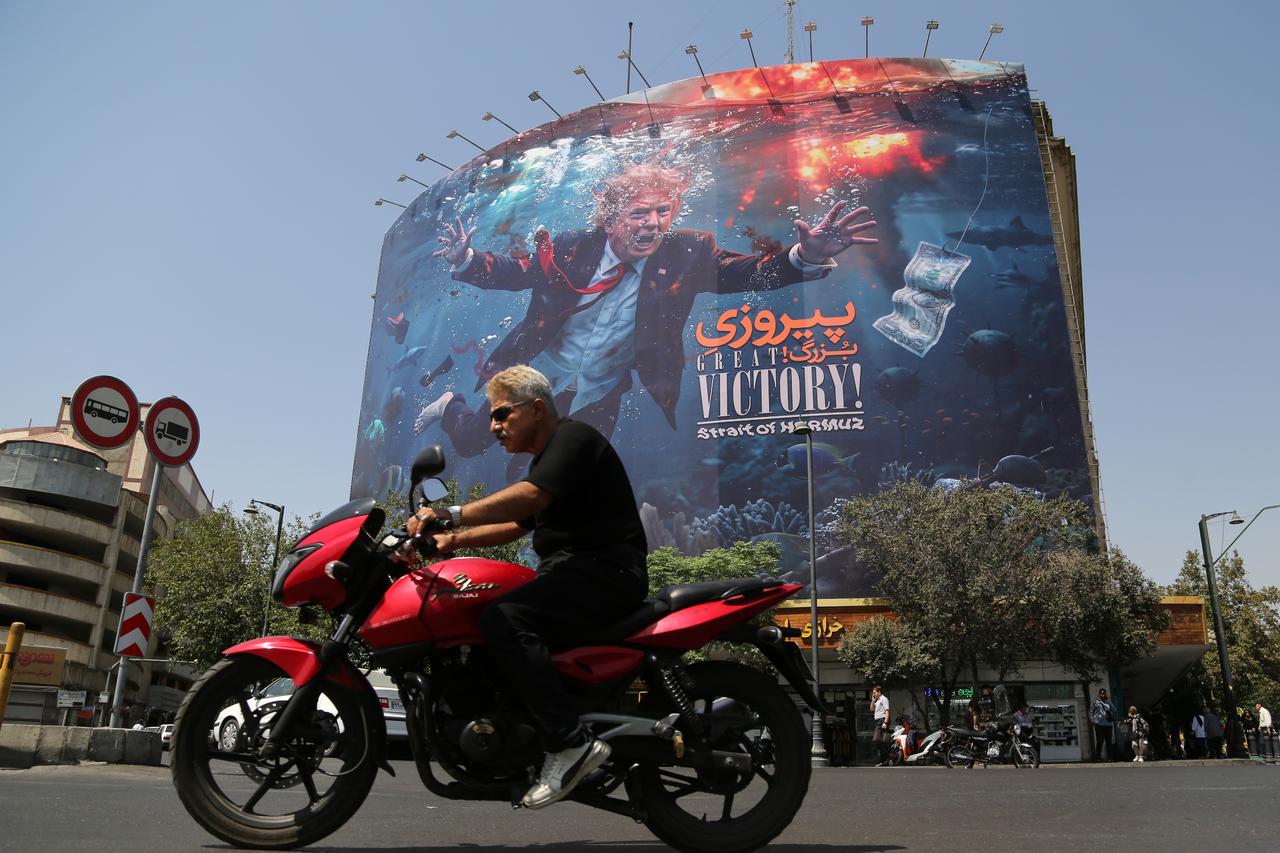
The war traces back to US and Israeli strikes on Iran that began in late February, which prompted Tehran to retaliate by blocking most traffic through the Strait of Hormuz.
The waterway is one of the world's most critical corridors for oil and gas shipments, and the disruption sent global crude prices sharply higher.
Friday's action against a mid-sized Egyptian bank's overseas branches highlights the limits Washington faces in going after larger players in Iran's trade network.
China remains a major buyer of Iranian oil, and before the war Tehran had been exporting millions of barrels a day, most of it to Chinese buyers.
Sanctioning Chinese institutions directly would carry far greater economic risk and could strain US-China relations at a delicate moment, with Chinese President Xi Jinping expected to visit Washington in September.
That dynamic leaves the Trump administration, for now, targeting smaller and mid-tier institutions like Banque Misr's UAE operations and Bank Melli's Dubai branch as it builds out its broader sanctions campaign.


 Set as preferred source
 Set as preferred source


 1 min read
 1 min read