Newsletters


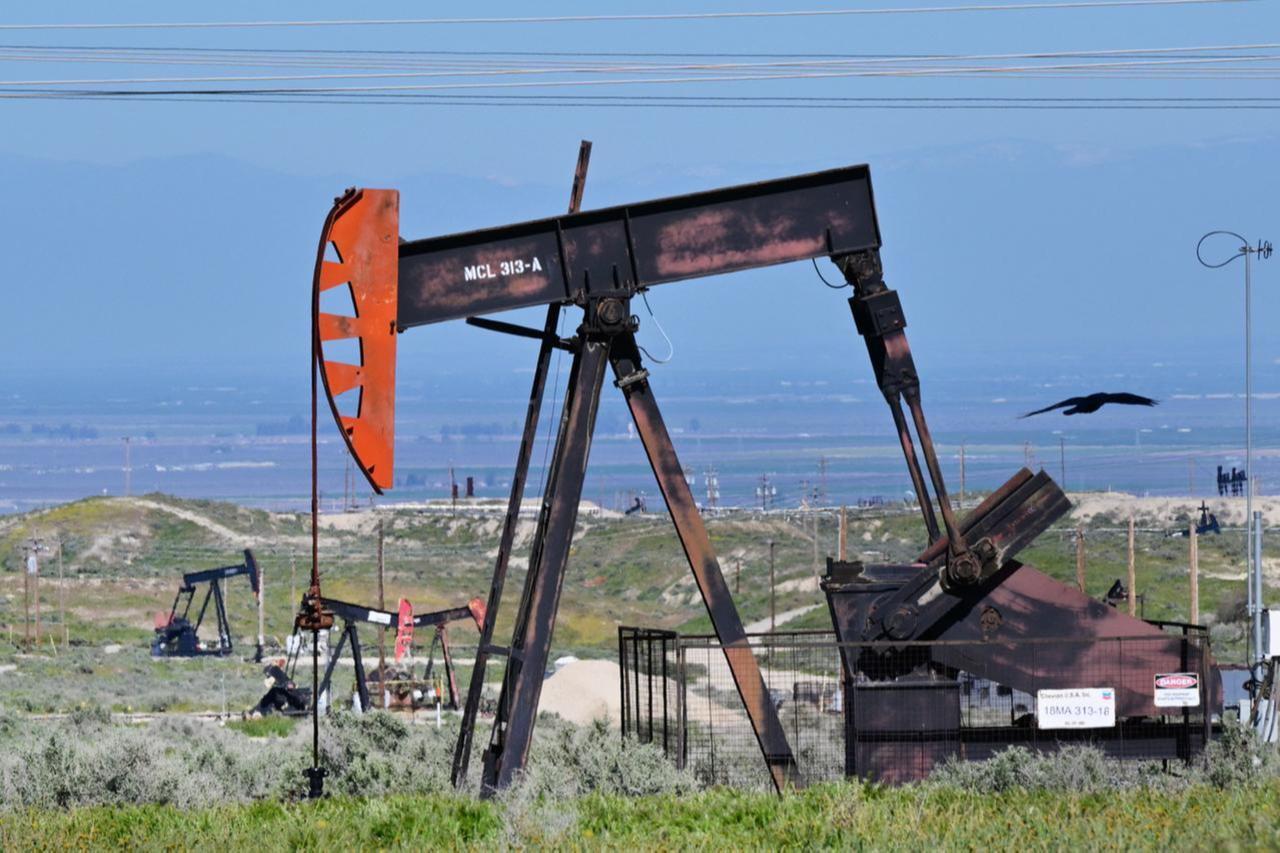


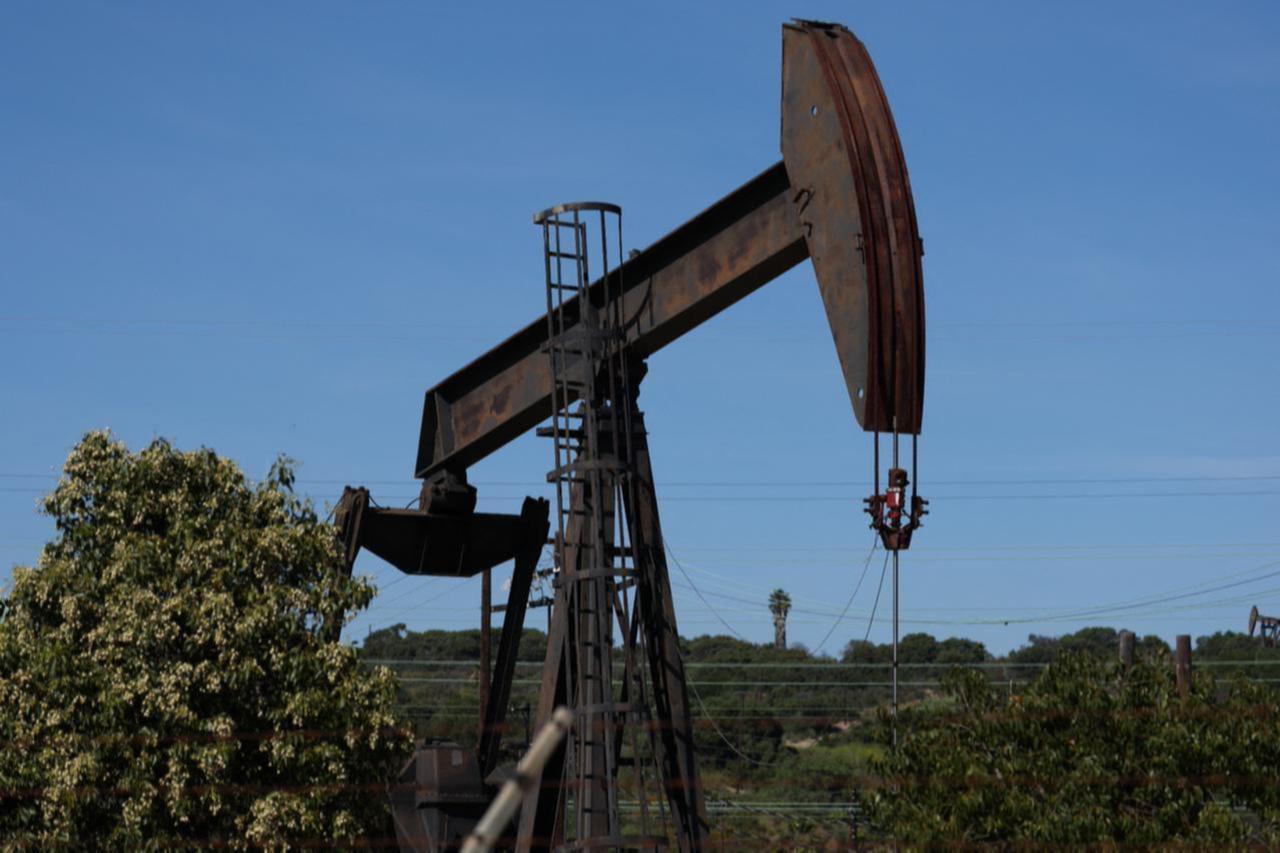
The U.S. dollar continued to weaken on Thursday, with oil prices holding steady below $100 per barrel, as supply concerns eased following reports of growing optimism over U.S.-Iran peace efforts.
International benchmark Brent crude hovered around $94, while U.S. benchmark WTI stood near $91 per barrel. Prices remained elevated due to disruptions in the Strait of Hormuz, but were relatively softer than levels above $100 per barrel seen earlier during the conflict.
The U.S. dollar index fell to an intraday low of 97.7, close to its pre-war level, before rebounding above 98 as of 6:30 a.m. GMT.
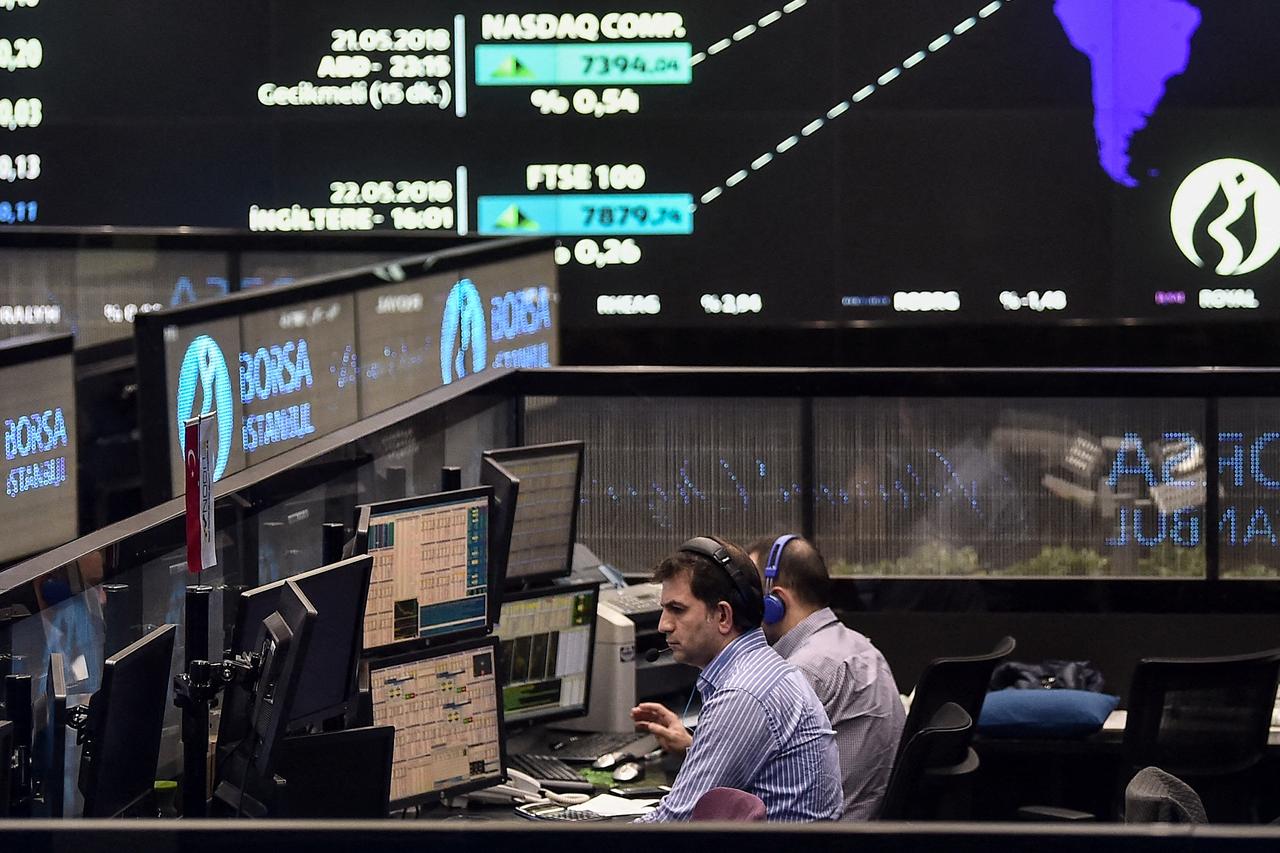
Equity markets across Asia posted strong gains, reflecting improving risk appetite. Japan’s Nikkei 225 surged 2.4% to a record 59,518.34, while South Korea’s Kospi advanced 2%. Hong Kong’s Hang Seng climbed 1.6%, and China’s Shanghai Composite rose 0.7%.
European futures signaled mixed movement. Pan-European EuroStoxx 50 futures rose 0.3%, and Germany's DAX futures added 0.2%, while the U.K.'s FTSE futures slipped 0.06%. U.S. futures also ticked upward, with the tech-heavy Nasdaq gaining 0.4%.
Gold rebounded by 0.5% to trade above $4,800, while silver climbed 1.6% to $80.3 per ounce. Palladium and platinum also registered gains of over 1%, reaching $1,590 and $2,140 per ounce, respectively.
In digital assets, Bitcoin increased 1.3% to $74,929, and Ethereum rose 1.5% to $2,350.


Diplomatic efforts appear to regain momentum as U.S. and Iranian officials prepare for a second round of talks, expected to take place in Islamabad. The discussions come as the Middle East crisis enters its seventh week.
White House Press Secretary Karoline Leavitt noted that further talks are "very likely" to occur in the Pakistani capital, adding that officials feel optimistic about reaching an agreement.
U.S. Vice President JD Vance, who led the initial negotiations, described the proposal to Iran as a "grand bargain" aimed at ending the conflict.
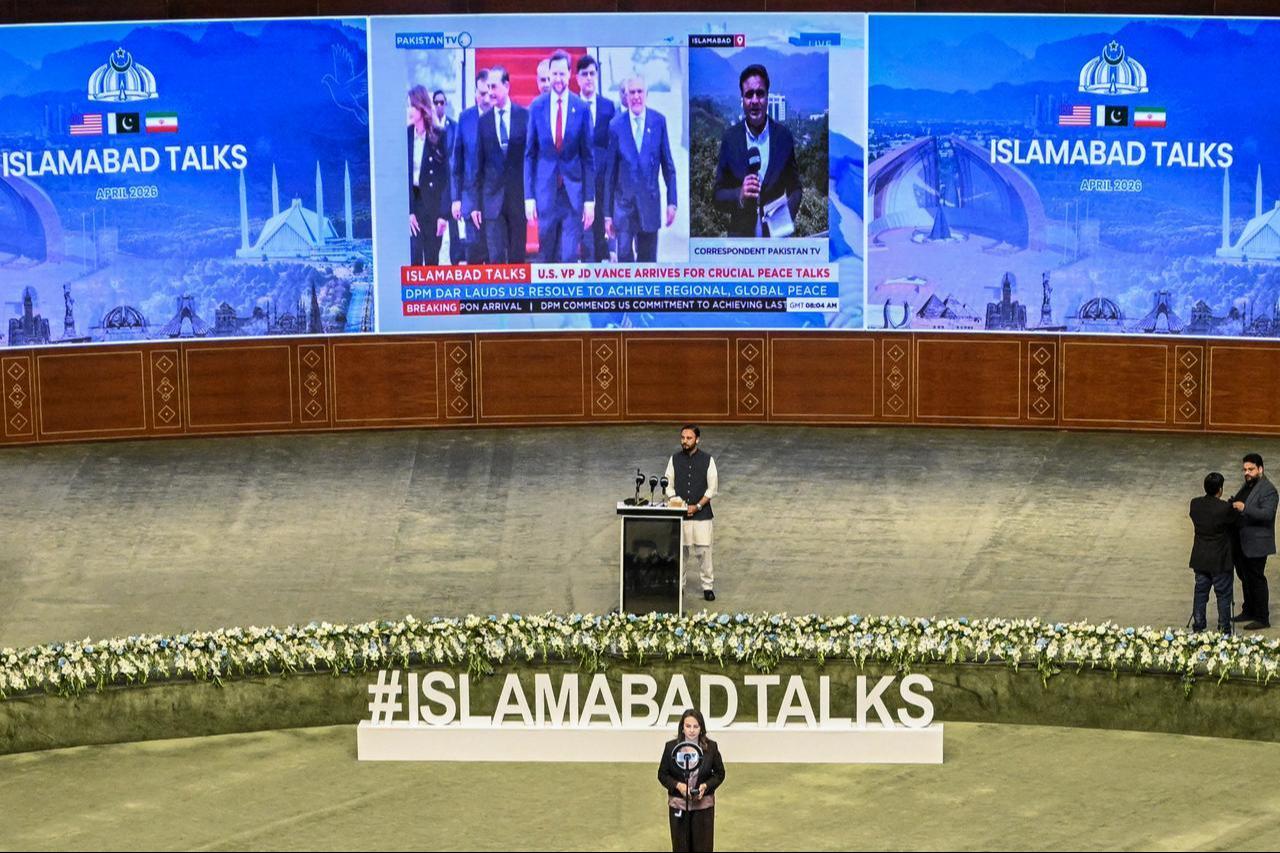
A Pakistani delegation has already arrived in Tehran carrying a new message from Washington, following indications from President Donald Trump that negotiations could resume this week. Iranian officials confirmed that multiple messages have been exchanged through Islamabad since talks concluded on Sunday.
Despite diplomatic progress, tensions persist. Iran has warned it could shut down key maritime routes—including the Red Sea, the Gulf, and the Sea of Oman—if the United States does not lift a naval blockade imposed after last weekend’s failed negotiations.
Any breakthrough could ease strain on global energy markets, particularly if shipping through the Strait of Hormuz resumes normal flows, given that the waterway handled about one-fifth of global energy shipments before the war.


 Set as preferred source
 Set as preferred source


 1 min read
 1 min read