Newsletters


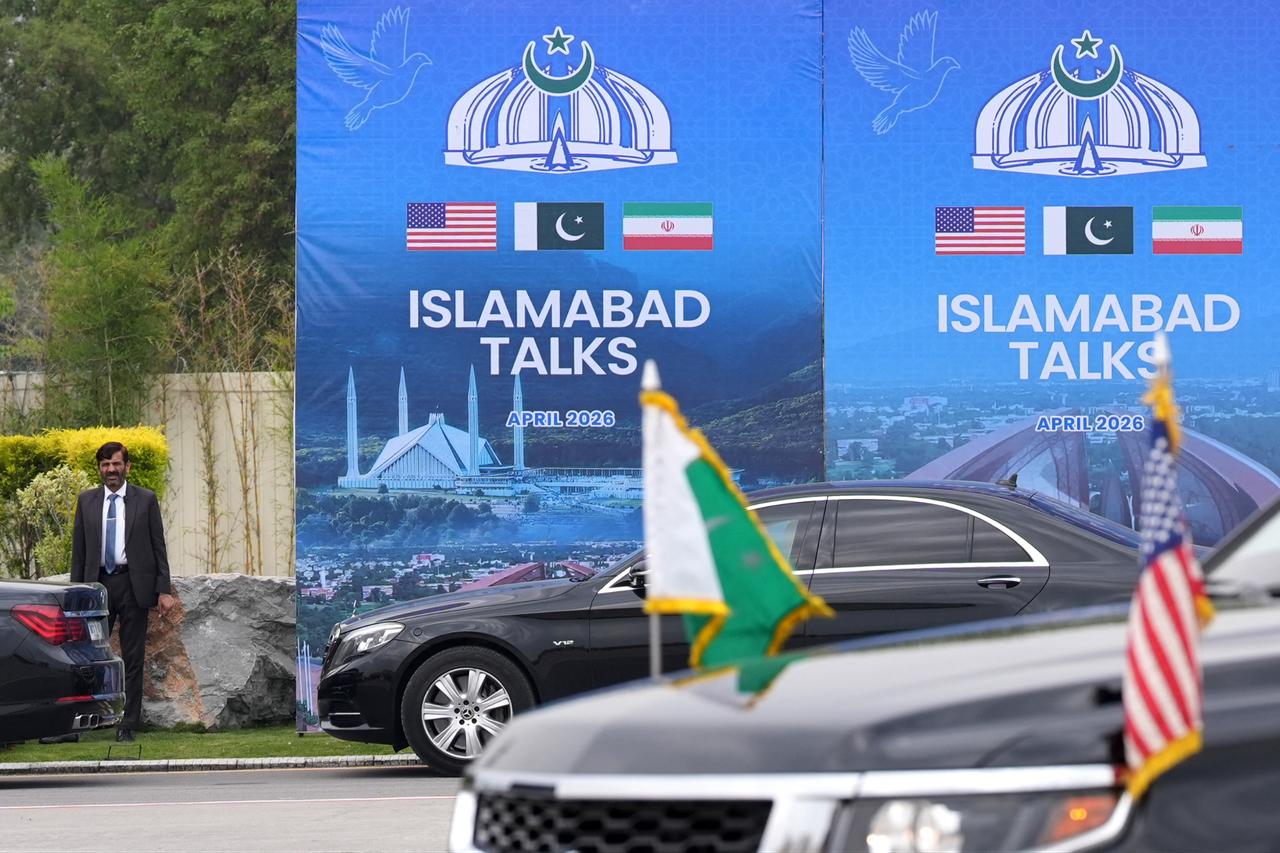


Pakistan has ramped up its diplomatic push between the United States and Iran, with officials pointing to growing momentum in negotiations over Tehran’s nuclear program, even as key disputes remain unresolved, according to the report.
A senior Pakistani delegation led by Army Chief Asim Munir arrived in Tehran to discuss a framework for the expected second round of talks.
Officials familiar with the process indicated that discussions are inching closer to a compromise, particularly on uranium enrichment limits and the handling of Iran’s existing stockpile, Al Jazeera reported.
U.S and Iran continue to wrestle with two core issues: the duration of restrictions on Iran’s nuclear enrichment and the fate of its highly enriched uranium reserves.
Washington has pushed for a 20-year freeze and the removal of nuclear material from Iranian territory. Tehran, however, has countered with a shorter five-year pause while insisting the stockpile remain within the country.
Estimates suggest Iran holds roughly 440 to 450 kilograms of uranium enriched to high levels. Options under discussion include transferring the material abroad or diluting it to lower enrichment levels.
Despite the gap, sources involved in the talks described "movement in the middle," suggesting both sides may be edging toward a compromise framework.
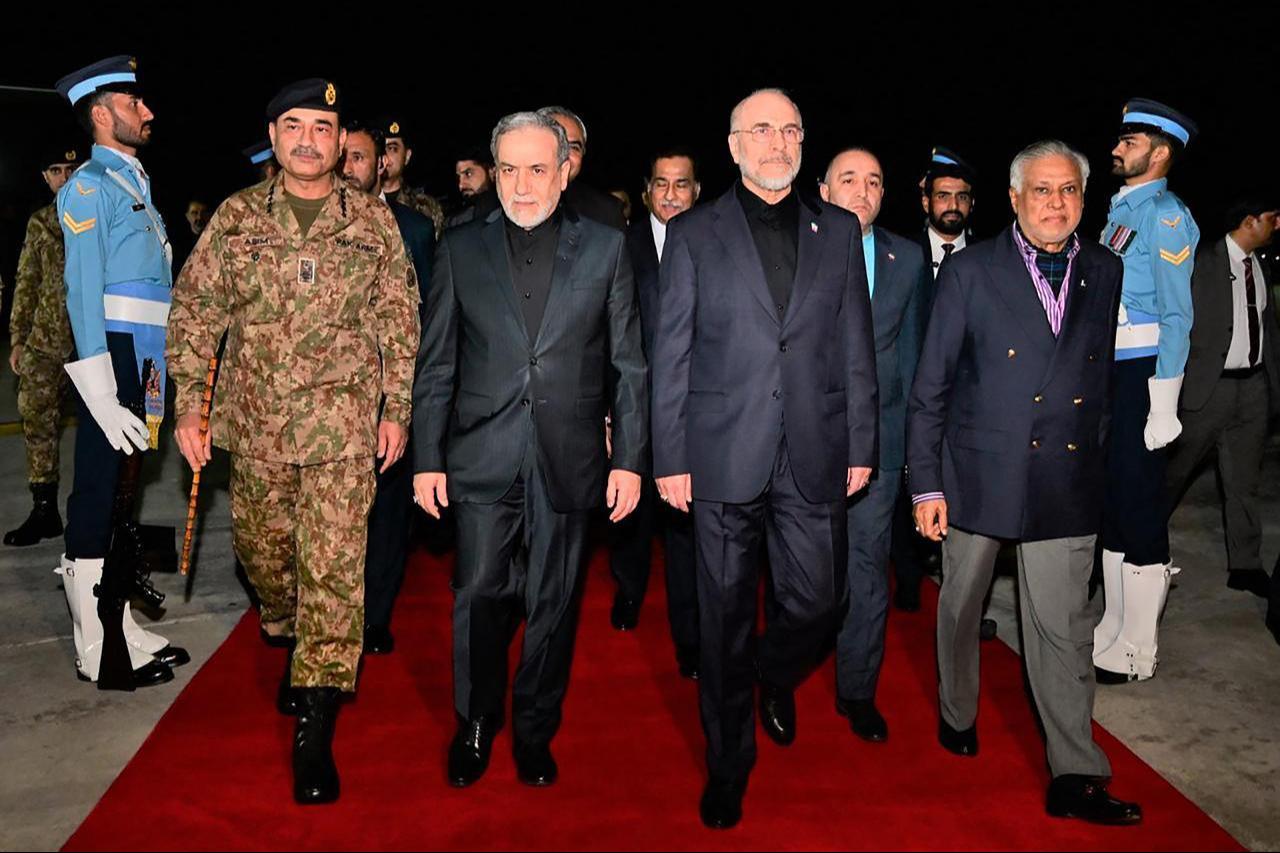

The U.S and Iran signaled potential flexibility in their diplomatic standoff despite failing to reach a final agreement during weekend talks in Islamabad, according to a report by The Wall Street Journal.
People familiar with the negotiations told the newspaper that both sides showed some willingness to adjust positions, particularly on uranium enrichment, which remains the central issue.
White House Press Secretary Karoline Leavitt described the Pakistan-mediated process as productive and ongoing, adding that another round of negotiations is expected to take place in Islamabad.
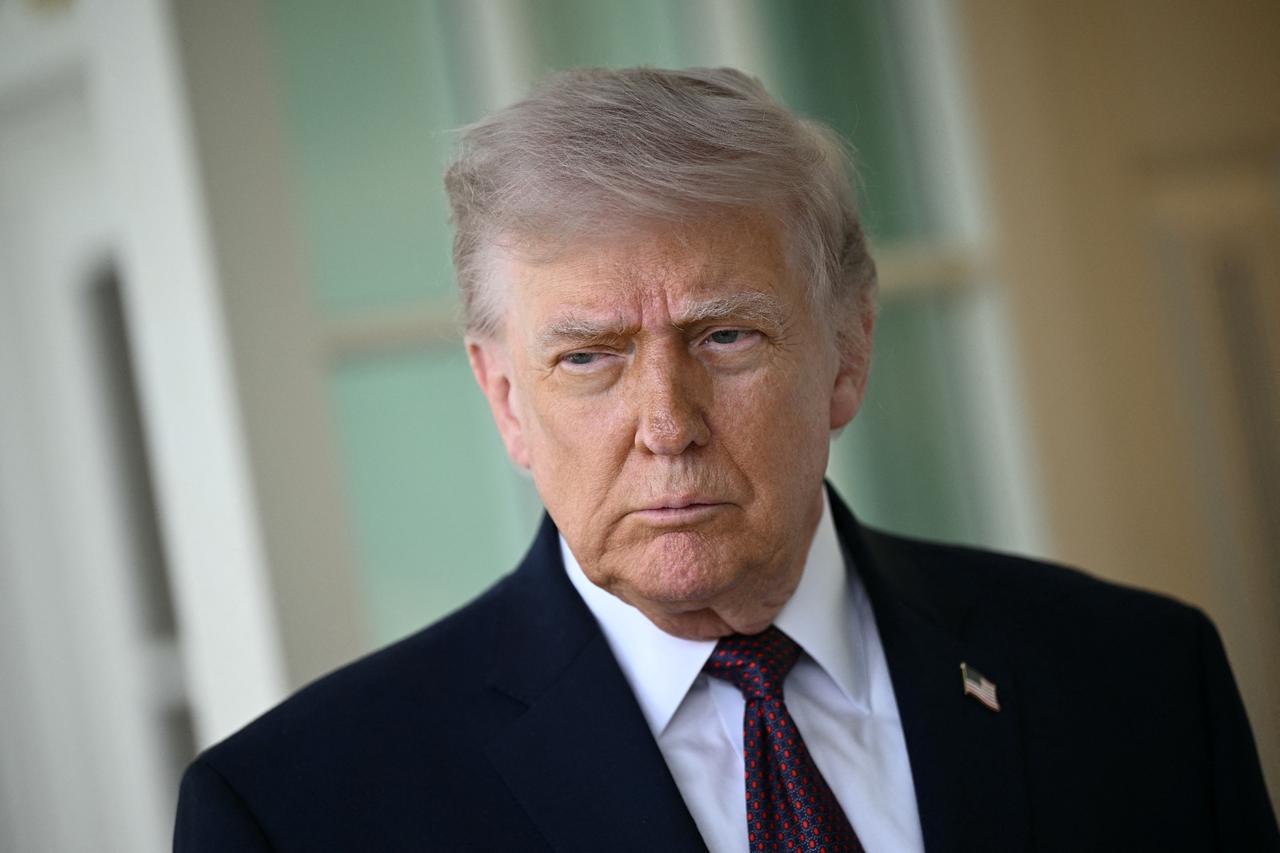
U.S. President Donald Trump indicated that developments may be imminent, stating the conflict is very close to ending and pointing to potential progress in the coming days.
In Tehran, Foreign Ministry spokesman Esmaeil Baghaei confirmed continued indirect exchanges, noting that multiple messages have been conveyed through Pakistani channels.


 Set as preferred source
 Set as preferred source


 1 min read
 1 min read