Newsletters


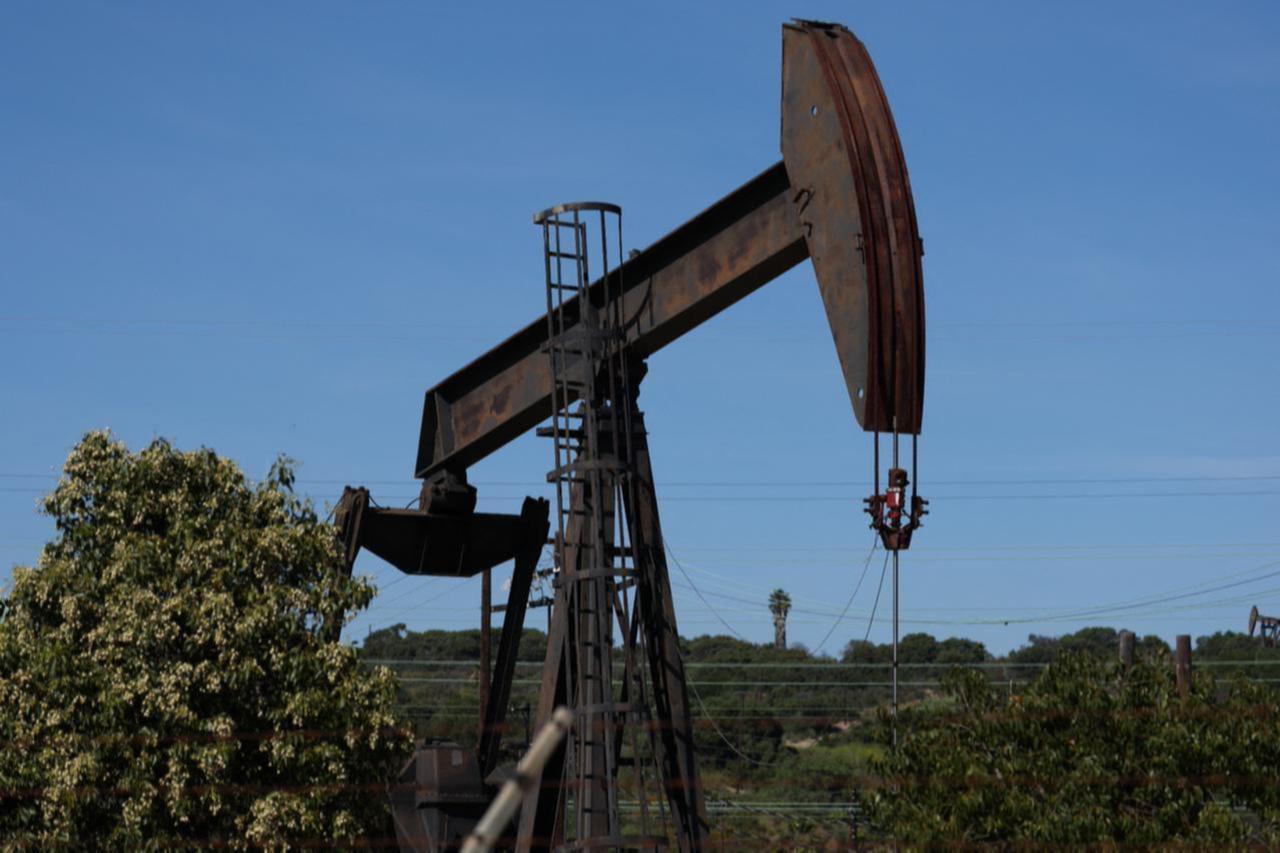


Oil prices dropped sharply after U.S. President Donald Trump signaled that a second round of talks with Iran could take place "over the next two days," fueling expectations that disrupted crude flows may resume.
International benchmark Brent fell to $94.8, while U.S. benchmark WTI—previously trading above Brent due to supply constraints—slipped to $90.5 per barrel as of 6:15 a.m. GMT. The decline reflected growing optimism that the Strait of Hormuz could reopen if negotiations progress.
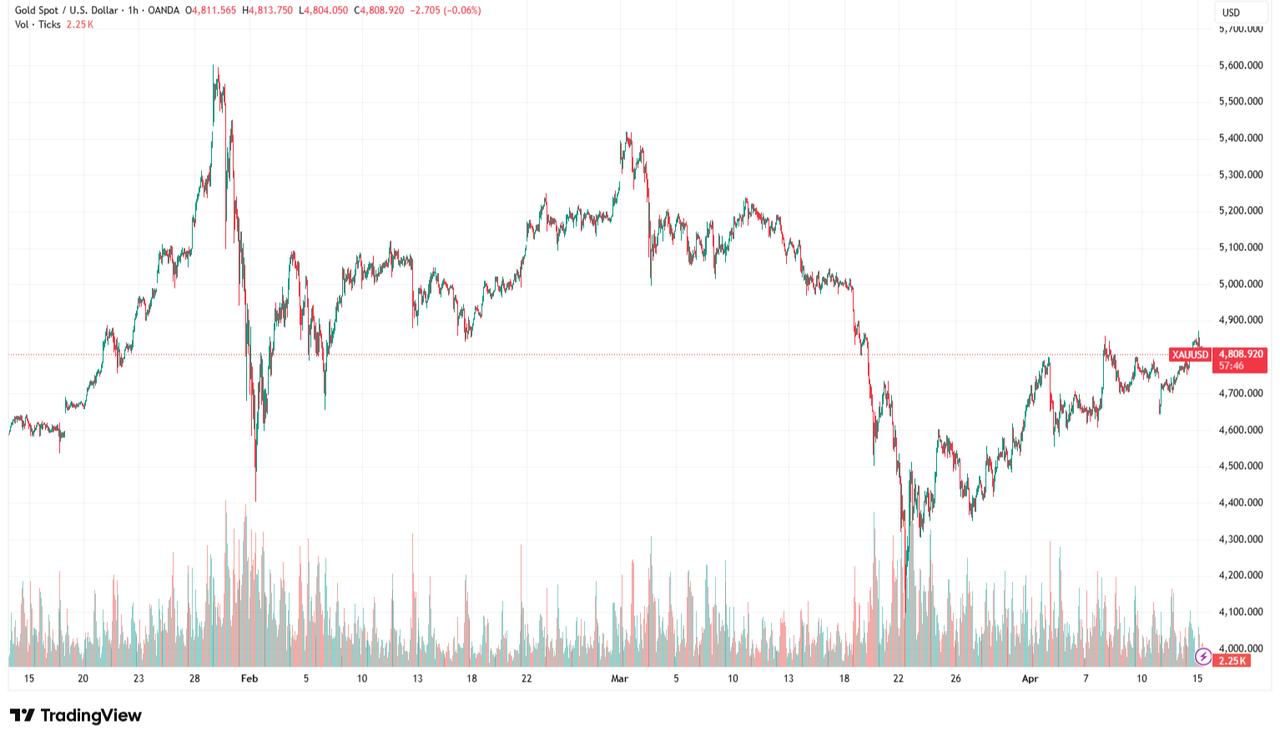
The retreat fueled a recovery in equities and precious metals, with gold hitting a four-week high of $4,850 before easing to $4,810 per ounce.
Asian markets moved higher on Wednesday. Japan’s Nikkei 225 rose 0.5%, while South Korea’s Kospi advanced 2.2%. Hong Kong’s Hang Seng gained 0.4%, and the Shanghai Composite remained flat.
Pan-European Stoxx 50 futures slipped 0.2%, pointing to a softer start, while major U.S. stock indices held steady after a rally in the previous session pushed them more than 1% higher.
Silver edged down to $79.3 after briefly crossing the $80 level, while palladium and platinum hovered around $1,560 and $2,090, respectively, giving back part of their earlier gains.
Cryptocurrencies turned lower following Tuesday’s gains. Bitcoin declined 0.6% to $74,000, while Ethereum fell 2.1% to $2,310.

While the U.S. continues to enforce a blockade on Iranian ports following failed negotiations in Islamabad over the weekend, President Donald Trump indicated that diplomatic momentum may resume, signaling a potential shift in the standoff that has disrupted regional energy flows.
"You should stay there, really, because something could be happening over the next two days, and we're more inclined to go there," Trump said on Tuesday in an interview. He added that the current two-week ceasefire is unlikely to be extended, as an outcome is expected in the upcoming talks, suggesting Washington may be preparing for a more decisive phase in negotiations.

Despite the ongoing blockade, the prospect of renewed engagement has begun to steady market expectations, with investors closely watching for signals that could lead to a partial easing of restrictions or a broader agreement.
Reports that Israel and Lebanon agreed to launch direct negotiations also raised hopes of easing tensions tied to the fragile ceasefire between Washington and Tehran.


 Set as preferred source
 Set as preferred source


 1 min read
 1 min read