Newsletters


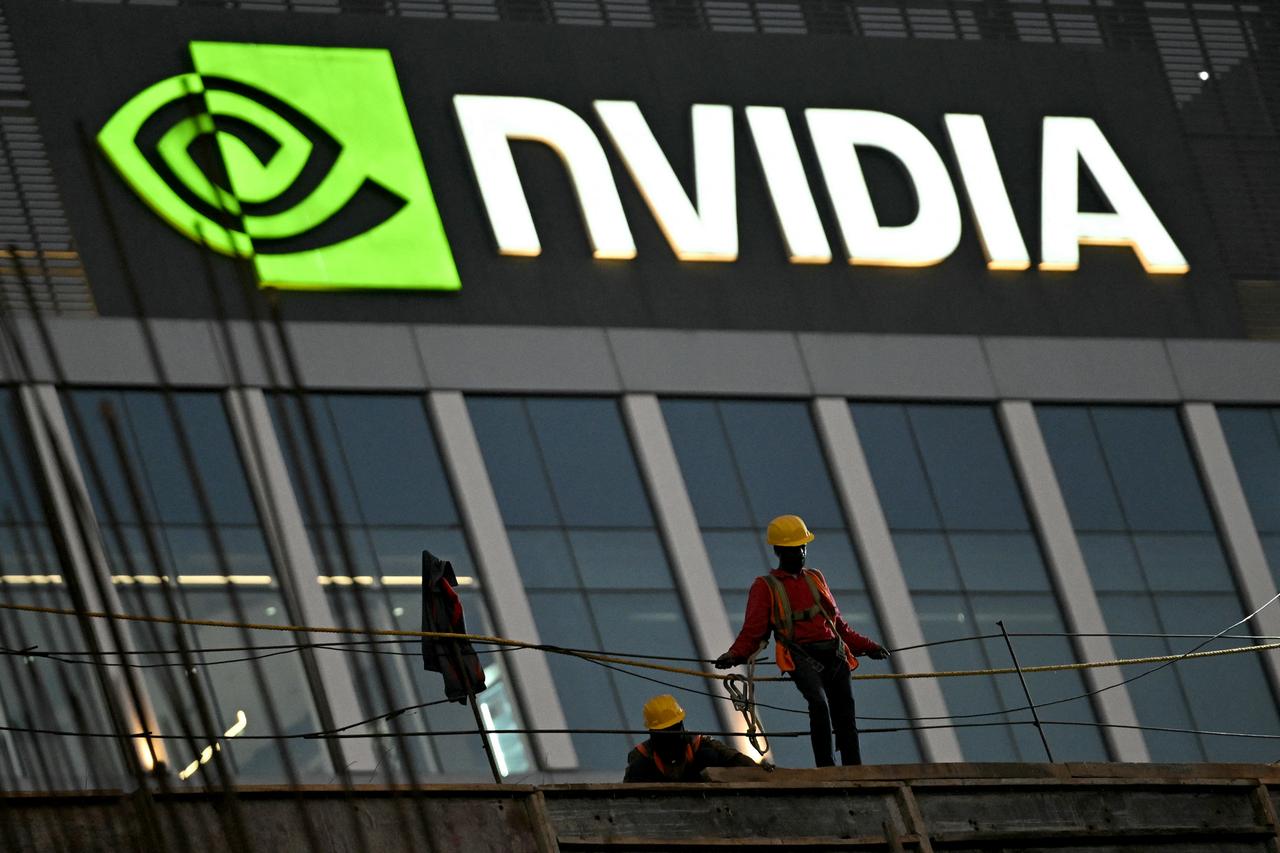


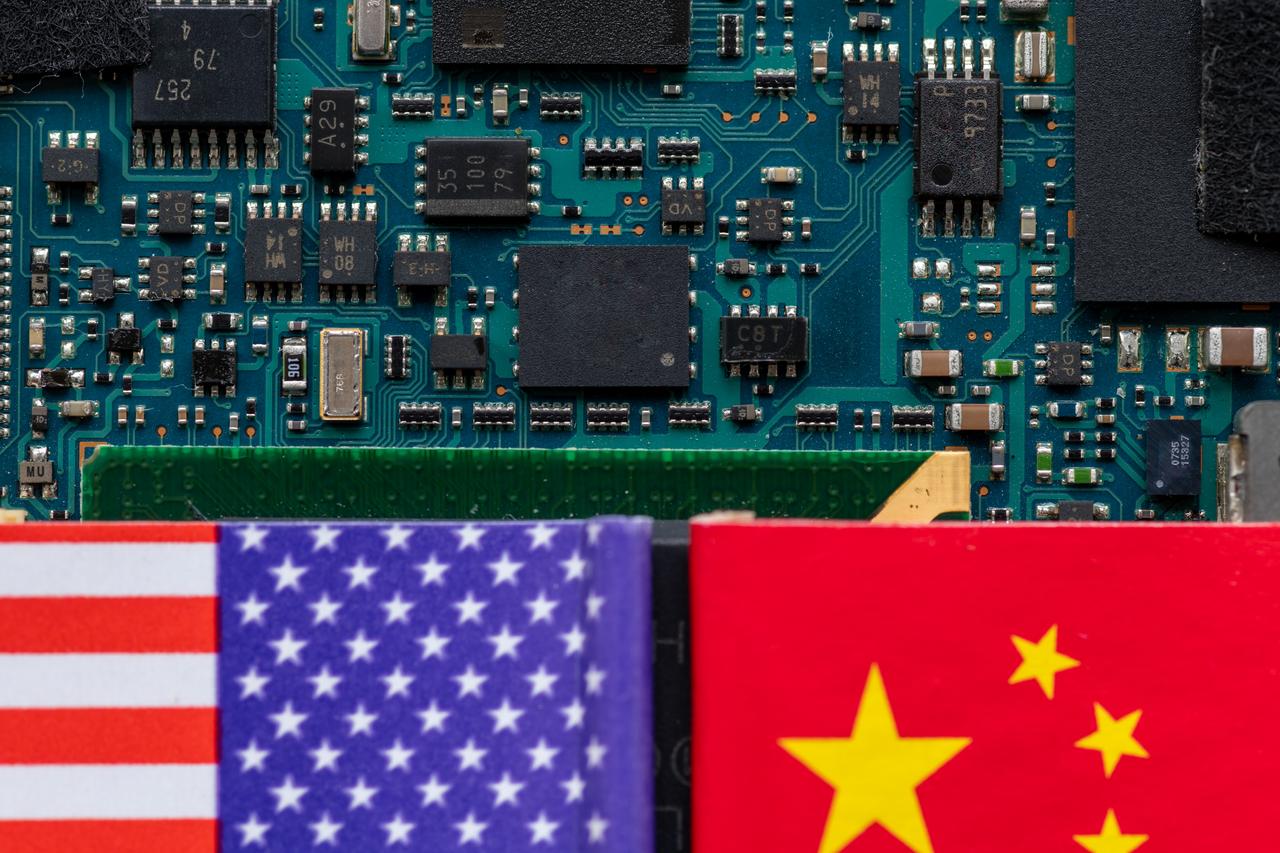
The U.S. softened its stance on Nvidia’s advanced H200 artificial intelligence (AI) chips on Wednesday, allowing conditional sales to China under a revised export control policy, while Chinese authorities reportedly press domestic companies to limit their orders.
In December, President Donald Trump announced that the U.S. would allow exports of Nvidia’s H200 chips to China and that the U.S. government would receive a 25% share of the revenues as part of a temporary trade arrangement between the two sides.
However, Chinese authorities remain cautious, with customs officials reportedly instructing agents not to allow H200 chips to enter the country, according to sources cited by Reuters. "The wording from the officials is so severe that it is basically a ban for now," said the source, while noting that this stance could change depending on future developments.
According to sources cited by news outlet The Information, domestic technology firms were reportedly summoned to government meetings on Tuesday and explicitly told not to purchase the chips unless absolutely necessary.
Beijing’s hesitation appears rooted in efforts to prioritize domestic chipmakers, as sources suggest that China is considering requiring companies to purchase a certain quota of locally produced AI chips from Chinese rivals before being allowed to acquire Nvidia’s products.
Chinese officials reportedly plan to allow H200's use only in specific contexts, such as academic research or controlled development environments, rather than for commercial deployment.
It is unclear whether Beijing’s current restrictions are a long-term strategy to boost local industry, a temporary bargaining chip in broader US-China talks, or a mix of both.

The H200 chip, Nvidia’s second most powerful AI processor, has become a key flashpoint in U.S-China tech relations. While not as advanced as Nvidia’s latest GPUs, which remain under full export restriction, the H200 is still a critical tool for training large-scale generative AI models.
The allowance marks a notable departure from the sweeping restrictions imposed under President Joe Biden’s administration, which had banned the export of Nvidia’s most powerful chips due to concerns over potential Chinese military applications. Congressional Democrats have criticized Trump’s deal as a misstep that could strengthen China’s military and economic position.
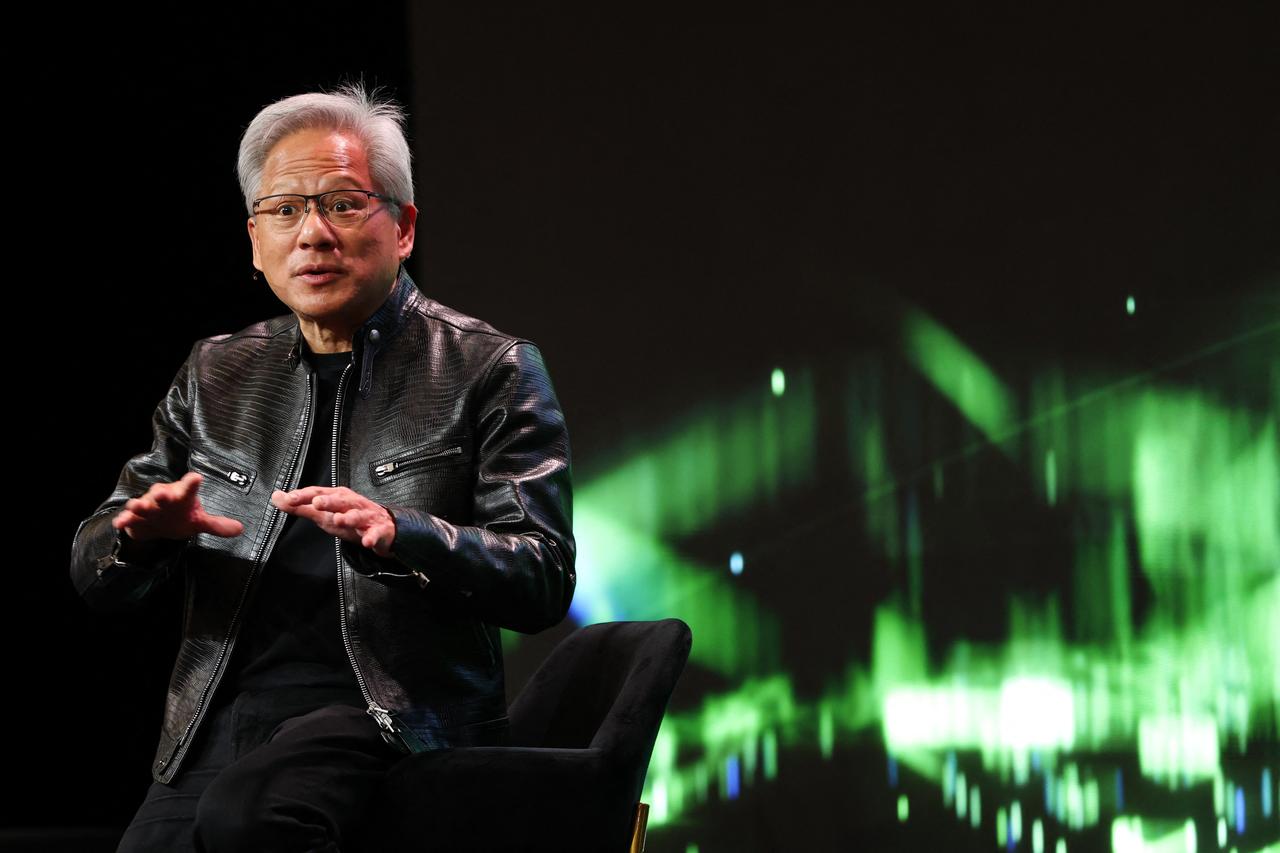
Nvidia CEO Jensen Huang has been a vocal proponent of easing export controls, arguing that AI systems around the world should be built using U.S. technologies. However, he has also warned that China is “nanoseconds behind” the United States in developing domestic alternatives.
Despite advances by Chinese firms like Huawei, whose Ascend 910C powers local efforts, Nvidia’s H200 remains more efficient for large-scale AI training.


 Set as preferred source
 Set as preferred source


 1 min read
 1 min read