Newsletters


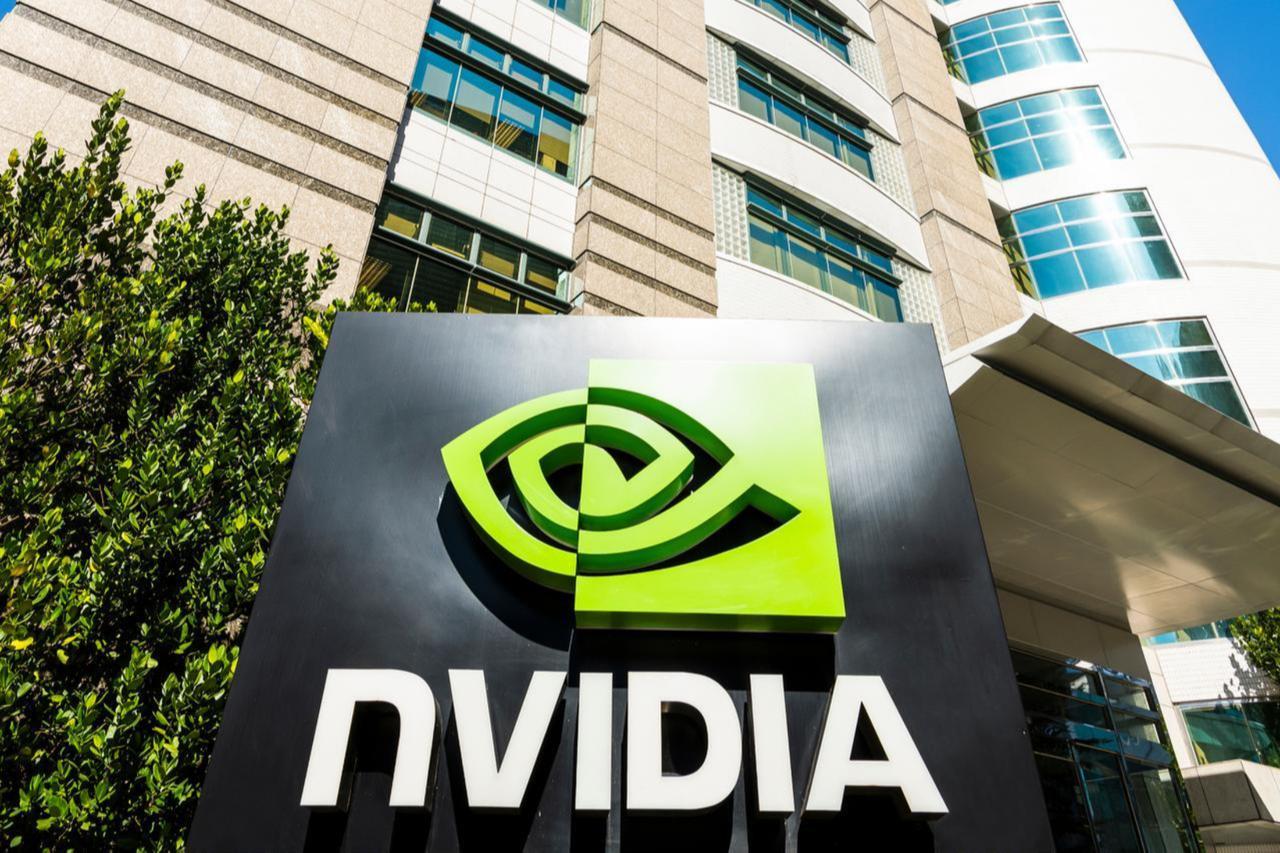


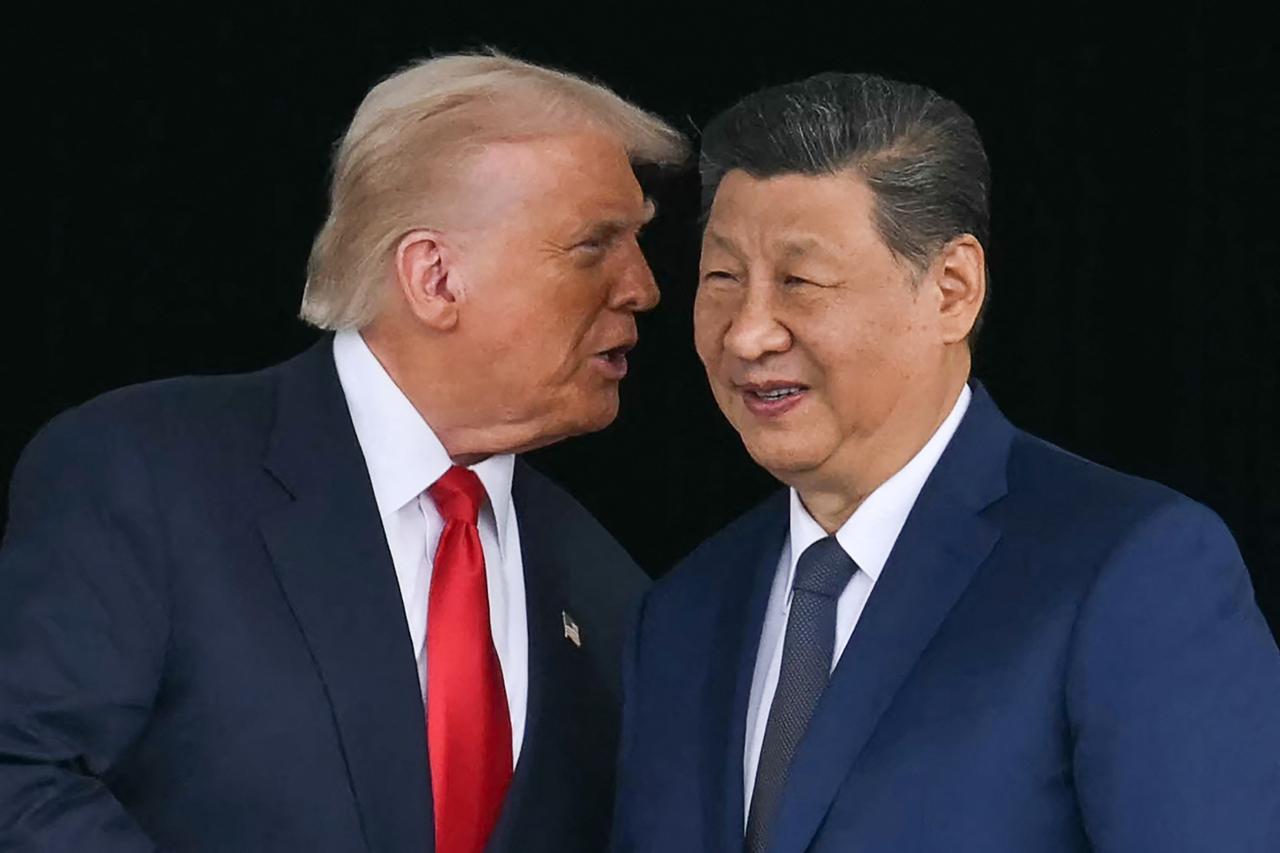
U.S. President Donald Trump announced on Monday that his administration had reached an agreement with Chinese President Xi Jinping to allow chip titan Nvidia to export advanced artificial intelligence (AI) chips to China.
According to Trump’s statement on his Truth Social platform, the agreement permits Nvidia to ship its H200 graphics processing units (GPUs) to "approved customers in China, and other countries," under a framework designed to maintain national security safeguards.
Trump stated that a 25% levy would be applied to the sales, in a move that departs from the export control policies imposed under former President Joe Biden, which had blocked such exports due to national security concerns.
Under former President Biden, the U.S. Department of Commerce had banned the export of high-end chips such as Nvidia’s H200 series to China, citing their potential use in military applications. Companies were previously required to produce downgraded versions with limited capabilities, such as slower processing speeds, for the Chinese market.
Trump criticized the former approach, arguing it "forced our Great Companies to spend BILLIONS OF DOLLARS building 'degraded' products that nobody wanted," which he argued hindered innovation and harmed American labor.
An Nvidia spokesperson, speaking to AFP, welcomed the policy change, stating that allowing H200 chips to be sold to vetted commercial customers through the U.S. Commerce Department "strikes a thoughtful balance that is great for America." The executive emphasized that the decision supports domestic manufacturing and sustains high-paying jobs in the United States.
The agreement explicitly excludes Nvidia's most advanced Blackwell GPUs and upcoming Rubin processors. These chips, which are about 18 months ahead of the H200 in terms of performance, will remain available exclusively to U.S. customers. Nvidia’s H200 GPUs are commonly used to train large-scale generative AI models, such as those that power applications like ChatGPT.
Trump stated that similar conditional export allowances would be extended to other U.S. semiconductor firms including AMD and Intel, with the Commerce Department currently finalizing implementation details.
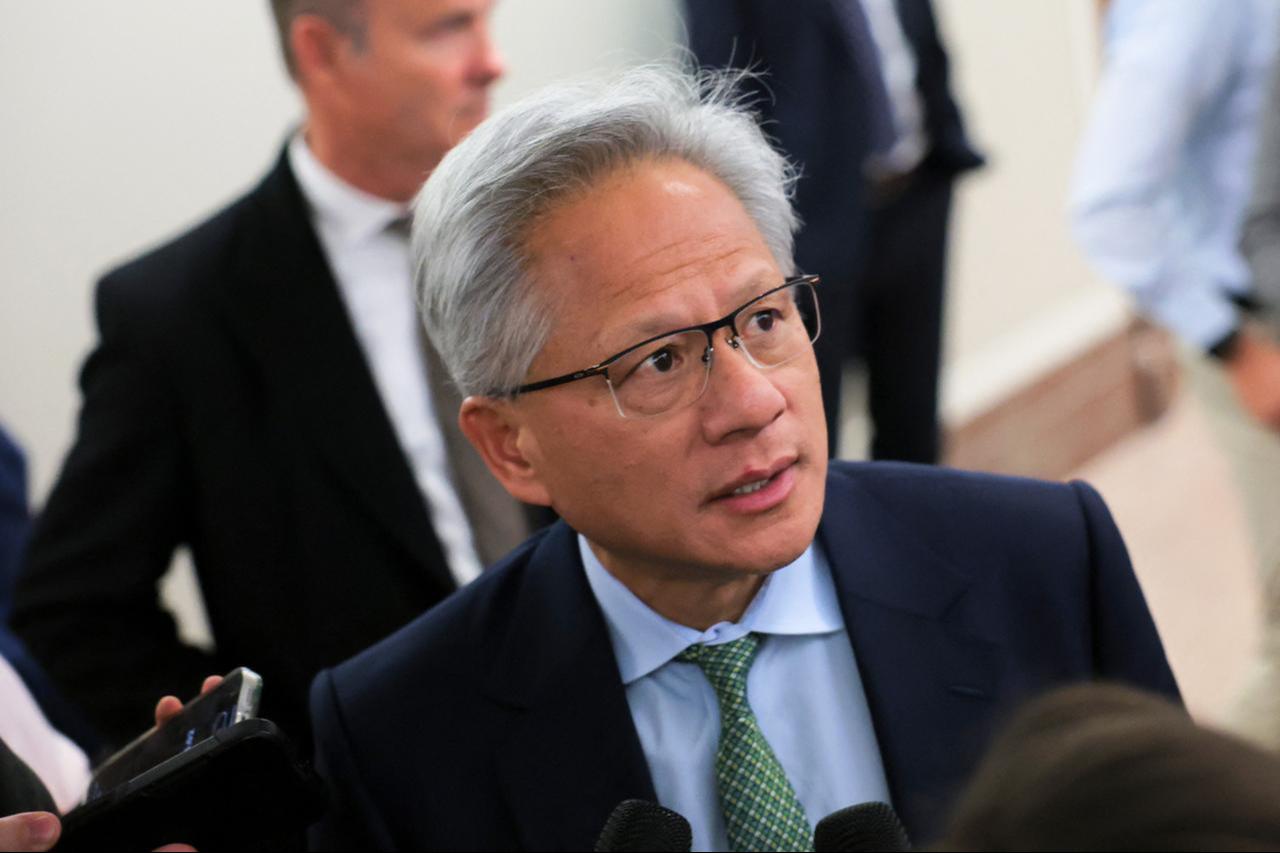

Despite industry support, the decision drew immediate criticism from senior Senate Democrats. In a joint statement, lawmakers including Senators Elizabeth Warren, Jack Reed, and Chris Coons described the move as a "colossal economic and national security failure."
The senators argued that granting China access to high-performance AI chips would erode America’s competitive edge in artificial intelligence, potentially strengthening China’s military capabilities and industrial power. They cited a recent remark by Chinese AI firm DeepSeek, which had identified the lack of access to U.S. chips as its biggest obstacle in competing globally.
"With this decision, President Trump is poised to remove that barrier," the senators warned, calling for a reversal of the policy to safeguard U.S. technological leadership.
According to a recent research note by Bernstein analysts, AI chips produced in China continue to lag behind top-tier American offerings. The note highlighted Huawei’s Ascend 910C as China’s most powerful AI chip, capable of achieving approximately 80% of the performance of Nvidia’s H100 model. Meanwhile, Alibaba’s latest PPU 2.0 chip may offer comparable performance but has yet to enter mass production. Baidu’s Kunlun chip was also mentioned as having potential outside interest, though production remains limited.
While aggressive investment by Chinese firms and ongoing U.S. export controls may drive domestic innovation, Chinese AI chips are unlikely to match American performance in the short term, the report said, further laying bare the Chinese tech sector's continued dependence on Nvidia chip imports.


 Set as preferred source
 Set as preferred source


 1 min read
 1 min read