

 Newsletters


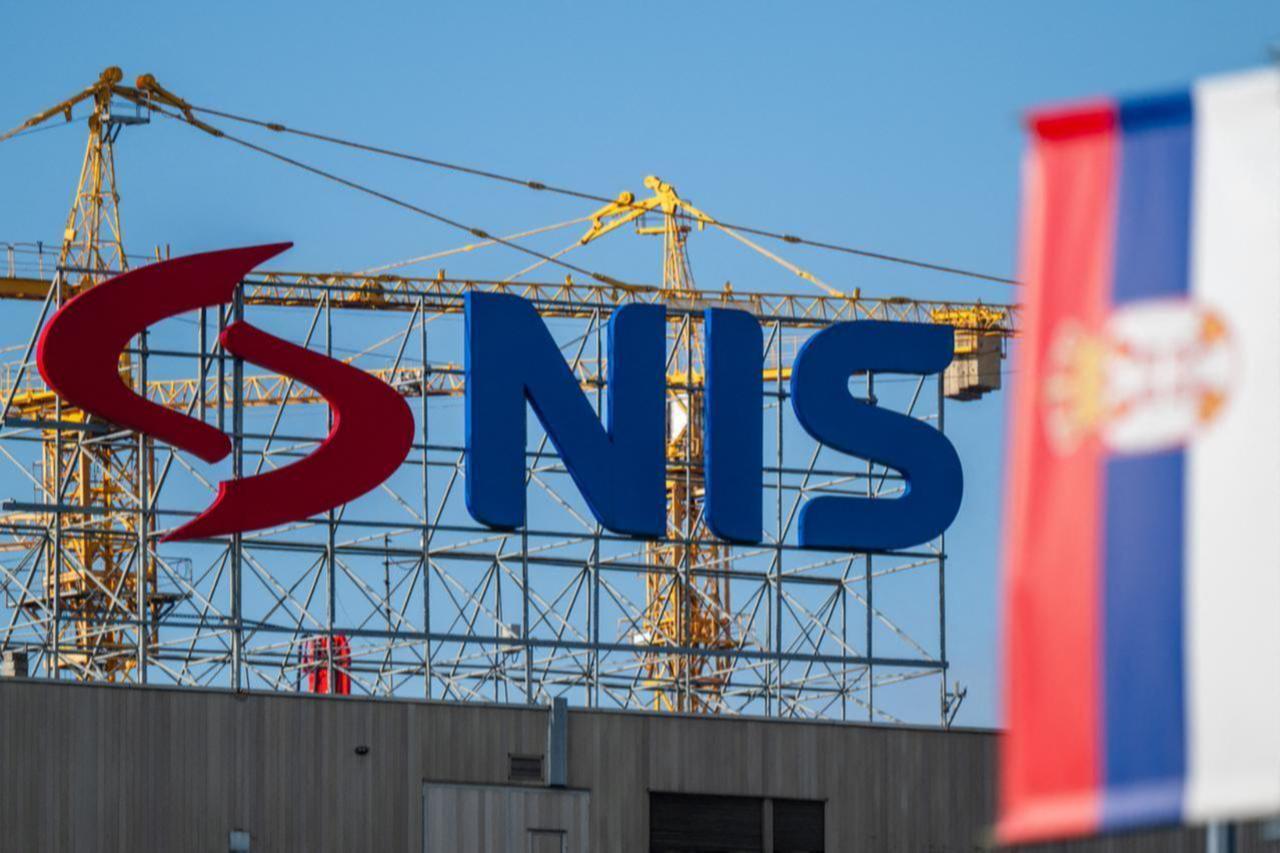


The United States has granted Serbia's state-owned oil company an additional month to operate under a temporary licence while negotiations continue over the exit of its Russian majority shareholders, Serbian officials announced Friday.
The Office of Foreign Assets Control extended the operating permit for the Petroleum Industry of Serbia (NIS) until February 20, according to Energy Minister Dubravka Djedovic Handanovic. The reprieve allows the company to continue receiving crude oil supplies through the Adriatic Oil Pipeline and Croatia's JANAF system.
"We have secured almost an additional month for NIS to continue operating, to be supplied via the Adriatic Oil Pipeline, JANAF, and for crude to continue arriving in Serbia," Handanovic said during an interview with local broadcaster TV Pink.
The extension provides breathing room as Hungarian energy giant MOL negotiates to acquire Gazprom's controlling interest in the Serbian oil company. The parties agreed to basic terms earlier this week, though a March 24 deadline remains in place for finalizing Gazprom's complete exit.
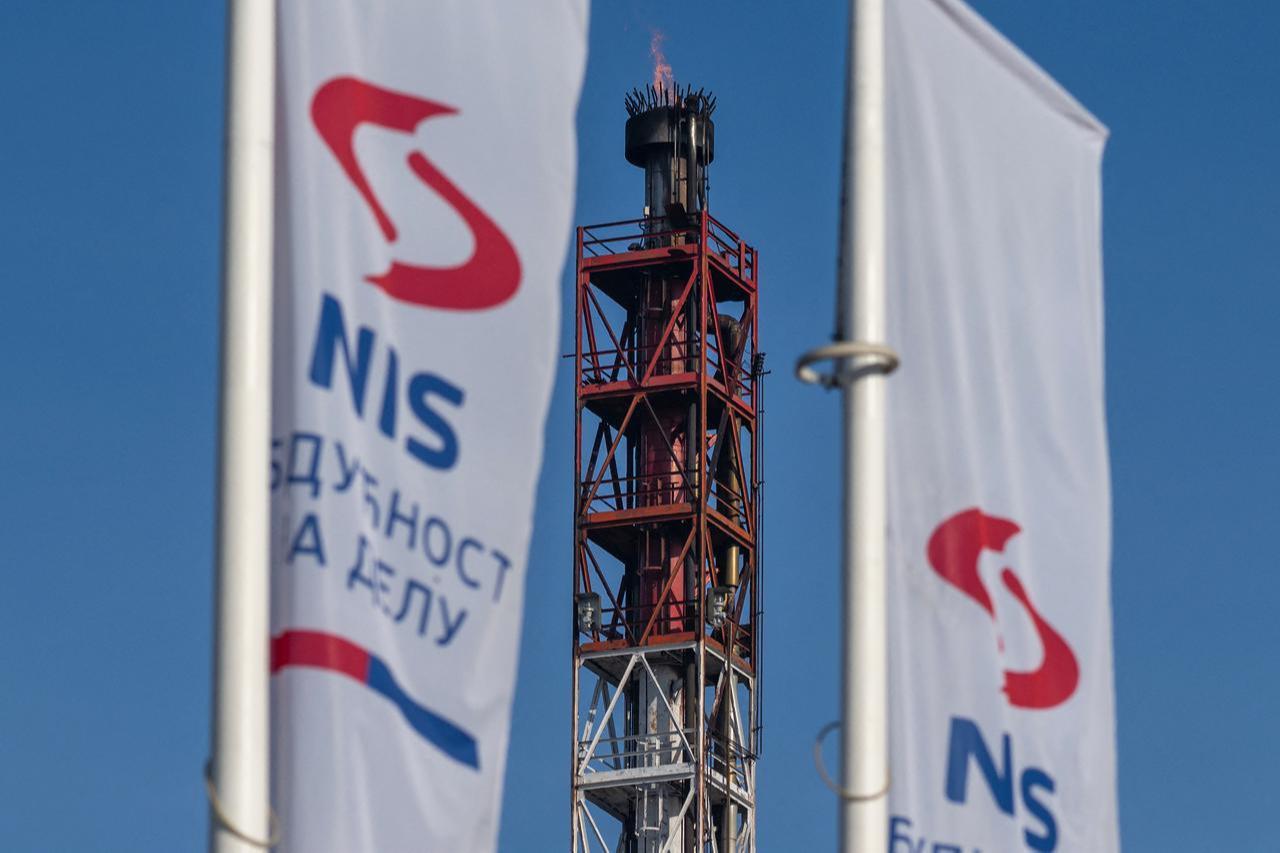

Washington imposed sanctions on NIS on October 9 as part of a broader crackdown on Russia's energy sector following Moscow's invasion of Ukraine. The measures cut off crude oil supplies and forced a months-long shutdown of Serbia's only oil refinery before the initial temporary licence allowed production to restart earlier this month.
The sanctions have had significant economic impact in Serbia, which maintains close ties to Moscow and has declined to join European sanctions against Russia over the war in Ukraine. NIS employs approximately 13,500 people in Serbia and contributed more than two billion euros in tax revenue during 2024, representing nearly 12 percent of the national budget.
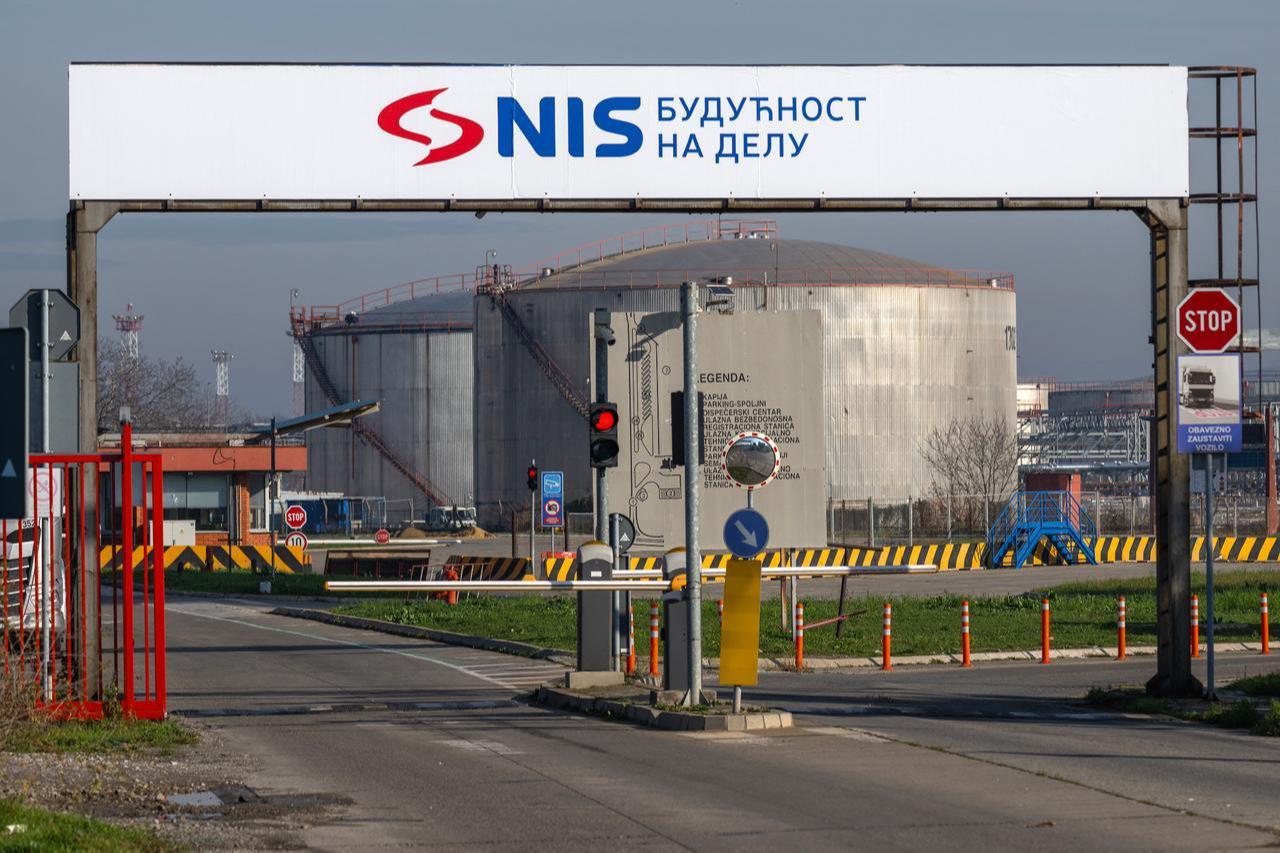
Gazprom Neft currently holds a 45 percent stake in NIS, while parent company Gazprom transferred its 11.3 percent holding to affiliated firm Intelligence in September. Both Gazprom entities operate under US sanctions. The Serbian government owns nearly 30 percent of the company, with minority shareholders holding the remainder.
Serbian officials have indicated the state plans to increase its stake by 5 percent following any sale to MOL.
The company operates approximately 330 petrol stations across Serbia, representing roughly one in five filling stations nationwide. If MOL successfully acquires the Russian-held shares, the combined network would control more than 380 stations in the country. NIS also maintains operations in Bosnia, Romania, Bulgaria and Angola.
Serbia sold its majority stake in NIS to Gazprom in 2008 for 400 million euros, with the Russian company investing several billion euros in the asset over subsequent years. MOL has confirmed it is discussing bringing in ADNOC, the national oil company of the United Arab Emirates, as a minority shareholder in any future ownership arrangement.
The temporary liceddddnce extension provides additional time for complex negotiations involving multiple parties and jurisdictions as the Serbian government works to preserve operations at a company critical to its energy infrastructure and national budget.


 Set as preferred source
 Set as preferred source


 1 min read

 1 min read



