Newsletters


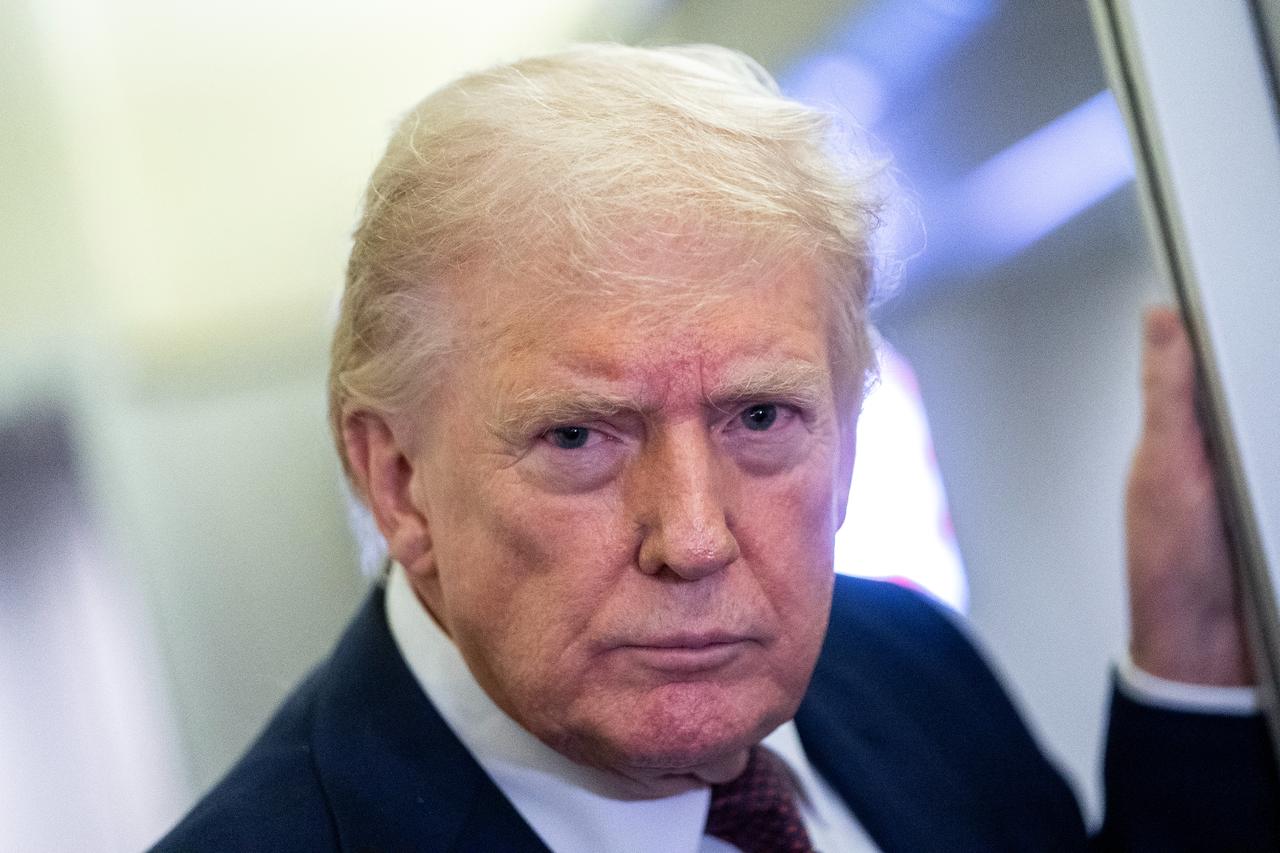


U.S. President Donald Trump stated on Sunday that he is demanding seven countries send forces to help police the Strait of Hormuz, warned allies he "will remember" if they fail to act, and claimed Iran's military has been "decimated."
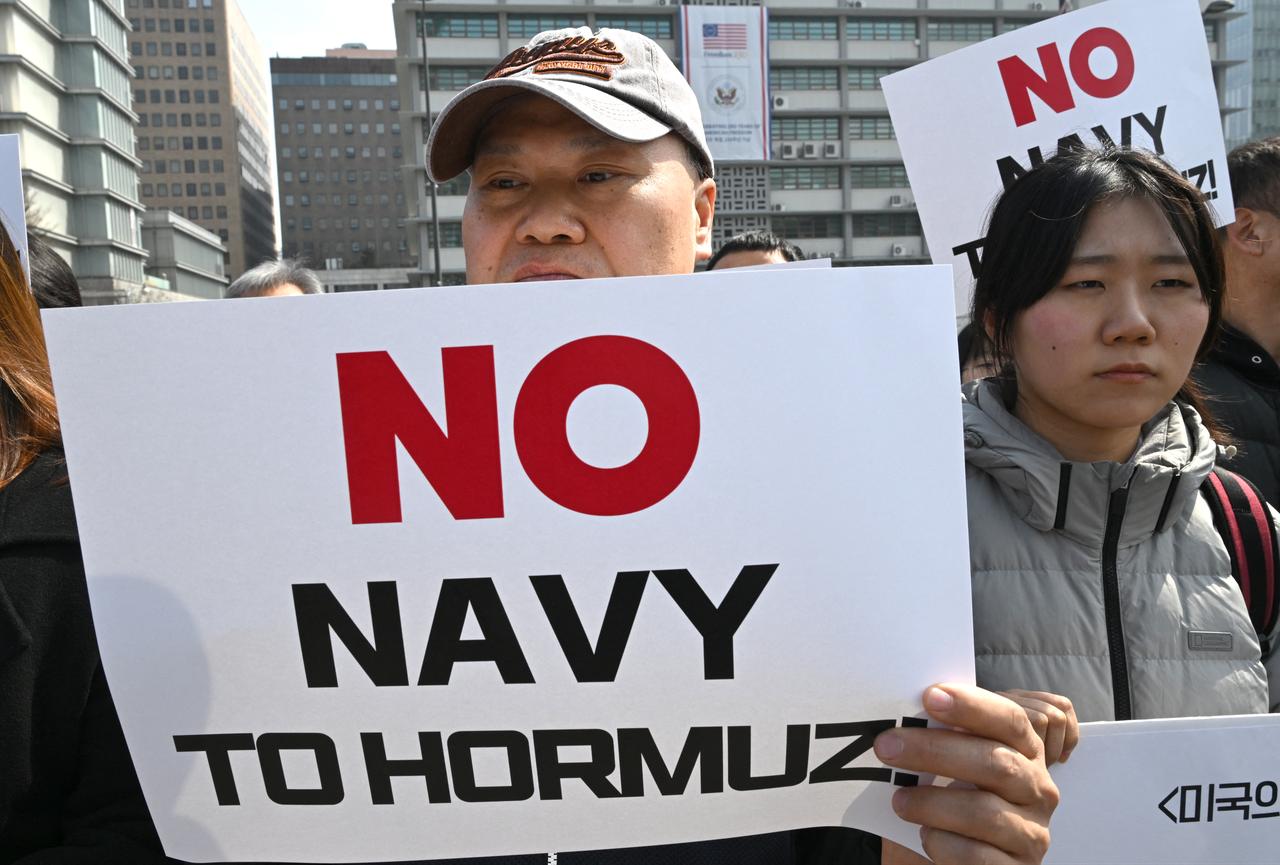
Australia and Japan already ruled out sending naval vessels, as Iran's Islamic Revolutionary Guard Corps (IRGC) challenged Trump to send ships into the Persian Gulf "if he dares."

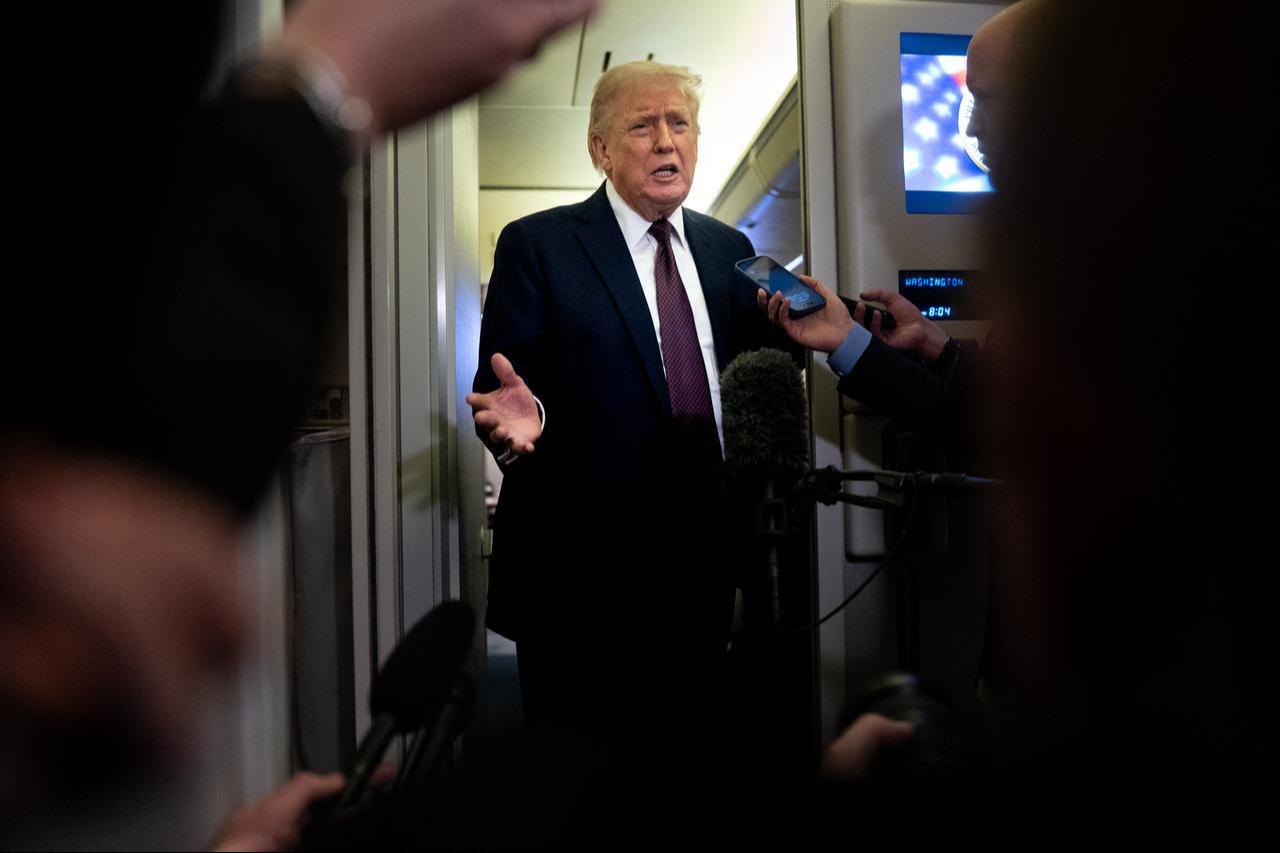
Speaking to reporters aboard Air Force One, Trump escalated his language on allied participation in securing the Strait of Hormuz.
"I really am demanding these countries come in and protect their own territory — because it is their territory, it's the place from which they get their energy and they should help us protect it," he stated.
Trump said his administration has spoken to "about seven" countries but declined to name them.
He added some have responded positively while "a few would rather not get involved." He told allies he "will remember" if they do not help.
He said some countries have minesweepers and "a certain type of boat that could help us," and called the mission "a very small endeavour" given Iran's degraded military capacity.
On China, Trump said, "They get most of their oil, about 90% from the strait. So I said 'Would you like to come in?' And we'll find out. Maybe they will, maybe they won't." He declined to say which way Beijing was leaning.
The Wall Street Journal (WSJ) reported, citing unnamed U.S. officials, that the Trump administration plans to announce as early as this week that multiple countries have agreed to form a coalition to escort ships through the strait, though discussions are ongoing over whether those operations would begin before or after hostilities end.
Australia's Transport Minister Catherine King said Monday that her country will not send naval forces to the Strait of Hormuz.
"We won't be sending a ship to the Strait of Hormuz," King told ABC Radio National, adding that she was not aware of any U.S. request for Australian naval support, saying, "It's something we're not contributing to, I'm not aware of whether there's an ask."
She noted that Australia would send aircraft to the United Arab Emirates (UAE) for defensive support only.
"Well, we've been very clear about what our contribution is in relation to requests, and so far, that is to the UAE – obviously providing aircraft to assist with defense, particularly given the number of Australians that are in that area in particular," she noted.
"We have a range of defense measures in place in Australia itself, and they're matters for the Defense Minister and for the Foreign Affairs Minister, not me as Transport Minister, but I'm informed that we're not intending to send ships to the Strait of Hormuz. We're well prepared here in this country to weather the economic crisis that is occurring as a result of the Middle East, but we're not planning to send a ship," King stated.
Japan's Defense Minister Koizumi Shinjiro also stated that the government currently has no plans to dispatch Japan's Self-Defense Forces (JSDF) to the Middle East.
Prime Minister Sanae Takaichi noted that she could not answer a hypothetical question about whether Japan would send ships, as no formal U.S. request had yet been received, but that the matter was being worked on.
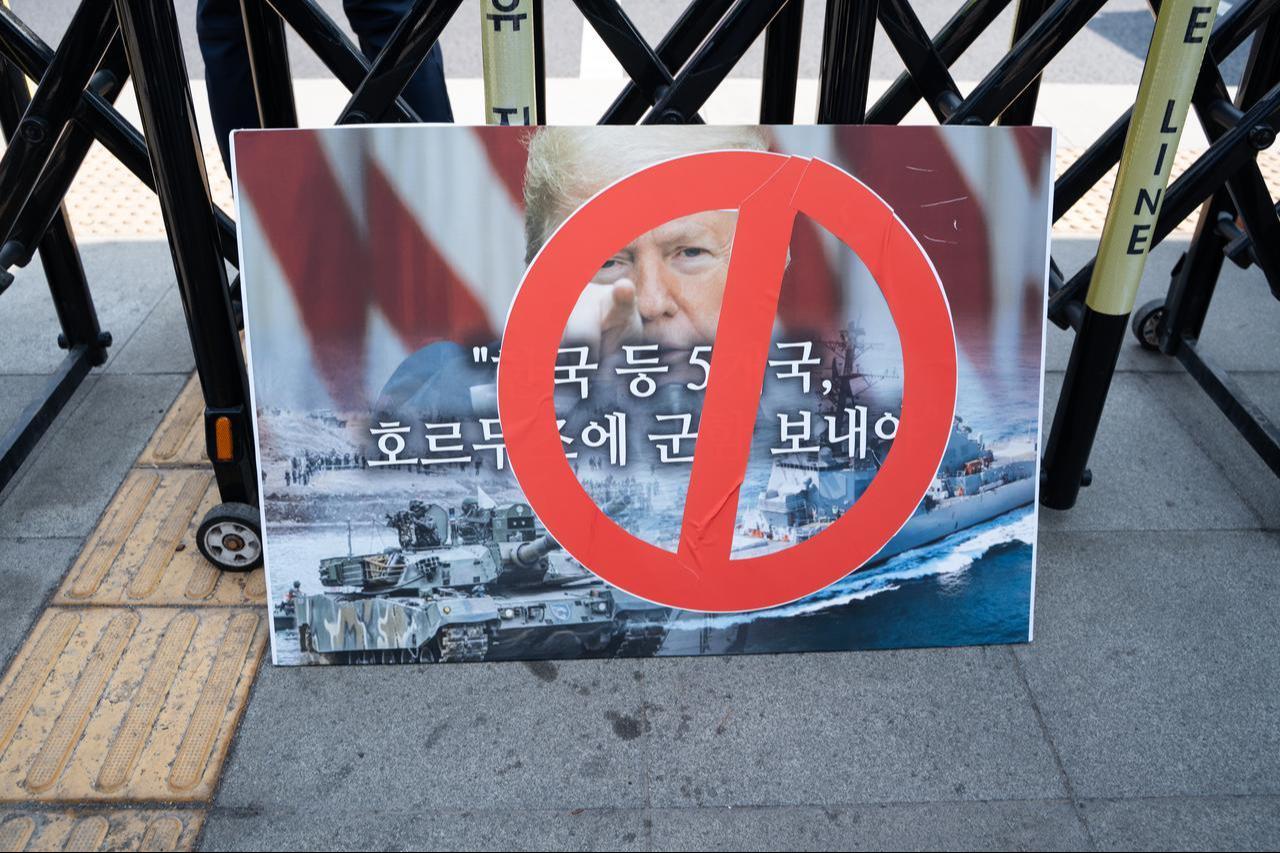
IRGC spokesman Brig. Gen. Ali Mohammad Naini dismissed Trump's claims of naval destruction, saying, "The Strait of Hormuz is completely under the management of the IRGC Navy and Iran has complete sovereignty. Doesn't Trump say that he destroyed the Iranian Navy? So if he dares, he can send his ships into the Persian Gulf region."
Naini claimed that Iran has so far launched around 700 missiles and 3,600 drones at U.S. and Israeli targets.
He said the war will end when "the enemy" recognizes the strength of Iran's military and social deterrence, adding: "We seek to punish the aggressor and continue our heavy and destructive attacks on the enemy."
Iranian Foreign Minister Abbas Araghchi separately told CBS's Face the Nation: "We have never asked for a ceasefire, and we have never asked even for negotiations. We are ready to defend ourselves for as long as it takes."
"It's not a war of survival. We are stable and strong enough. We don't see any reason why we should talk with Americans, because we were talking with them when they decided to attack us, and that was for the second time," he added.
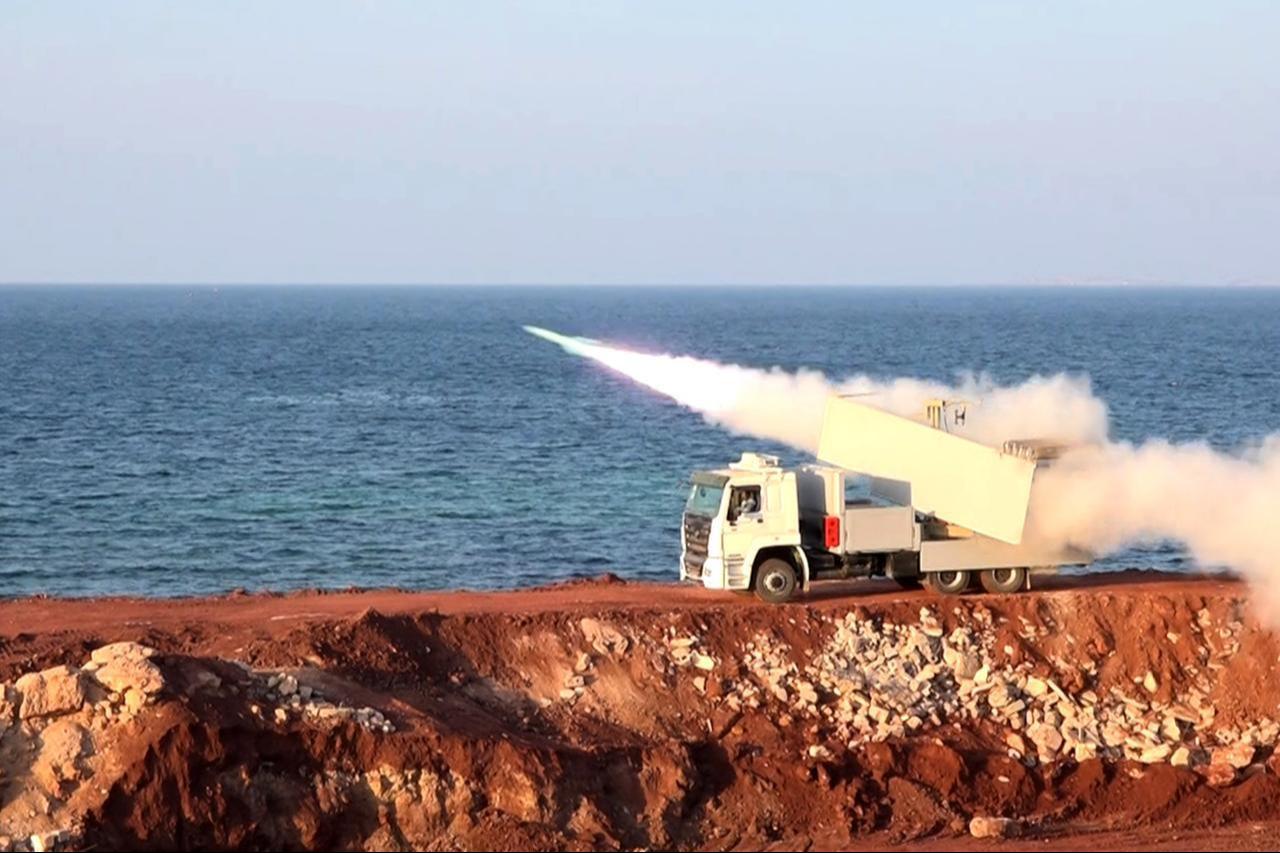
Trump said U.S. operations have "taken out" Iran's air force and air defense systems, leaving the country with "no air defense whatsoever," and argued Iran's missile and drone capabilities have been sharply reduced.
"If we left right now, it would take them 10 years or more to rebuild. But I'm still not declaring it over," he said.
He added that the U.S. and Israel have "similar objectives" and that their militaries are "very well coordinated."
Trump noted that he is "talking to" Iran but expressed doubt that Tehran is ready for serious negotiations.
He repeated his assertion that Iran wants a deal, saying "we're talking to them but I don't think they're ready, but they're getting pretty close."
He also said oil prices "are going to come tumbling down as soon as it's over, and it's going to be over pretty quickly."
U.S. Energy Secretary Chris Wright told ABC's This Week, "This conflict will certainly come to the end in the next few weeks, could be sooner than that."
Trump also claimed that a video on social media showing 250,000 people cheering for new Supreme Leader Mojtaba Khamenei in a square was "AI-generated" and "never took place," and alleged that reports about "kamikaze boats" and strikes on the USS Abraham Lincoln were also AI-generated, without providing evidence.
Prior to the war, around 20 million barrels of oil passed through the Strait of Hormuz daily. Crude prices were hovering around $100 a barrel as of Sunday, up approximately 45% since the start of the war.


 Set as preferred source
 Set as preferred source


 2 min read

 1 min read