Newsletters


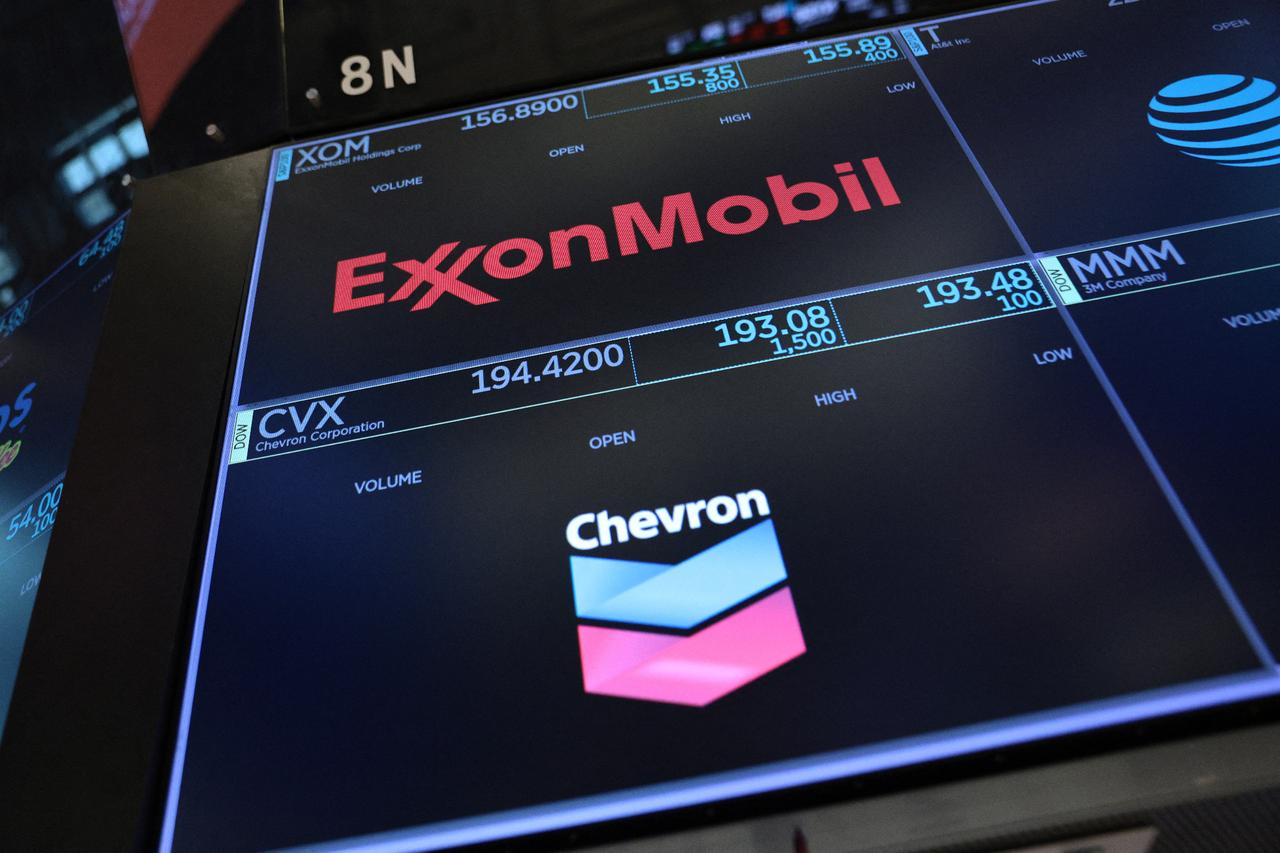


U.S. oil giants ExxonMobil and Chevron reported more than doubling their quarterly profits Friday as supply disruptions linked to conflicts involving Iran and Russia drove up fuel prices and refining margins, prompting companies to expand production and revive shuttered facilities.
The surge comes as U.S. gasoline prices remain above the politically sensitive $4-per-gallon mark, while diesel prices hover near record highs of more than $6 per gallon, increasing pressure on President Donald Trump's administration to ease costs for consumers.
ExxonMobil reported third-quarter profits of $15.4 billion, up from $7.5 billion a year earlier, while Chevron's earnings jumped to $9.9 billion from $3.5 billion.
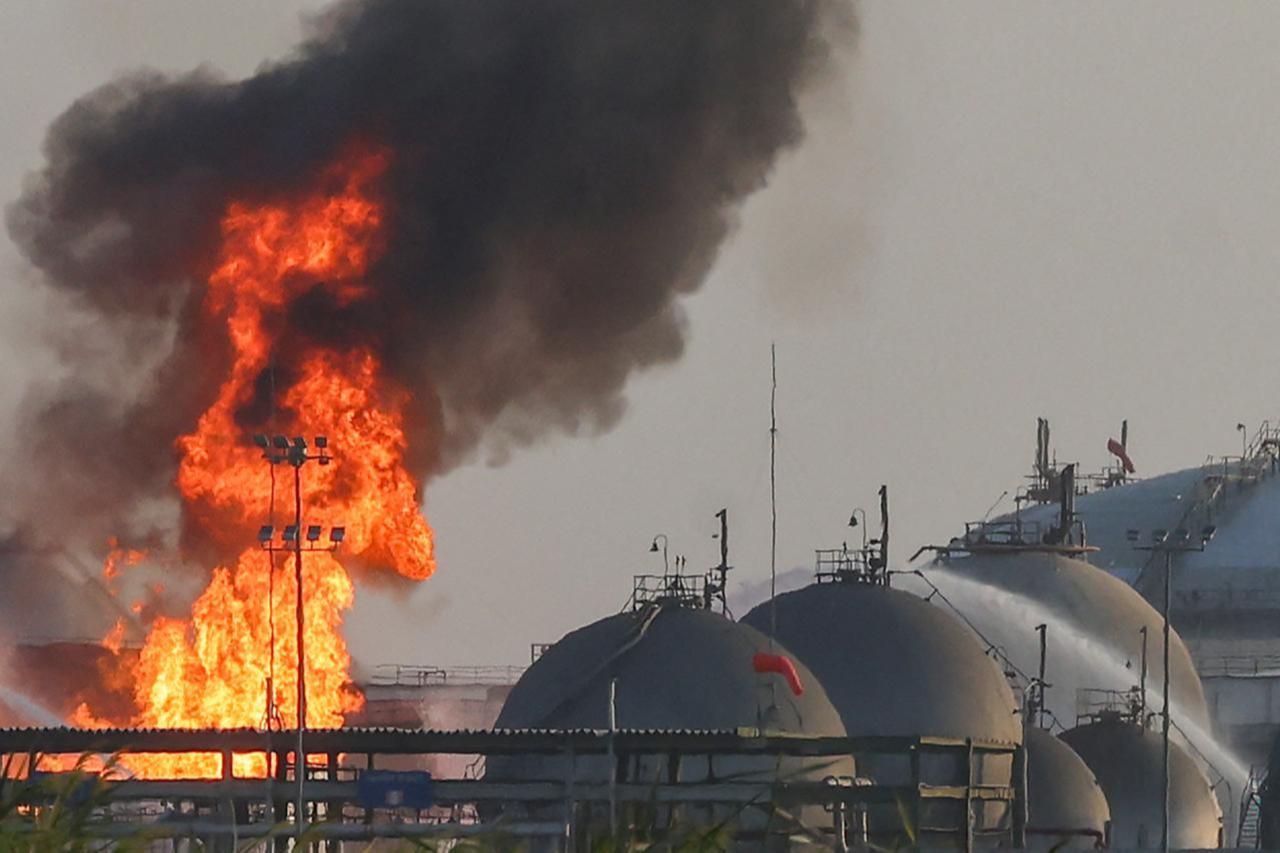
The companies also reported record refinery activity as they sought to offset global fuel shortages caused by disruptions to Middle Eastern supplies, Ukrainian attacks on Russian refineries and reduced output from Asian producers.
ExxonMobil Chief Executive Darren Woods said the company achieved "record fuels utilization" outside the Middle East, including 100% crude utilization at its U.S. Gulf Coast refineries.
"In the third quarter, we continued to rise to the challenge of meeting global energy needs," Woods said in a statement.

Despite increased production, executives warned that global refining capacity remained severely constrained and that restoring normal fuel supplies could take considerable time.
Speaking on an earnings conference call, Woods said a "lot of variables" were contributing to shortages of diesel and other refined petroleum products.
He pointed to disruptions in Middle Eastern and Russian refining capacity, including damage from Ukrainian drone attacks, alongside declining refined fuel output in China.
"My guess would be it will take certainly well through to next year before we see things getting back closer to normal," he said. "But it could be longer than that."
Chevron also reported record refinery throughput during the quarter as it sought to increase fuel supplies.
"We're reinvesting to bring more energy to a supply-constrained market," Chevron Chief Executive Mike Wirth said.
Chevron Vice Chairman Mark Nelson estimated that approximately 10% of the world's refining capacity remained offline.
"I would expect margins to eventually moderate as refinery runs recover and export flows increase," Nelson said during an earnings call. "But that will take some time."
The supply shortages and sharp fuel price increases have also triggered protests in parts of Asia, Latin America and Europe.
The global refining shortage has been aggravated by Ukrainian attacks on Russian oil facilities and Iran's restrictions on shipping through the Strait of Hormuz, which have disrupted crude supplies to Asian refineries.
Russia accounted for 6.5% of global refining capacity in 2025, according to consultancy KPMG.
The International Energy Agency (IEA) reported in September that only five Russian refineries remained unaffected by Ukrainian drone attacks launched since Russia's invasion of Ukraine in 2022.
Russian refining output, normally around 6.5 million barrels per day across 32 facilities, had fallen to approximately 3.8 million barrels per day, its lowest level in two decades, the IEA said.
Energy consultancy Rystad Energy warned in an Oct. 21 report that Russia could become a net importer of gasoline and diesel by 2027 if disruptions persist.
Russian Deputy Prime Minister Alexander Novak, who oversees energy issues, said Friday that Ukraine had resumed attacks on Russian energy facilities, striking three oil refineries and a gas-chemical complex.
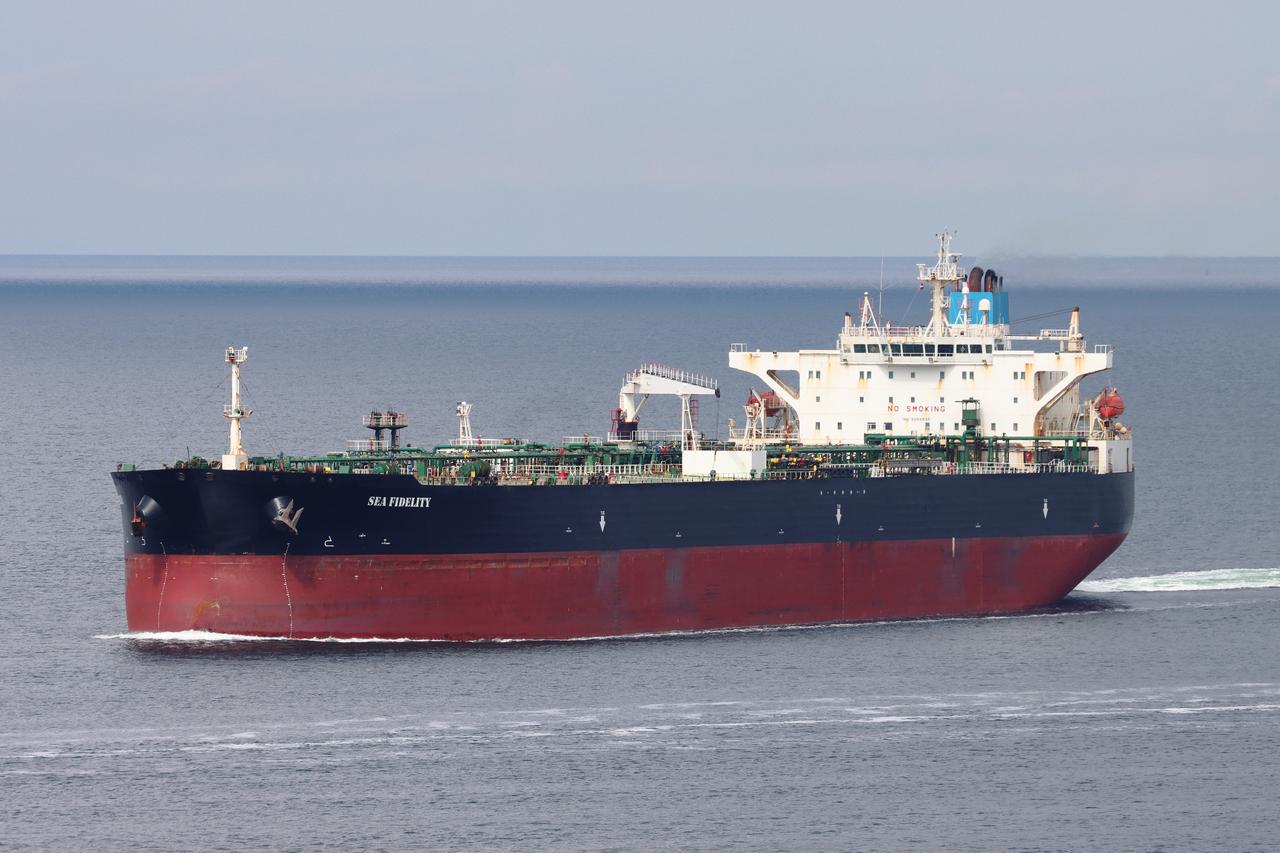
Meanwhile, restrictions on shipments through the Strait of Hormuz have kept significant volumes of crude oil off the global market, further complicating efforts by refiners to increase production.
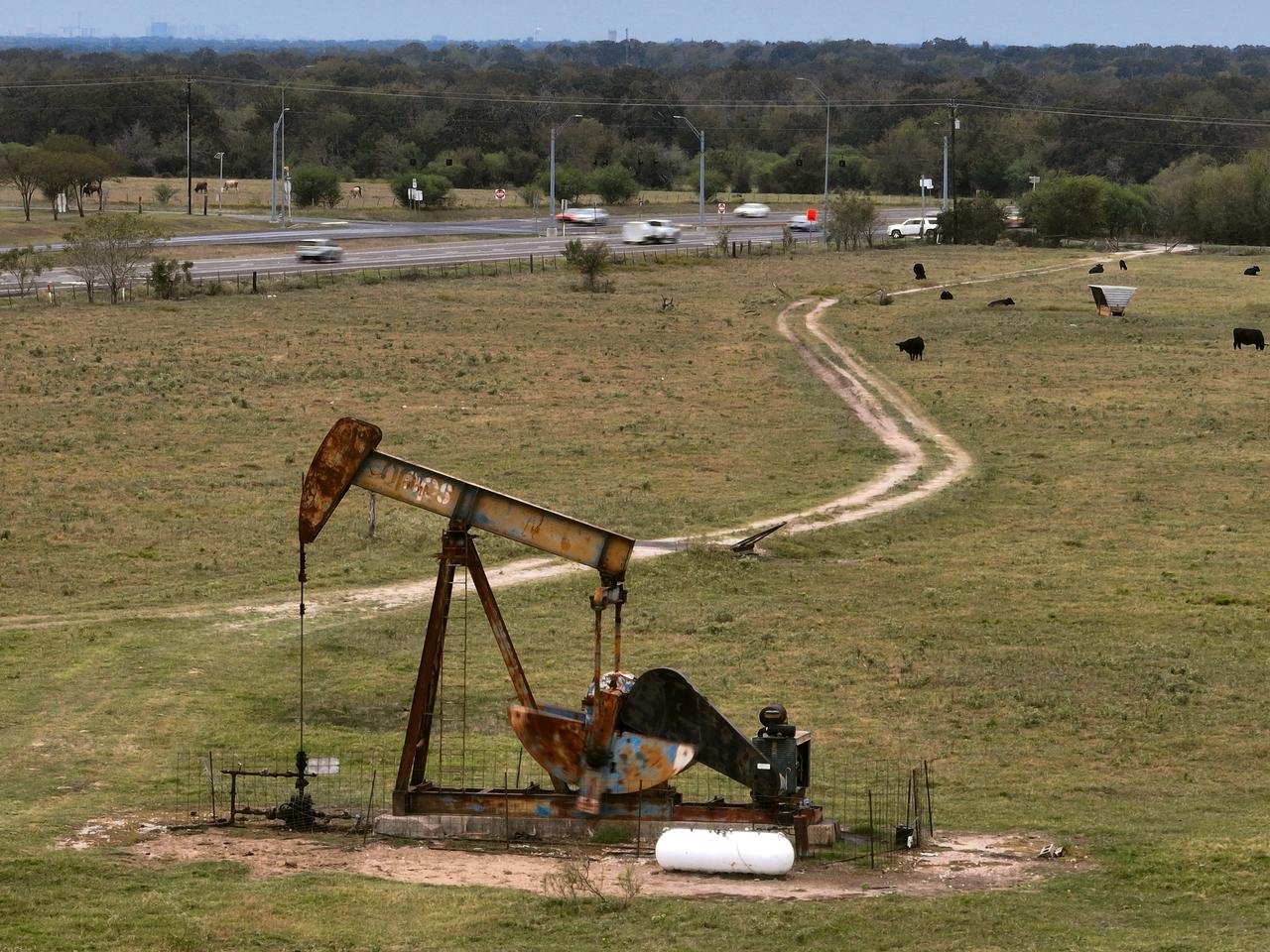
The rising cost of gasoline and diesel has become a political challenge for Trump, whose administration has urged energy companies to take measures to ease pressure on American consumers.
U.S. refiners have responded by increasing production, investing in existing facilities and pursuing the reopening of idle plants.
ExxonMobil said it had invested approximately $17 billion in refining operations to expand capacity, including upgrades to its Beaumont refinery in Texas and ongoing work at its Baytown facility.
The investments are expected to add 100,000 barrels per day of distillate production capacity, Woods said.
Separately, U.S. refiner Valero Energy announced Friday that it had agreed to acquire a shuttered refinery in Houston from LyondellBasell for $320.5 million.
Valero plans to begin restarting the facility by the end of 2027, potentially bringing additional refining capacity back into operation.
"This acquisition is a unique opportunity to strategically expand Valero's US Gulf Coast footprint at a fraction of replacement value and enhance the long-term strength of our refining system," Valero Chief Executive Lane Riggs said.


 Set as preferred source
 Set as preferred source


 1 min read
 1 min read