

 Newsletters


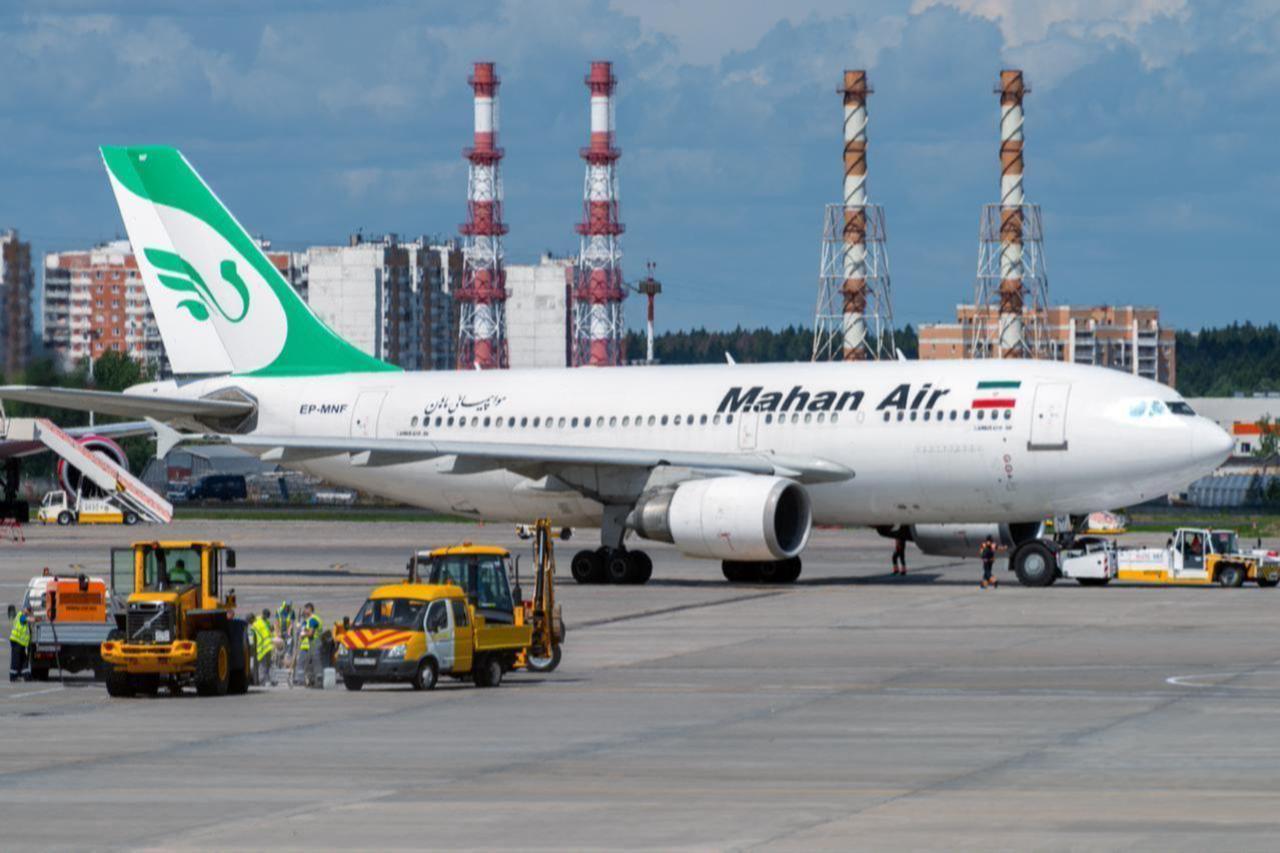


The United States on Wednesday sanctioned an Istanbul-based aviation company that it says provides ground services to Iranian airlines Washington has already blacklisted. The Treasury Department said the carriers “continue to fly to Türkiye.”
The Treasury Department’s Office of Foreign Assets Control (OFAC) designated Fugo Ground Services Inc, also known as Fugo Aviation, for operating in the aviation sector of the Iranian economy. The company is registered in Istanbul’s Besiktas district and was established in November 2019.
Treasury said Fugo has direct service agreements with six Iranian airlines the US has sanctioned: Iran Air Tour, Saha Airlines, Sepehran Airlines, Varesh Airlines, Taban Airlines and Ata Airlines Company. It began serving several of them in the weeks after they were designated on Sept. 8.
The action is part of what Treasury calls Operation Economic Outcast, a campaign aimed at cutting Iran off from the global economy. Treasury Secretary Scott Bessent has described its launch as an “Economic D-Day.”
Treasury and the State Department said Iran uses ostensibly commercial airlines, many controlled by the government and the military, to move fighters, ship weapons and sensitive technology, and carry gold and cash to allied armed groups. Treasury had warned that foreign firms helping sanctioned Iranian carriers, including through aircraft transfers, cargo services or general sales agent support, would face serious consequences.
“You are either with us or against us,” Bessent said. “We know where you are, and we will sanction those who continue supporting the Iranian regime, whether by land, sea, or air.”
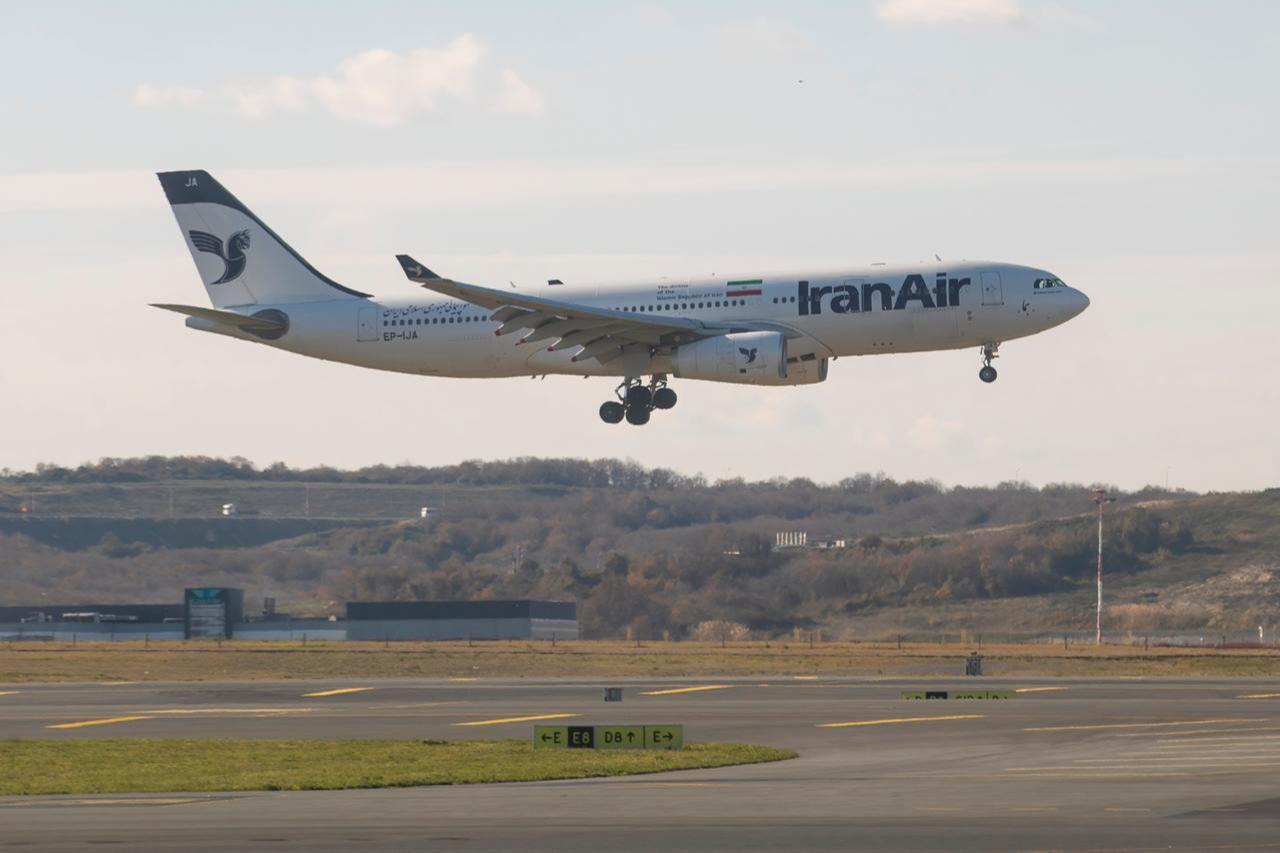

The designation follows weeks of uneven steps by Türkiye’s aviation sector after Washington moved against Iran’s airlines in September.
Turkish Airlines, its low-cost arm AJet and Pegasus canceled all flights to and from Iran starting Sept. 21, with booking systems showing no Iran service through March 2027. Turkish Airlines told Iran International that its Iran flights were suspended until at least March 2027, though it gave no reason.
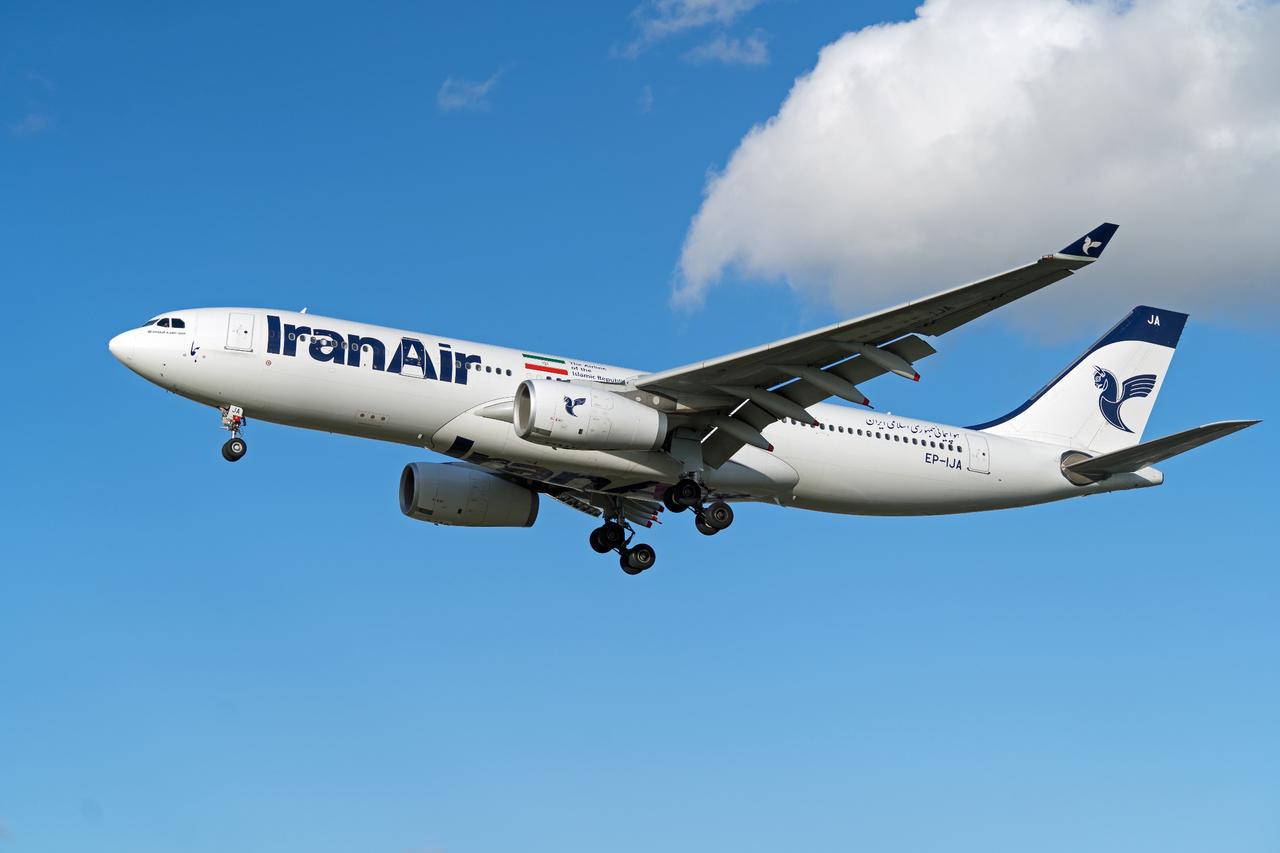
Mahan Air, Iran’s largest privately held airline, was also made to halt flights to Türkiye. Türkiye Today said Turkish authorities ordered the suspension over concerns about US sanctions exposure. The Turkish government has not been shown to have cut all aviation ties with Iran. IranAir said on Sept. 22 that its Istanbul flights would continue because it had received no official suspension order.
Treasury has also targeted other Türkiye-based businesses this autumn. Earlier in September it designated three Türkiye-registered companies for supporting Mahan Air: MES Cargo Transportation Tourism and Foreign Trade Limited Company, S Sistem Logistics Services Joint Stock Company, and Sky Phoenix Airways Transportation Trading Company Limited.
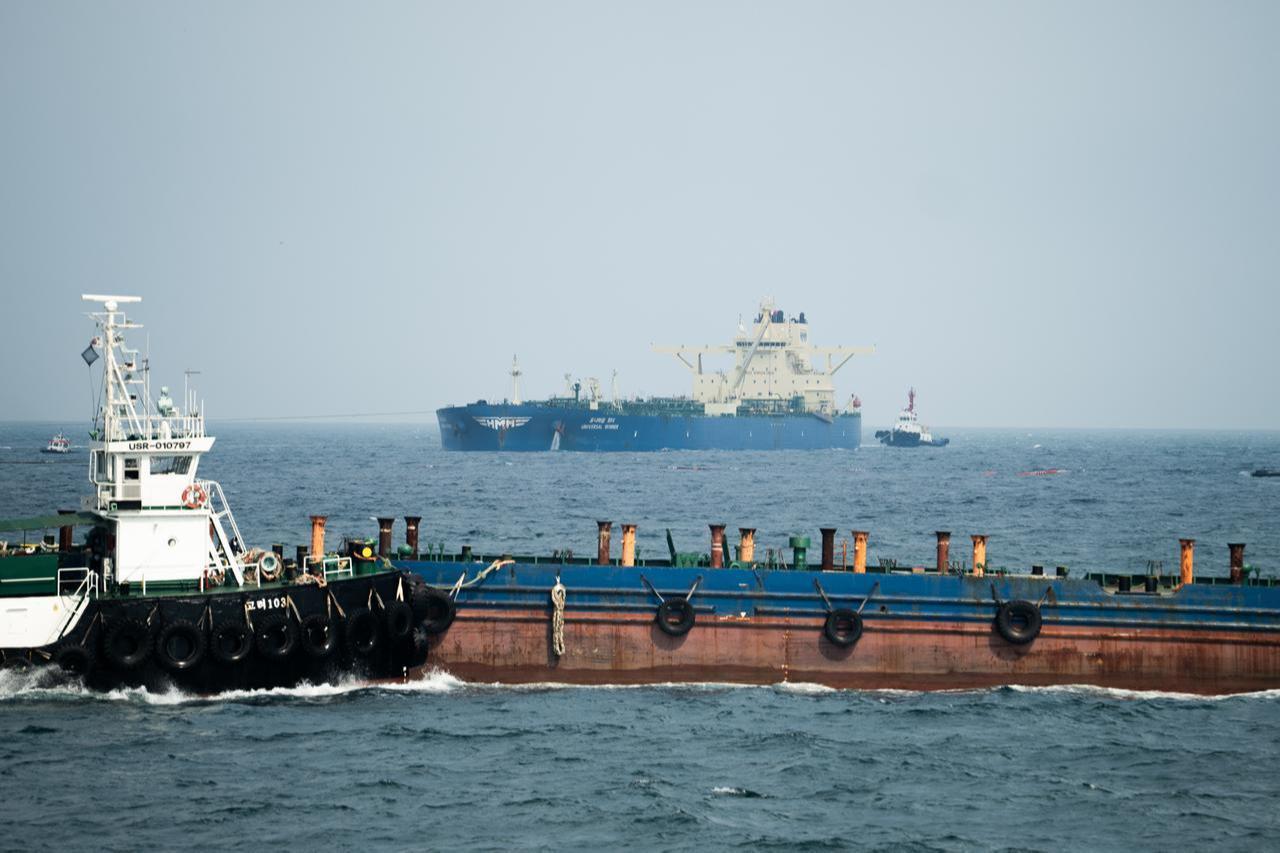
Fugo was one of several targets in Wednesday’s announcement. Treasury also designated 13 people and companies it accused of running a global network of fraudulent ship registries that helps Iran’s so-called shadow fleet of oil tankers evade sanctions.
According to Treasury, the network was led by Suniel Kumar Sharma, an India-based man, and his wife, Jaspreet Preeti Shahid, of Chandigarh. They have run fake flag registries since as early as 2014, when they tried to pass off a registry as that of Dominica, Treasury said. In 2023, Sharma set up the Singapore-based Eswatini Maritime Affairs and International Ship Registry PTE. Ltd.
The registries purported to represent Guyana, Eswatini, Aruba, Mali, Mozambique, Malawi, Sint Maarten, Timor-Leste, Nicaragua and Laos. Most of those governments have publicly disavowed them.
The designated entities include Oceaniek Technologies India, which Sharma owns, and Aryavart Ship Management Private Limited, along with its directors Ashwani Kumar Dhiman and Ishwinder Singh. Others are Precept Trends, Polynesia Maritime, Alexarya Finserv, Alexarya Media and Entertainment, Viharaboating, and Aryavart Maritime and Educational Trust.
Every commercial ship must fly the flag of a country, which is responsible for its safety and regulatory oversight. Tankers that carry sanctioned Iranian oil often change or falsify their flags to hide their trade. Treasury said falsely flagged vessels have no valid protection and indemnity insurance. If one caused an accident, such as an oil spill or a collision, the damage could run to billions of dollars with no insurer to pay.
On April 22, the US Department of War seized the MAJESTIC X, formerly the PHONIX, a tanker falsely flagged to Guyana that was carrying Iranian oil. OFAC separately issued an alert, “Iranian Shadow Fleet Reliance on False Flags for Sanctions Evasion,” urging flag states, port authorities and the maritime industry to verify vessel registrations.
The designations block any US property of the targets and generally bar US persons from dealing with them. Foreign banks and companies that deal with designated parties risk being sanctioned themselves. OFAC also published updates to its sanctions list that added secondary-sanctions-risk language to existing entries, a change that did not add new targets.
The State Department said Washington would keep pressing the Iranian government’s revenue sources. Treasury said it would pursue “those who continue supporting the Iranian regime.”
In related actions, OFAC issued an updated Venezuela general license and amended an FAQ, and updated sanctions list tags for Mohammed Ali Tolibov and Vanguard Tactical Supply Limited.


 Set as preferred source
 Set as preferred source


 1 min read

 1 min read


