

 Newsletters


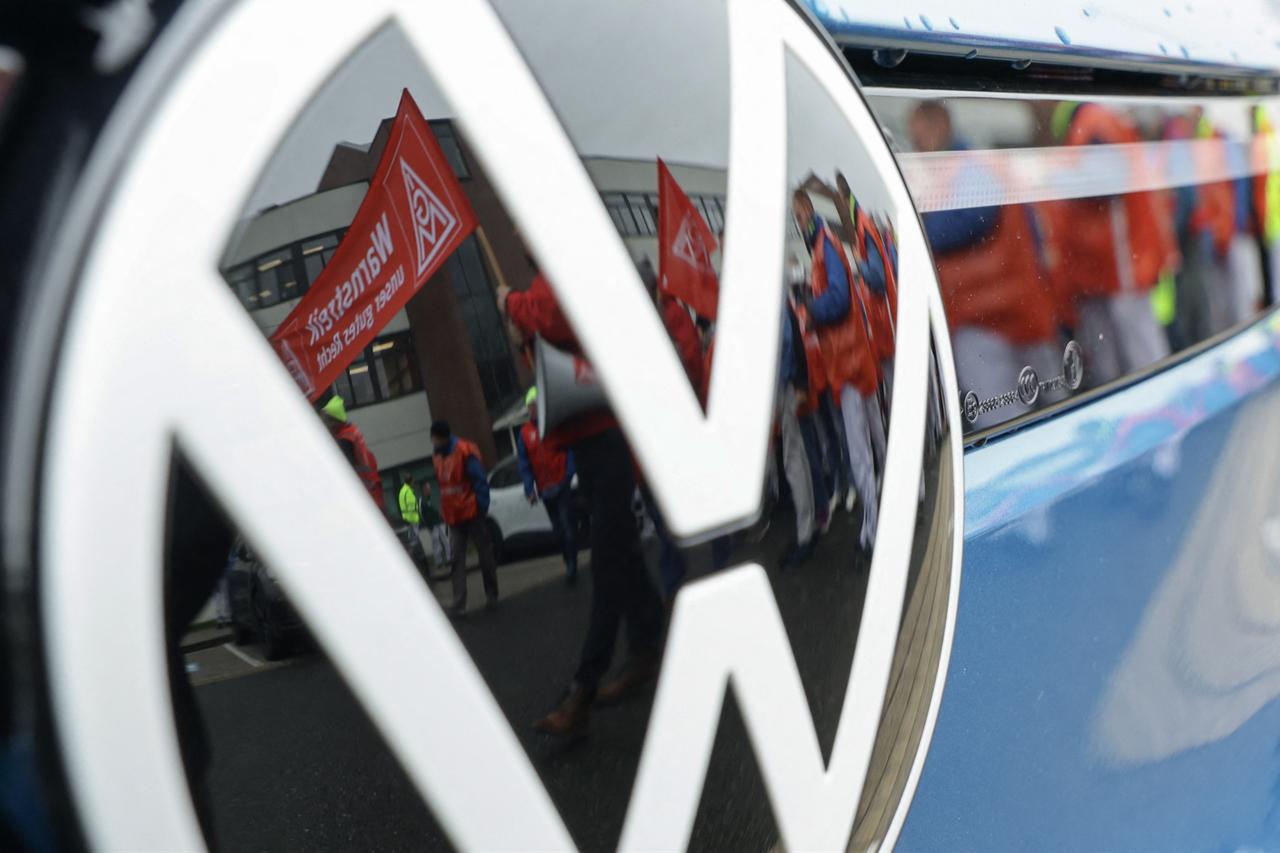


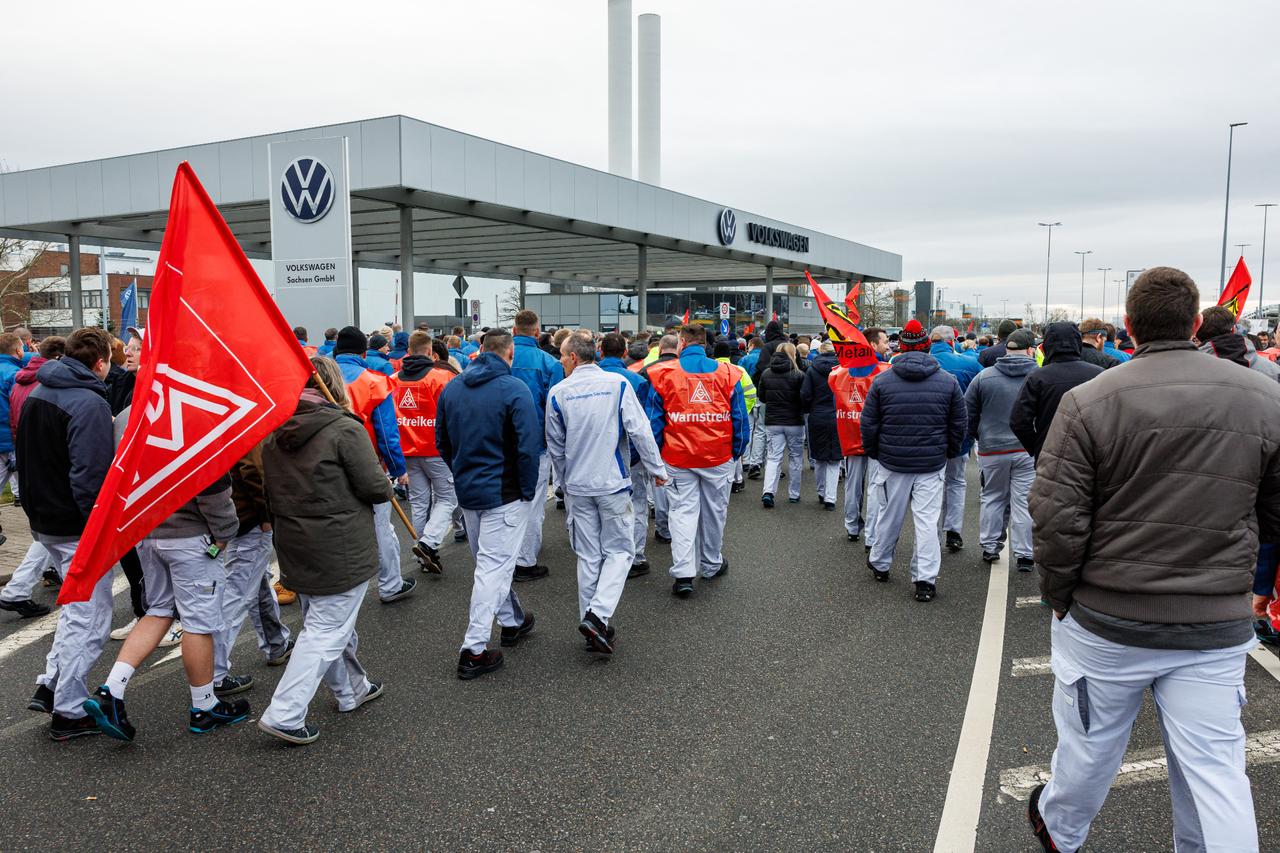
Volkswagen's leadership is gathering on Thursday to hammer out details for a potentially historic overhaul of the global automotive sector, while labor organizations prepare nationwide demonstrations to oppose any mass job cuts.
Europe's largest carmaker has faced intense pressure from U.S. tariffs, slimmer profit margins on electric vehicles, and fierce competition in China—the world's largest automotive market.
VW, whose portfolio of 10 brands ranges from mass-market SEATs to premium Porsches, is already in the process of axing 50,000 jobs in Germany by 2030, including 35,000 at its namesake brand. Those specific cuts were part of an agreement reached with unions at the end of 2024, which also protected German factories from closures until at least the end of the decade.
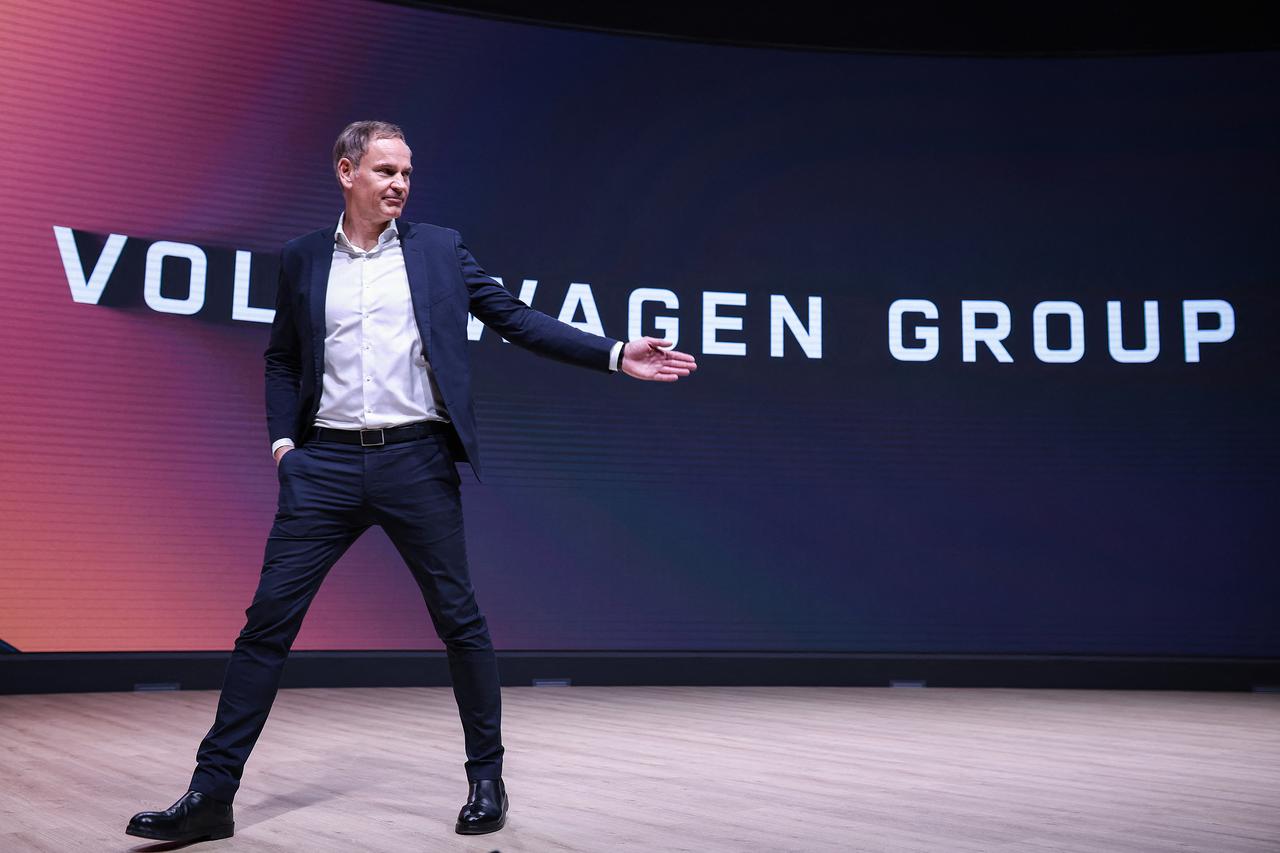
However, Chief Executive Officer Oliver Blume is now reportedly eyeing 100,000 global job cuts alongside the closure of three German VW plants and an Audi factory, according to weekly publication Manager Magazin, citing internal company sources.
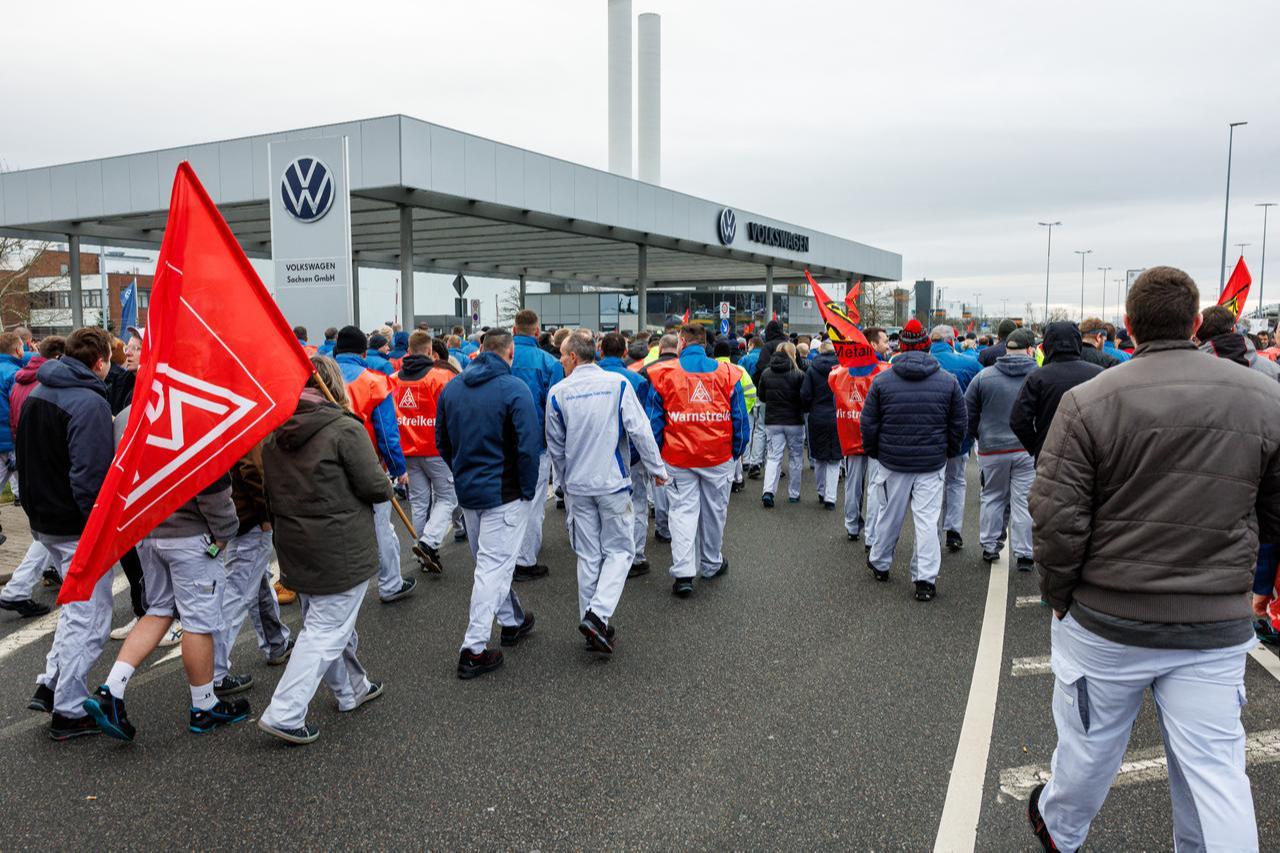
"If these plans came to fruition, we would stop them with all our might," warned Christiane Benner, head of the powerful IG Metall union, in a joint statement with VW works council chief Daniela Cavallo. IG Metall is organizing protests by VW workers outside factories across the country this Thursday as executives present the final restructuring plans to the supervisory board.

Ordinarily, the supervisory board's 20 members are split evenly between worker and shareholder representatives. However, the labor side currently holds a temporary majority following the recent resignation of Susanne Wiegand, the former head of the defense company Renk.
The 89-year-old automotive group also operates under a complex ownership model that complicates major restructurings. The state of Lower Saxony, which hosts VW's Wolfsburg headquarters alongside six production plants, maintains a substantial stake that grants it the statutory power to block key corporate decisions.
No major announcements are expected immediately following the conclusion of the meeting, which likely marks the beginning of a lengthy negotiation process, according to several sources close to the matter who spoke to Agence France-Presse (AFP). However, if the proposed plans are ultimately approved, they would result in a roughly 15% reduction in VW's global workforce of approximately 630,000 employees.
A reduction of this scale would eclipse all prior downsizings within the global automotive sector, notably surpassing Detroit-based General Motors' reduction of nearly 50,000 positions during its 2009 bankruptcy.
The broader German automotive market, including VW's domestic peers BMW and Mercedes-Benz alongside their primary part suppliers, has experienced severe headwinds in recent years, making strategic structural overhauls and labor reductions increasingly widespread across the region
While refusing to give details, a VW spokesman said the group needed to "improve its competitiveness" and apply "even more rigorous cost and investment discipline."
Blume has repeatedly said the situation is critical, telling shareholders earlier this year that the company needed to change or it would die.
"Our business model of past decades no longer works," he said in a March letter, citing "regional market conditions, changes in trade policy, massive regulatory requirements in the various regions of the world and our high-cost position, above all in Europe."
Higher U.S. tariffs on cars and auto parts introduced last year are expected to cost VW €5 billion ($5.7 billion) annually, with the situation particularly acute at Audi and Porsche, which have no U.S. factories.
VW is also being elbowed out of China, with years of declining sales amid stiff local competition last year leaving the firm's vehicle deliveries in the country at their lowest level since 2011.
"The cars that are being sold in China, some of them are the world's best," Tu Le, founder of Sino Auto Insights, said. "The fall for the German automakers has been really abrupt."
Blume has floated the possibility of VW's European plants making the company's Chinese-designed cars to use up spare capacity and also said that production for defense contractors could be an option.
"The Chinese are coming to Europe, also building factories which are highly efficient," he warned in April. "We cannot compete with underutilized plants."


 Set as preferred source
 Set as preferred source


 1 min read
 1 min read


