Newsletters




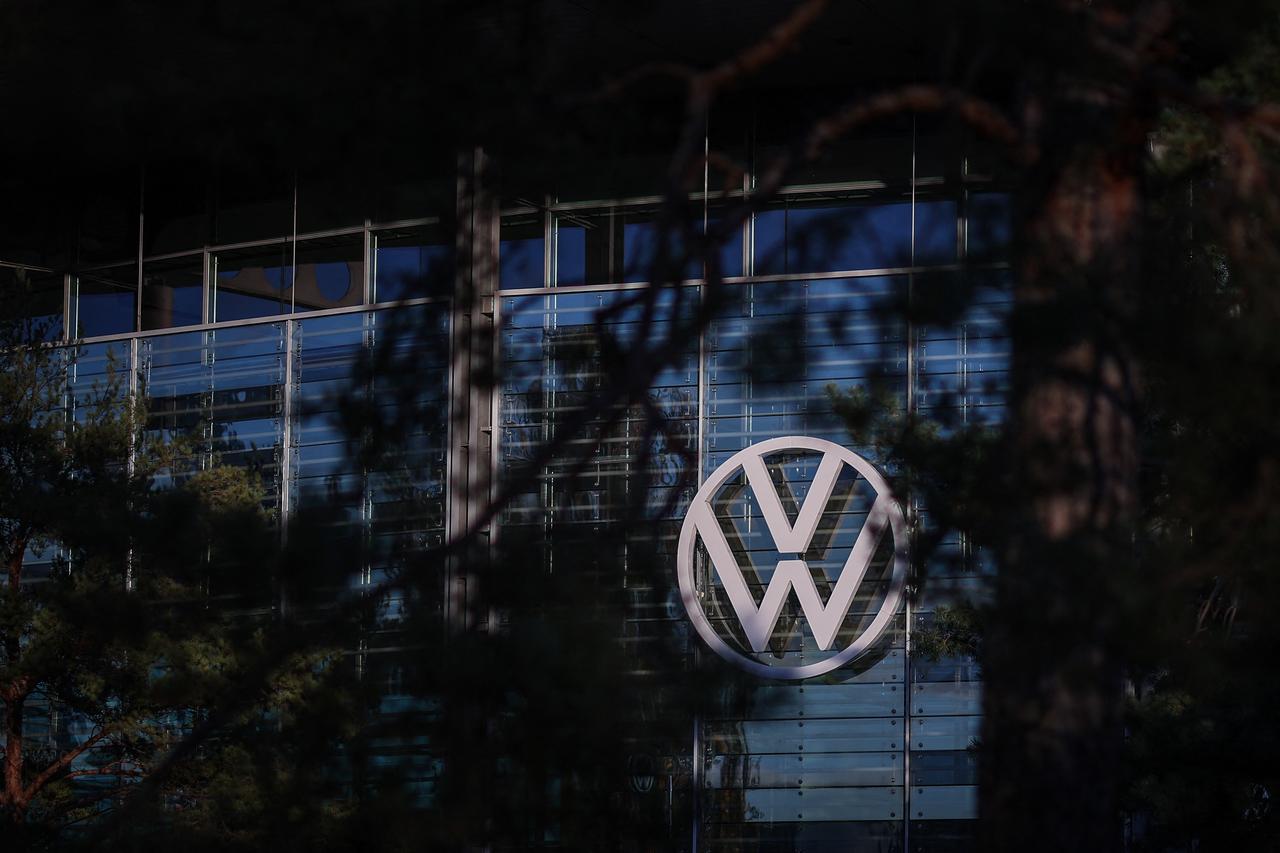
Volkswagen is considering cutting as many as 100,000 jobs and closing several German factories as part of a wider restructuring push to improve competitiveness, German business magazine Manager Magazin reported Friday.
The plan, presented by CEO Oliver Blume at a management board meeting earlier this week, would double staff reductions at Europe's largest automaker, the report said, citing people familiar with the matter.
Volkswagen is already planning to cut 50,000 jobs across its brands in Germany by 2030 as it struggles with high costs, U.S. tariffs and fierce Chinese competition in electric vehicles.
Volkswagen, which owns Porsche and Audi, employs about 657,000 people worldwide. The group had already announced plans to reduce its workforce by 50,000 by 2030, with about 28,000 employees agreeing to leave the company.
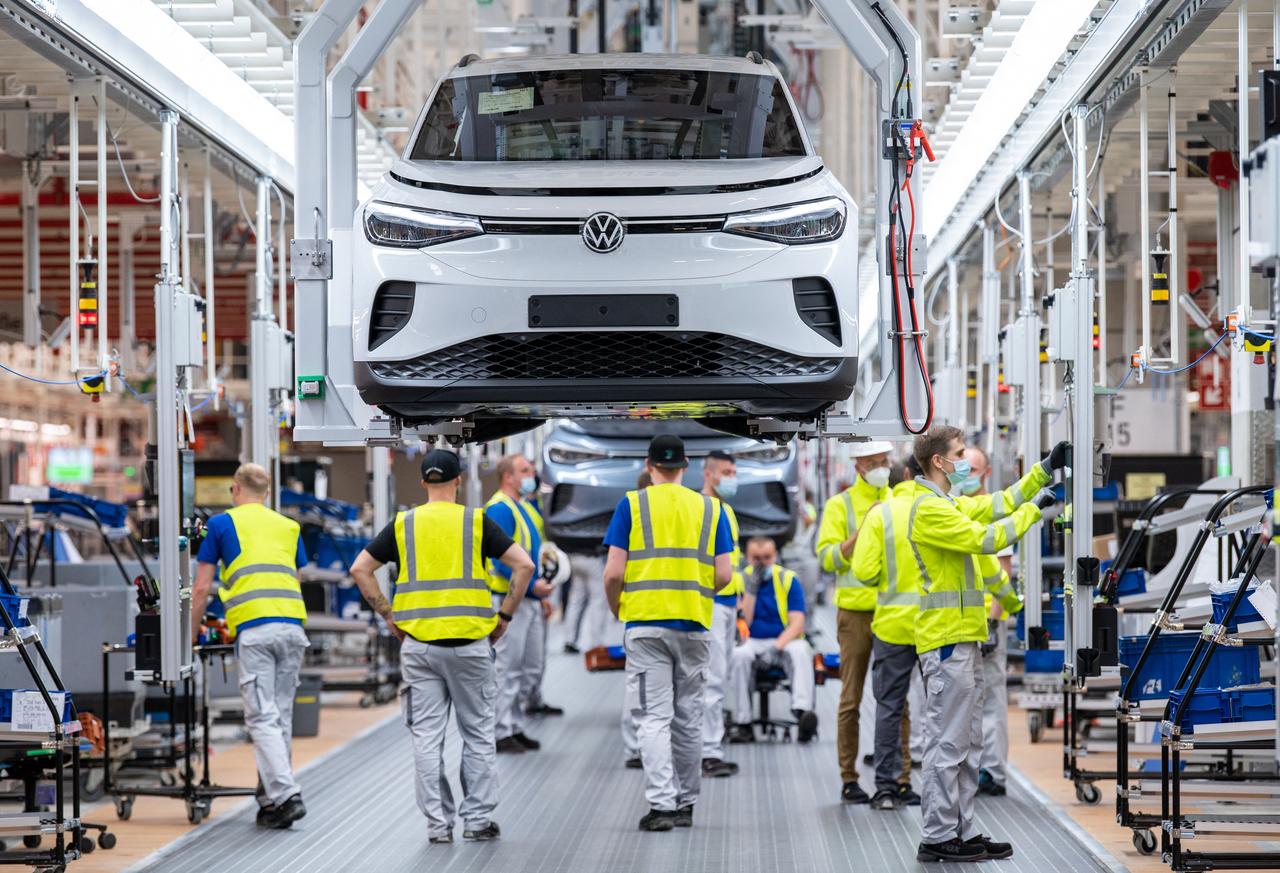

The latest proposals reportedly include cutting general overhead costs by €11 billion ($12.57 billion), or about $12.5 billion, by the end of the decade and closing four German sites in the medium term.
The plants mentioned in the report include Audi's Neckarsulm facility and Volkswagen sites in Hanover, Zwickau and Emden.
Blume is also considering separating component plants from the core Volkswagen passenger car brand to make the group leaner, the report said.
Volkswagen declined to comment on the specific claims but said the company must undergo substantial change and that its executive board has been working on a long-term plan to realign the group.
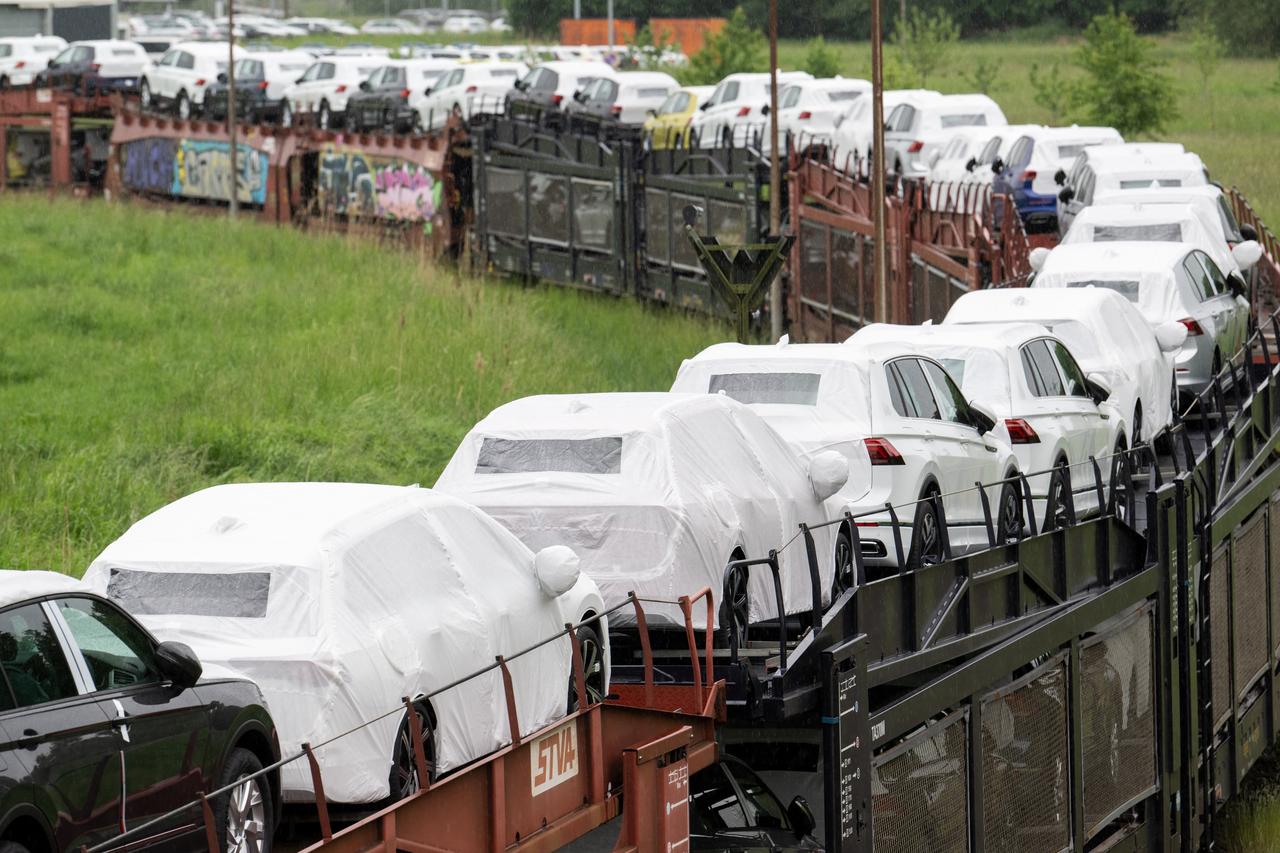
The push comes as Volkswagen faces U.S. tariffs, persistent weakness in China and intensifying competition in Europe from Chinese and European rivals, including BYD and Stellantis.
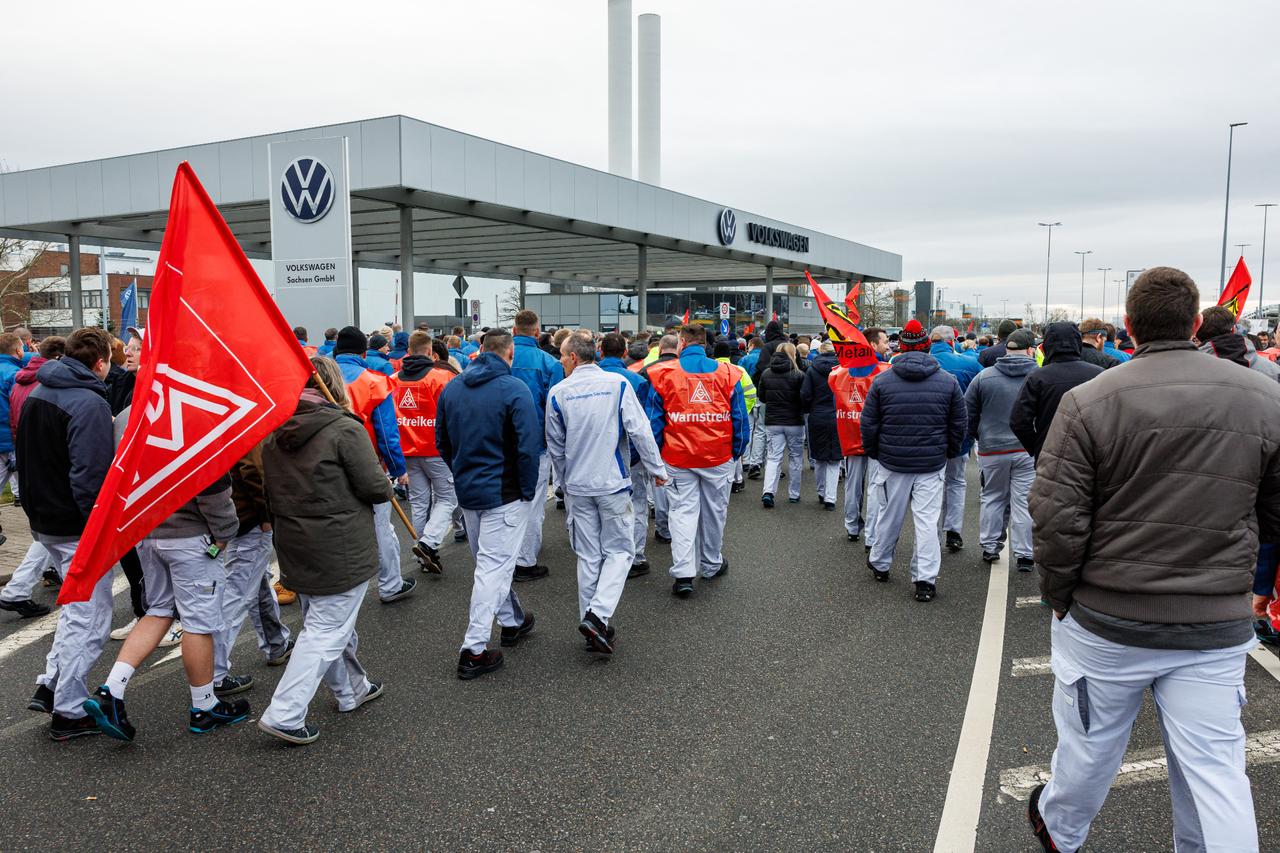
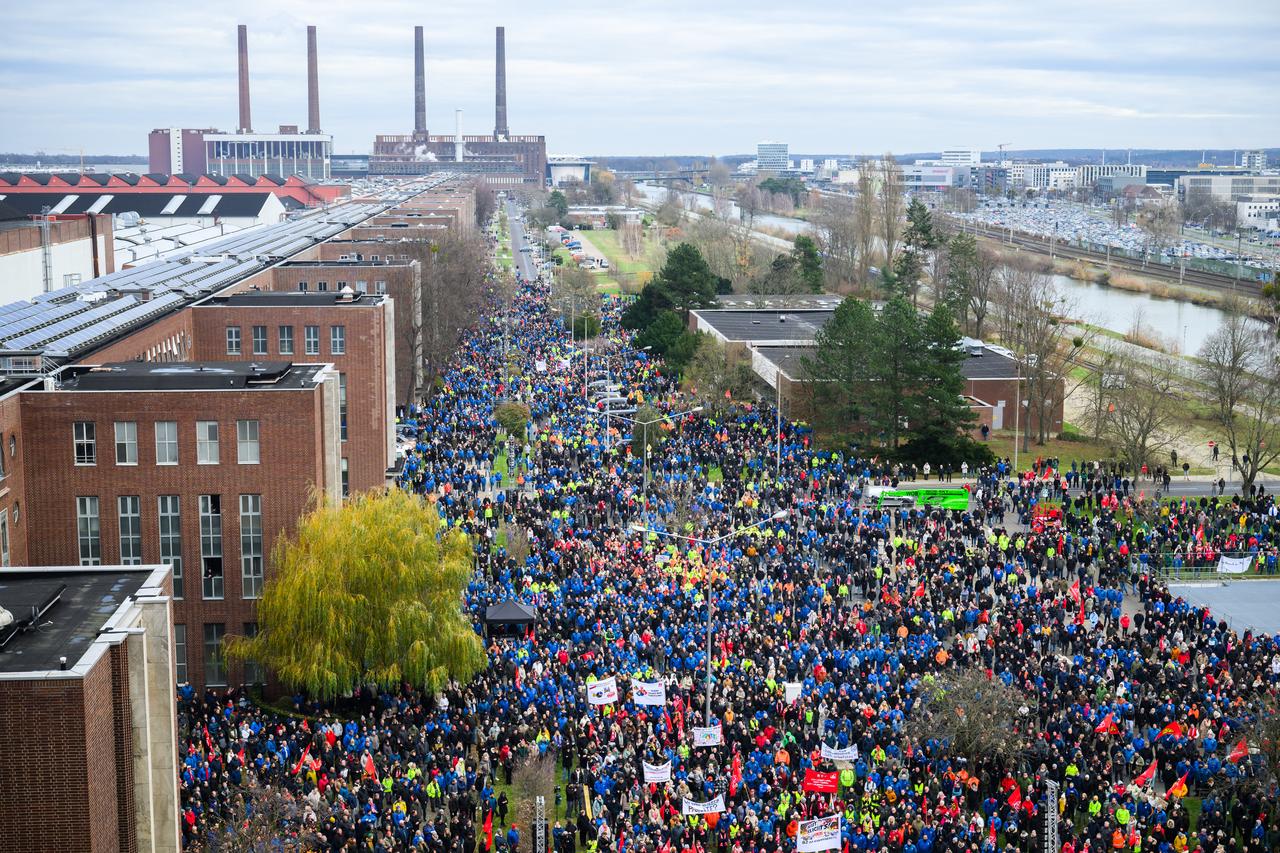
Labor representatives quickly opposed the reported plans.
Volkswagen's works council and the IG Metall union said such proposals would create uncertainty for employees and regions where the company operates, adding that they would resist any such move.
Restructuring at Volkswagen is politically sensitive. Worker representatives hold half the seats on the company's supervisory board, while the German state of Lower Saxony, which often sides with labor groups, holds two additional seats.
Volkswagen shares fell 0.1% in Frankfurt following the report. The stock remains down about 27.5% this year.
Under agreements with unions, compulsory layoffs are supposed to be ruled out at Volkswagen until 2030 and at Audi until 2033.
Volkswagen plant closures in Germany are also supposed to be off the table until at least the end of the decade under an agreement reached at the end of 2024.
The group is under intense pressure after years of declining sales in China and slimmer profit margins from electric cars, even before U.S. President Donald Trump raised tariffs last year.
Rival German automaker BMW, a premium brand that had weathered the industry downturn better than Volkswagen or Mercedes-Benz, cut its outlook for the year earlier this month, saying it expected a "significant" drop in profits because of the Middle East war and weakness in China.


 Set as preferred source
 Set as preferred source


 1 min read
 1 min read