Newsletters


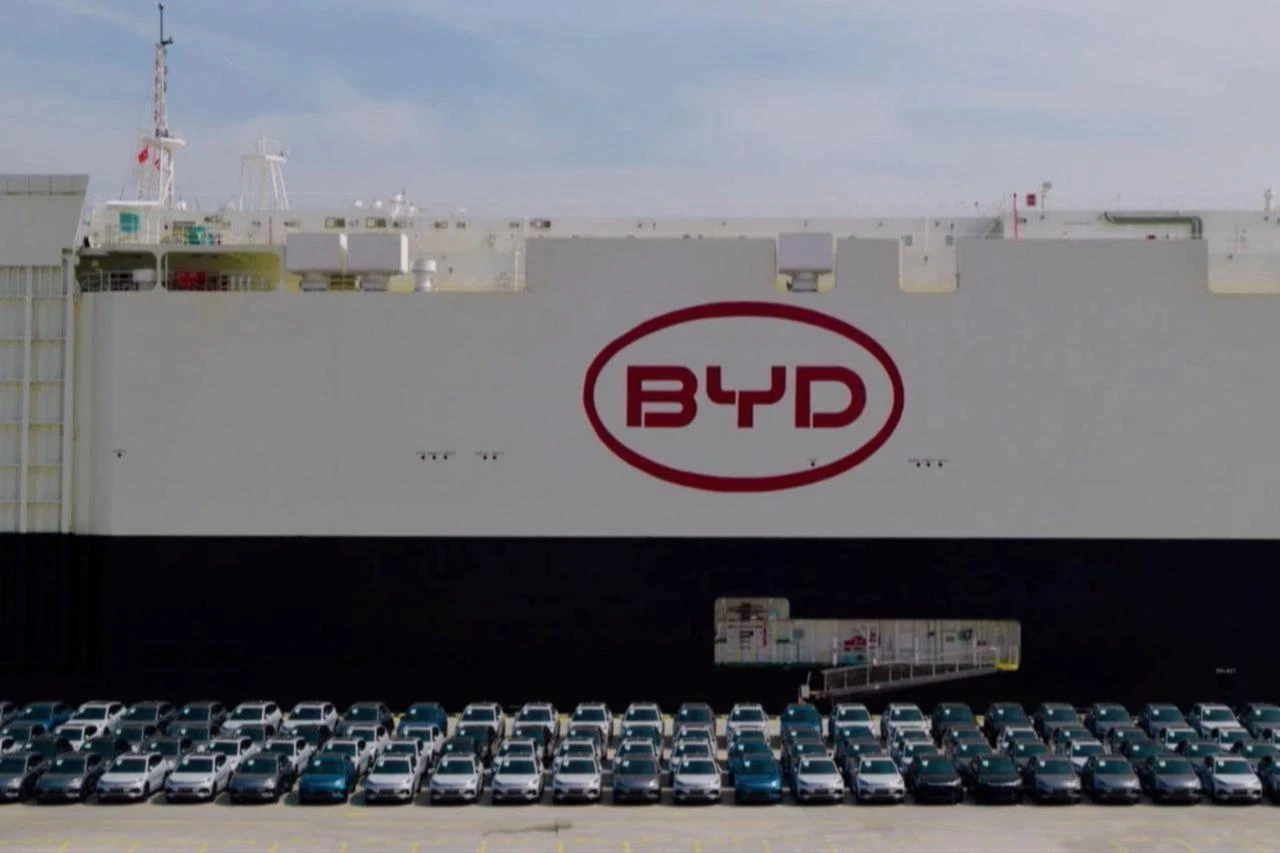


A World Trade Organization (WTO) dispute panel has found that parts of Türkiye's additional duties and import restrictions on Chinese electric vehicles violate global trade rules, coming as Türkiye and BYD remain at odds over incentives tied to the company's suspended $1 billion investment.
According to the panel's report released on Tuesday, Türkiye's additional duties on Chinese-made electric vehicles exceed the country's tariff commitments.
The panel also found that import permit requirements for electric and plug-in hybrid vehicles discriminate against Chinese imports by imposing after-sales service obligations not required for comparable domestic vehicles.
Türkiye introduced an additional 40% customs duty, on top of the existing 10% import tariff, on passenger vehicles imported from China in June 2024 to protect domestic manufacturers and encourage foreign automakers to invest in local production.
Less than a month later, Ankara amended the measure to exempt manufacturers investing in Türkiye from the additional levy, provided they obtained an investment incentive certificate.
China filed a complaint with the WTO in October 2024, arguing that tying tariff exemptions to local investment, together with the import permit licensing scheme, distorted competition and gave Chinese imports less favorable treatment than required under WTO rules.
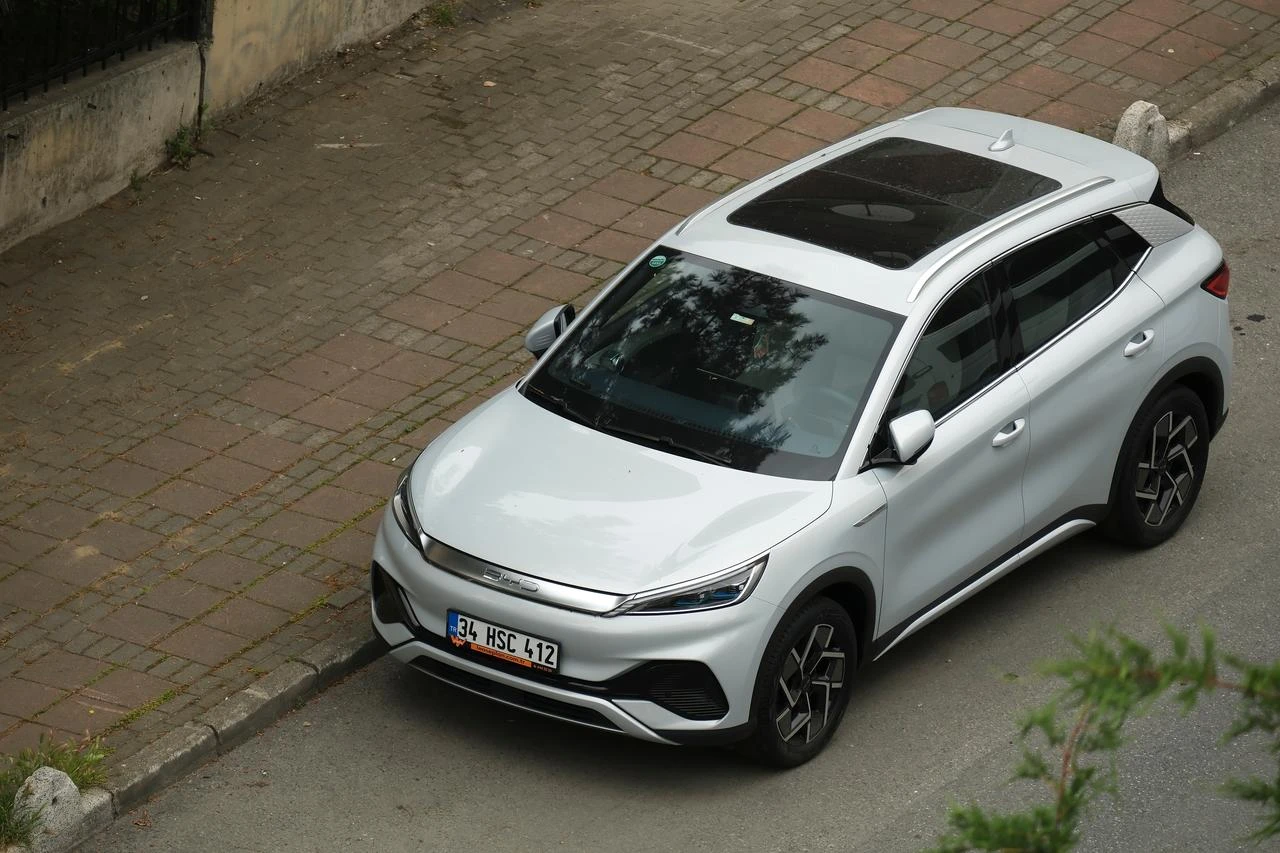
In September 2025, however, Ankara overhauled the system, replacing the standalone China-specific EV duty with a broader import levy on passenger vehicles. Under the revised rules, Chinese electric vehicles became subject to a 30% surcharge, or a minimum charge of $8,500 per vehicle.

While the panel upheld several of China's claims, it rejected others concerning internal combustion engine vehicles and certain hybrid models.
Türkiye's Trade Ministry pushed back against parts of the report, arguing that it does not adequately reflect technological developments in the automotive sector and the industry's transition toward electrification.
"The panel report also contains assessments and interpretations in favor of our country regarding some of the measures brought before the panel," the ministry said in a statement on Wednesday.
"However, we do not share some of the evaluations directed at our measures protecting our domestic automotive industry against unfair competition and prioritizing consumer safety and welfare."
The ministry stressed that the report is not legally final and said Türkiye would use available WTO procedures to challenge findings it considers inconsistent with WTO rules.
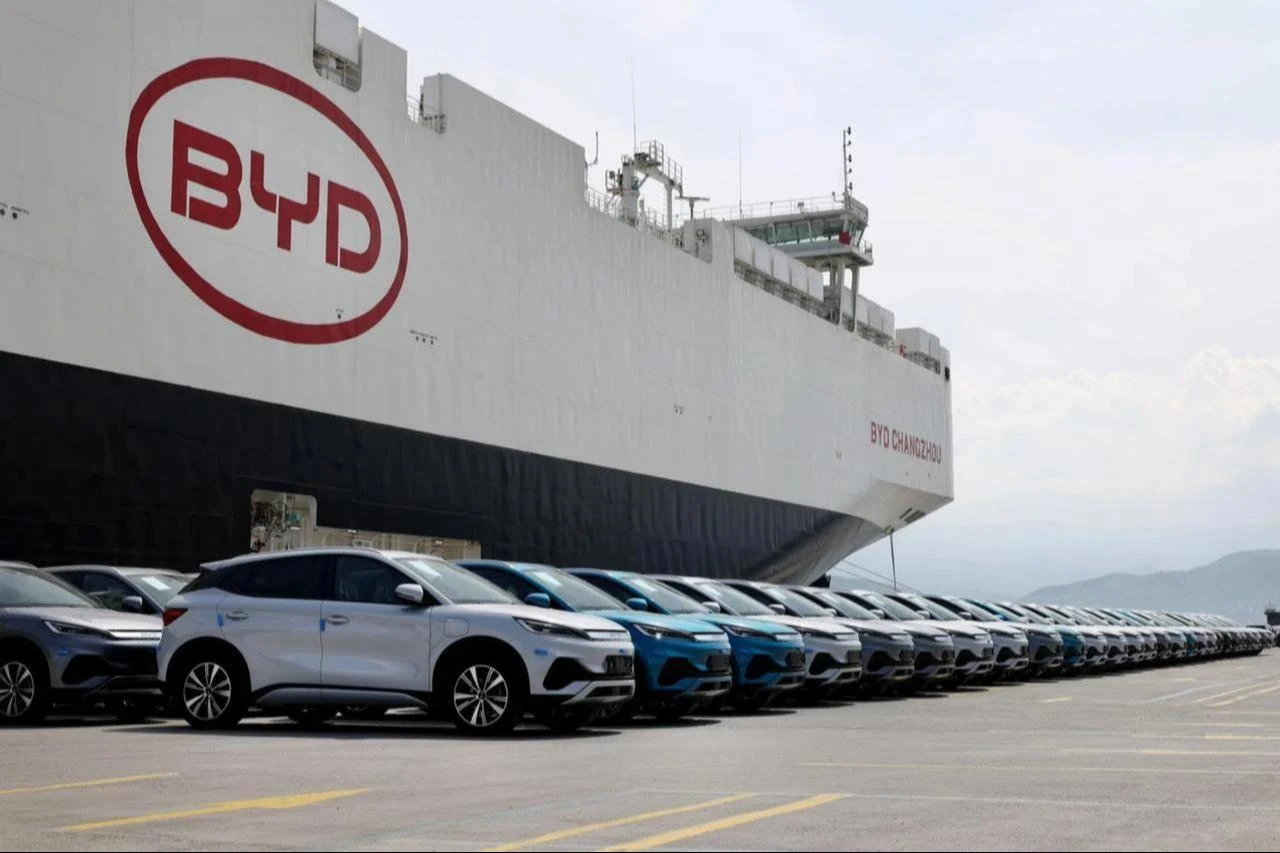
The ruling also puts renewed focus on BYD's investment agreement with Türkiye, which has come under strain after the Chinese automaker suspended work on the project earlier this year.
BYD signed a $1 billion investment agreement with the Turkish government in July 2024 to build a manufacturing plant in the western province of Manisa with an annual production capacity of 150,000 vehicles and create around 5,000 jobs.
The deal also allowed the company to benefit from the investment-linked exemption introduced weeks earlier, shielding its vehicle imports from Türkiye's additional duties on Chinese-made passenger cars.
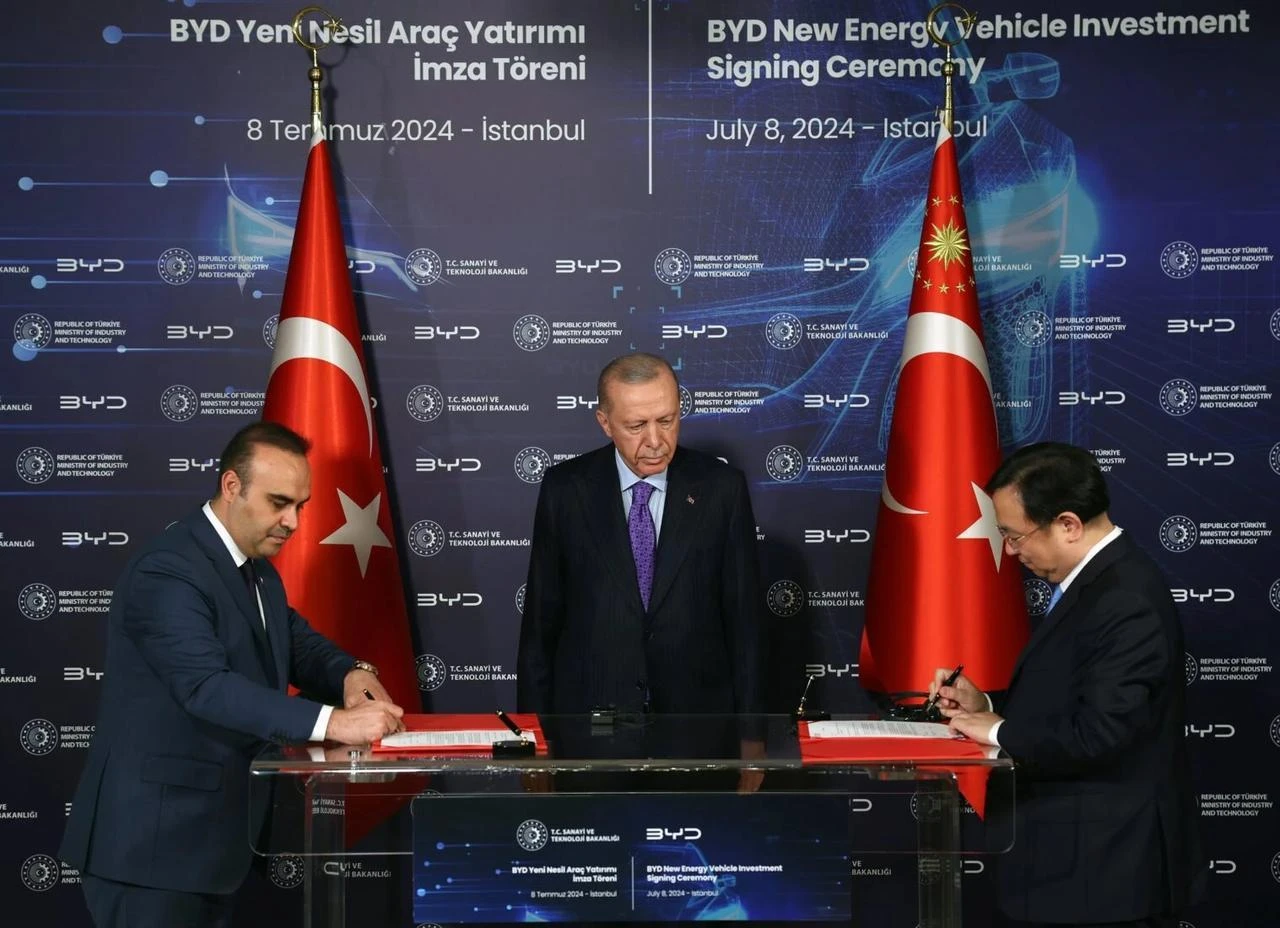
However, the project has since stalled, prompting Ankara to suspend BYD's access to the incentives since the start of the year, the Industry and Technology Ministry unveiled in June.
In a written response to the lawmakers, Industry and Technology Minister Mehmet Fatih Kacir said that if the company formally abandons the investment, the government will seek to recover the customs duties previously waived, together with late-payment interest, activate BYD's guarantee letters, and reclaim the land allocated for the factory.
BYD's sales in Türkiye have also weakened since the start of the year after the automaker lost its competitive advantage over other imported brands.
The company sold 45,537 vehicles in Türkiye in 2025, making it the country's best-selling brand in the plug-in hybrid and new-energy vehicle segments, but sales fell 73.3% year over year to 6,809 units in the first half of 2026 from 25,501 a year earlier, according to the industry figures.


 Set as preferred source
 Set as preferred source


 2 min read
 1 min read