Newsletters


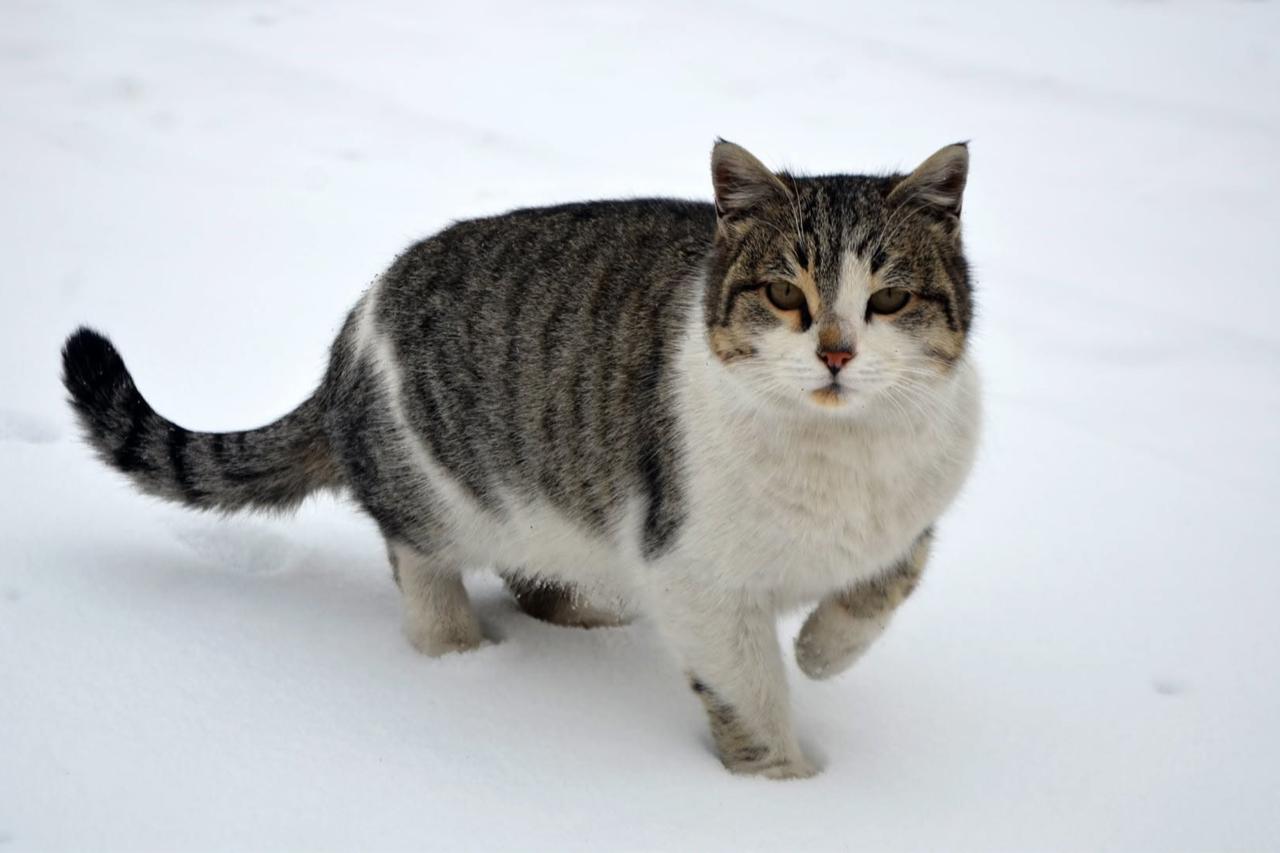


Russian merchants sought to buy 10,000 cats from eastern Anatolia more than a century ago to tackle a serious rat infestation at ports and grain warehouses along the Black Sea and Caspian coasts, according to a newspaper record uncovered by researcher and author Taner Ozdemir.
The unusual account appeared in the Aug. 9, 1923 edition of Varlik, a newspaper founded in Sarikamis and later moved to Erzurum. Published under the headline "They Are Buying Ten Thousand Cats," the report said a commission had been set up to obtain the animals after rats became a major problem in Russia.
According to Ozdemir, the cats were expected to be collected primarily from Erzurum, Kars and Sarikamis, as well as other parts of eastern Anatolia.
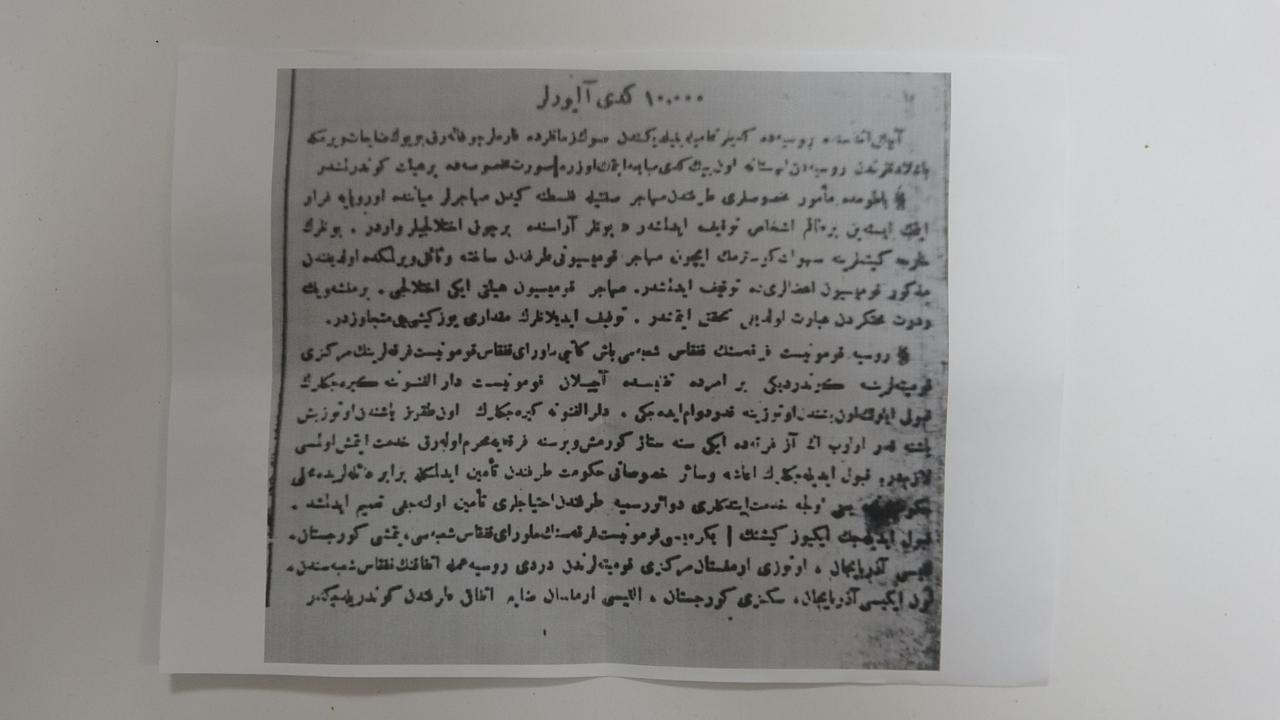

Ozdemir said the archival report described widespread problems caused by rats at ports and storage facilities during a period when Russia was also dealing with food shortages.
The rodents were damaging stored products, prompting authorities to authorize a commission to acquire 10,000 cats as a way of bringing the infestation under control.
Ozdemir said the plan quickly drew attention among readers in eastern Anatolia because Russian merchants had begun looking toward the region as a potential source for the animals.
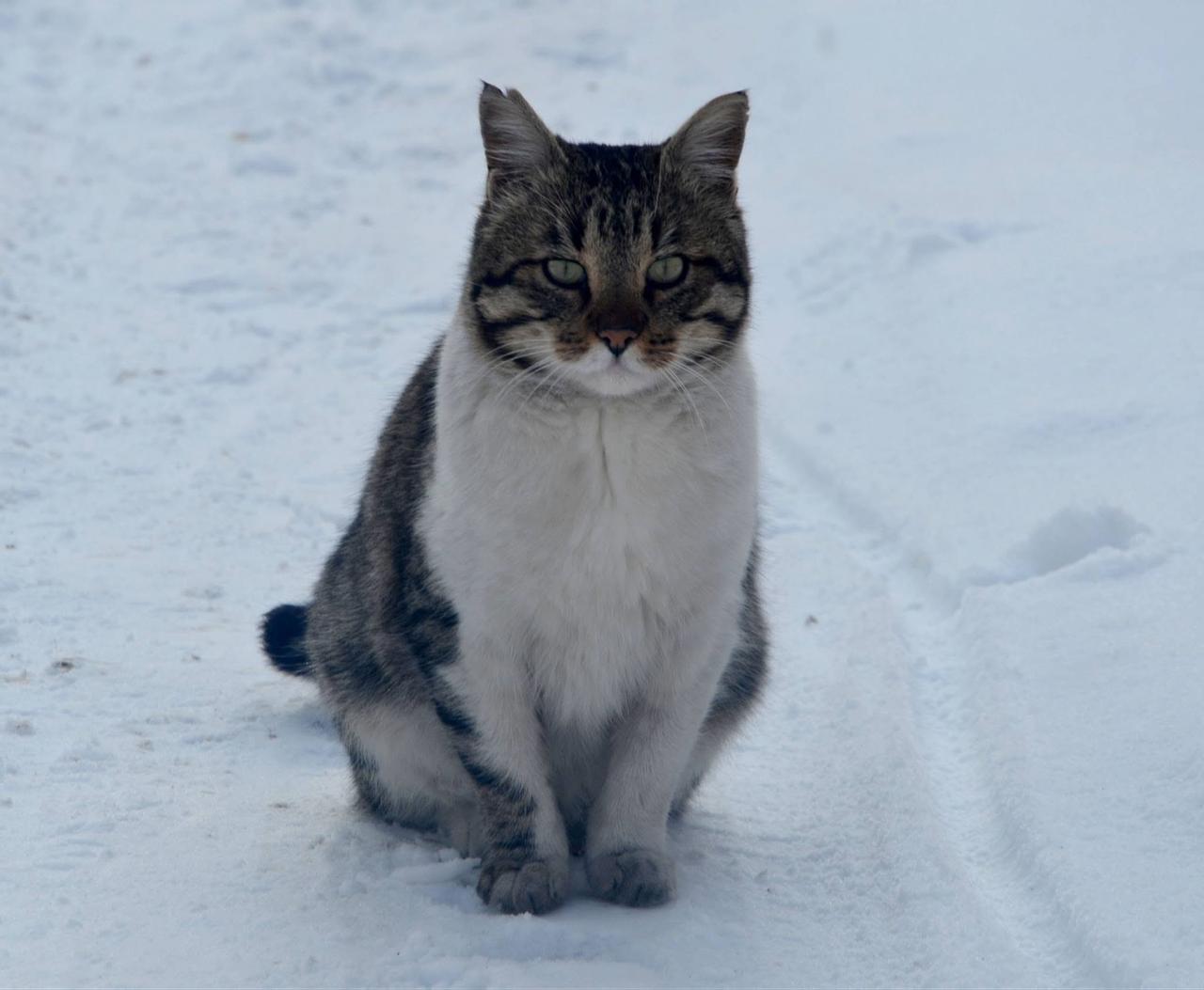
According to Ozdemir, merchants focused particularly on cats from the Erzurum, Kars and Sarikamis area because they were regarded as resistant to cold weather and effective hunters.
"Especially around Erzurum and Kars, it could be said that people went out hunting for cats," Ozdemir said, explaining that the prospect of supplying the animals was seen locally as a possible source of trade.
He added that archival research is still underway to determine how much merchants offered for the cats and how many were ultimately transported.


 Set as preferred source
 Set as preferred source



 2 min read