Sign in
 Newsletters


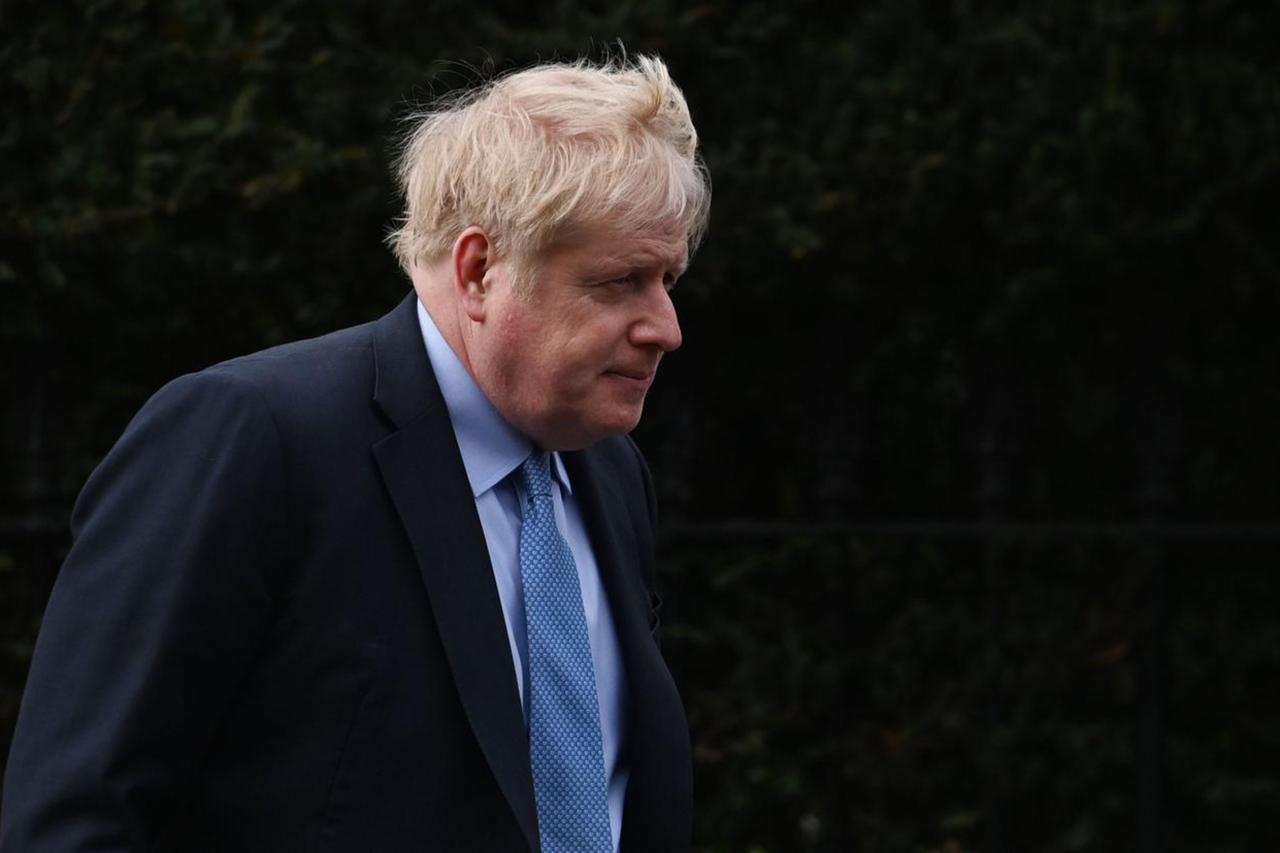


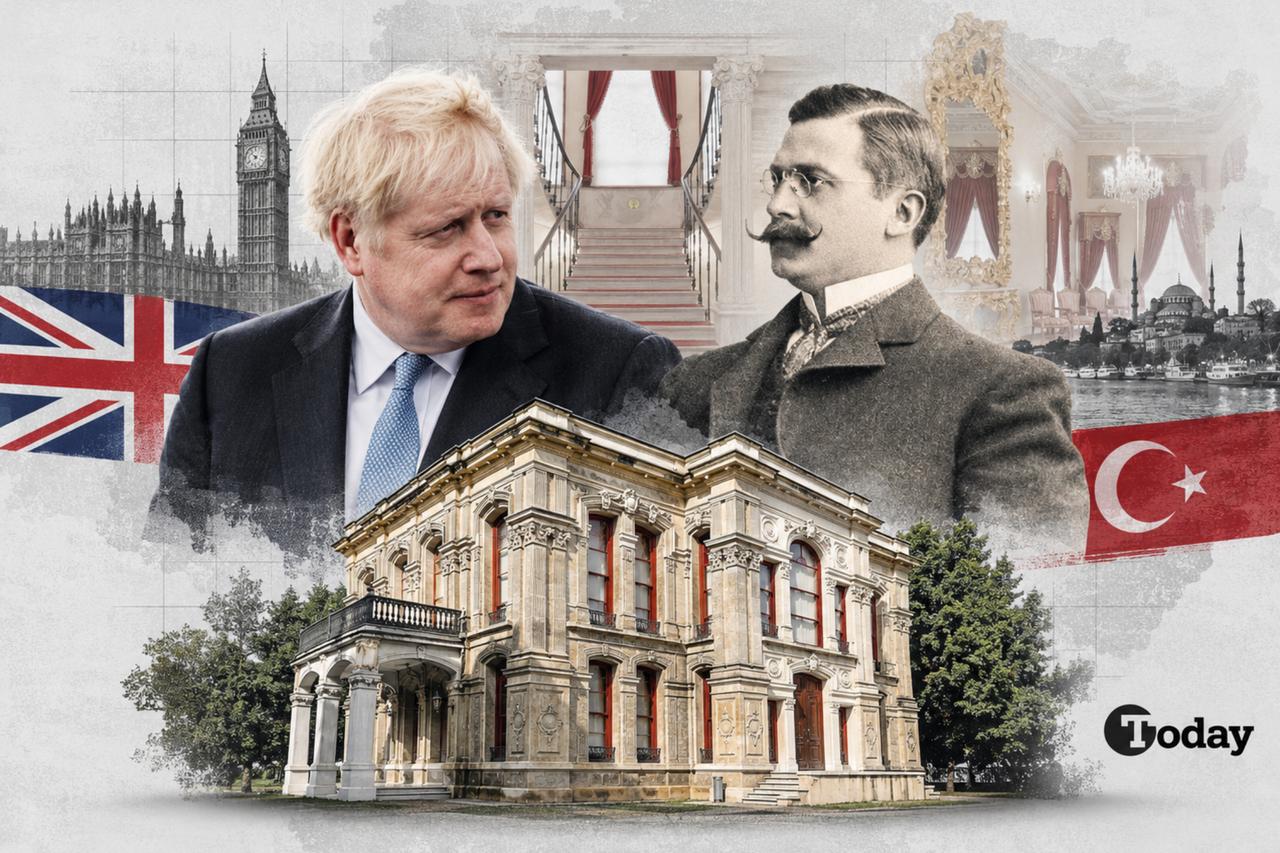
Former British Prime Minister Boris Johnson has claimed that his great-great-grandmother, a Circassian girl named Hanife Feride, was sold into slavery at Istanbul's Grand Bazaar in the 19th century, drawing on his family's Ottoman-era history to challenge calls for Britain to pay financial reparations for its involvement in the transatlantic slave trade.
In a column published by the Daily Mail on Nov. 7, Johnson described how his ancestor was displaced by conflict in the Caucasus, brought across the Black Sea and sold as a child in the Ottoman capital. He used the account to question whether present-day taxpayers should compensate descendants of people enslaved generations earlier.
According to Johnson, Hanife Feride fled the Caucasus during the Russian invasion of Circassia, a historical region in the northwestern Caucasus, and endured a 10-day journey across the Black Sea aboard a wooden vessel.
She eventually arrived in Ottoman Istanbul, where Johnson said she was put up for sale in the northeastern corner of the Grand Bazaar, the city's historic covered marketplace.
Johnson cited a contemporary newspaper account describing how the arrival of large numbers of displaced Circassian girls had driven down prices in the slave market.
He claimed that a Turkish woman purchased Hanife Feride for an undisclosed sum, took her home and provided her with an education before arranging her marriage to her 43-year-old son, a widowed businessman. Hanife Feride was just 13 years old.
"Her name is Hanife Feride and she is my great-great-grandmother," Johnson wrote, crediting research by his sister Rachel and cousin Sinan for uncovering the family history.
He added that the findings indicated "that we Johnsons are descended from slavery."
The account is presented as Johnson's reconstruction of his family history rather than an independently verified record of the circumstances surrounding Hanife Feride's sale and marriage.
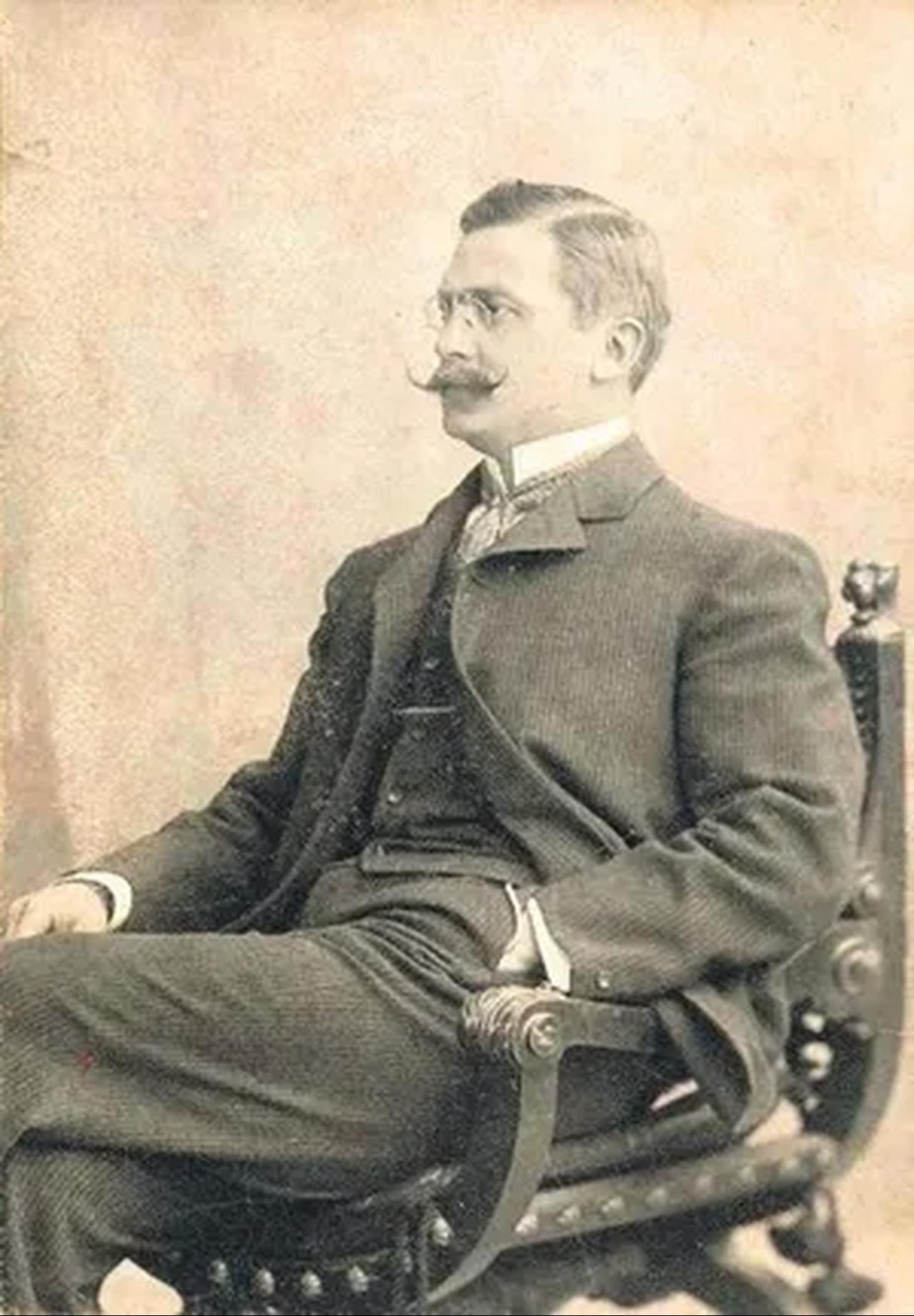

Johnson's account also connects him to Ali Kemal, an Ottoman journalist and politician who served as a minister during the final years of the Ottoman Empire and was the former British prime minister's great-grandfather.
However, the central purpose of Johnson's column was to challenge the British government's approach to historical slavery reparations, which involves proposals to compensate people or communities affected by slavery and its lasting consequences.
The debate intensified after British Prime Minister Andy Burnham expressed openness to a formal apology for Britain's role in the transatlantic slave trade and announced plans for a year-long structured dialogue with affected countries.
Johnson criticized the initiative, arguing that it could lead to substantial financial demands on British taxpayers. He also referred to the government's proposed £40 million ($52.8 million) in assistance to Caribbean countries and the Church of England's £100 million commitment to addressing its historical connections to slavery.
Drawing on Hanife Feride's experience, Johnson asked whether his own family should be entitled to compensation, despite its present financial circumstances.
He questioned why modern Turkish taxpayers should bear responsibility for practices carried out under Ottoman rule, while also pointing to Russian imperial expansion as the conflict that had forced Circassians from their homeland.
Johnson further argued that the same reasoning should apply to Britain, maintaining that people living today should not automatically be held financially responsible for actions committed by previous generations.
While acknowledging the suffering caused by the transatlantic slave trade, Johnson rejected financial reparations for descendants of enslaved people and called on the British government to reverse its decision to open discussions on the issue.


 Set as preferred source
 Set as preferred source


 1 min read
 1 min read