Newsletters


Archaeologists in Peru have uncovered approximately 1,400-year-old human skeletal remains at the Huaca Pucllana archaeological site in Lima, shedding new light on ceremonial practices linked to the pre-Hispanic Lima culture.
The remains belonged to an adult male and were found inside an ancient canal at the archaeological complex in the capital's Miraflores district. Researchers dated the burial to around 650 A.D. and linked the placement of the body to a ceremonial ritual carried out when the canal was closed.
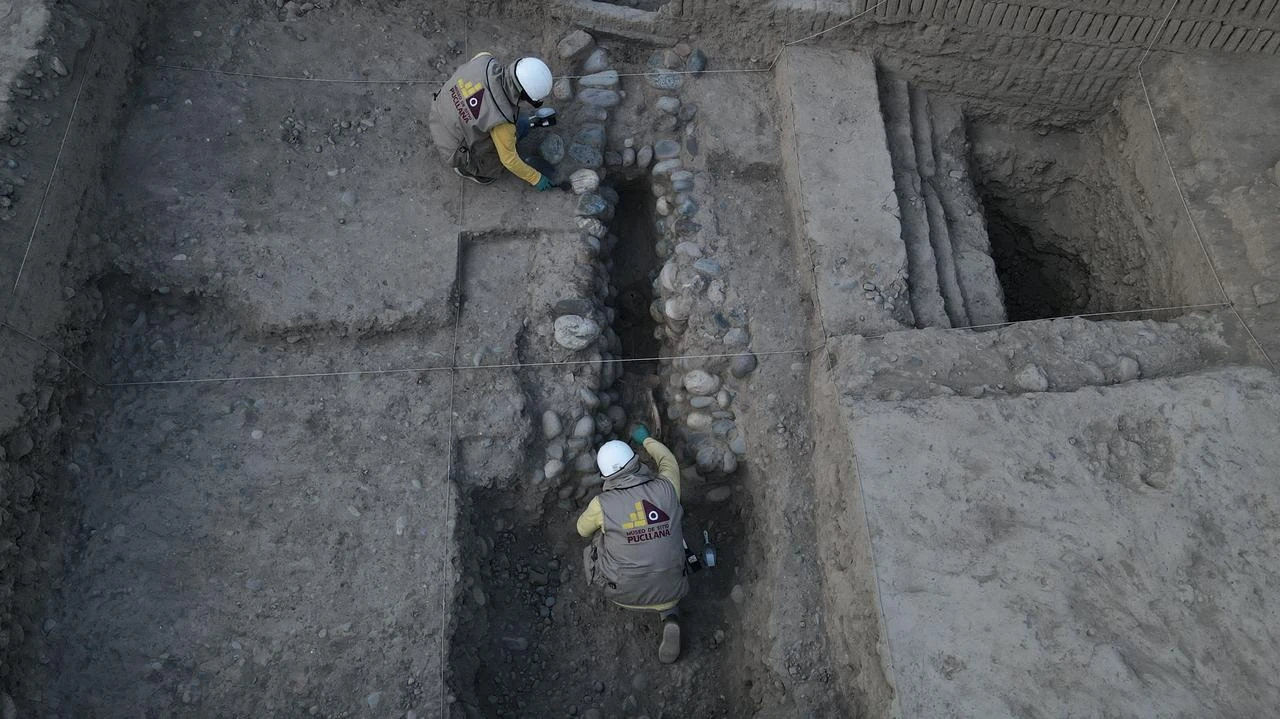

The canal was connected to a ceremonial well situated close to what once served as the main entrance to the Huaca Pucllana temple complex.
According to researchers, the man's remains appear to have been deposited inside the canal as part of a ritual marking its ceremonial closure. This places the discovery within the religious practices of the Lima culture, a pre-Hispanic society that predated the Inca period.
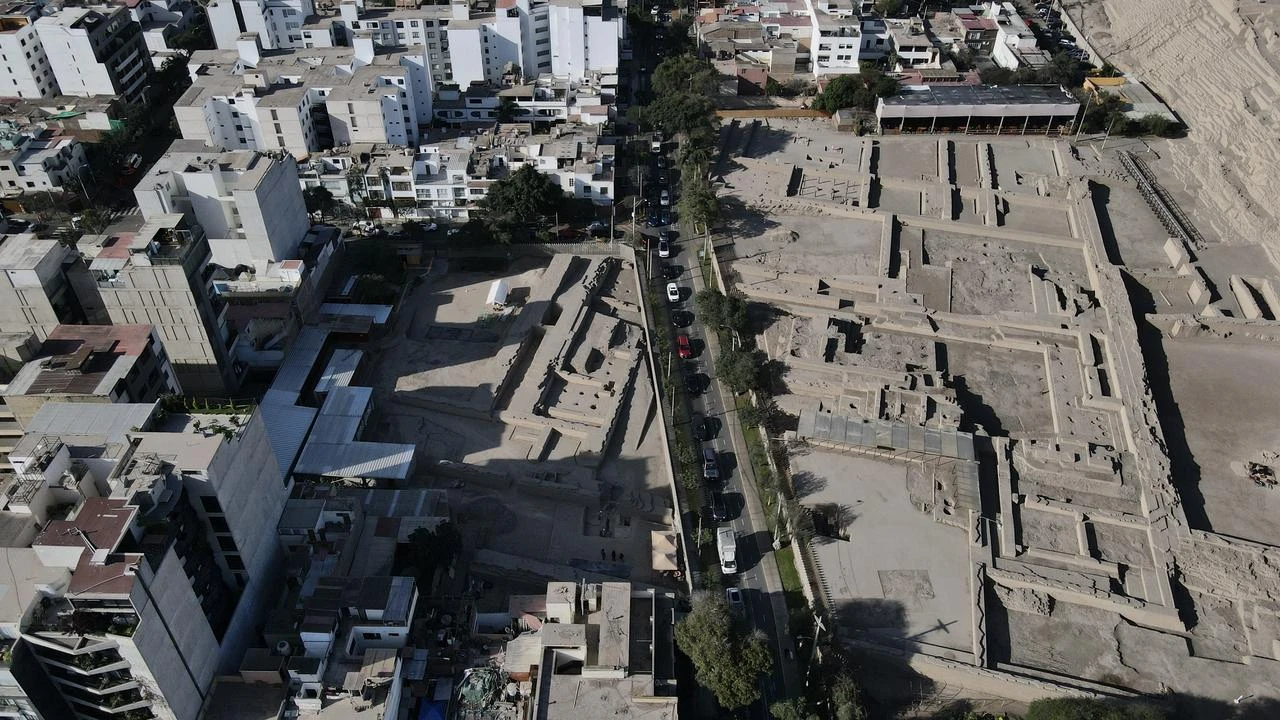
Archaeologists also found that the skeletal remains were associated with a pit constructed from rounded stones.
Researchers described this building technique as unusual at Huaca Pucllana, making the feature a distinctive element of the discovery at the prominent pre-Inca archaeological site.
The combination of the human remains, ancient canal and uncommon stone construction provides further archaeological evidence of how ceremonial spaces at Huaca Pucllana were used and formally closed around 650 A.D.


 Set as preferred source
 Set as preferred source



 3 min read