Newsletters


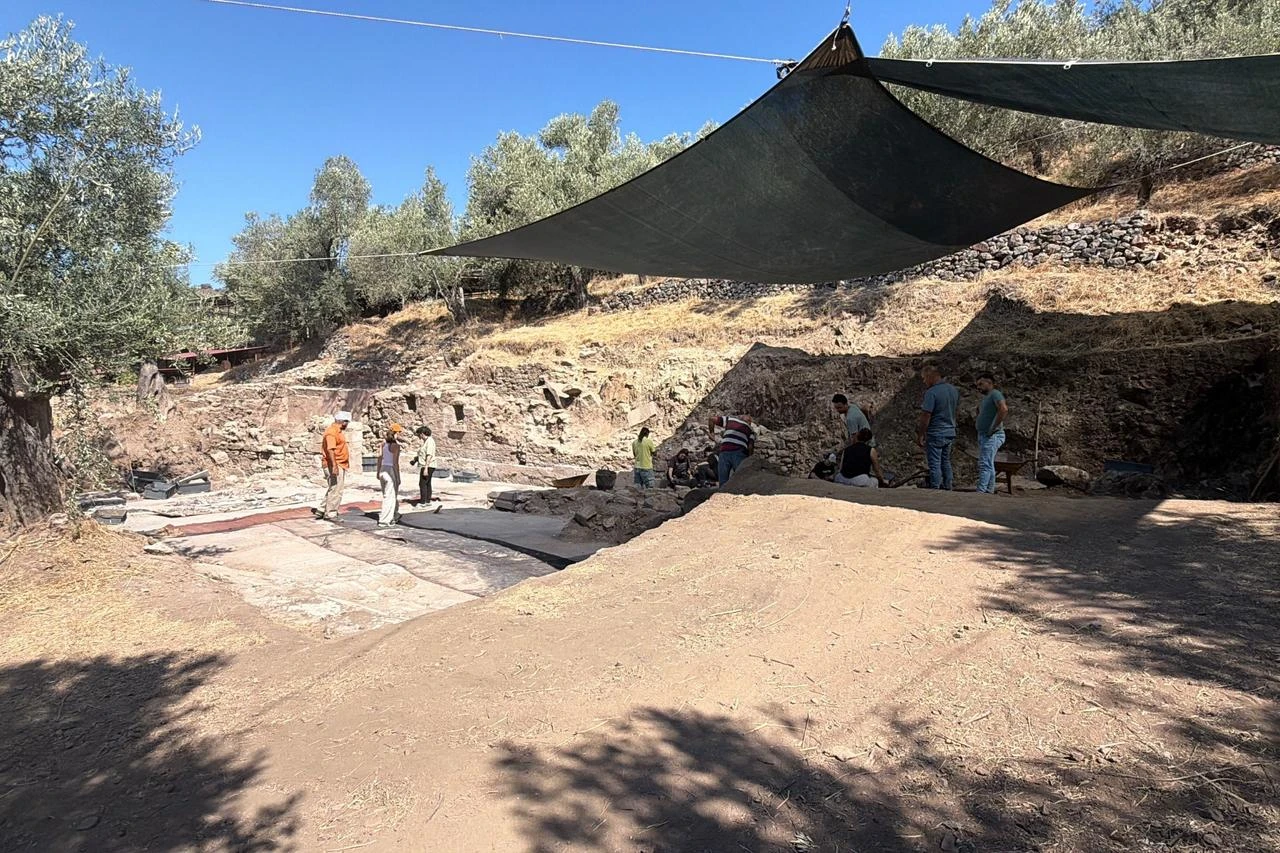


Excavations at the ancient city of Antandros in western Türkiye are bringing to light a large church believed to have been built in the early fifth century A.D., with mosaics, frescoes and monumental granite columns pointing to its importance within the ancient settlement.
Professor Gurcan Polat, head of the Antandros excavation, said the church has become the main focus of the 2026 season after archaeologists first began digging into the structure in 2024. Antandros is located in the Edremit district of Balikesir.
Polat said excavations got underway on June 22, with the early start partly linked to the Antandros Ancient Festival, which he said contributes to promoting both the ancient city and the surrounding region.
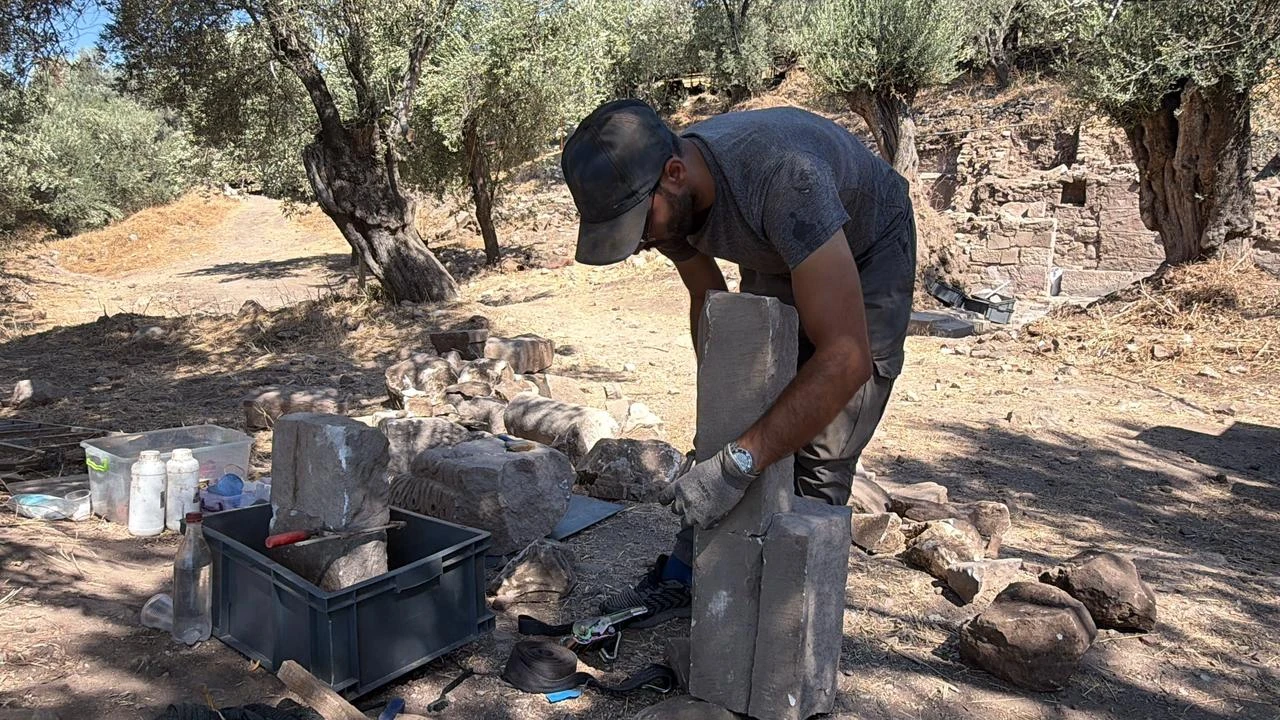

The church is thought to have been built at the beginning of the fifth century A.D. and may have been abandoned following Arab raids in the seventh century. According to Polat, the structure has largely retained its original architectural plan despite the centuries that have passed.
Archaeologists have so far uncovered a section measuring 17 meters (about 56 feet) across. Since excavators have not yet reached the eastern end, the church's full length remains unknown, although Polat said the dimensions already point to a particularly large building.
The scale is also reflected in the granite columns found inside the church, which Polat said underline its monumental character.
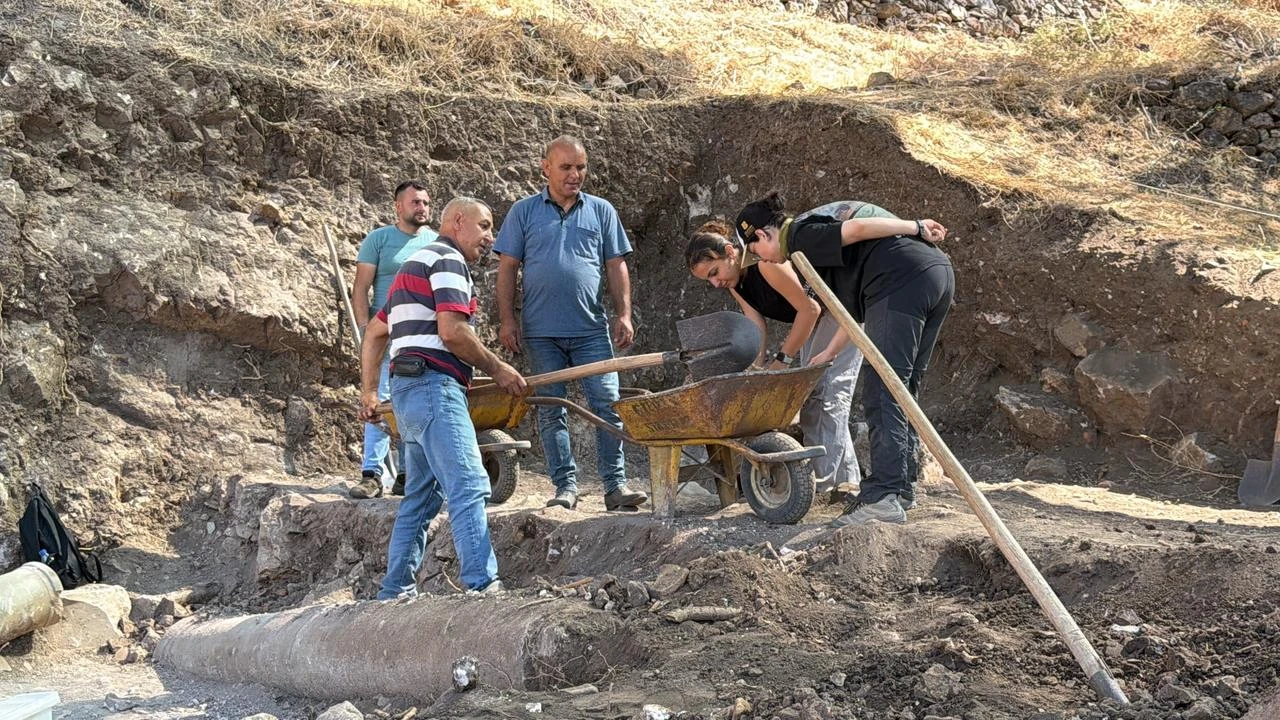
Inscriptions discovered on the church's mosaics indicate that the building was commissioned by its congregation, while the mosaic decoration was financed by an individual named Kandidos.
Archaeologists also came across a fire layer approximately 10 centimeters (4 inches) thick directly above the mosaics. Polat said this evidence suggests that a major fire may have put the church out of use.
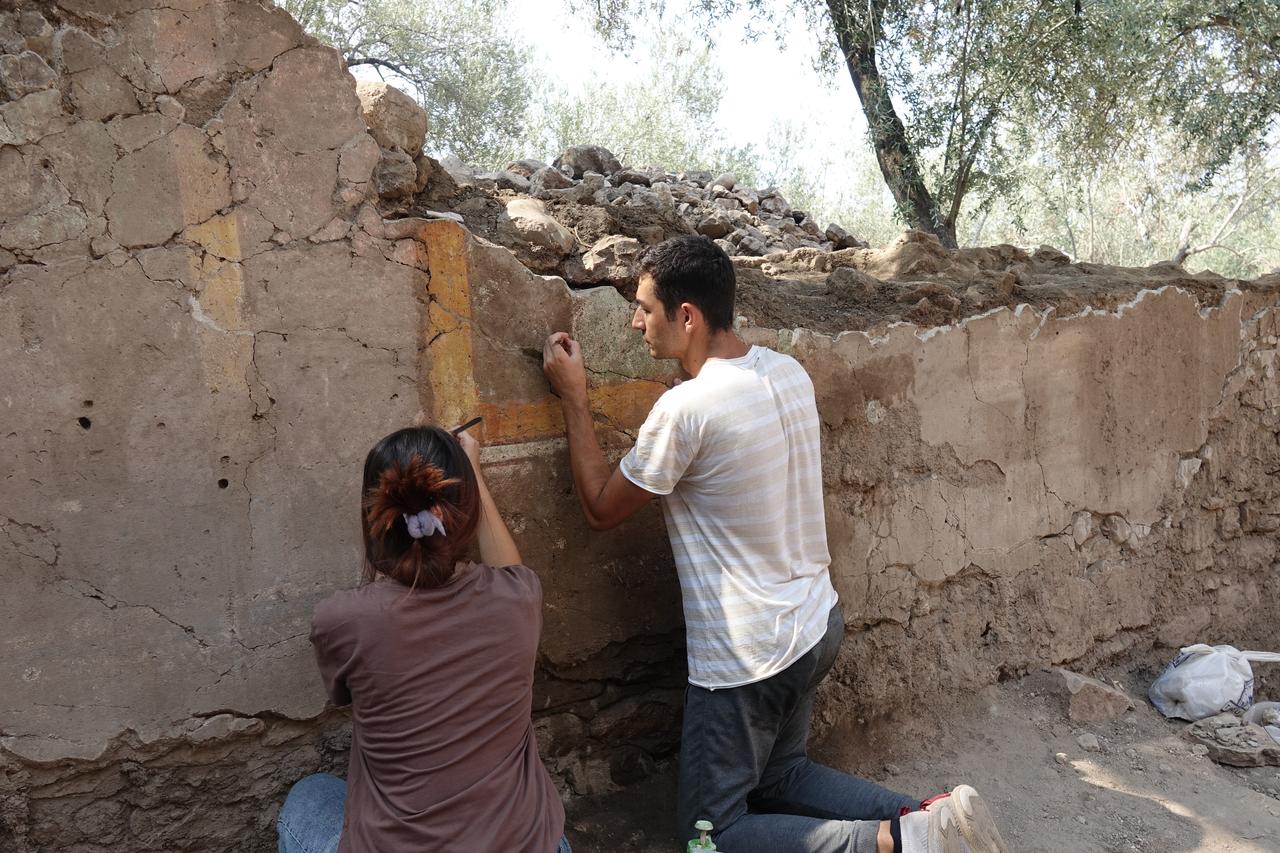
The building's walls have additionally yielded frescoes, including panel designs and plant-based decorative motifs.
Historical sources identify Antandros as a bishopric, meaning an episcopal center headed by a bishop, under the Archbishopric of Ephesus.
Against that background, Polat said the newly uncovered structure could turn out to have been one of the earliest and most important churches in Antandros.


 Set as preferred source
 Set as preferred source


 1 min read
 1 min read