

 Newsletters


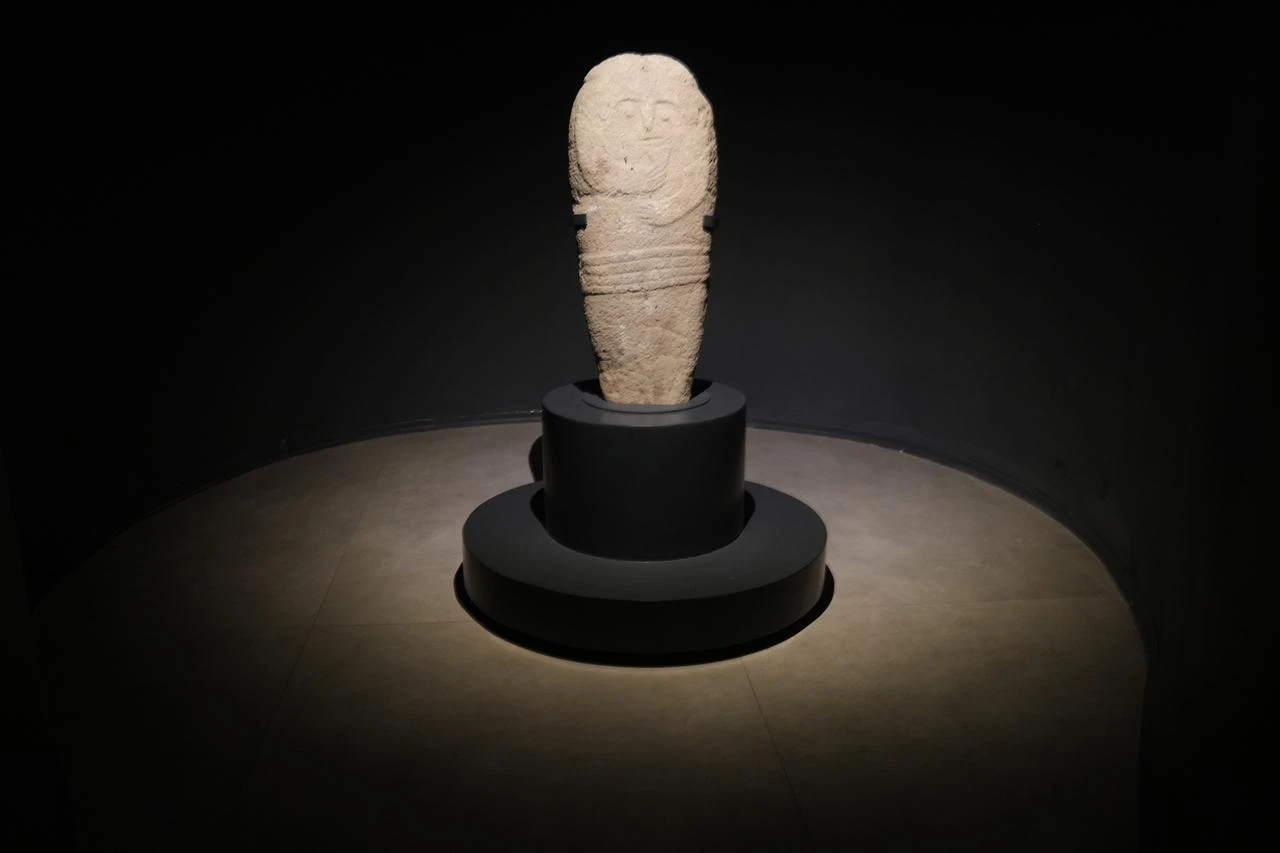


A 2,500-year-old stone statue discovered in Türkiye's eastern Erzurum province is drawing attention as a rare trace of nomadic steppe culture in Anatolia, offering insight into burial traditions that spread across a vast area from Central Asia to Europe.
Known as the "Erzurum Stele" or "Tas Baba," the 1.26-meter-high monument is on display at the Erzurum Museum, where it has attracted growing interest during the Erzurum leg of the Culture Route Festival. The monument is classified in the international literature as part of the group known as "Turkic stone statues."
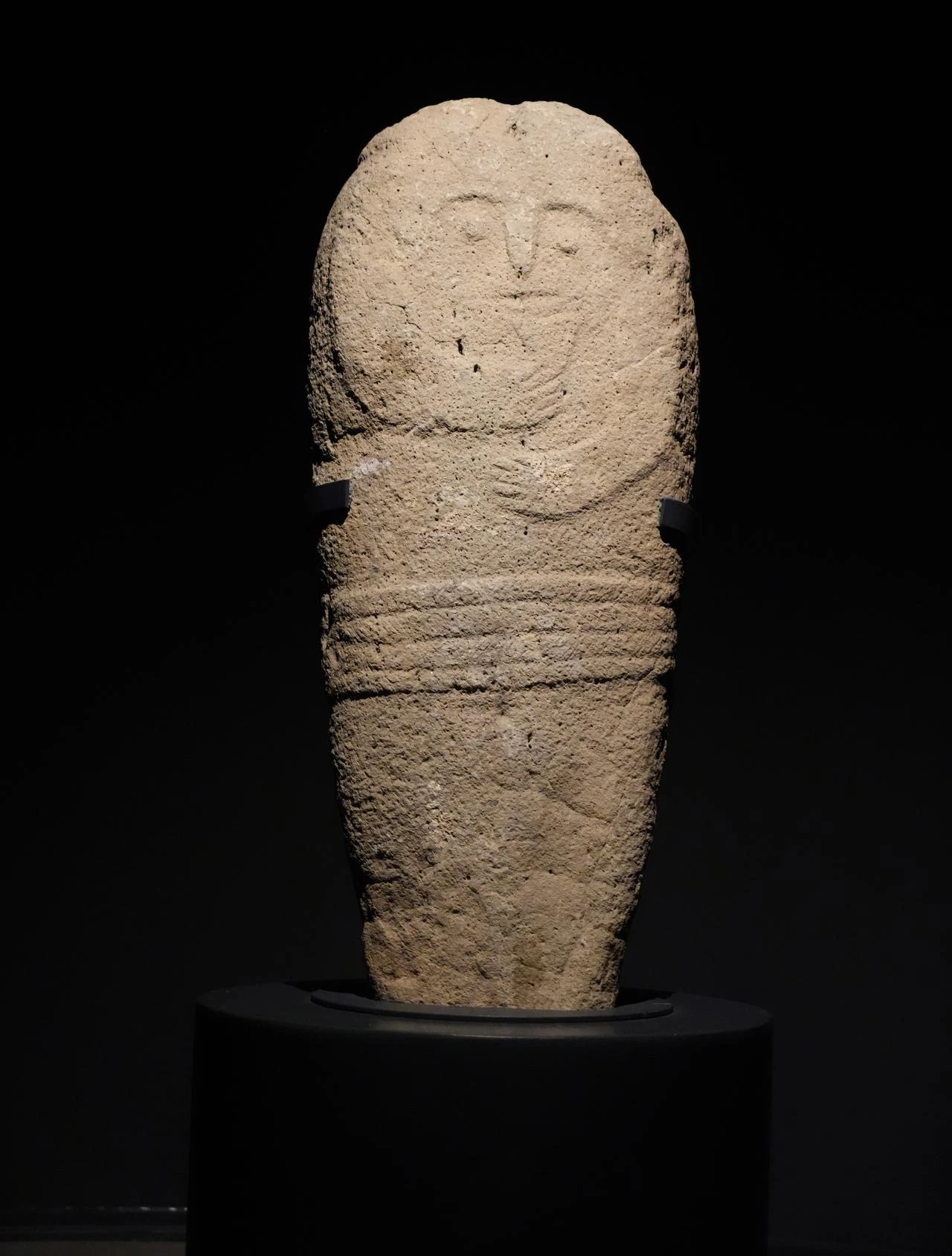
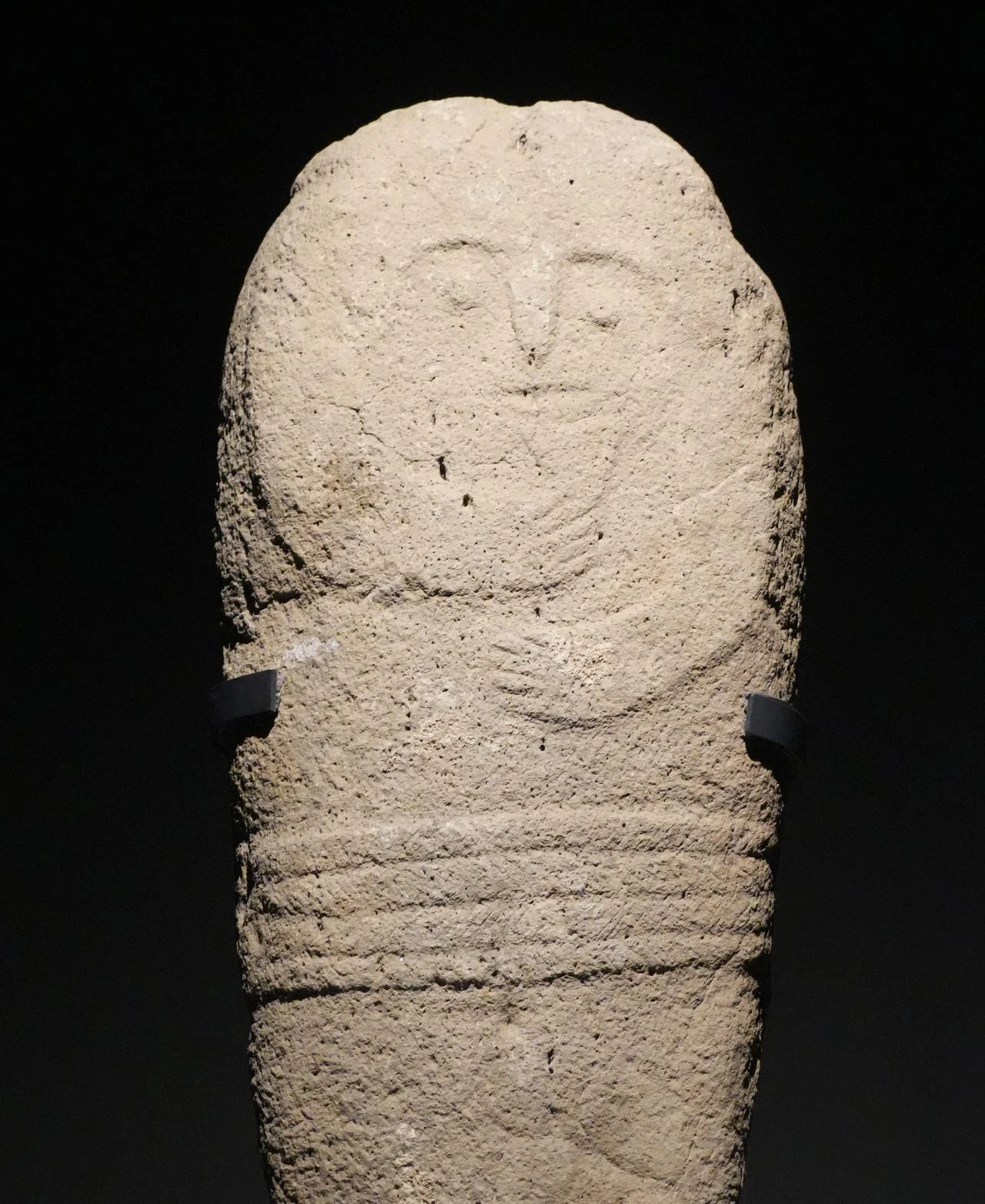
The male figure, carved from the front, holds a cup or goblet in his raised right hand while resting his left hand on his abdomen. A thick belt made up of four horizontal bands runs around his waist, while the lower part of the stone was left unworked.

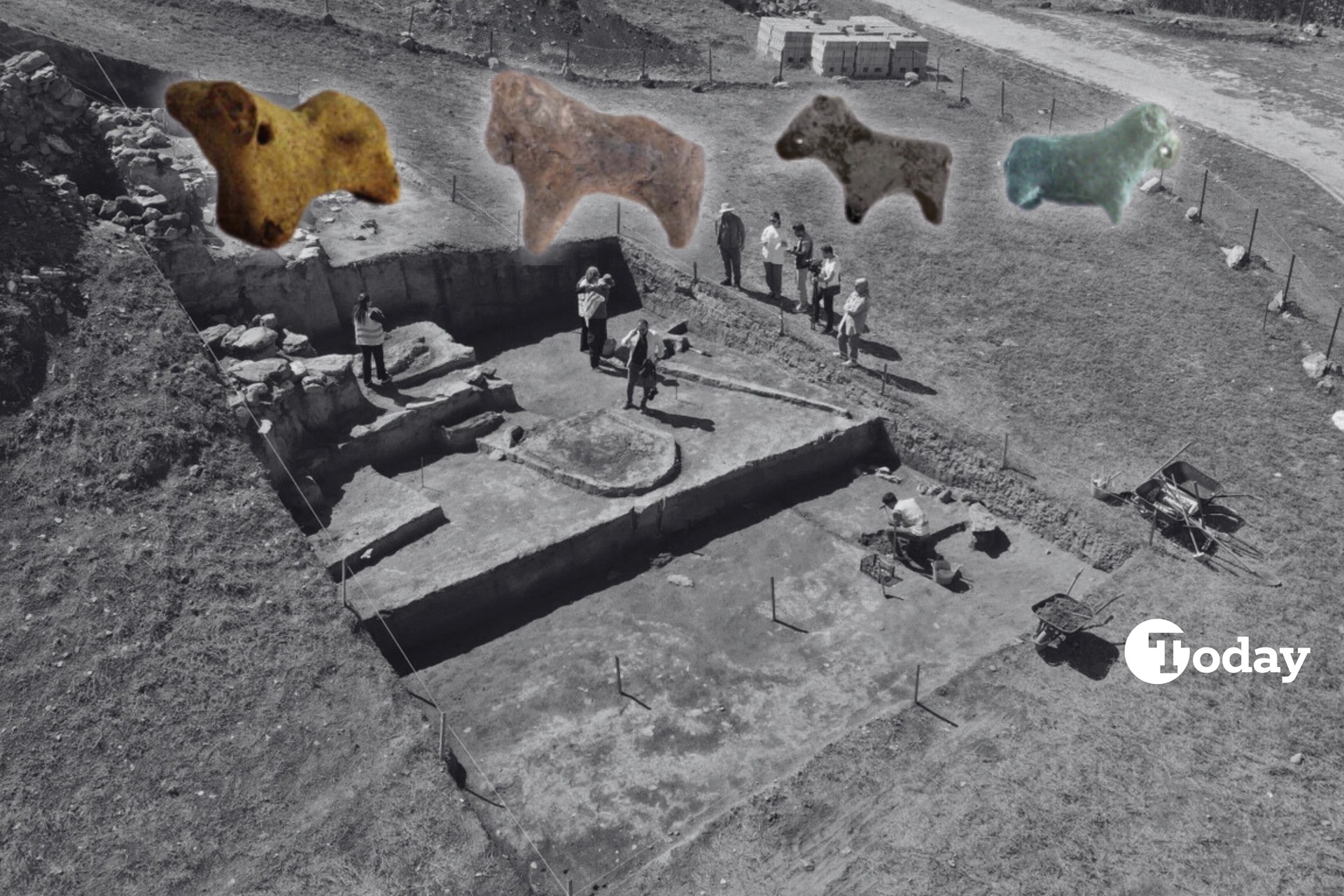
The stele was found in 2020 in the Ormanli neighborhood of Erzurum's Senkaya district after farmer Aytac Alver noticed a stone carrying unusual motifs while grazing his animals.
Alver reported the find to the local museum authorities, allowing the monument to be taken under protection. Archaeological examinations later linked the artifact to the Kipchak period, while specialists also noted that its overall appearance resembles funerary stones associated with the Gokturk era.
Museum officials describe the statue as the only known example of its kind in Türkiye, and it has since become one of the Erzurum Museum's most prominent exhibits.
 1 min read
The earliest known examples of male "Tas Baba" steles holding a vessel or goblet in their right hand date back to the Scythians in the sixth and fifth centuries B.C.
The tradition was later taken up by Turkic peoples of Central Asia and became particularly widespread from the Gokturk period, between the sixth and eighth centuries A.D., through the 11th to 13th centuries.
Although the Erzurum Stele resembles Gokturk-period grave monuments in its general form, specialists say it dates to a considerably earlier period.
Such steles were closely associated with nomadic steppe culture rather than the traditions of ancient Anatolian, Mesopotamian and Syrian civilizations. They were generally placed beside or directly above the graves of elite members of society.
The wider tradition can be traced across Ukraine, southern Russia, Crimea, southern Siberia, Central Asia, northwestern Iran, Azerbaijan and Mongolia from the second millennium B.C. onward, while comparable monuments also spread westward as far as the Iberian Peninsula through the Alpine region.
The Erzurum example stands out as a rare surviving marker of this broad funerary tradition in Anatolia.


 Set as preferred source
 Set as preferred source



 1 min read


