Newsletters


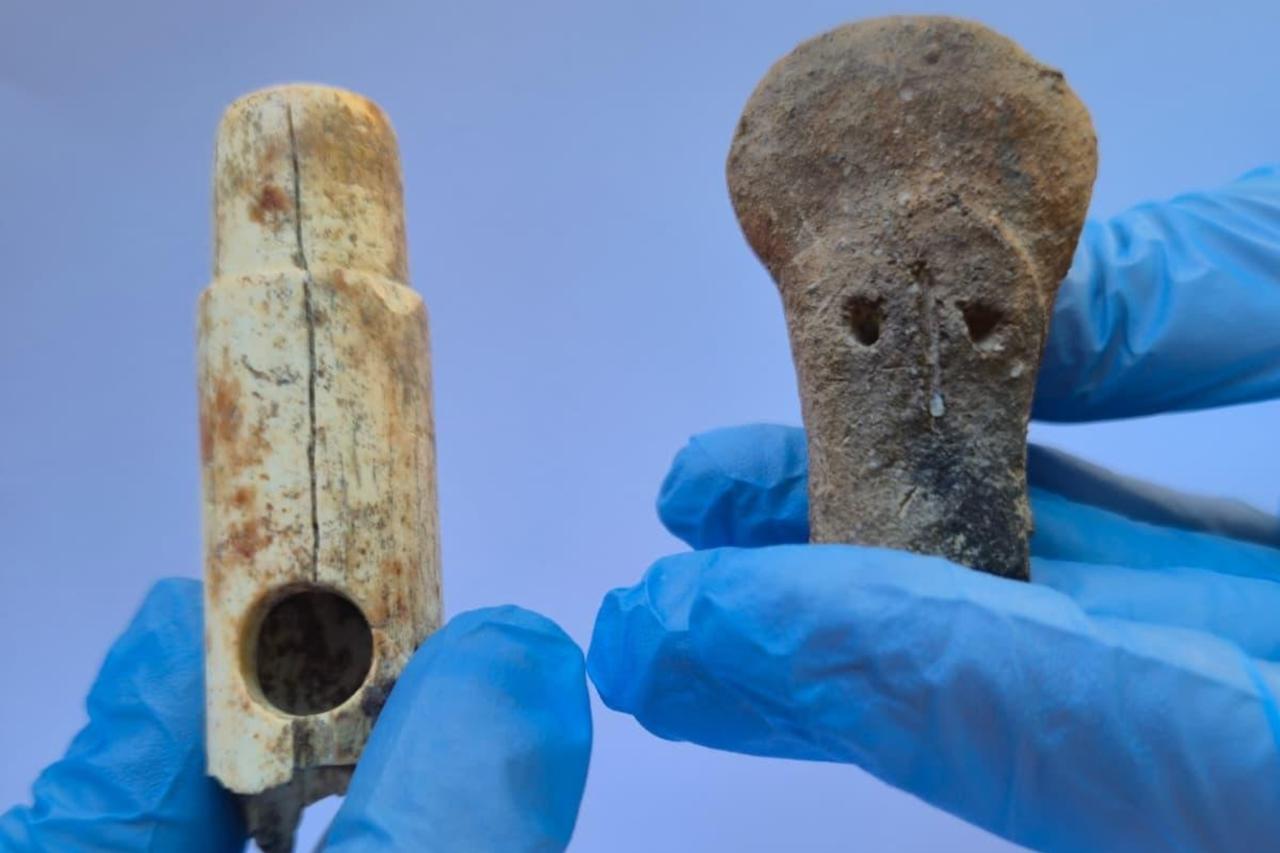


Archaeologists working at the ancient city of Troy in northwestern Türkiye have uncovered a 2,800-year-old bone flute and a 4,500-year-old human-shaped idol head, shedding new light on the site's musical traditions and symbolic practices across different periods.
Türkiye's Culture and Tourism Minister Mehmet Nuri Ersoy announced the discoveries in a post on X, saying both artifacts were unearthed during the 2026 excavations carried out under the ministry's "Heritage for the Future" project.
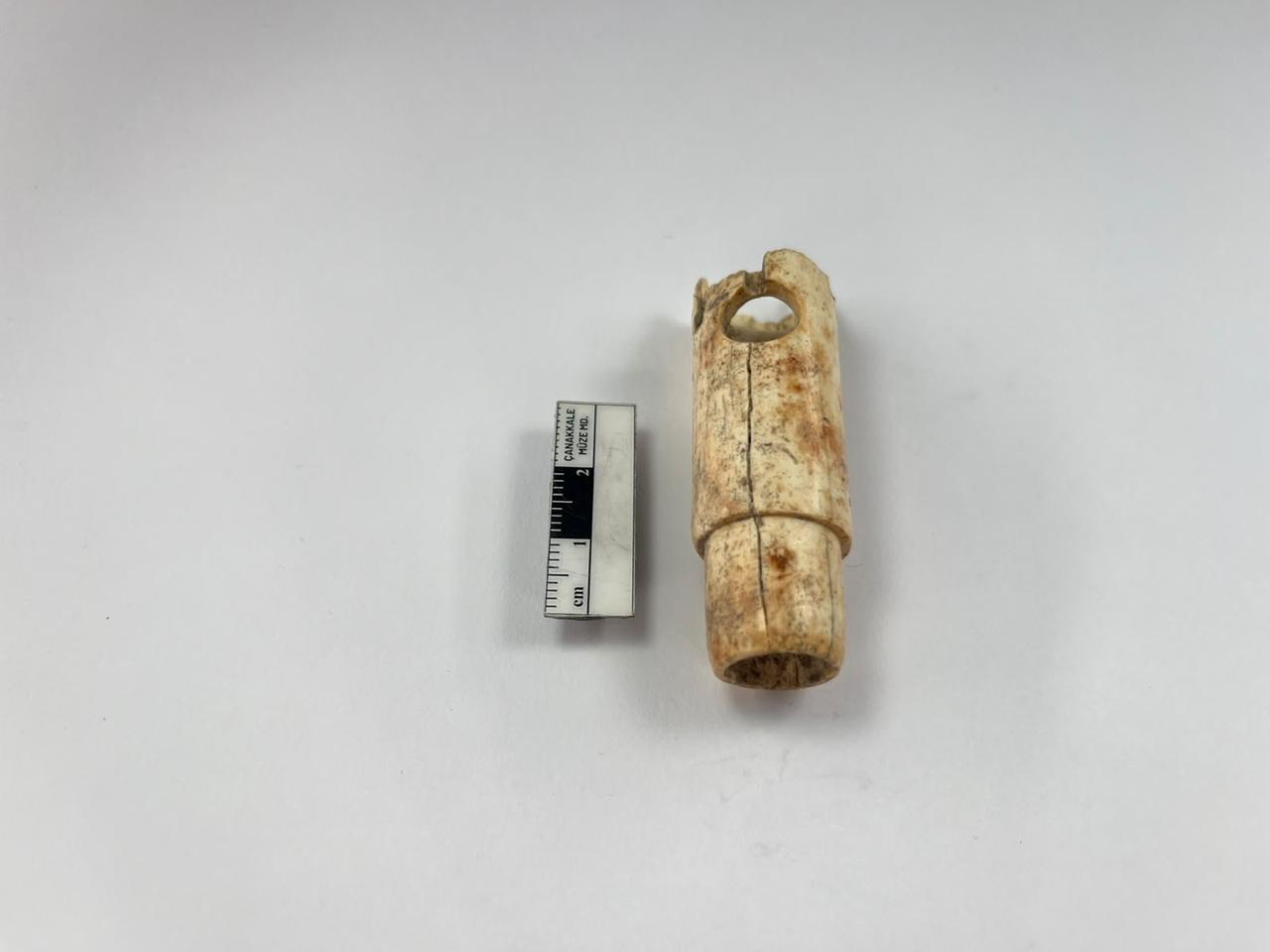

Dating back to the Archaic period, the bone flute is the first and only musical instrument discovered in more than 160 years of archaeological excavations at Troy.
According to Ersoy, the find provides the first direct archaeological evidence of musical culture at the ancient settlement, opening up new opportunities to examine how music formed part of life in Troy during that period.
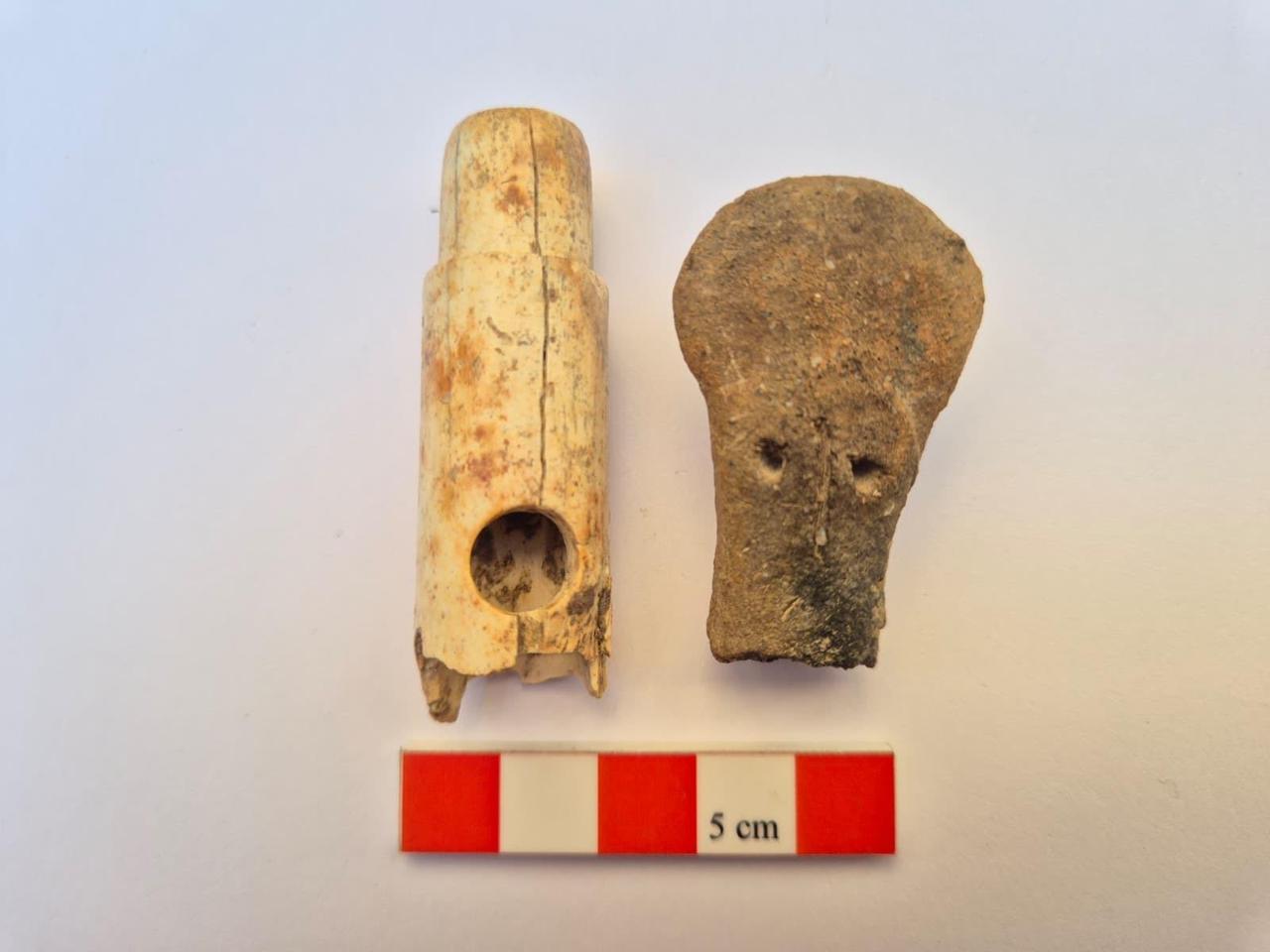
The second discovery, a human-shaped idol head dating back approximately 4,500 years, was unearthed near the city gate of Troy II, an earlier phase of the ancient settlement.
The artifact is expected to contribute to researchers' understanding of the symbolic practices of the Early Bronze Age and cultural interactions across western Anatolia.
Ersoy emphasized that both discoveries would undergo further scientific examination and conservation to ensure their preservation for future generations.
He also thanked the excavation team, the General Directorate of Cultural Heritage and Museums, and everyone involved in the ongoing research.


 Set as preferred source
 Set as preferred source



 2 min read