Newsletters


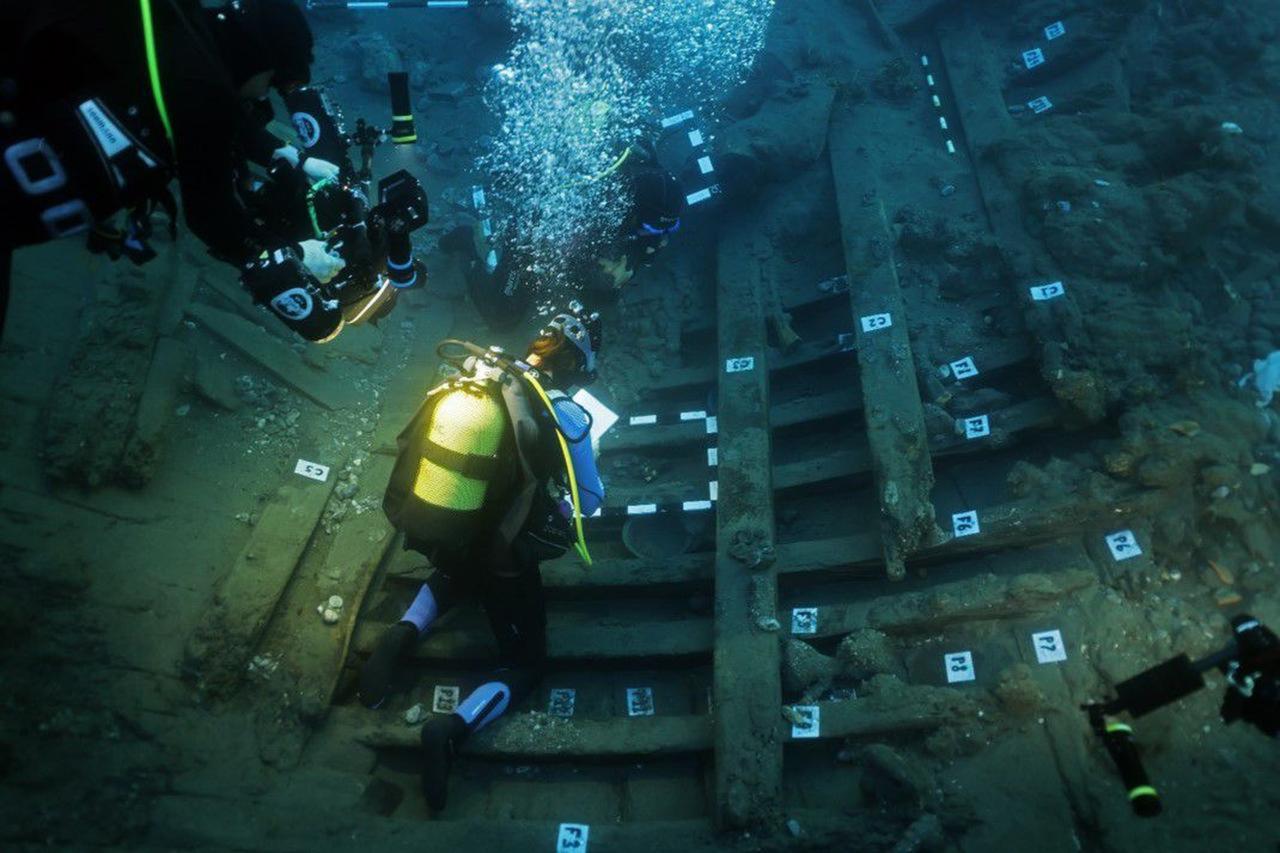
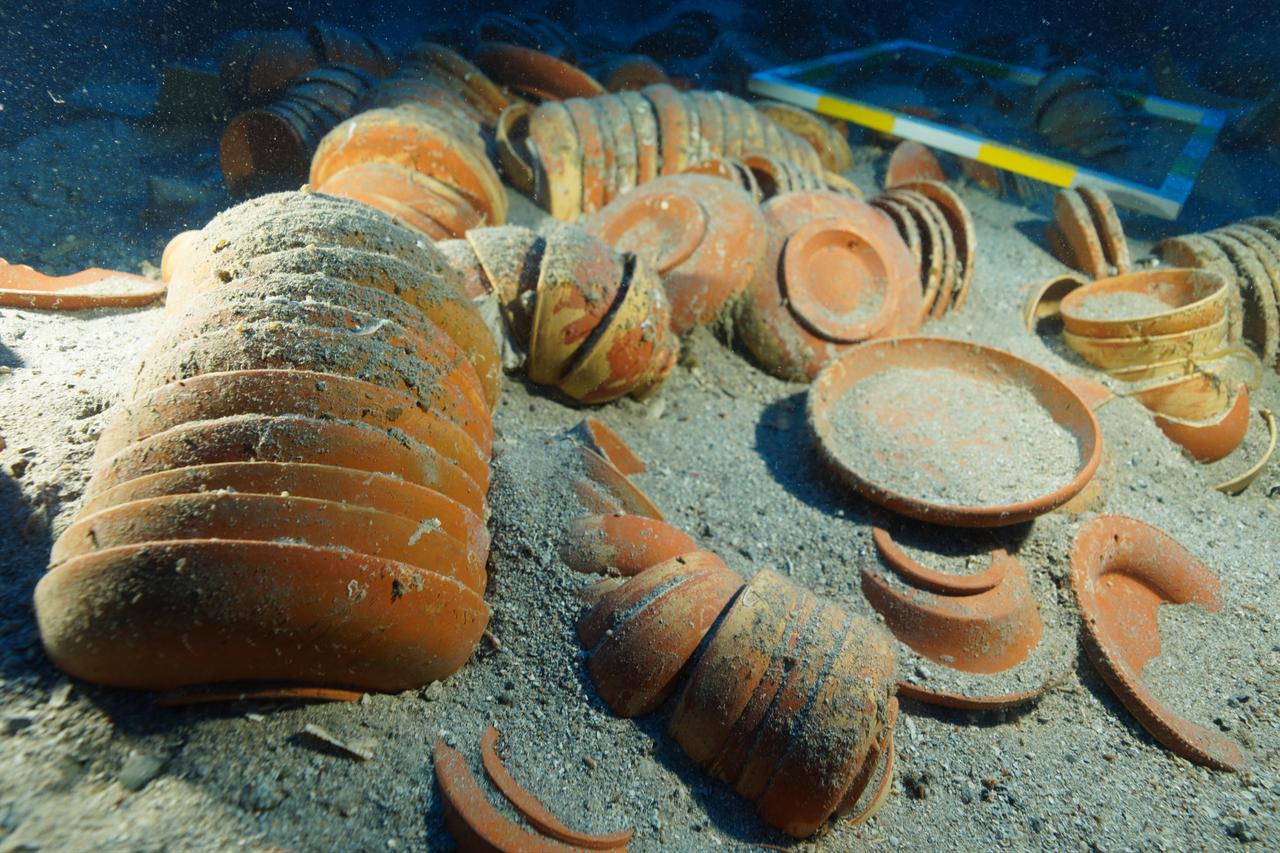
Archaeologists have recovered amphorae dating back up to 4,700 years from a shipwreck near Kekova Island in Antalya, southern Türkiye, offering new evidence of ancient maritime trade routes and daily life aboard vessels in the Eastern Mediterranean.
The underwater excavations, which began in 2026, have brought to light ceramic containers dating between 4,400 and 4,700 years ago, suggesting that the shipwreck belongs to the Early Bronze Age.
Türkiye's Culture and Tourism Minister Mehmet Nuri Ersoy described the discovery as evidence of what he called the world's oldest shipwreck, highlighting its importance for understanding Anatolia's maritime history.
The amphorae, large ceramic vessels used to transport and store goods, are believed to have carried olive oil or wine, while their possible origins point to trade connections across the Eastern Mediterranean.
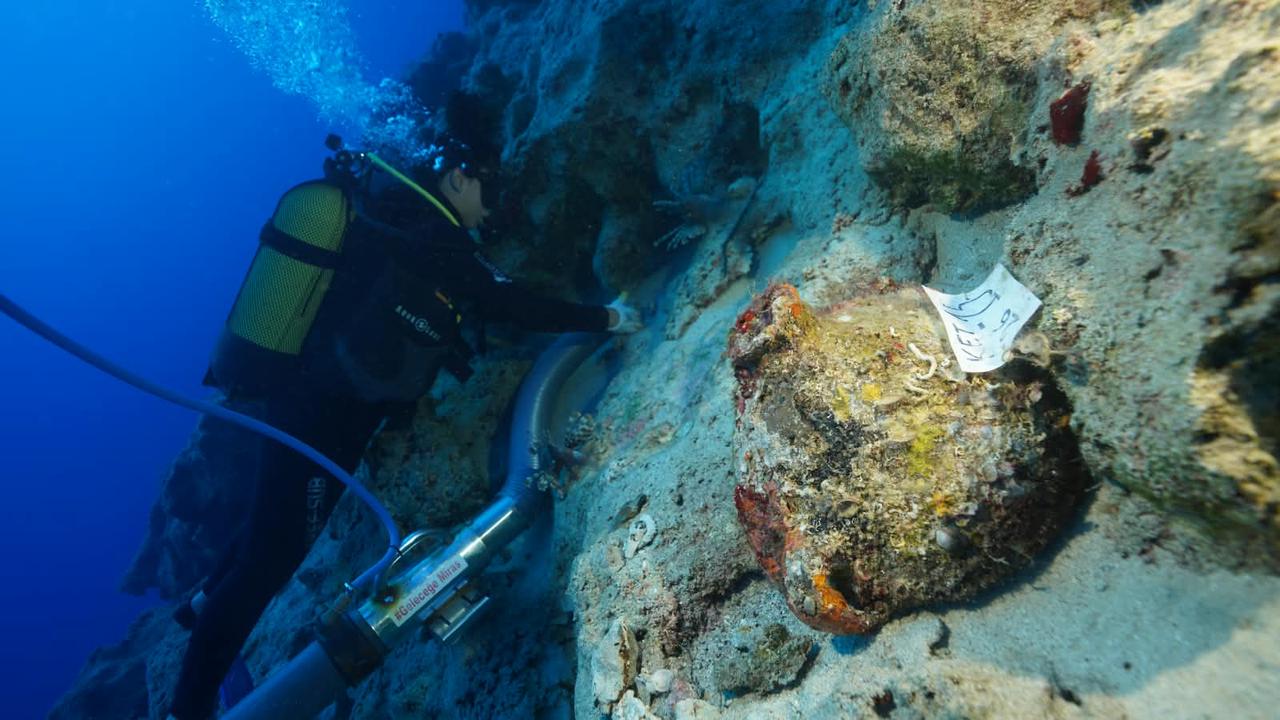

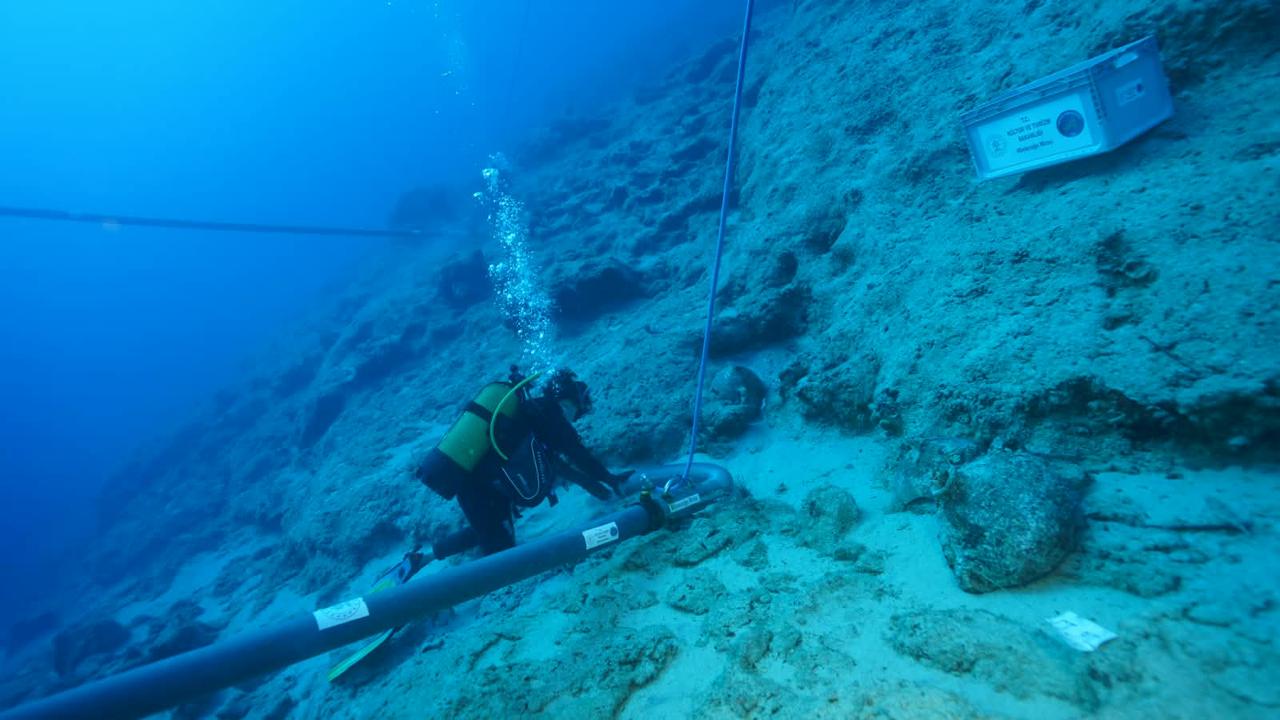
The shipwreck remains were initially identified during underwater archaeological surveys carried out by Akdeniz University near Kekova Island. Excavations subsequently began under the Antalya Museum Directorate, with authorization from the Culture and Tourism Ministry and scientific supervision by Associate Professor Hakan Oniz.
Clay analyses suggest that the amphorae were likely produced in workshops in the Jordan Valley, while similar examples discovered near the Egyptian pyramids of Giza, Saqqara and Abusir, as well as in Troy and Crete, indicate extensive maritime connections.
Researchers believe the vessel may have set sail from a port along the Levantine coast, the eastern Mediterranean shoreline, before heading toward Troy or Crete.
Commenting on the findings, Ersoy emphasized the importance of identifying the vessels' possible origins and comparing them with similar archaeological discoveries.
"Clay analyses indicate that the amphorae were probably produced in workshops in the Jordan Valley. The discovery of similar examples in Egypt, Troy and Crete is of great importance for understanding the trade networks that connected different regions by sea," Ersoy said.
Beyond the ship's commercial cargo, one particularly unusual amphora has raised questions about how sailors lived and sustained themselves during long voyages.
The vessel features nine distinct markings and two holes in its body, leading researchers to suggest that it may have been used as a churn for making cheese or butter.
This possibility has prompted researchers to consider whether ancient sailors transported goats aboard their vessels, milked them during voyages and produced dairy products at sea.
The findings could therefore shed light not only on the movement of goods across the Mediterranean but also on the food supplies and living conditions of sailors nearly five millennia ago.
Ersoy said Türkiye would continue working to uncover Anatolia's maritime history while protecting underwater cultural heritage for future generations. He also congratulated Oniz and the excavation team for their contributions to the research.


 Set as preferred source
 Set as preferred source


 2 min read
 1 min read