Newsletters


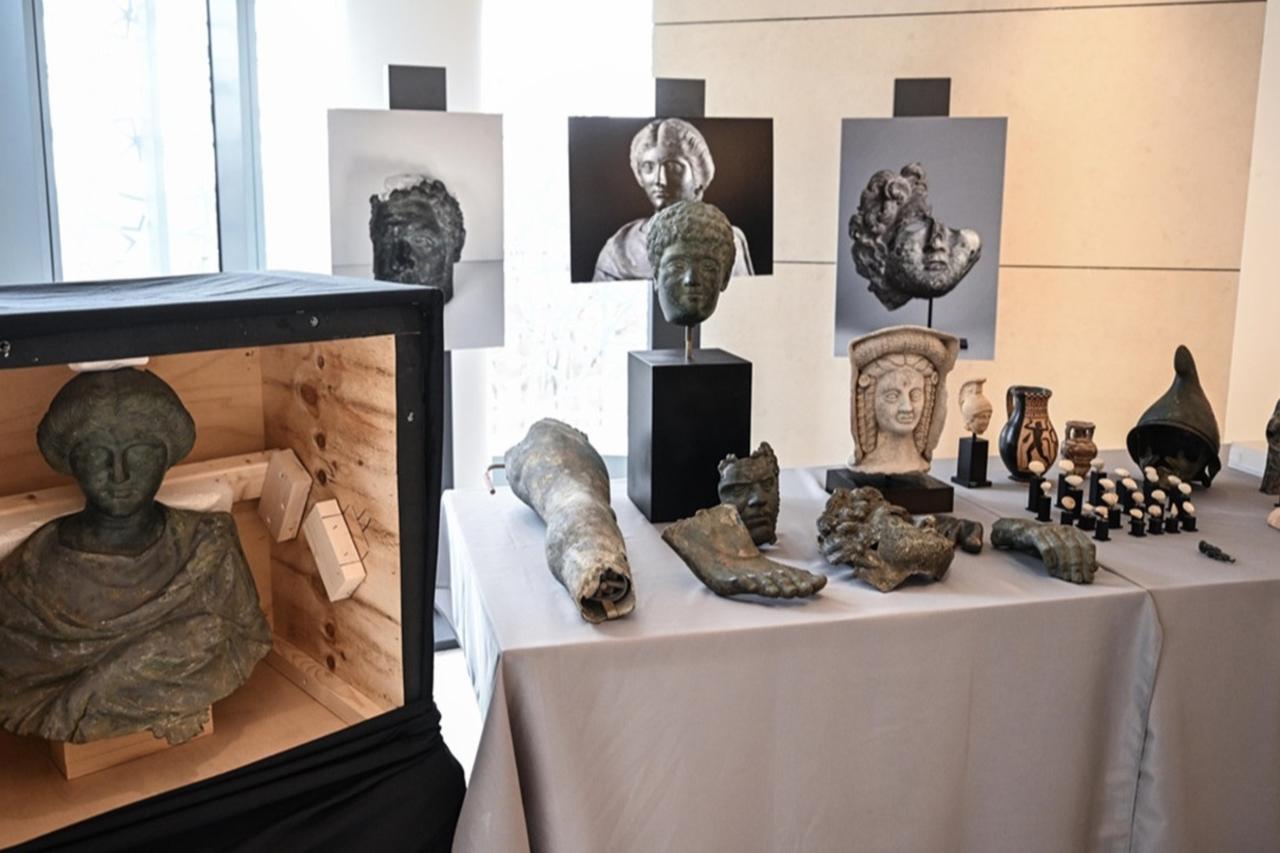


At least 41 historical artifacts of Anatolian origin that were illegally taken out of Türkiye are being returned from the United States, following a handover ceremony in New York that officials say builds on deepening cooperation against the trafficking of cultural property.
At a ceremony held at the Manhattan District Attorney’s Office in New York City, the artifacts, valued at more than $8 million, were handed over to Türkiye’s Deputy Culture and Tourism Minister Gokhan Yazgi.
Manhattan Assistant District Attorney Matthew Bogdanos and Homeland Security Investigations (HSI) Assistant Special Agent in Charge Tom Acocella also took part in the event, during which officials underscored that Türkiye and the United States have been working together to combat the smuggling of historical artifacts and to return looted objects to their countries of origin.
According to the Turkish side, cooperation between the Ministry of Culture and Tourism and the Manhattan District Attorney’s Office has grown over the past five years. Since 2021, this partnership has led to the return of a growing group of cultural assets to Türkiye.
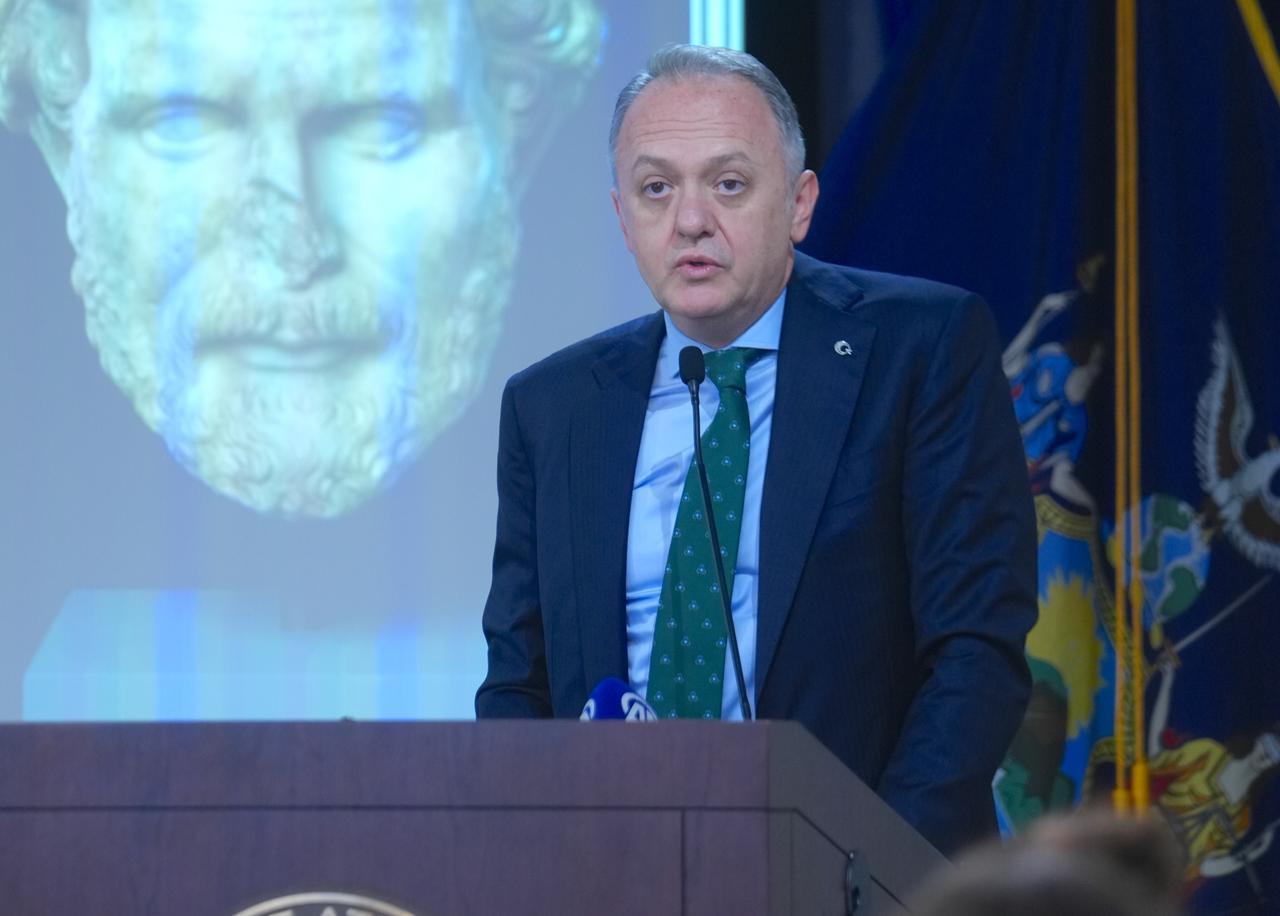

Culture and Tourism Minister Mehmet Ersoy said the latest operation pushed the total number of artifacts repatriated in the republic’s centennial year to 3,059.
After the ceremony, he shared a message on social media in which he said that they were “We are proud," because “a group of our artifacts that were taken out of our country by illegal means” had been handed back at the Turkish House in New York. He noted that, as a result of joint work with the Manhattan District Attorney’s Office and the Homeland Security Investigations unit, a total of 41 cultural assets, including bronze heads, a bust and silver figurines, were “returning home.” He added that the ministry would keep working to protect the heritage of these lands.
Deputy Minister Gokhan Yazgi and the accompanying delegation formally took delivery of the objects at the Turkish House, which serves as Türkiye’s diplomatic and cultural base in the city.
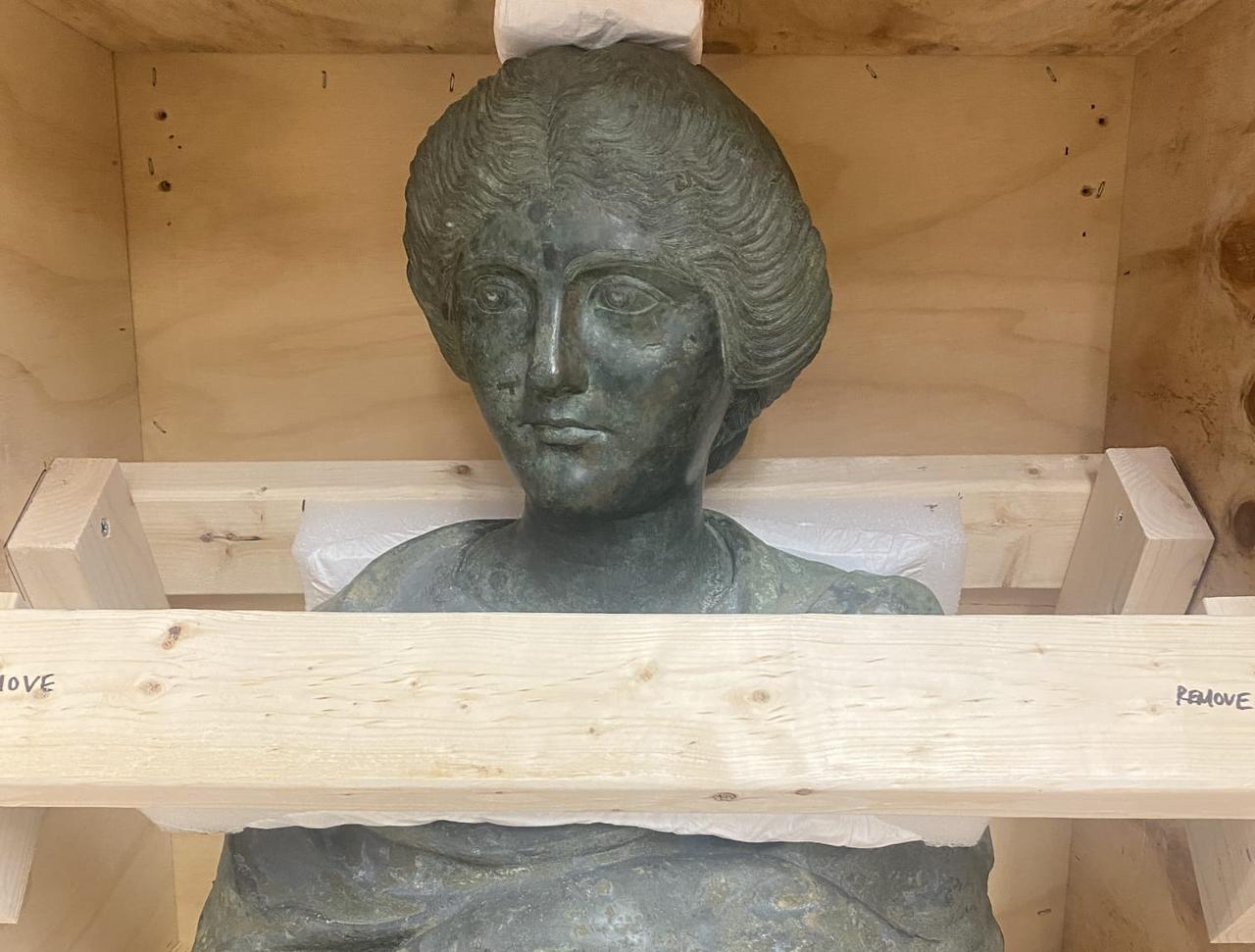
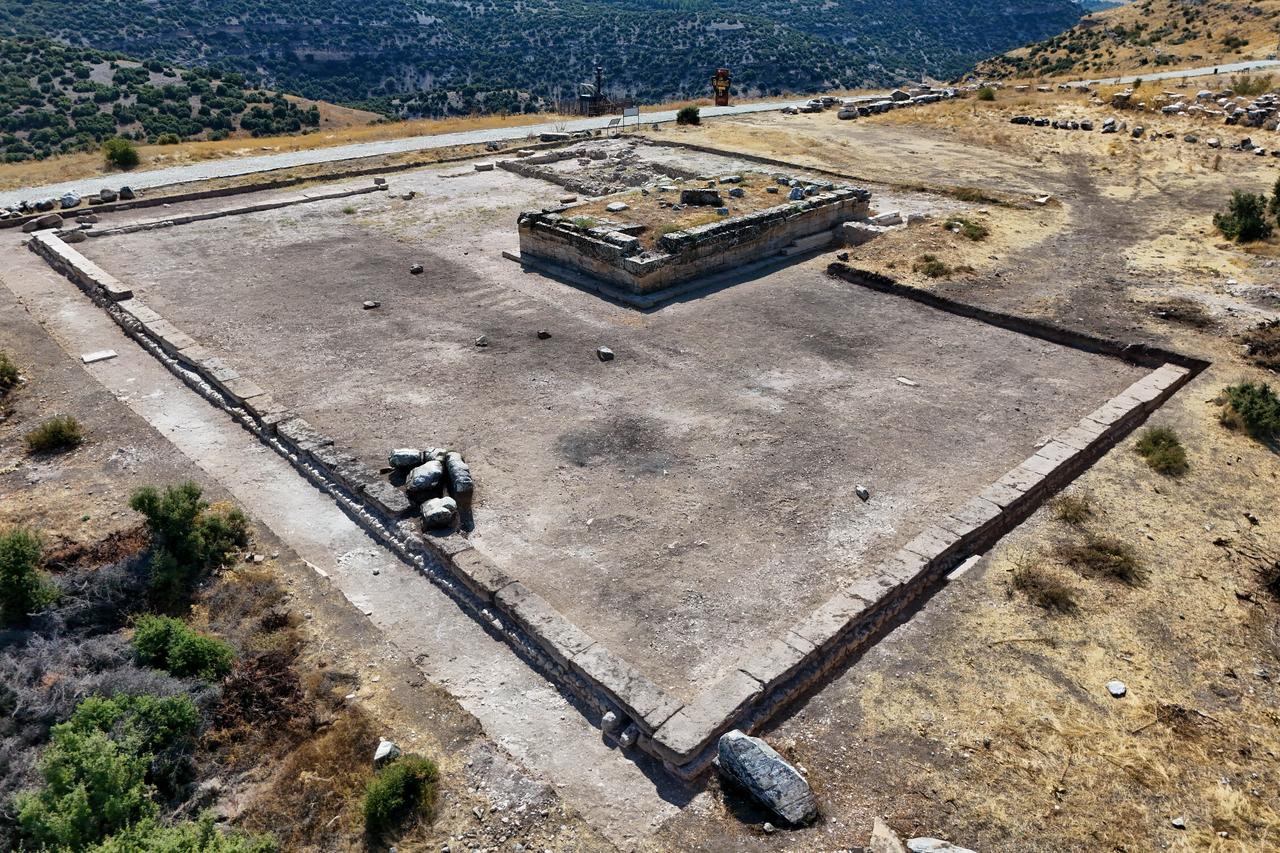
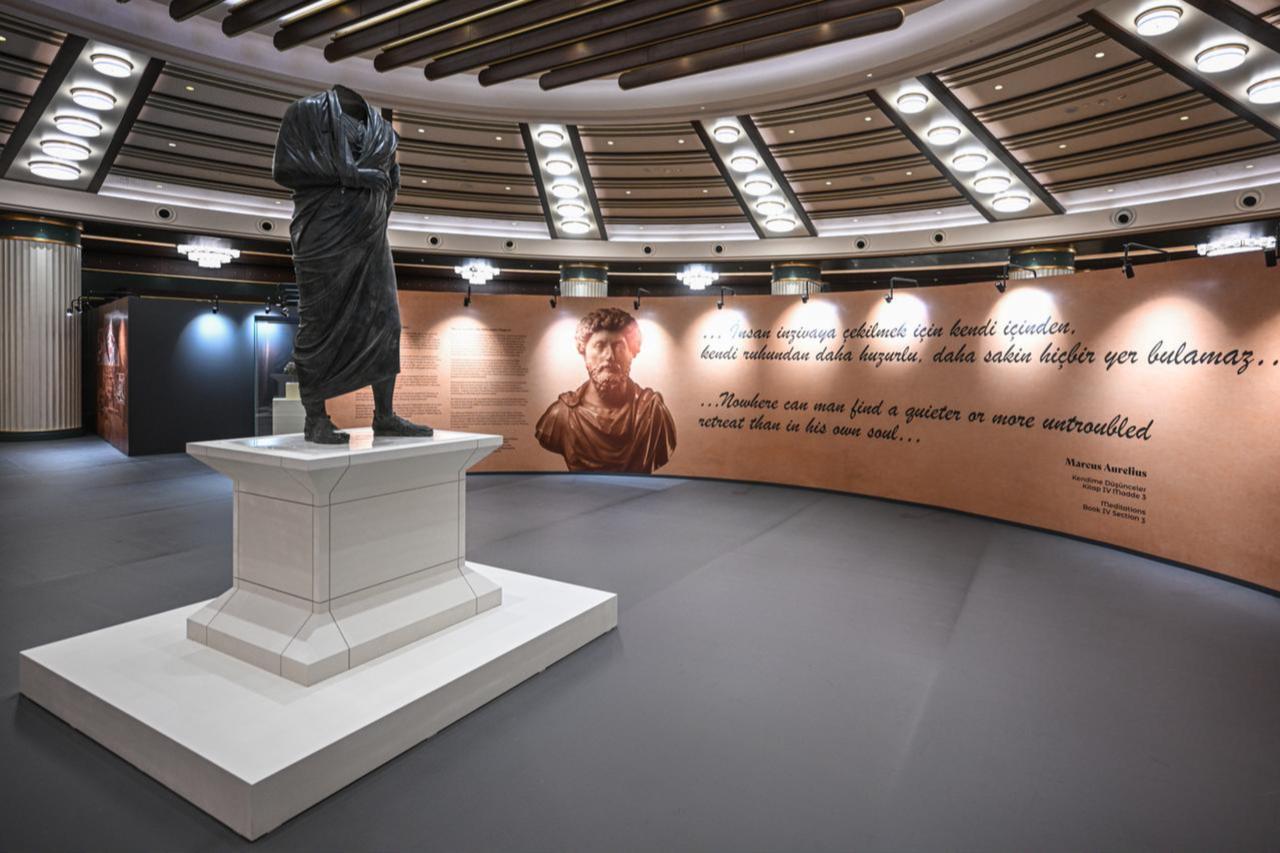
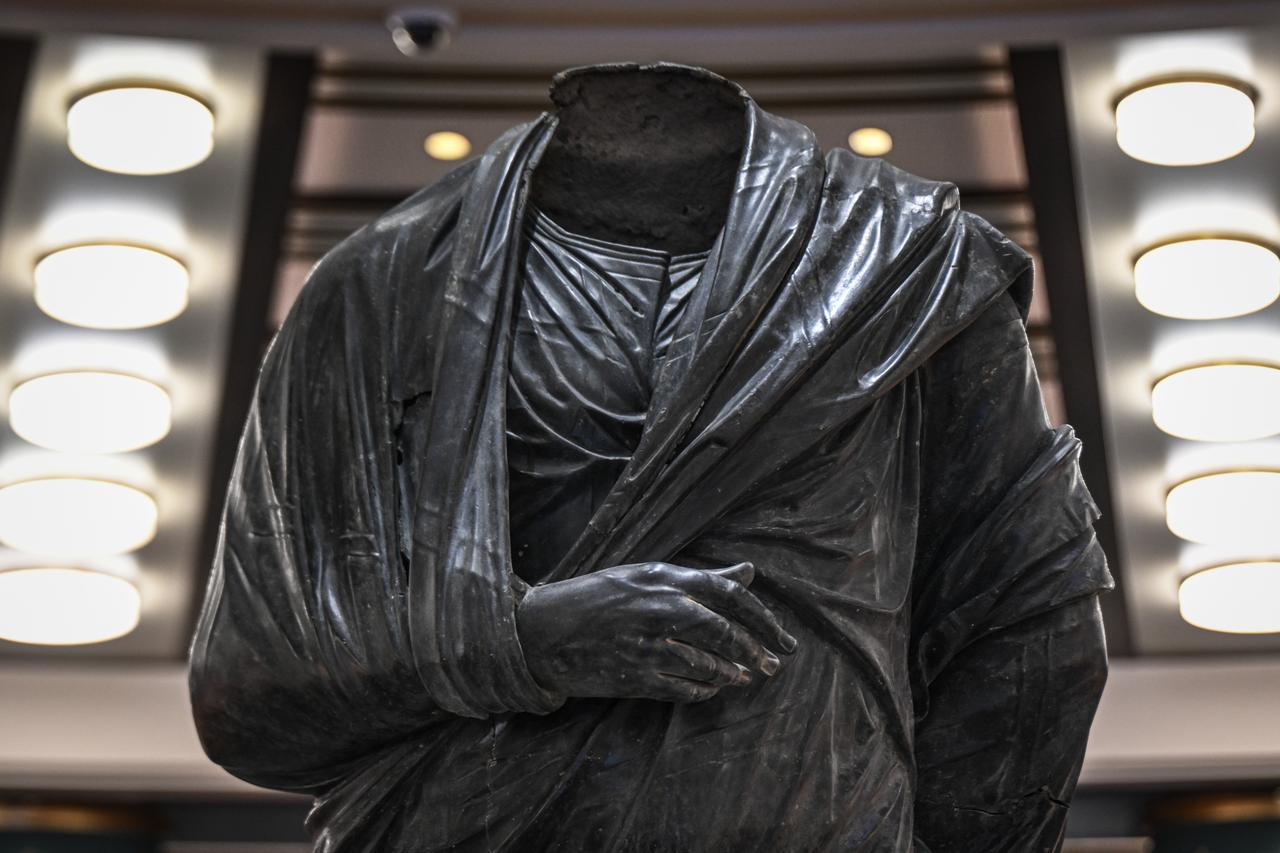
A prominent group among the returned artifacts comes from Boubon, an ancient city near the village of Ibecik in the Golhisar district of Burdur province in southwestern Türkiye. The items from Boubon include three bronze statue heads, a bronze female bust and four body fragments belonging to bronze sculptures, which are described as important works of Roman-period sculpture in Anatolia.
These bronzes were taken abroad after illicit excavations at Boubon in the 1960s. Two of the heads, identified as a Young Caracalla and a Mature Caracalla, are thought to belong to statues that once stood in the city’s Sebasteion, a sacred area where statues of deified Roman emperors were erected. Because of this connection to the imperial cult, they occupy a special place within the group.
The latest returns follow earlier repatriations from the same site. In 2022 and again in March 2023, two bronze statues from the Sebasteion complex, depicting Lucius Verus and Septimius Severus, were also brought back to Türkiye.
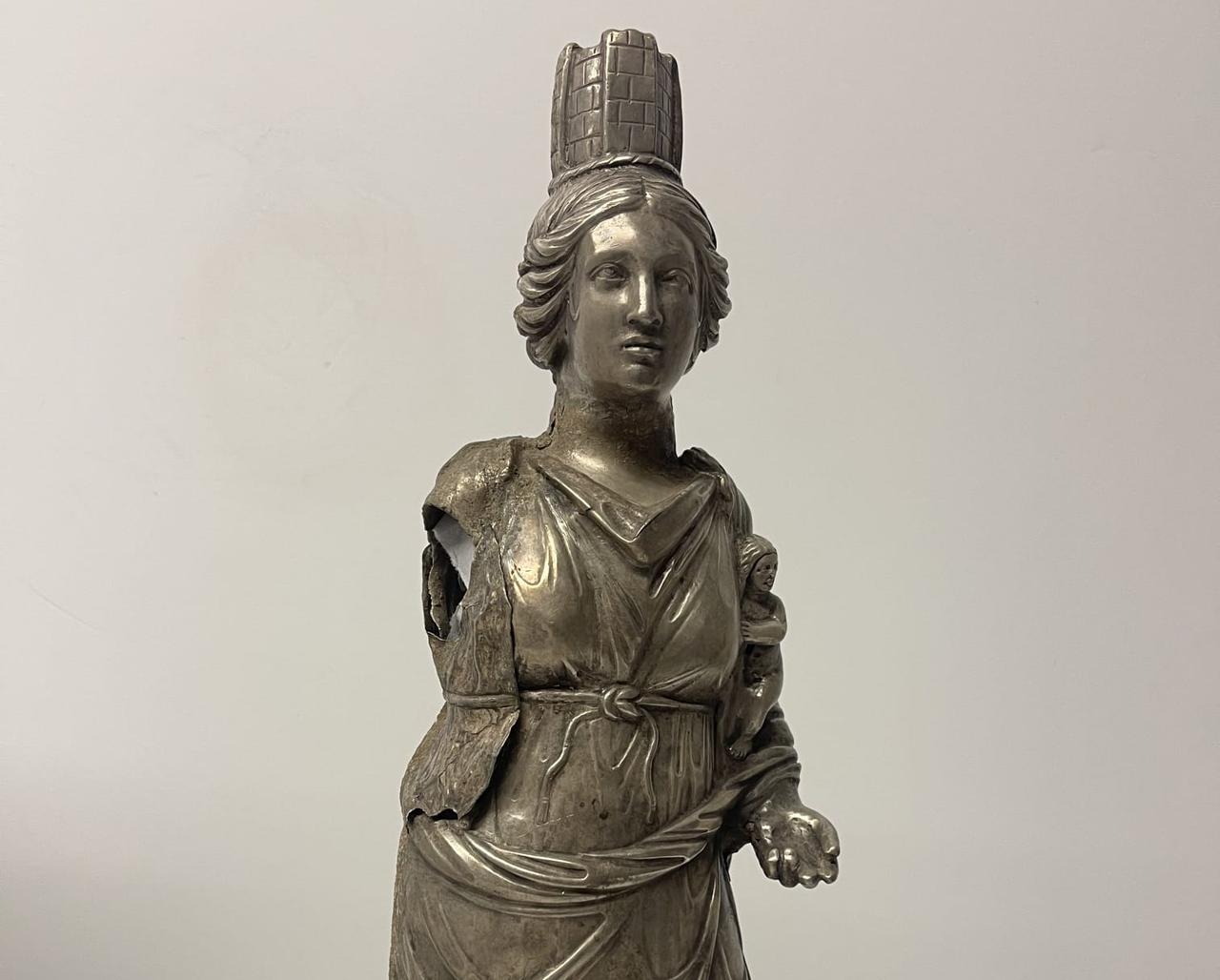
Alongside the Boubon bronzes, several other sculptural works are being returned. These include a terracotta female head dated to the sixth century B.C., a bronze weight in the form of the Roman goddess Minerva, and a marble head of Minerva from the Roman period.
The group also features a terracotta figurine of Kybele (Cybele), the Anatolian mother goddess, a silver Kybele figurine, a bronze Satyr figurine and a silver female figurine, all of which point to the range of religious imagery once created in the region.
Among the metal objects are two bronze helmets described as being of Phrygian type. They are modeled on the distinctive leather cap worn by Thracians and Phrygians and are said to have been used especially by infantry soldiers. These helmets are dated to the fourth century B.C.
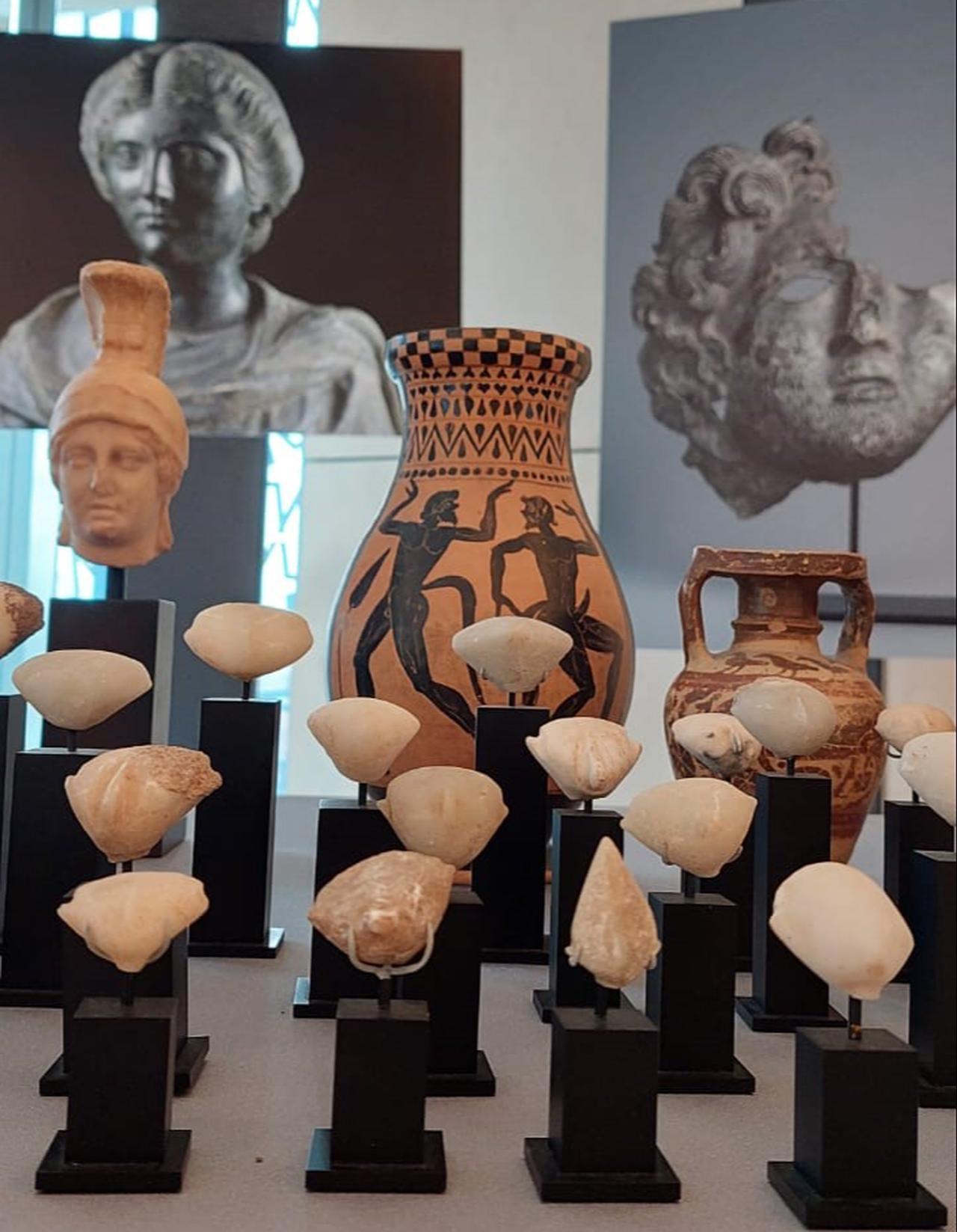
One of the most significant groups within the shipment consists of 22 heads of Kilia-type idols. These small stylised figures, often made in a highly abstract form, are regarded as a distinct idol type specific to Anatolia.
The only known production center, or workshop, for Kilia type idols is the village of Kulaksizlar in the Akhisar district of Manisa province. Finds of these idols, however, have been reported from a wide area stretching from Canakkale in the north down to the southwestern corner of western Anatolia as far as Antalya.
Kilia-type idols usually come from settlements dating to the Late Chalcolithic period, roughly the fifth millennium B.C., and the Early Bronze Age, around the third millennium B.C., which means they help trace local belief systems in western Anatolia long before the rise of classical cities.
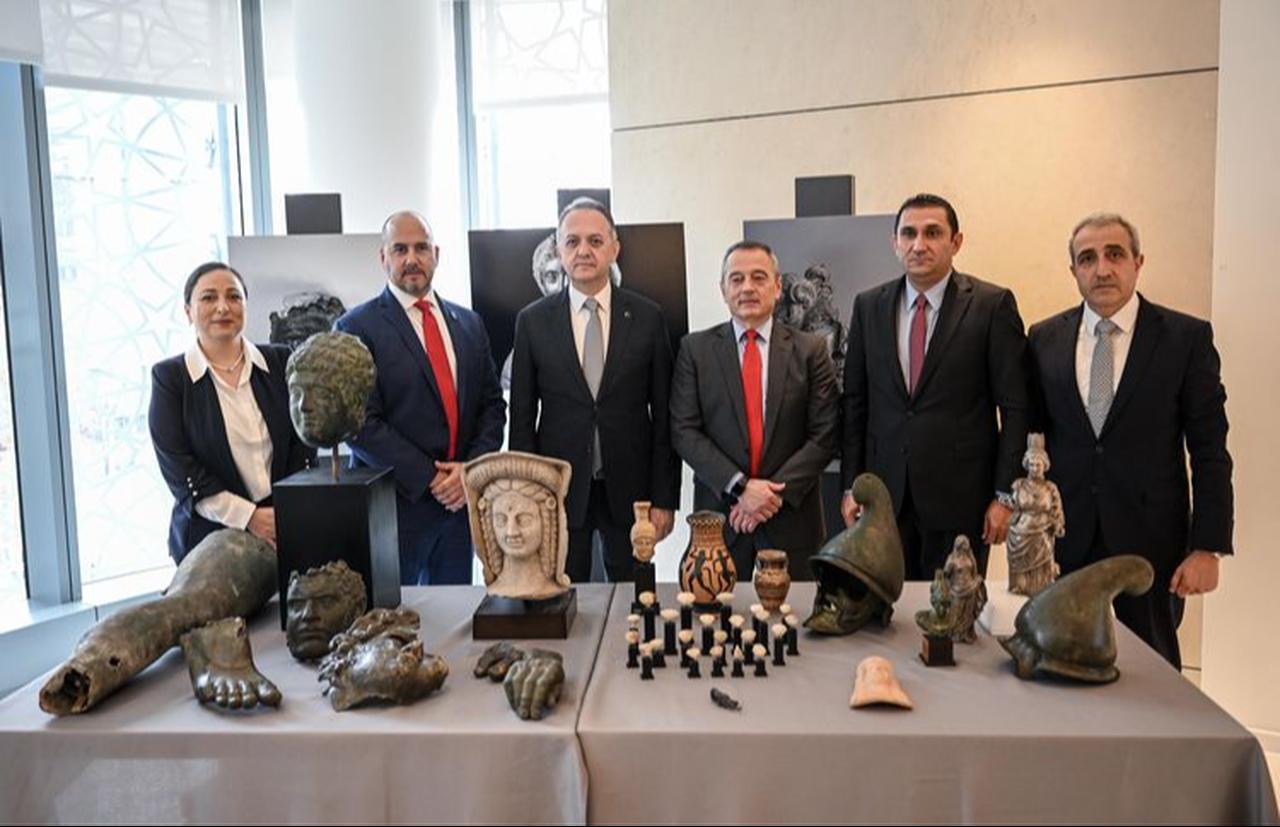
The artifacts also include a terracotta vase decorated in the so-called wild goat style, a ceramic tradition that dominated western Anatolia in the seventh and sixth centuries B.C.
Another highlight is a pouring vessel known as an olpe, produced using the black figure technique. The form of this olpe is described as one of the earliest examples of its type. In antiquity, such vessels were used to serve drinks, and examples with red figure decoration are also known. On this particular olpe, dancing Satyrs appear in the decoration, adding to its importance within the group.
The Turkish authorities stated that all of the artifacts handed over in the United States are expected to arrive in Türkiye by the end of December, when they will once again stand on the soil from which they were removed.


 Set as preferred source
 Set as preferred source


 1 min read
 1 min read