Newsletters


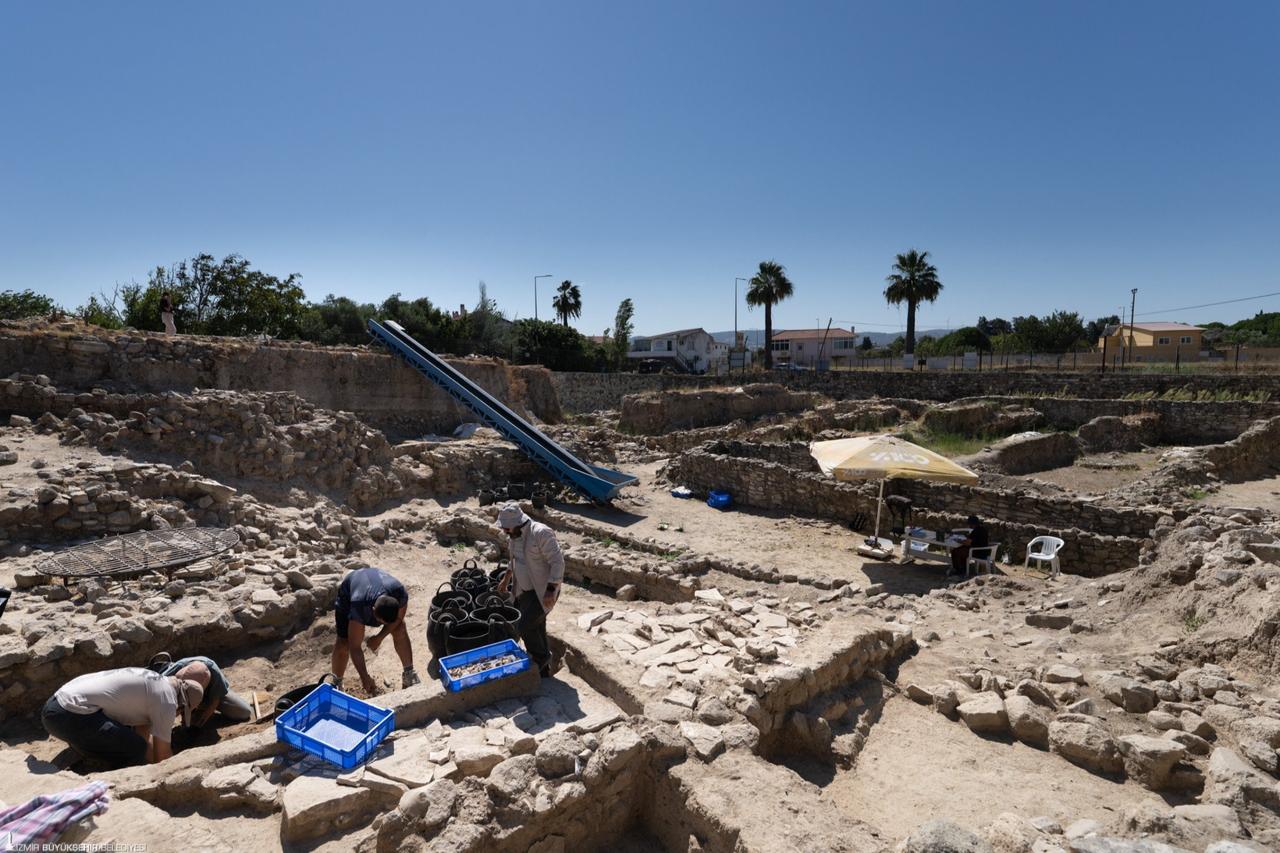


Archaeologists have uncovered an approximately 5,000-year-old stone drainage system at Liman Tepe, an ancient coastal settlement in Izmir province in western Türkiye, providing new evidence of how its inhabitants managed rainwater within a fortified town.
The system consists of stone-built channels running between terraces at different elevations and is believed to have directed rainwater toward a specific part of the settlement, according to excavation director Professor Vasif Sahoglu.
Sahoglu said the structure was unlikely to have been connected to drinking water and instead appeared to have been designed to deal with runoff in an area that slopes toward the center of the settlement.
"Between the terraces, there is a drainage system built with stones. It is a system that we do not know much about in western Anatolia, and there are very few examples in the Aegean. We will examine it in greater detail," he said.
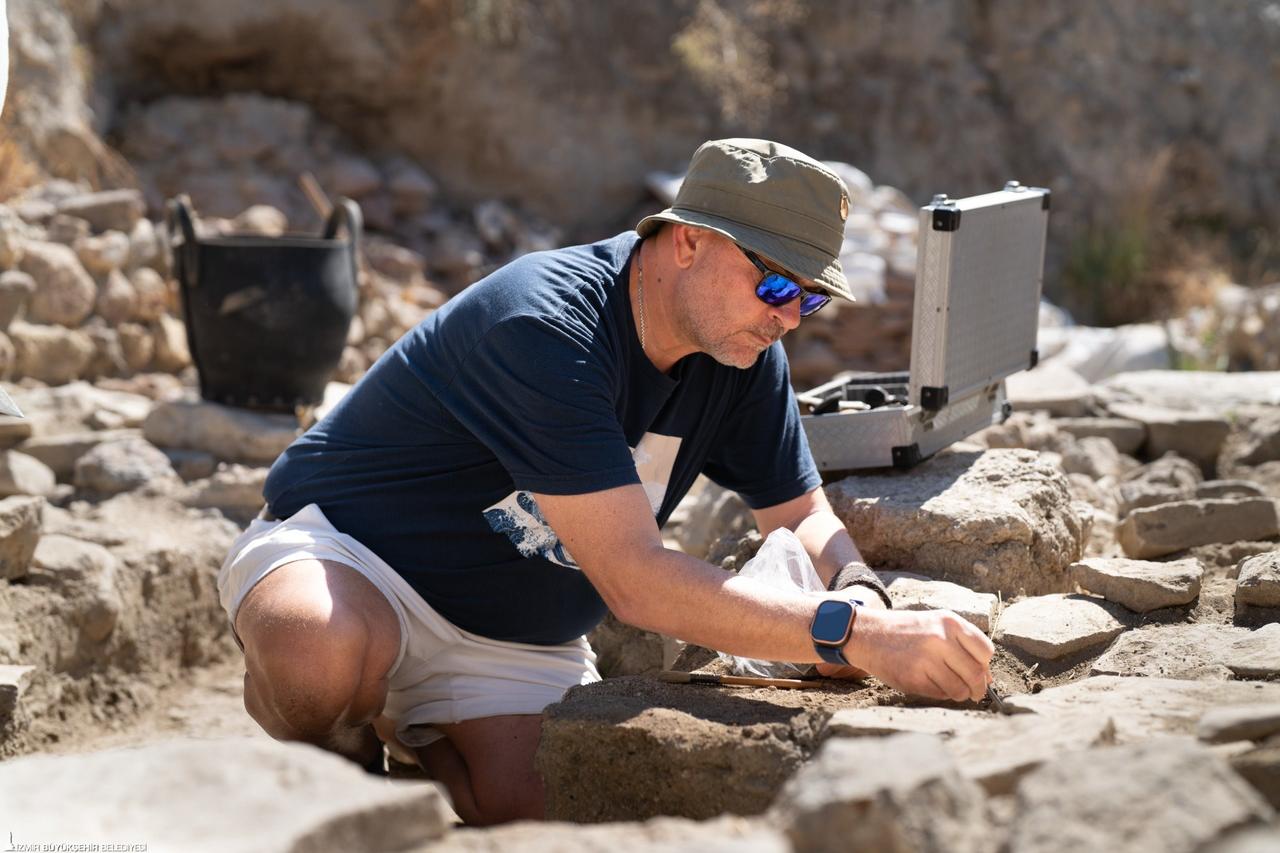

Excavations at Liman Tepe began in 1992 under Professor Hayat Erkanal and have been led by Sahoglu since 2020 on behalf of Ankara University.
Researchers are looking into around 7,000 years of settlement history at the site in Urla, while this year's work has focused partly on a section dating back approximately 5,000 years.
The excavated area was once enclosed by defensive walls and included streets lined with structures researchers call "long houses." According to Sahoglu, the team is effectively working inside a street used by the settlement's inhabitants around five millennia ago.
The long houses are more than 25 meters (82 feet) in length and around 5 meters wide, making them some of the largest known structures of their period in the Aegean.
Evidence uncovered inside the houses suggests that domestic life and production took place under the same roof.
Sahoglu said one house showed evidence of metal production, while another contained loom weights associated with textile making. Researchers therefore describe the buildings as "workshop-houses," where people both lived and carried out specialized production.
Large ceramic vessels fixed into the ground have also been found near the entrances of some houses. These may have been used to store water, grain or other products, although their contents have not yet been determined.
Researchers plan to analyze soil samples from the vessels for traces such as burned seeds and microscopic remains that could help establish what was once stored inside them.
The discoveries also add to evidence that Liman Tepe maintained overseas connections thousands of years ago.
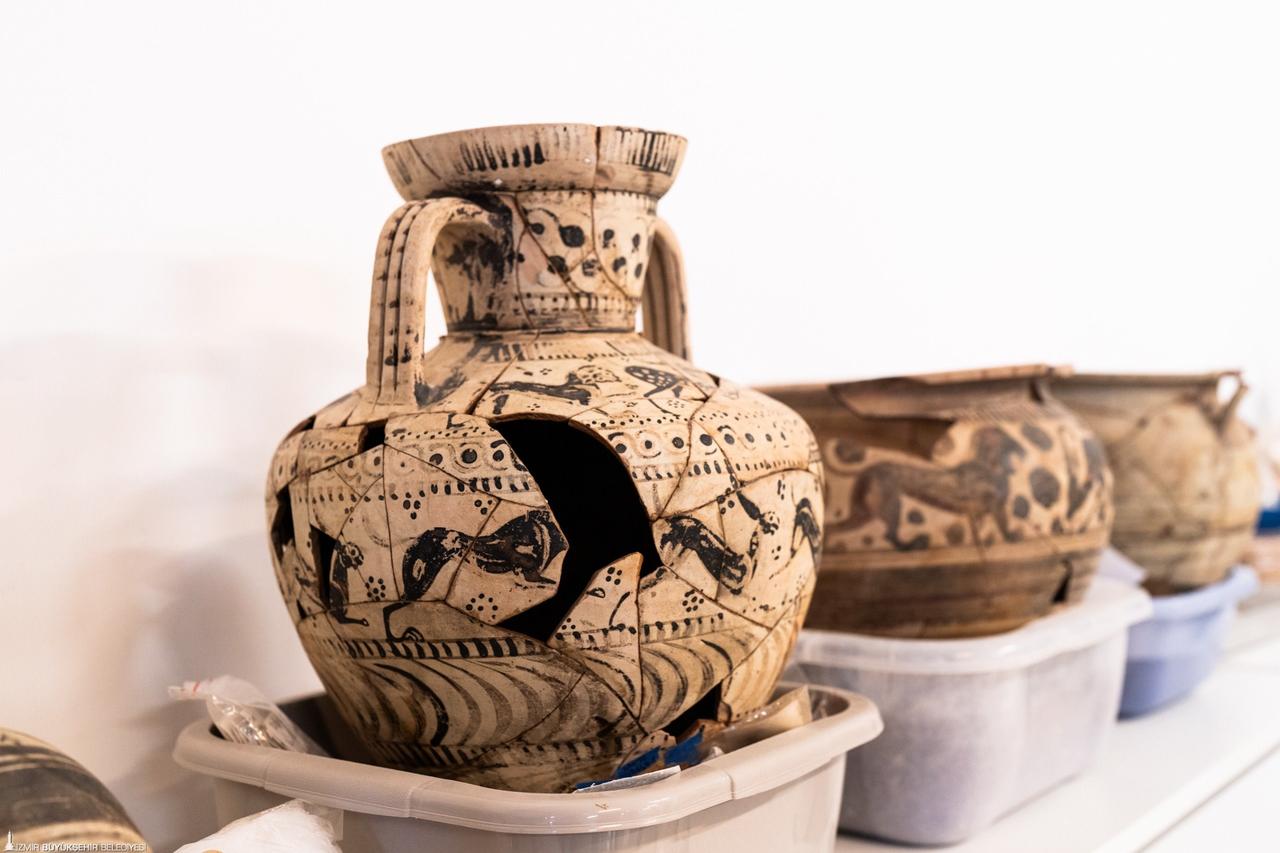
Ceramics identified as products of the Cyclades, the island group in the central Aegean Sea, have been uncovered at the settlement. Sahoglu said such pottery is rare in Anatolia and shows that Liman Tepe had maritime connections with the Aegean islands around 4,500 years ago.
The vessels may have carried products such as olive oil or wine, although their original contents remain uncertain.
Evidence of seaborne exchange stretches even further back. Layers dating to around 7,000 years ago have produced obsidian originating from Melos, an Aegean island known as a source of the volcanic glass used for cutting tools before widespread metal use.
Archaeologists also uncovered a small workshop where larger pieces of obsidian may have been worked into tools after reaching Liman Tepe.
"People managed to cross the seas and bring this material here 7,000 years ago," Sahoglu said. "Liman Tepe has always faced toward the sea."
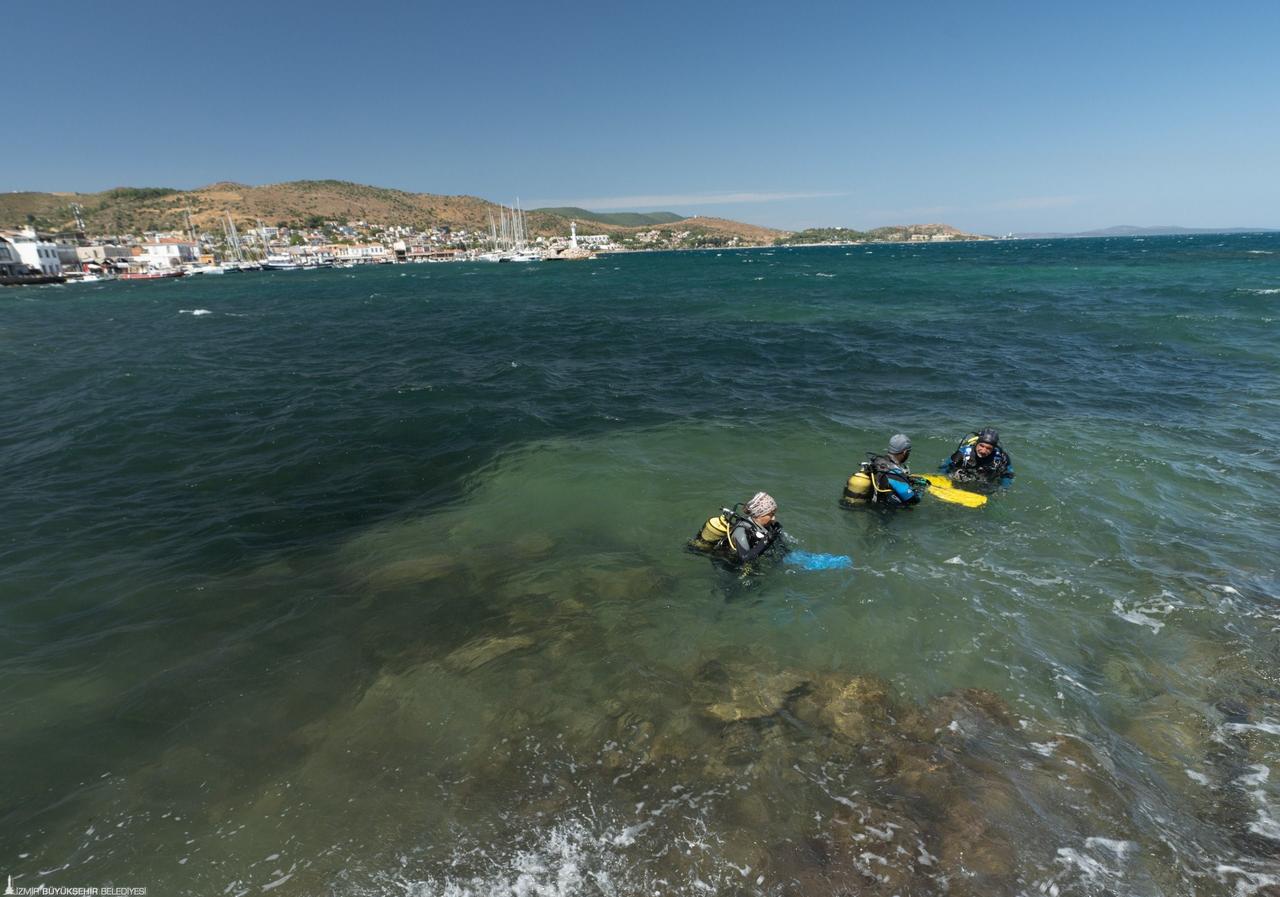
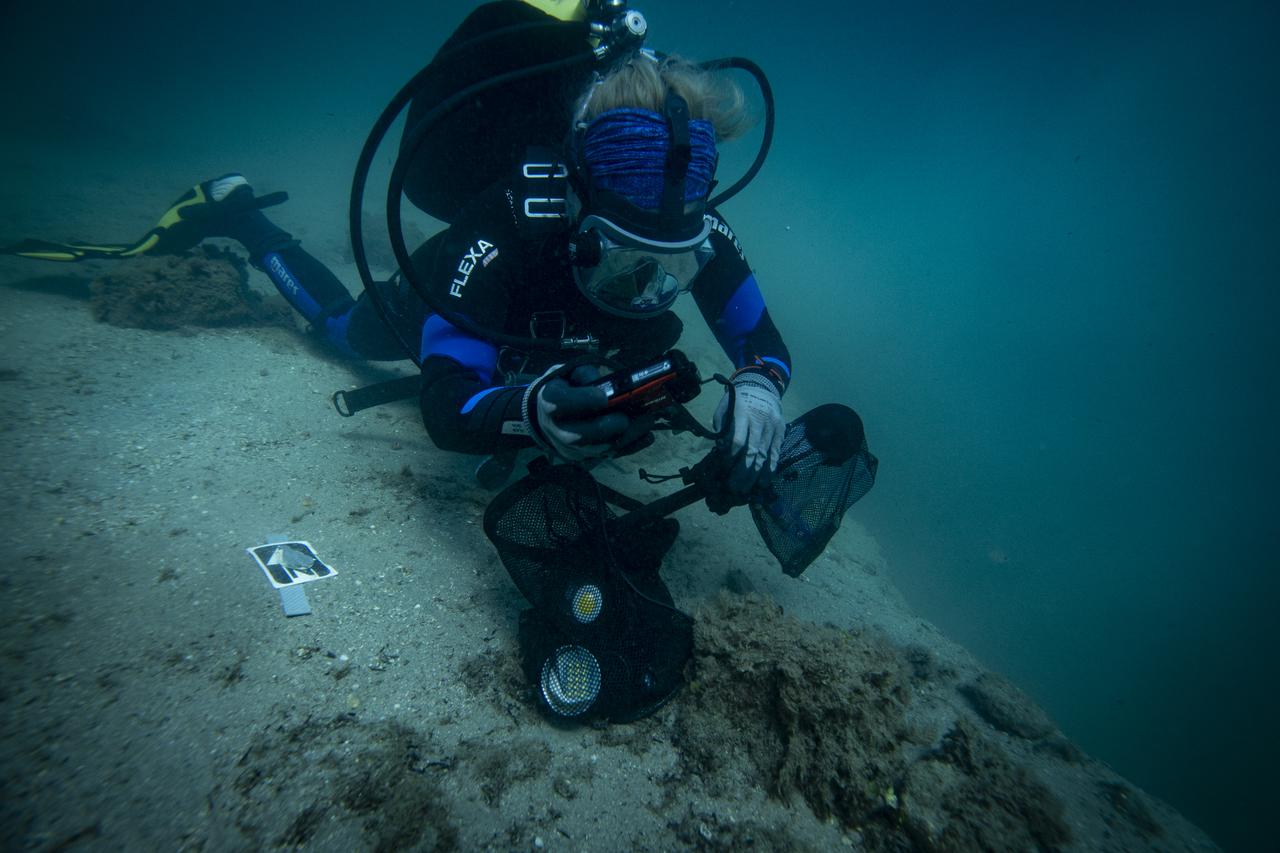
Research at Liman Tepe extends beyond the land settlement into the submerged ancient harbor, where excavations have been carried out since 2000.
Sahoglu said Liman Tepe was the site of Türkiye's first underwater harbor excavations. This season, researchers have drilled at different points around the stone breakwater, a structure built to protect a harbor from waves, in an effort to establish when it was constructed and how long it remained in use.
The underwater work has brought up not only amphorae and ceramics but also organic remains including olive pits, grape seeds and hazelnuts, offering evidence about the settlement's economic and maritime activity.
Conserving the finds can take years, particularly because objects recovered from the sea must be cleaned of salt and marine deposits before specialists can begin putting fragmented vessels back together.
Sahoglu said some vessels have continued to produce matching fragments for as long as a decade, describing the excavation and conservation work as a project that will continue across generations.
The Liman Tepe excavations are supported by Türkiye's Ministry of Culture and Tourism and Ankara University, while Izmir Metropolitan Municipality is also providing funding as part of its archaeological excavation support program.


 Set as preferred source
 Set as preferred source


 1 min read
 1 min read