Newsletters


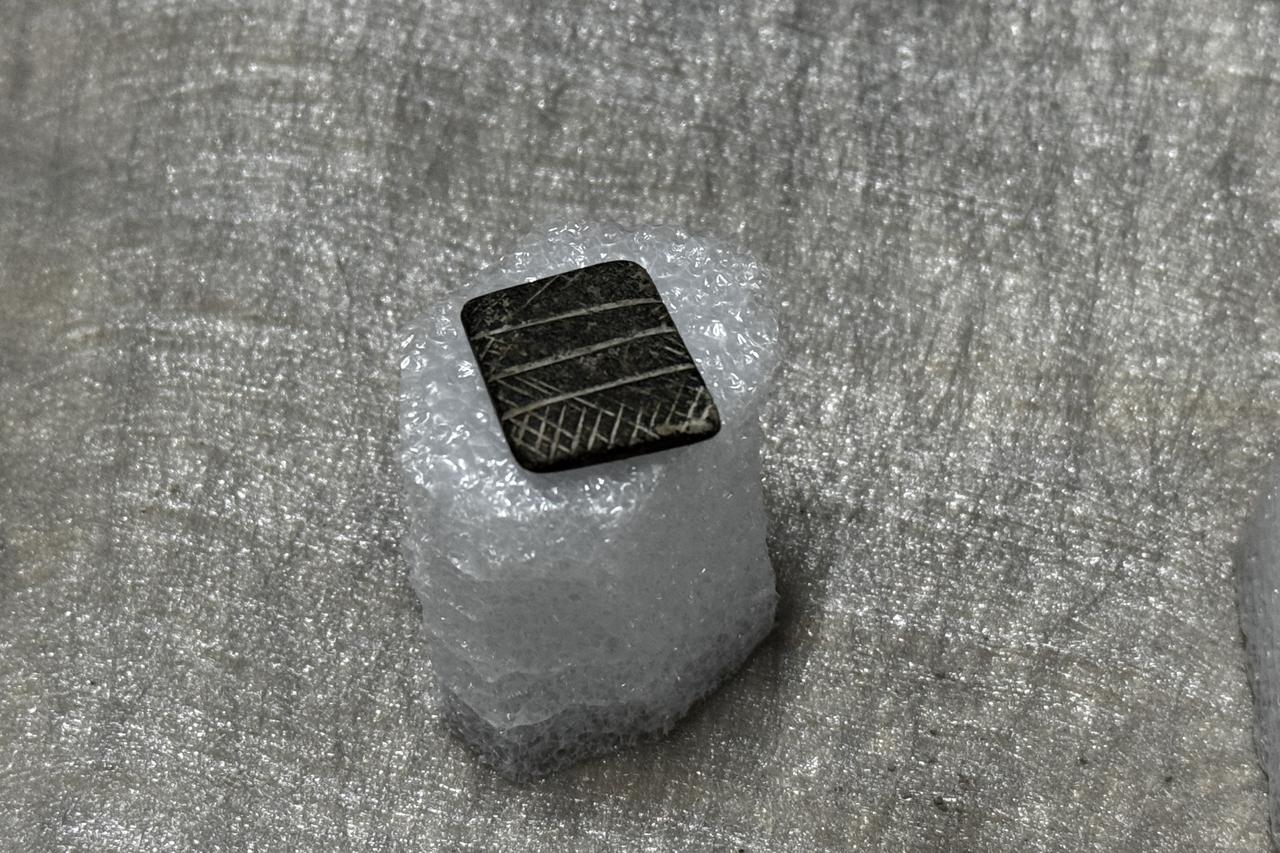


Archaeological excavations at Tadim Fortress and Hoyuk (Mound) in eastern Türkiye have brought to light a stone seal estimated to be around 7,500 years old, offering rare evidence that organized settlement and social structures in the Elazig region date back to the Neolithic period.
The newly discovered stone seal was uncovered during ongoing excavations carried out under the coordination of the Elazig Museum Directorate and the Provincial Directorate of Culture and Tourism, with support from the Ministry of Culture and Tourism and the Elazig Governorate. According to officials, the seal is thought to have functioned as a marker of ownership, property, or personal identity, a concept that signals an advanced level of social organization for such an early period.
Governor Numan Hatipoglu said the object is unique for the city, noting that no comparable stone seal had previously been identified in Elazig. He underlined that ongoing studies are focusing on how the seal was used and what it reveals about daily life, administration, and social relations in the region during the Neolithic age.
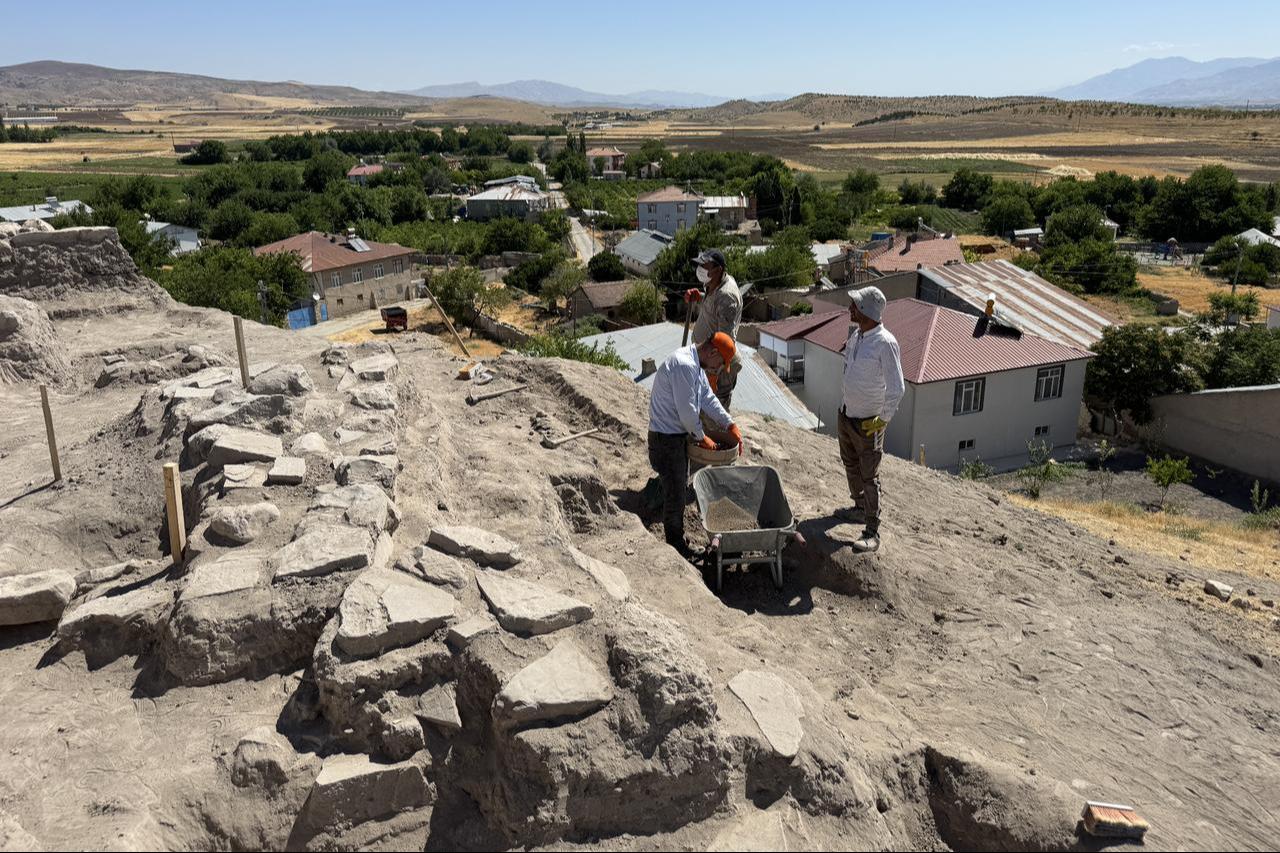

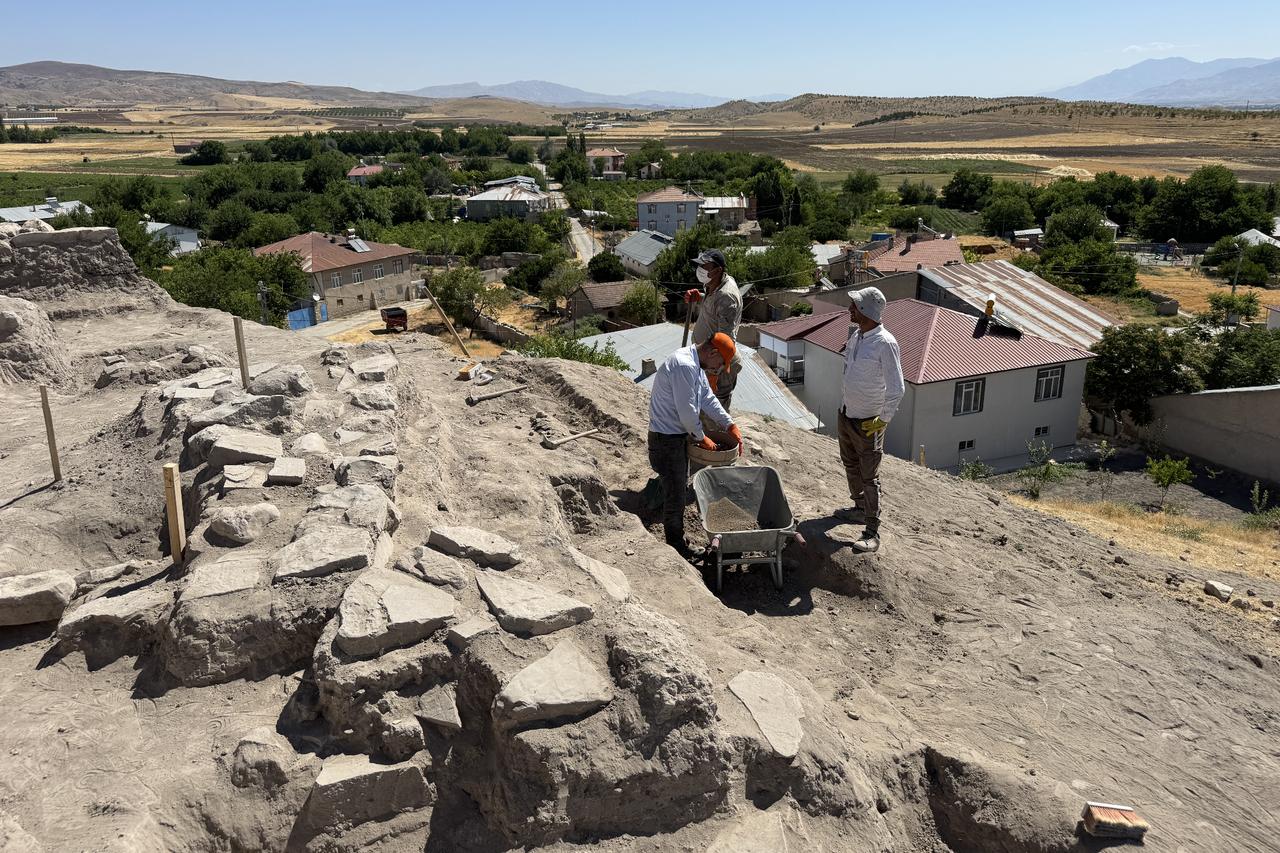
Excavations at Tadim Fortress and Hoyuk, located in the village of Tadim near the city center, began last year and were temporarily halted due to winter conditions. The site has been included in the Ministry’s “Heritage for the Future Project,” which aims to preserve and interpret key archaeological areas across Türkiye.
Archaeologists working at the site have uncovered remains spanning several historical layers. Upper levels have produced finds from the Ottoman, Seljuk, Roman, and Byzantine periods, as well as material dating back to around 3,500 B.C. As the team dug deeper, the discoveries began to point clearly toward Neolithic settlement, culminating in the discovery of the stone seal.
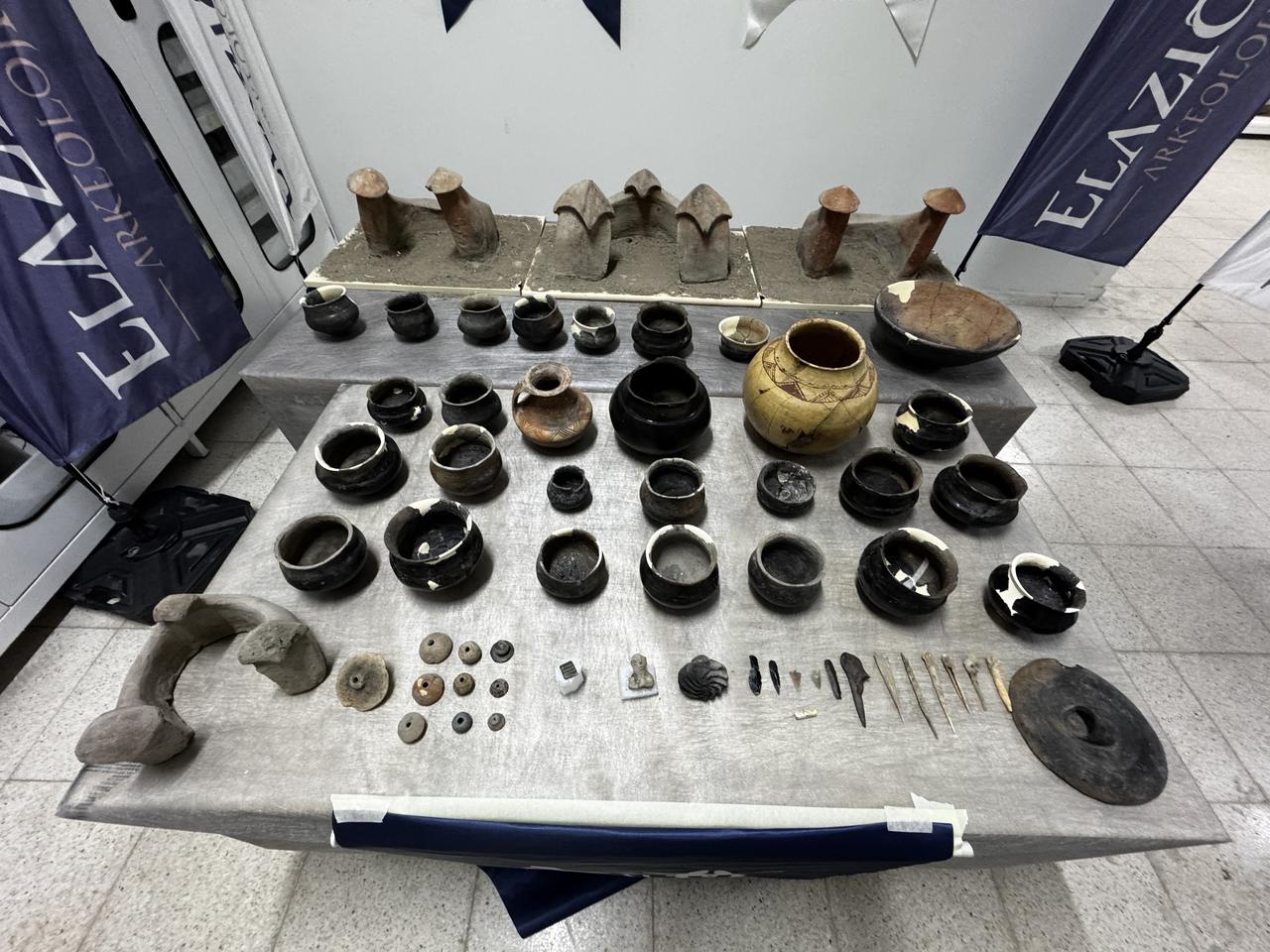
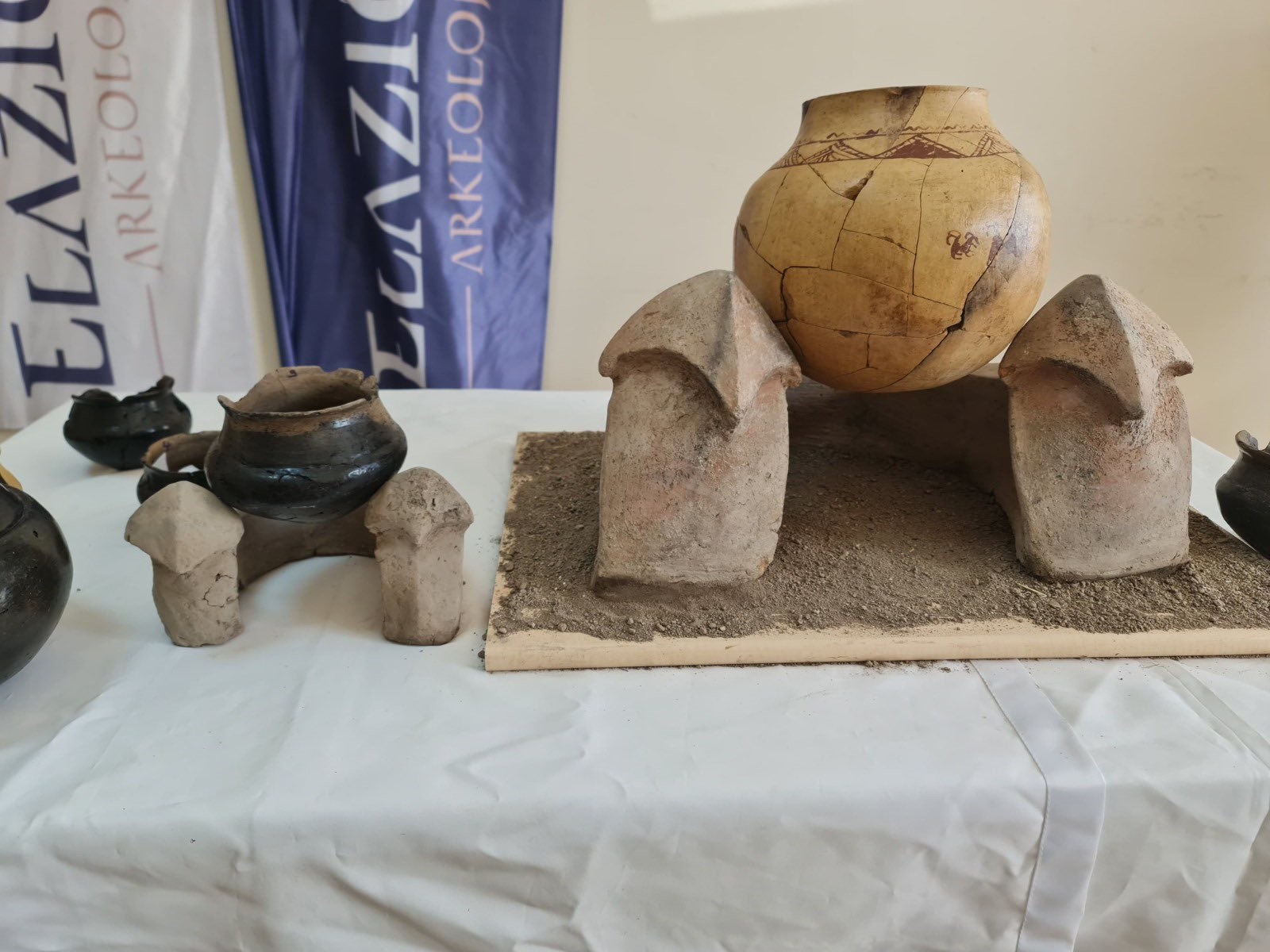
Alongside the seal, excavations have already turned up a wide range of significant artifacts, including three sacred hearths, Nakhchivan-type Karaz pottery associated with early Transcaucasian cultures, arrowheads, everyday tools, stylized figurines, and vessels decorated with geometric patterns and mountain goat motifs. One of the most striking finds is a bull-headed altar dating to the Late Chalcolithic and Early Bronze Age, indicating ritual practices tied to belief systems and communal life.
A stamp seal used in grain exchange, known locally as a “cec damga muhru,” further highlights the existence of structured economic activity. Together, these objects show a settlement where ritual, trade, and daily life were closely intertwined.
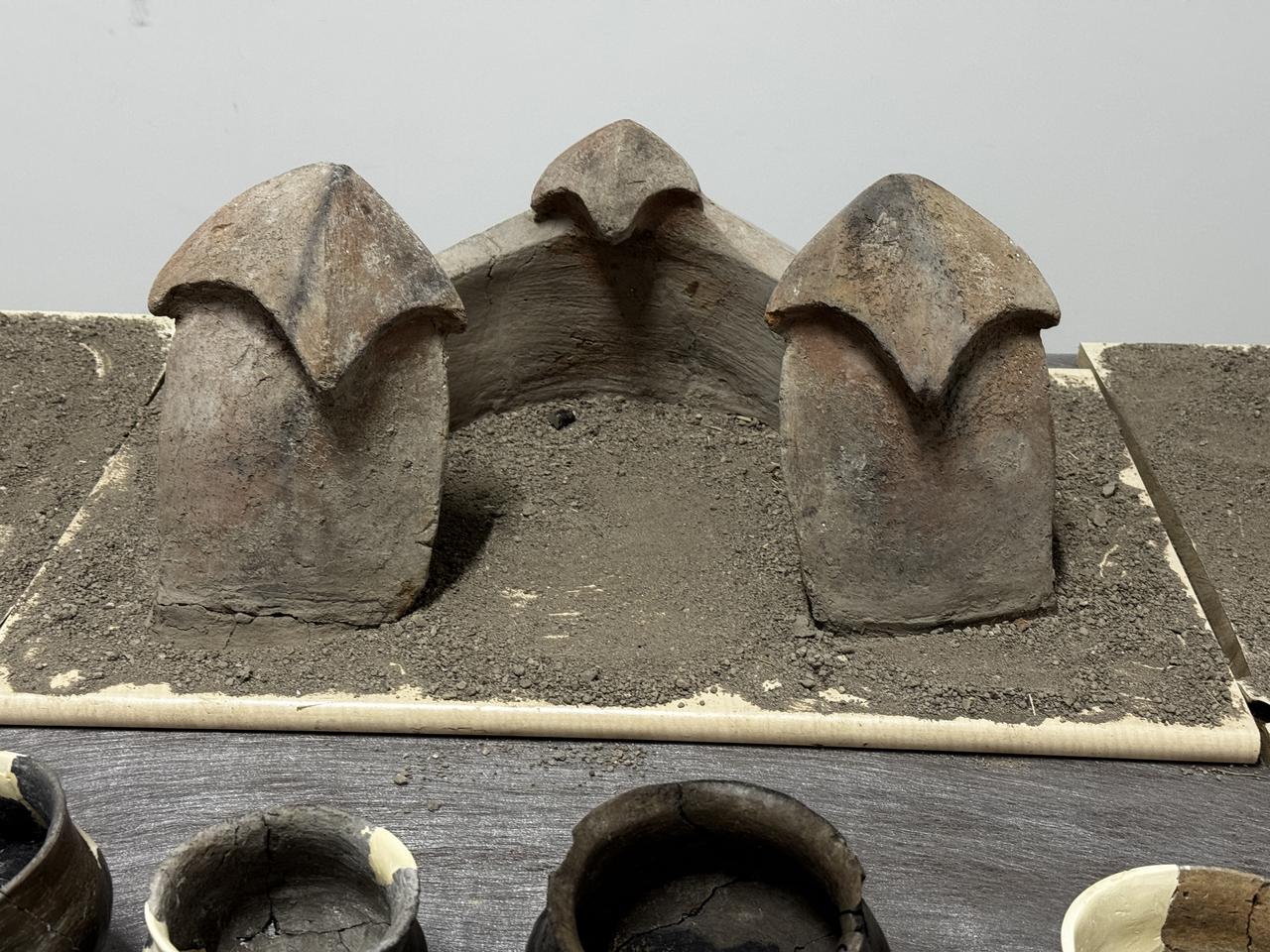
The stone seal is now being preserved at the Elazig Archaeology and Ethnography Museum. Restoration, analysis, and publication work on newly uncovered study and inventory objects are continuing throughout the year under the supervision of the museum, ensuring that discoveries are properly documented and prepared for future research and exhibition.
Beyond Tadim, excavations are also ongoing at Harput Castle, Palu Castle, and in Salkaya village. In Salkaya, archaeologists have uncovered a mosaic decorated with animal figures, while ground-penetrating radar has identified the remains of a Roman bath nearby. Based on these results, authorities plan to expand the excavation area in the coming year and improve visitor access through basic infrastructure.
At Palu Castle, work has brought to light an Ottoman-era guard post and a well-preserved section of Urartian fortress wall, reinforcing the site’s importance in the ancient kingdom of Urartu, which dominated eastern Anatolia in the first millennium BC. Excavations at Harput Castle are also moving forward, with plans to rebuild the historic Fetih Masjid and establish a visitor reception center.
Taken together, the discoveries at Tadim Fortress and Hoyuk, especially the 7,500-year-old stone seal, underline Elazig’s role as a long-standing center of human settlement. Officials say the findings clearly show that the region was not only inhabited from very early times, but also developed complex social, economic, and cultural practices that laid the groundwork for later civilizations.


 Set as preferred source
 Set as preferred source


 1 min read
 1 min read