Newsletters


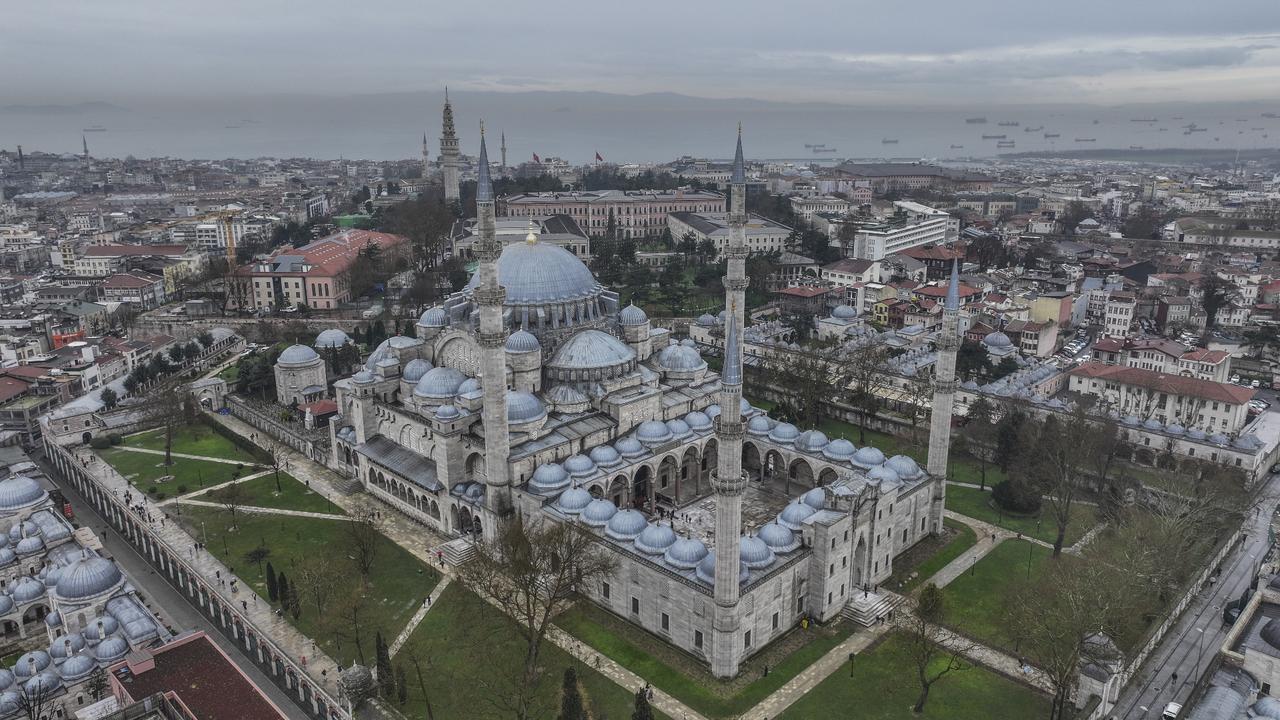
For nearly five centuries, the Suleymaniye Mosque has stood at the heart of Istanbul’s skyline, shaping both the city’s visual identity and its social life. Completed in the 16th century, the structure continues to function not only as a place of worship but also as a living cultural complex that brings together education, charity and scholarship under one architectural vision.
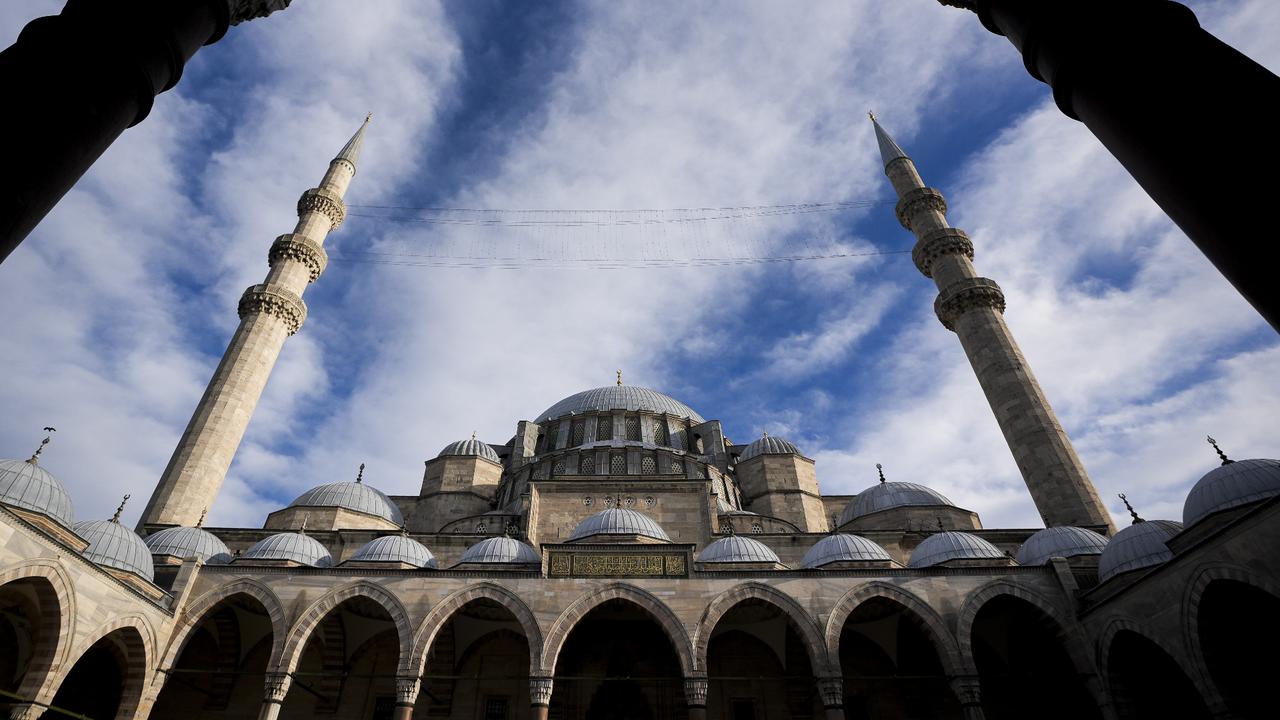
Commissioned by Sultan Suleiman I and constructed between 1550 and 1557, the mosque was designed by Ottoman chief architect Mimar Sinan, who famously described it as his “journeyman work,” a stage in mastery before his later achievements. Finished in seven years, the project demonstrated Sinan’s mathematical precision and architectural balance, elements that still draw visitors seeking to understand classical Ottoman design.
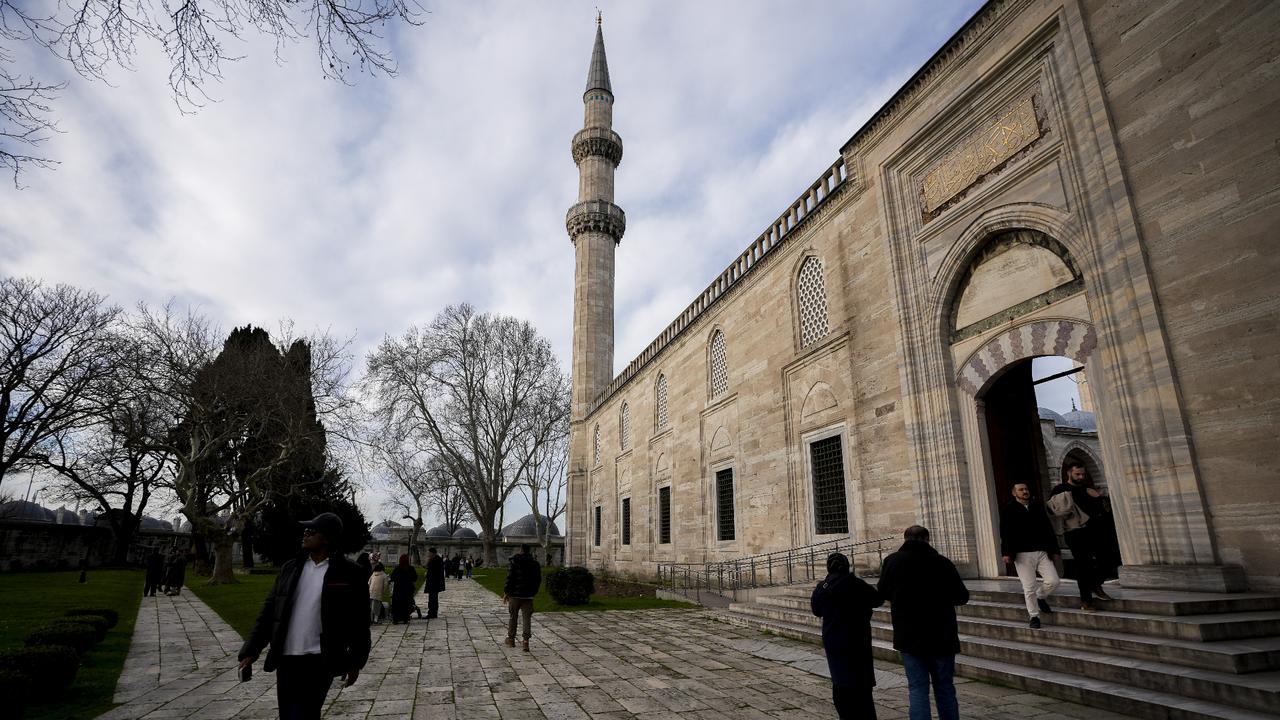
The Suleymaniye was conceived as a kulliye, an Ottoman urban complex built around a central mosque. For international readers, this term refers to a multifunctional campus that combined religious, educational and social services. The complex included madrasas (higher learning institutions), a hospital known as a darussifa, a public soup kitchen called an imaret, a library, bathhouse and mausoleums, forming a self-sustaining social center.
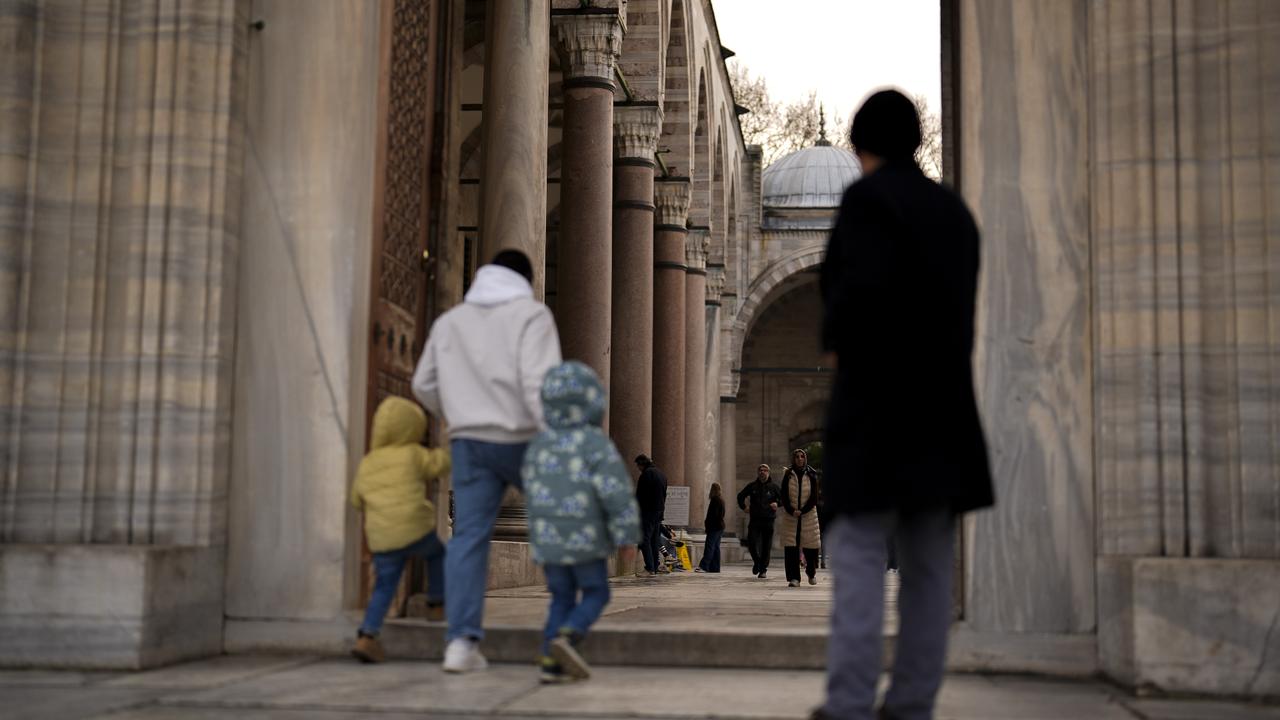
Historians regard the complex as one of the clearest architectural expressions of the Ottoman social welfare system. Educational institutions trained scholars for centuries, while charitable facilities provided healthcare and food for the public. Through these functions, the mosque evolved into a community hub where religious life intertwined with social responsibility.
Located in Istanbul’s Fatih district, the mosque overlooks the Golden Horn, placing it at a visually dominant point in the historic peninsula. Its placement was deliberate, allowing travelers arriving by sea to encounter the structure alongside other imperial landmarks, reinforcing the symbolic power of the Ottoman capital as ships approached the city.
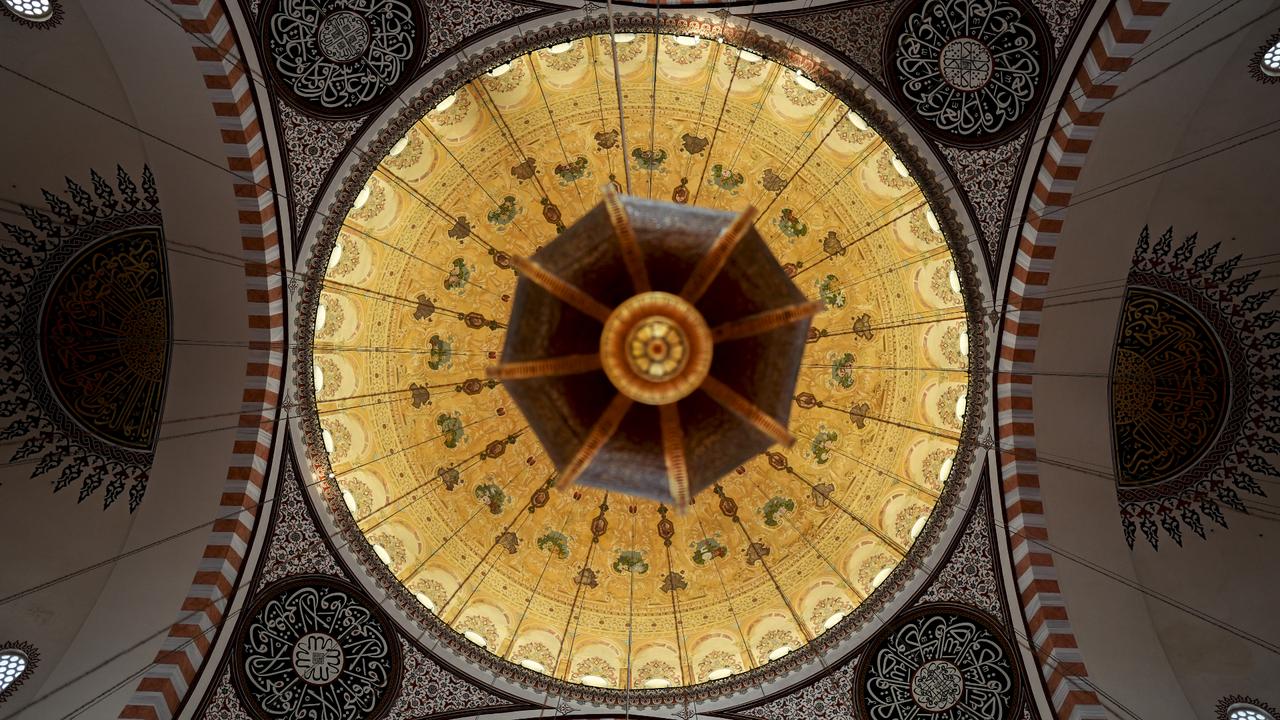
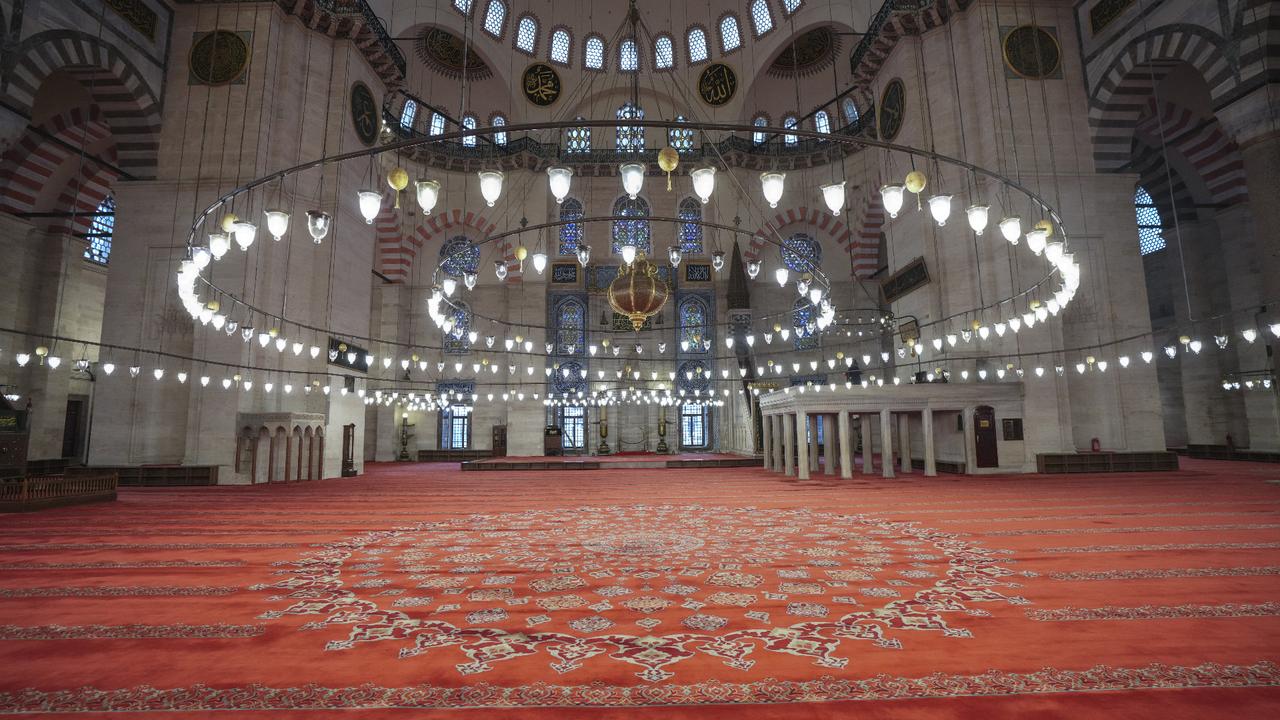
The central dome rests on four massive supports, symbolically linked by some historians to the unity of the Islamic community and the four major schools of Islamic jurisprudence. Columns and stones brought from various Ottoman territories added another layer of meaning, visually representing the empire’s geographic reach through architecture.
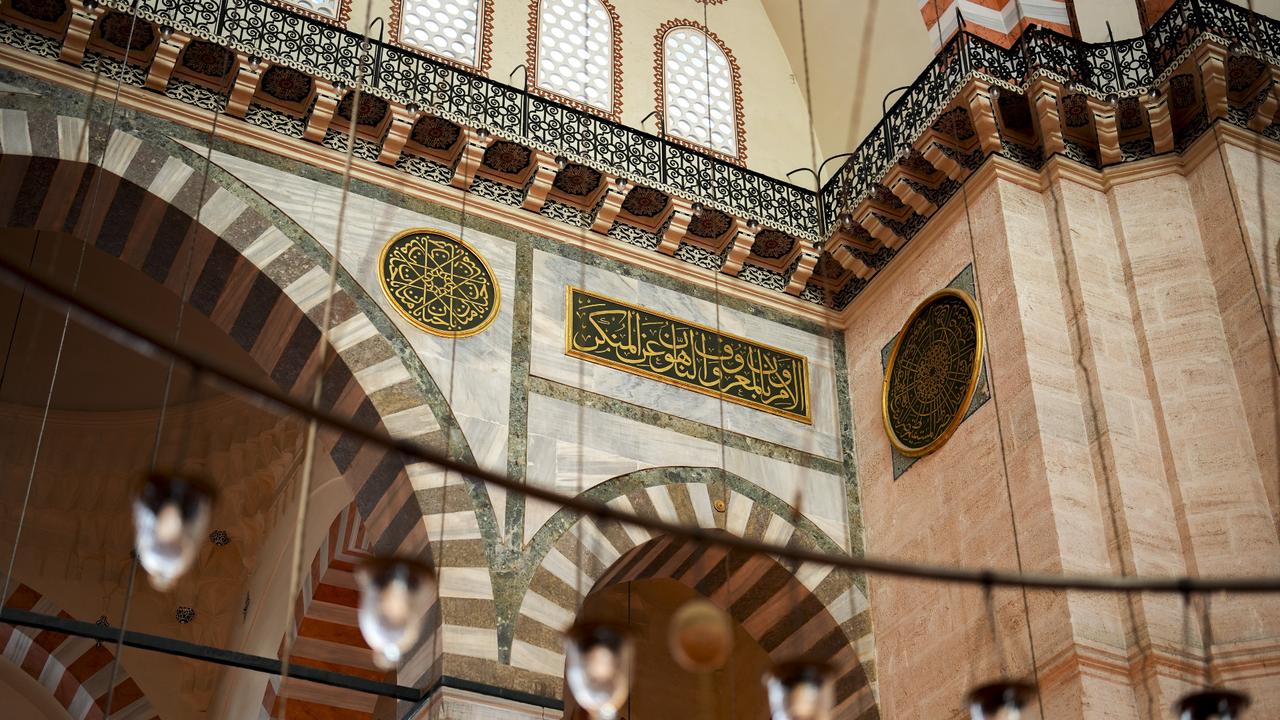
The Suleymaniye Manuscript Library, formed by converting two madrasas into library spaces, continues to serve researchers with rare collections. By safeguarding historical texts while keeping them accessible for scholarship, the complex connects past learning traditions with modern academic study.
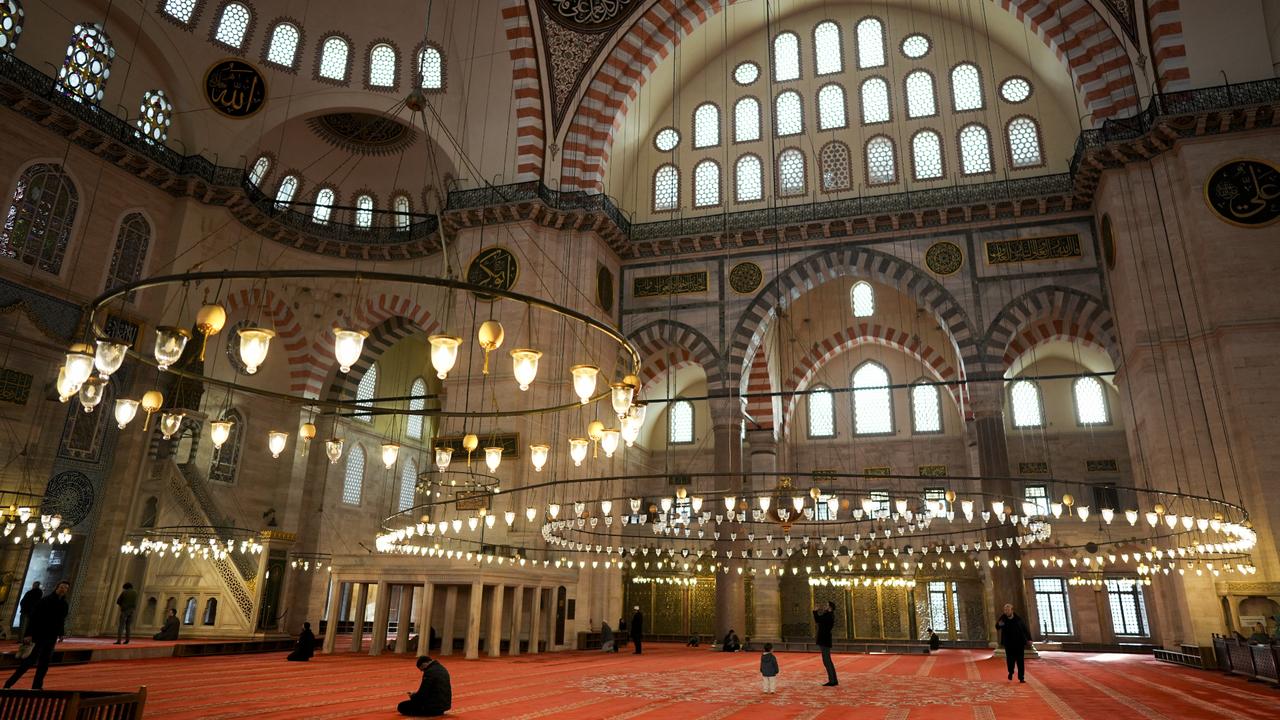
Art historian Yasin Saygili explained that Ottoman sultans traditionally commissioned selatin mosques, meaning imperial mosques built by reigning rulers. According to historical practice, these projects were financed from spoils gained after military campaigns rather than the state treasury, turning such structures into symbolic victory monuments reflecting imperial prestige.
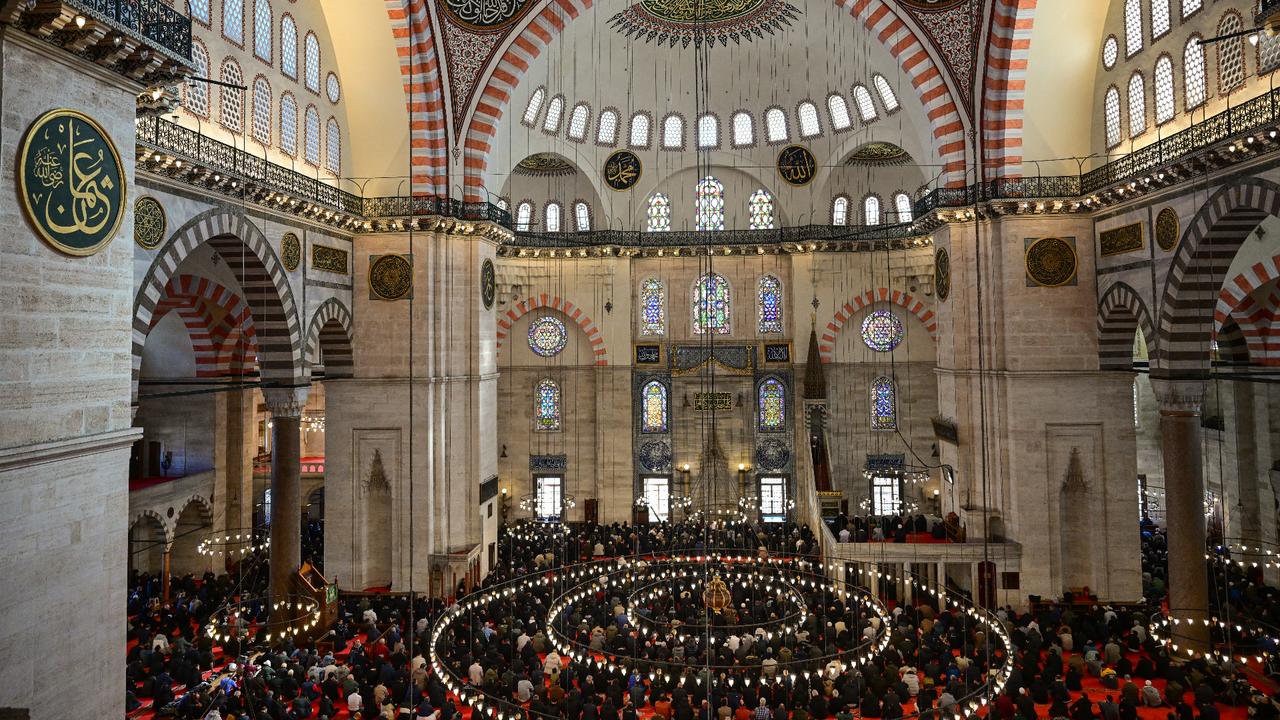
Ottoman architectural customs distinguished imperial mosques from others through scale and design. Only sultans were permitted to build mosques with multiple minarets inside the city walls, making structures like Suleymaniye instantly recognizable. The mosque’s four minarets are often interpreted as a reference to Suleyman being the fourth ruler after the conquest of Istanbul, while ten balconies are associated with his position as the empire’s tenth sultan.
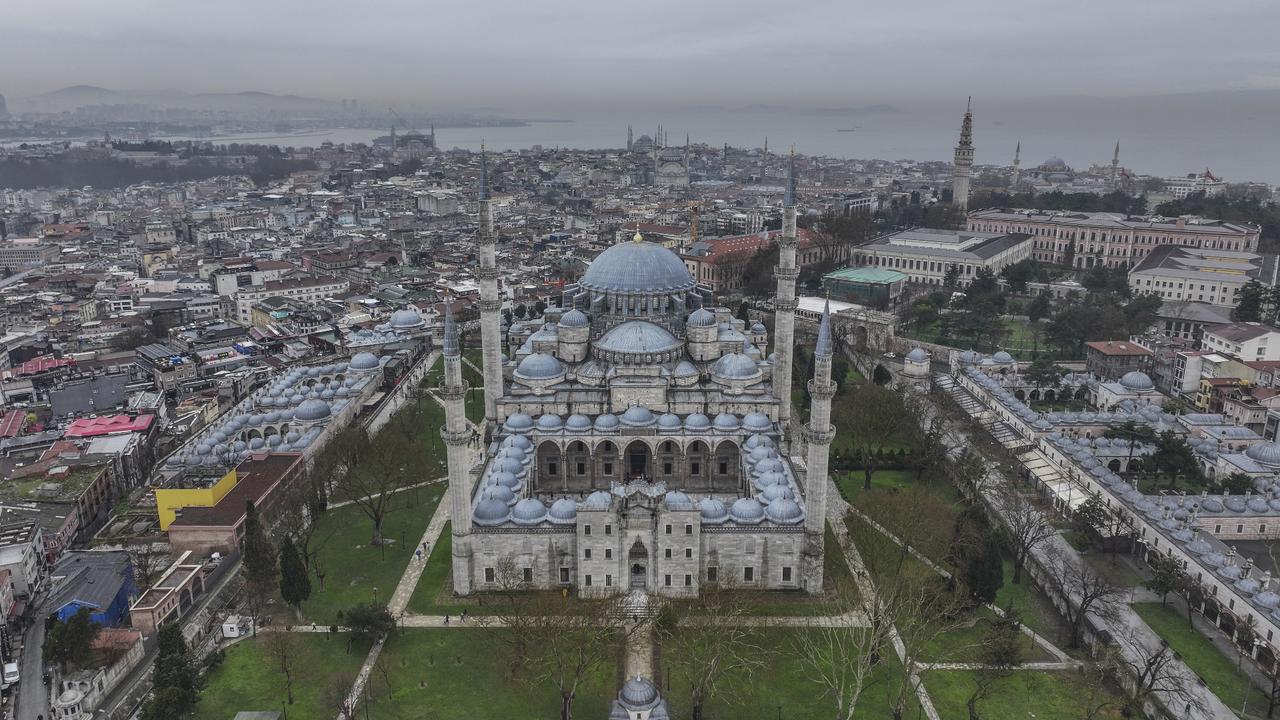
Until the 19th century, most journeys to Istanbul took place by sea, and travelers entering the Golden Horn would first see major monuments rising through the mist. Alongside Hagia Sophia and Topkapi Palace, Suleymaniye formed part of the city’s defining silhouette, described as a jewel crowning the urban landscape.


 Set as preferred source

 3 min read