Newsletters


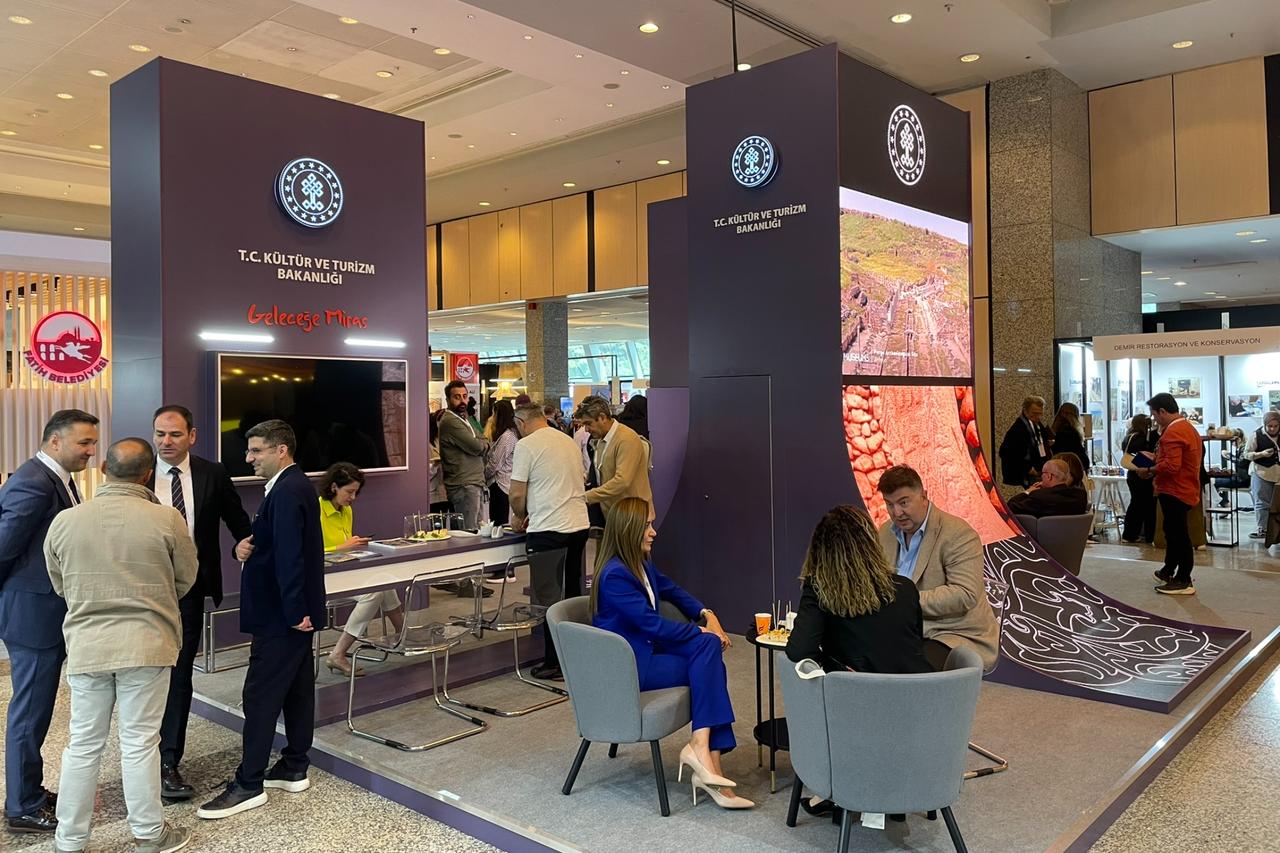


Heritage Istanbul, a leading international fair and conference dedicated to cultural heritage, is set to welcome visitors from April 1 to 4 at the Yenikapi Eurasia Fair and Event Center in Istanbul. Now in its ninth edition, the event will revolve around the theme “Historic Peninsula,” highlighting one of the world’s most significant urban heritage areas and positioning Istanbul as a key meeting point for global expertise in restoration, archaeology, museology, and library technologies.
Organized with the support of the Ministry of Culture and Tourism, the General Directorate of Cultural Assets and Museums, the Istanbul Governorship, and the Istanbul Metropolitan Municipality (IMM), Heritage Istanbul has gradually built up its reputation as a major platform for professionals working on cultural heritage. Over the years, it has grown beyond a conventional trade fair into a multi-layered event that brings together public institutions, private sector companies, civil society organizations, and academic circles.
Osman Murat Akan, founder of Heritage Projects, underlined that the event has reached a stage where it both supports the sector and is supported by it. He pointed out that the fair has become a long-anticipated gathering where different stakeholders in cultural heritage come together, helping communication and cooperation across fields that are often fragmented.
According to Akan, feedback from European institutions has been particularly encouraging, with officials frequently describing Heritage Istanbul as one of the top three international fairs in its field. He noted that this recognition has played a crucial role in motivating the organizers to keep up their standards despite global economic challenges, natural disasters, and ongoing uncertainties affecting the sector worldwide.
Until 2024, Heritage Istanbul was held every year. Akan explained that the project has now shifted to a biennial format, allowing for deeper preparation and stronger international participation. The previous edition attracted around 7,500 visitors and more than 130 companies from Türkiye and abroad, figures that have set a solid base for this year’s expectations without turning the event into a numbers-driven showcase.
Rather than positioning itself as a company active in restoration or archaeology, Heritage Istanbul functions as a platform that brings together specialists, firms, and institutions from across the field. Akan stressed that public bodies remain the largest buyers in Türkiye, making it essential for sector companies to connect directly with state institutions in a structured and transparent environment.
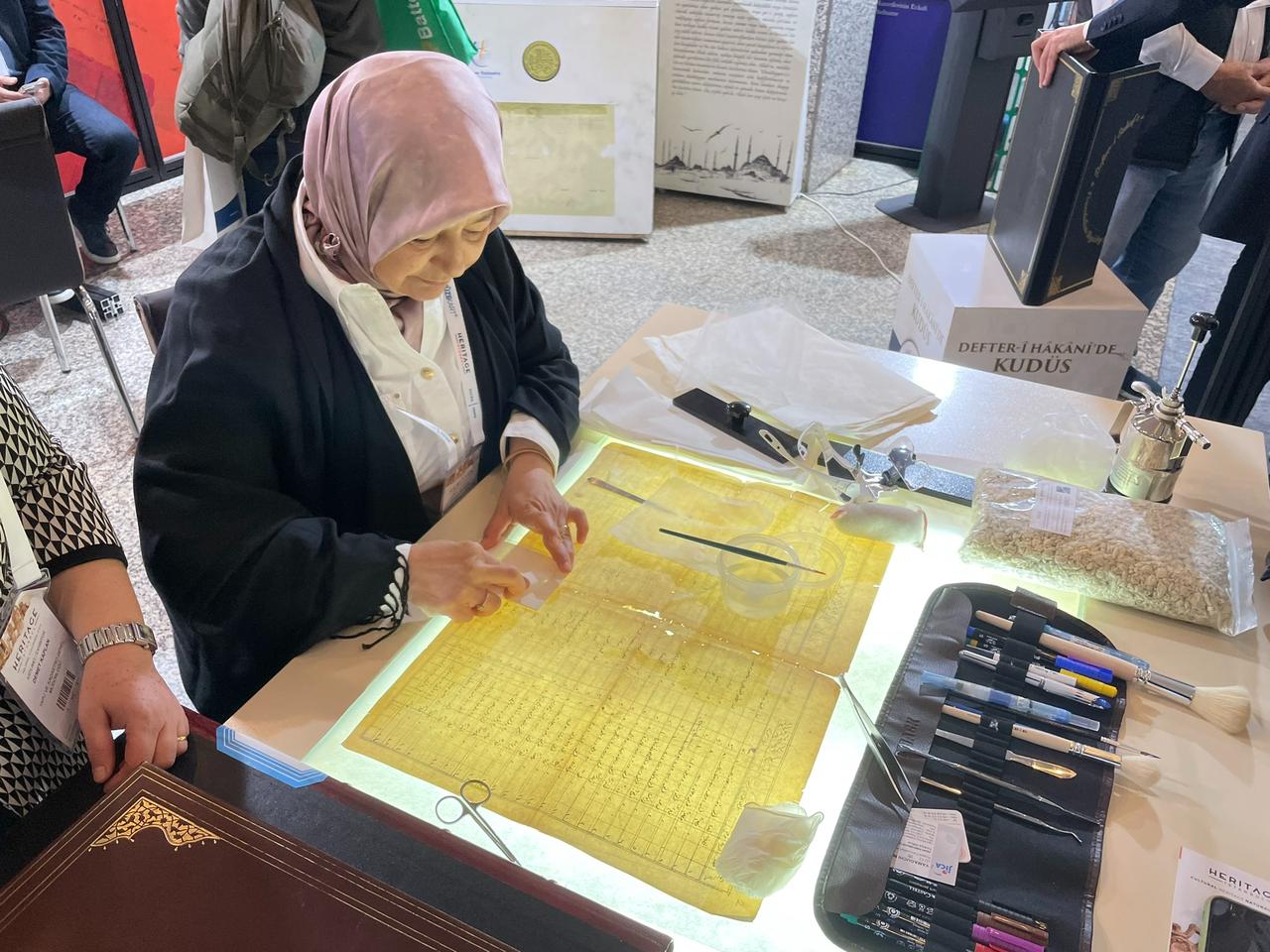

Akan also highlighted how rapidly the cultural heritage field has developed in Türkiye over the past decades. Restoration projects, archaeological excavations, and museum initiatives have expanded steadily, especially since the early 2000s, reaching and in some cases surpassing international standards. He linked this progress to increased public and private funding, describing it as a source of pride for the country and a context in which Heritage Istanbul aims to make a modest but meaningful contribution.
He added that cultural heritage was long viewed mainly as a branch of tourism, a perception that has begun to change only in recent years. Today, heritage is increasingly recognized as a field in its own right, with economic, social, and academic dimensions that extend well beyond visitor numbers.
This year’s edition introduces two new curated sections. One is titled “Those Not Lost Over Time,” a special area hosting ten companies whose products are directly inspired by or designed around the concept of cultural heritage. The second focuses on intangible cultural heritage, supported by the Ministry of Culture and Tourism and the Traditional Arts Association.
This section will give individual artists and small-scale initiatives a chance to showcase traditional crafts, connect with restoration firms, and engage with academics and potential clients.
The chosen theme, the Historic Peninsula, refers to Istanbul’s Surici area, home to globally significant monuments and archaeological layers accumulated over centuries. Akan explained that the growing scale of the event required a larger venue, and Yenikapi was selected not only for accessibility but also for its historical context and suitability for conferences and side events.
Throughout the four days, the program will feature discussions, business-to-business meetings, and workshops centered on Istanbul’s historic core, alongside broader debates on conservation, excavation, and museum practices.
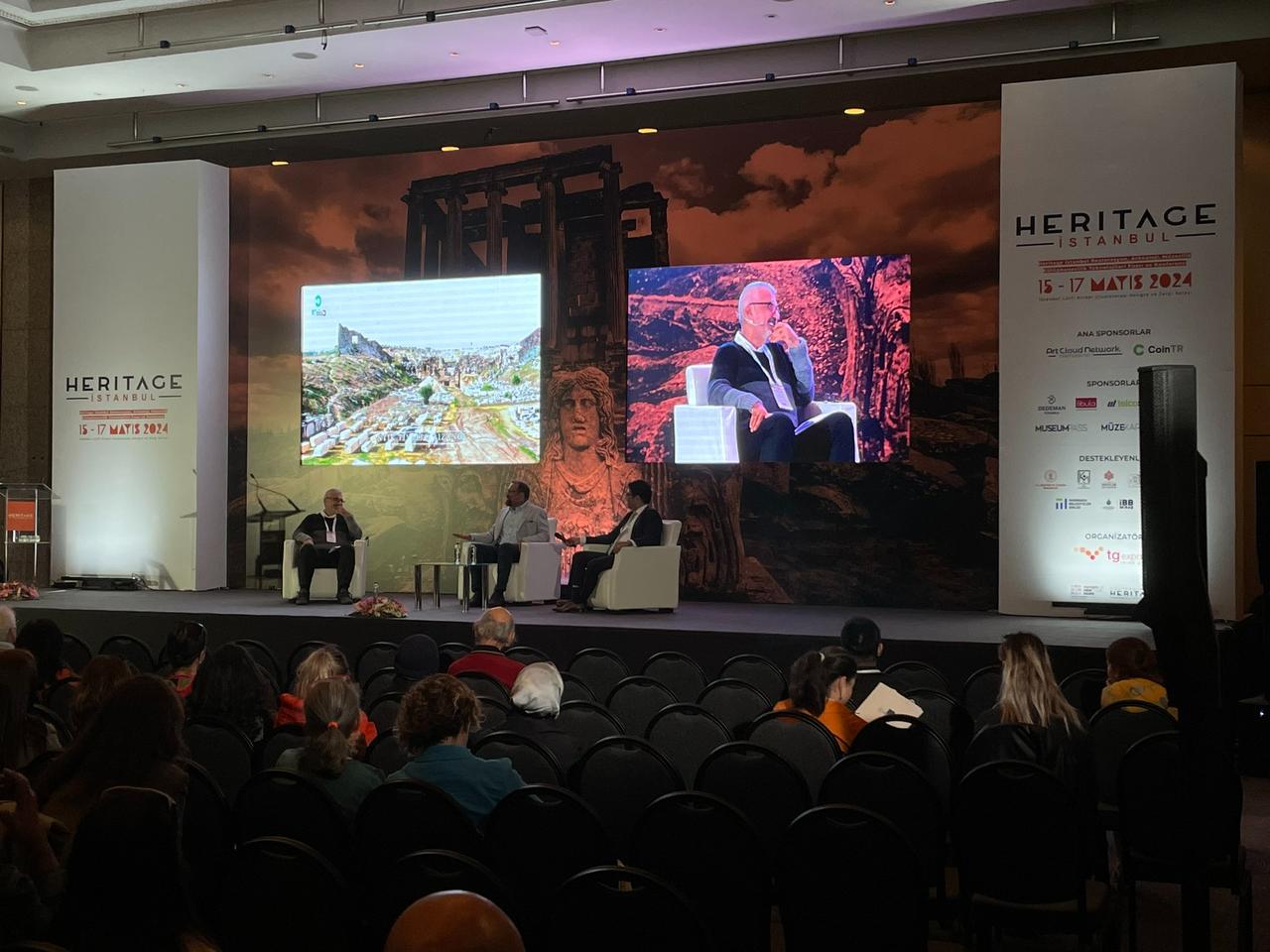
Heritage Istanbul has expanded this year from three to four days, with parallel conferences bringing together around 150 speakers from Türkiye and abroad. Among the confirmed participants are Peter Hohenstatt, director of the Louvre Abu Dhabi, who will speak on protection and security in museums; Professor Mikhail Piotrovsky, general director of the Hermitage Museum; and Italian sculptor Eduardo Tresoldi.
Akan emphasized that the event is designed as an “event” rather than a standard fair, as exhibitions represent only one part of a broader program that includes conferences and numerous side activities. Previous conferences have drawn strong interest due to the presence of high-profile international speakers, a standard the organizers aim to maintain.
Alongside Turkish institutions such as the General Directorate of Cultural Assets and Museums, the Investment Monitoring and Coordination Presidency of the Istanbul Governorship, the General Directorate of Foundations, and IMM Heritage, this year’s event will also host official participants from Azerbaijan, Italy, and Russia.


 Set as preferred source
 Set as preferred source


 3 min read