Newsletters


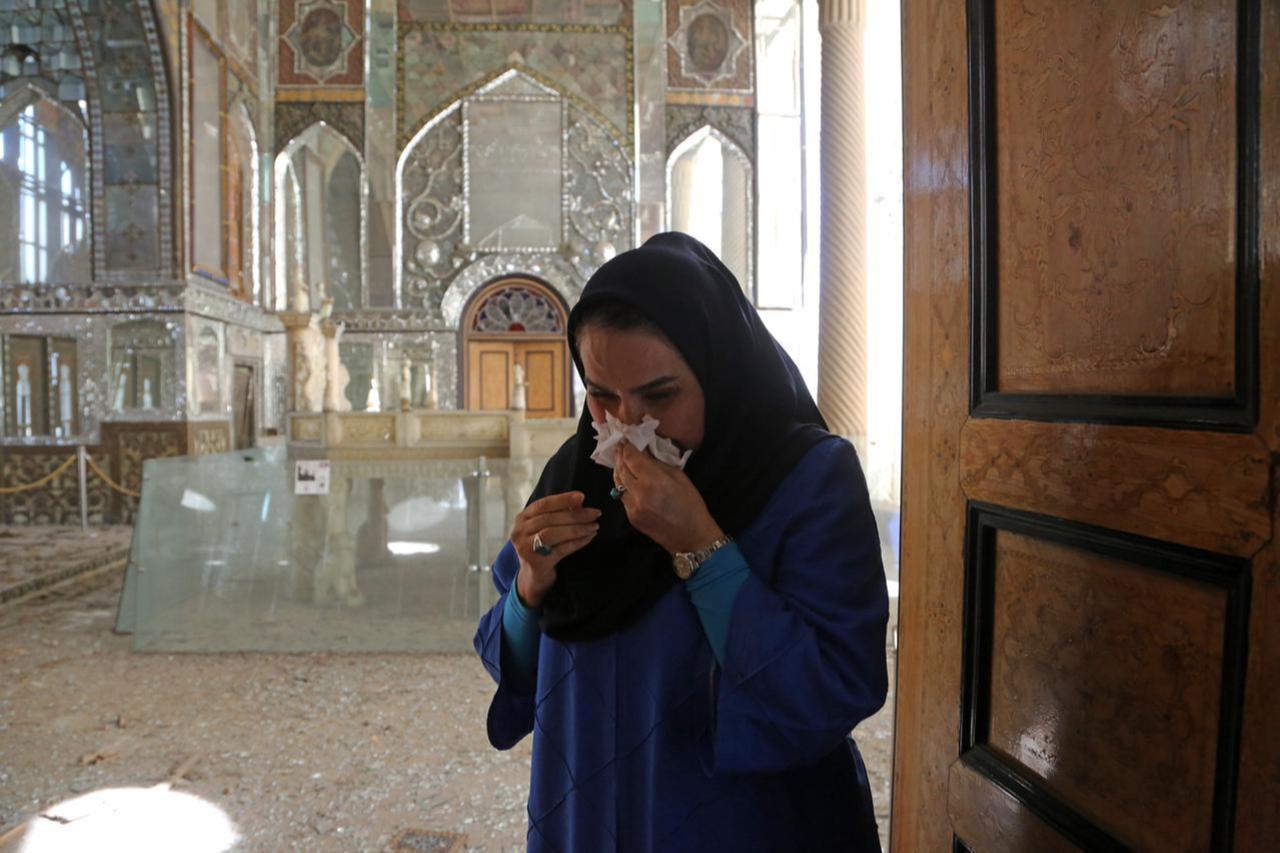


U.S.-Israeli airstrikes have damaged at least 114 cultural and historical sites across Iran, according to a statement released Tuesday by the country’s Ministry of Cultural Heritage, Tourism and Handicrafts.
The ministry said the damage includes World Heritage sites, nationally registered landmarks, and other historically significant locations, based on field assessments and expert reports.
“Based on the latest field assessments and expert reports, so far 114 cultural and historical sites, including World Heritage sites, nationally registered sites, and valuable historic locations, have been damaged,” the statement said.
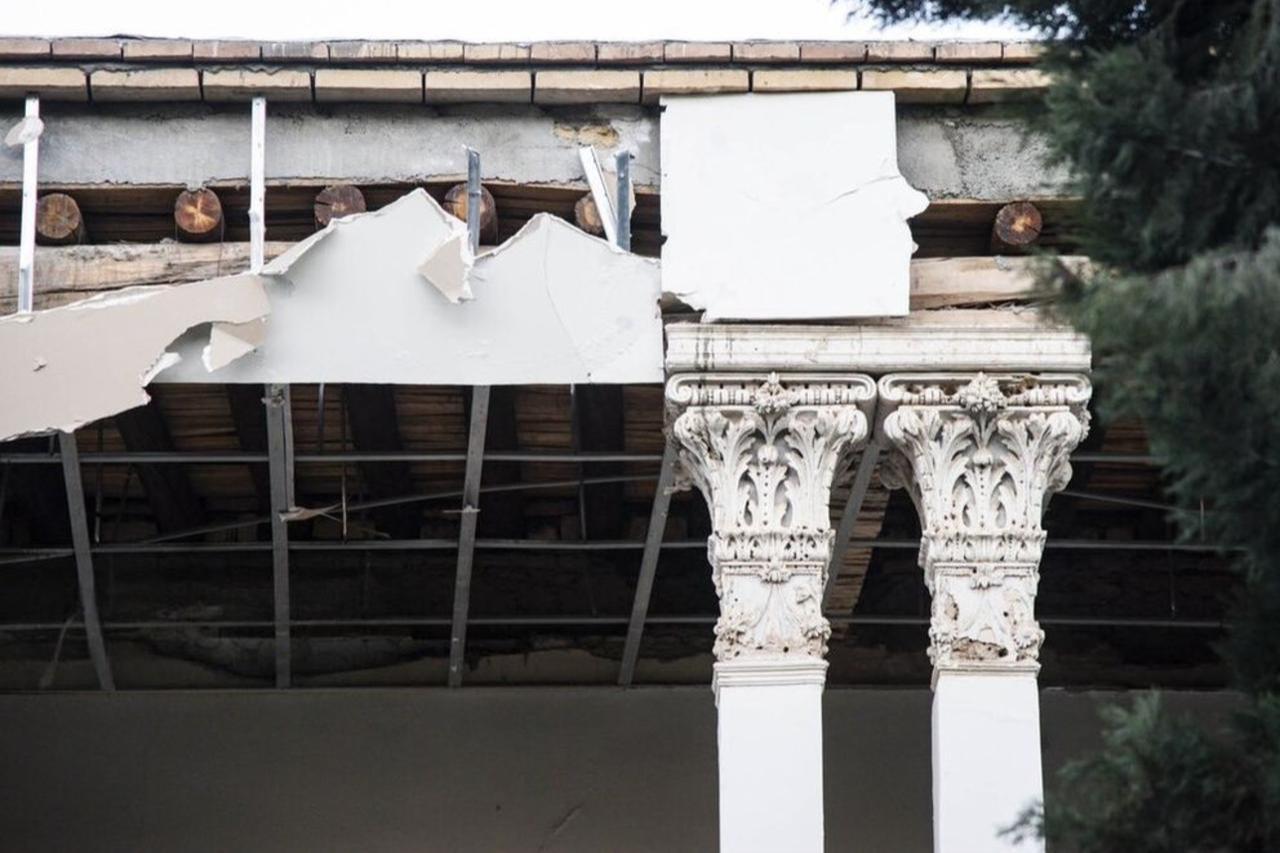

Authorities said 48 museums and six historic urban areas were among the affected locations.
These urban areas are located in Tehran, Isfahan, Sanandaj, Kermanshah, Qom and Khansar.
The ministry also detailed the geographic spread of the damage across the country.
Tehran recorded the highest number of cases with 60 sites affected, followed by Isfahan with 20. Other impacted provinces include Lorestan, Kermanshah, Bushehr, Qom, Alborz, East and West Azerbaijan, Mazandaran, Sistan and Baluchestan, Gilan, Ilam, Khuzestan, and Fars.
Early reports from March indicated that several UNESCO-listed sites, including Tehran’s Golestan Palace and historic landmarks in Isfahan, had already sustained damage, prompting concern from UNESCO and calls for protection.
The latest figures indicate the scale of damage has expanded significantly.
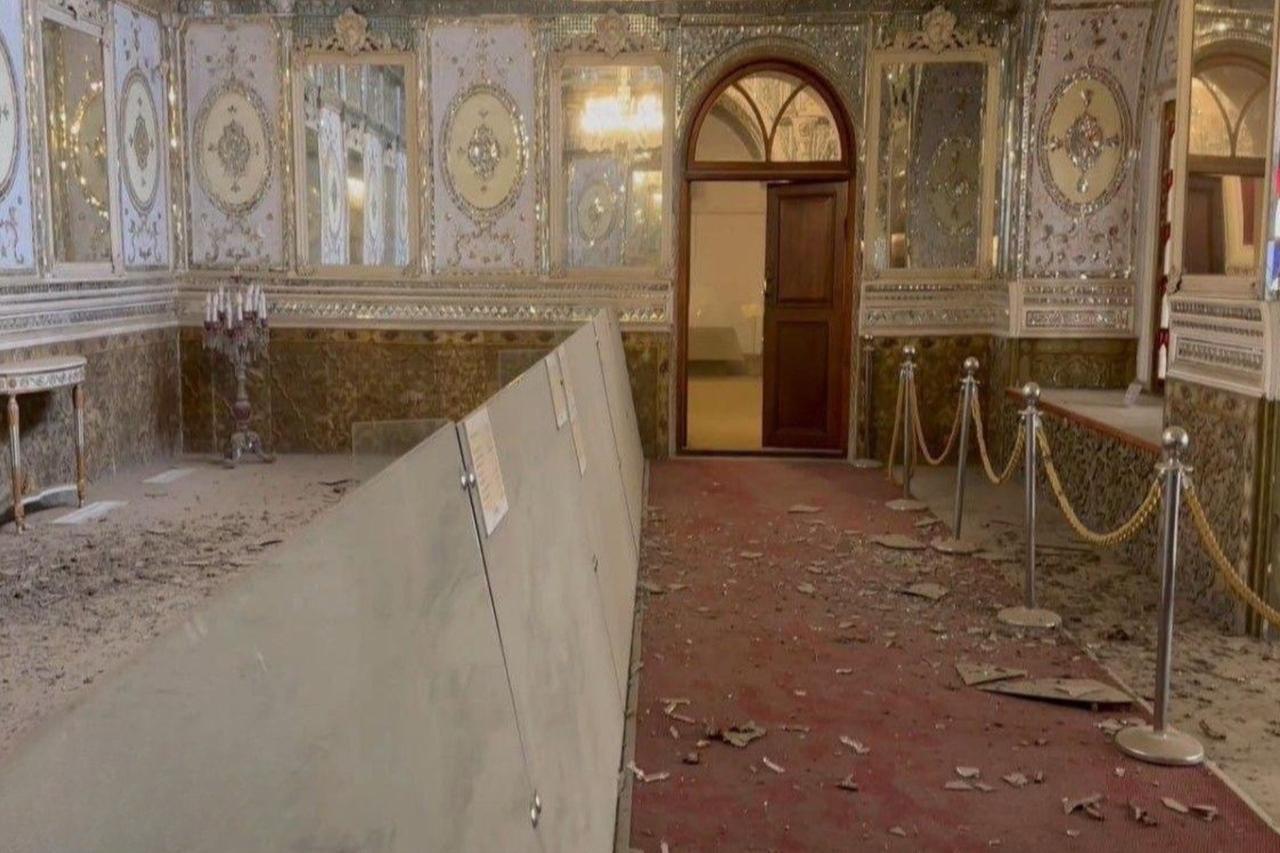
The ministry said the attacks raise concerns under international law, particularly regarding the protection of cultural heritage during armed conflict.
“According to established principles of international law, especially the 1954 Hague Convention, any military action that results in the destruction of or damage to cultural heritage is a clear violation of international obligations and a direct threat to humanity’s historical memory,” the statement said.
Iran has called on international organizations, including UNESCO, to take a more active role in protecting cultural heritage sites.
The ministry said it has sent nine official letters through diplomatic channels to several international bodies, including UNESCO, the Asian Cultural Heritage Alliance, the International Council of Museums, the International Council on Monuments and Sites, and the World Tourism Organization.
“UNESCO” and other organizations were urged “to move beyond minimal positions and play a more active, effective, and deterrent role in protecting cultural heritage under threat,” the statement added.
Regional escalation has continued to flare since the US and Israel launched a joint offensive on Iran on Feb. 28, killing over 1,340 people so far, including then-Supreme Leader Ali Khamenei.
Iran has retaliated with drone and missile strikes targeting Israel, as well as Jordan, Iraq, and Gulf countries hosting U.S. military assets, causing casualties and damage to infrastructure while disrupting global markets and aviation.


 Set as preferred source
 Set as preferred source



 1 min read