Newsletters


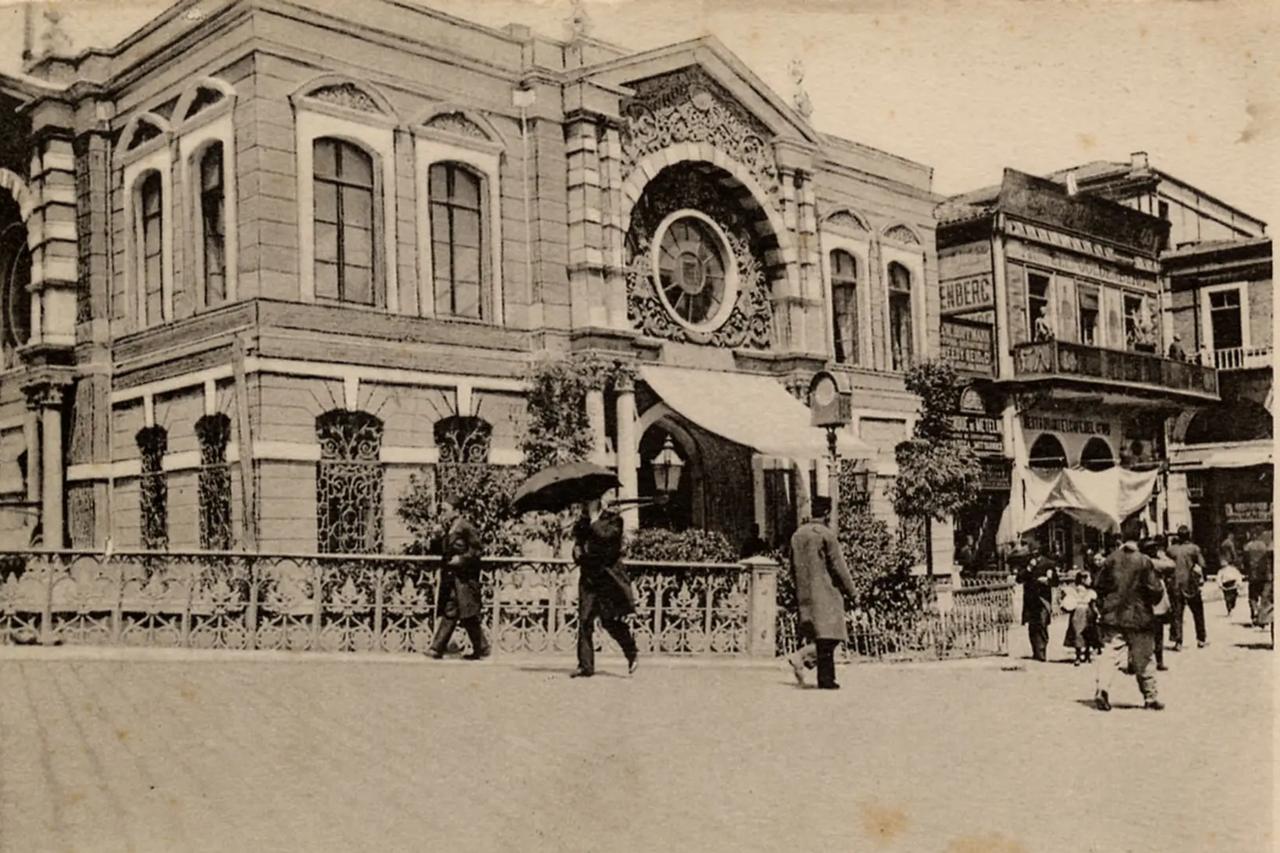


Istanbul’s Ottoman-era streets are coming back to life, this time in 3D. Researchers at Marmara University are using artificial intelligence to rebuild the city from old newspapers, maps and archival records.
Developed by the university's Humanities DataLab, the "Istanbul Time Machine" project aims to let users virtually explore the city as it appeared in the early 1900s while uncovering stories about the people who lived, worked and gathered in its neighborhoods.
The research covers the period from 1880 to 1940, drawing on newspapers such as Ikdam, Sabah, Tanin and Tercuman-i Hakikat to track everything from fires and thefts to business openings, housing advertisements and entertainment.
Rather than simply reconstructing historic buildings, researchers are connecting these accounts to specific streets and structures within a digital city model.
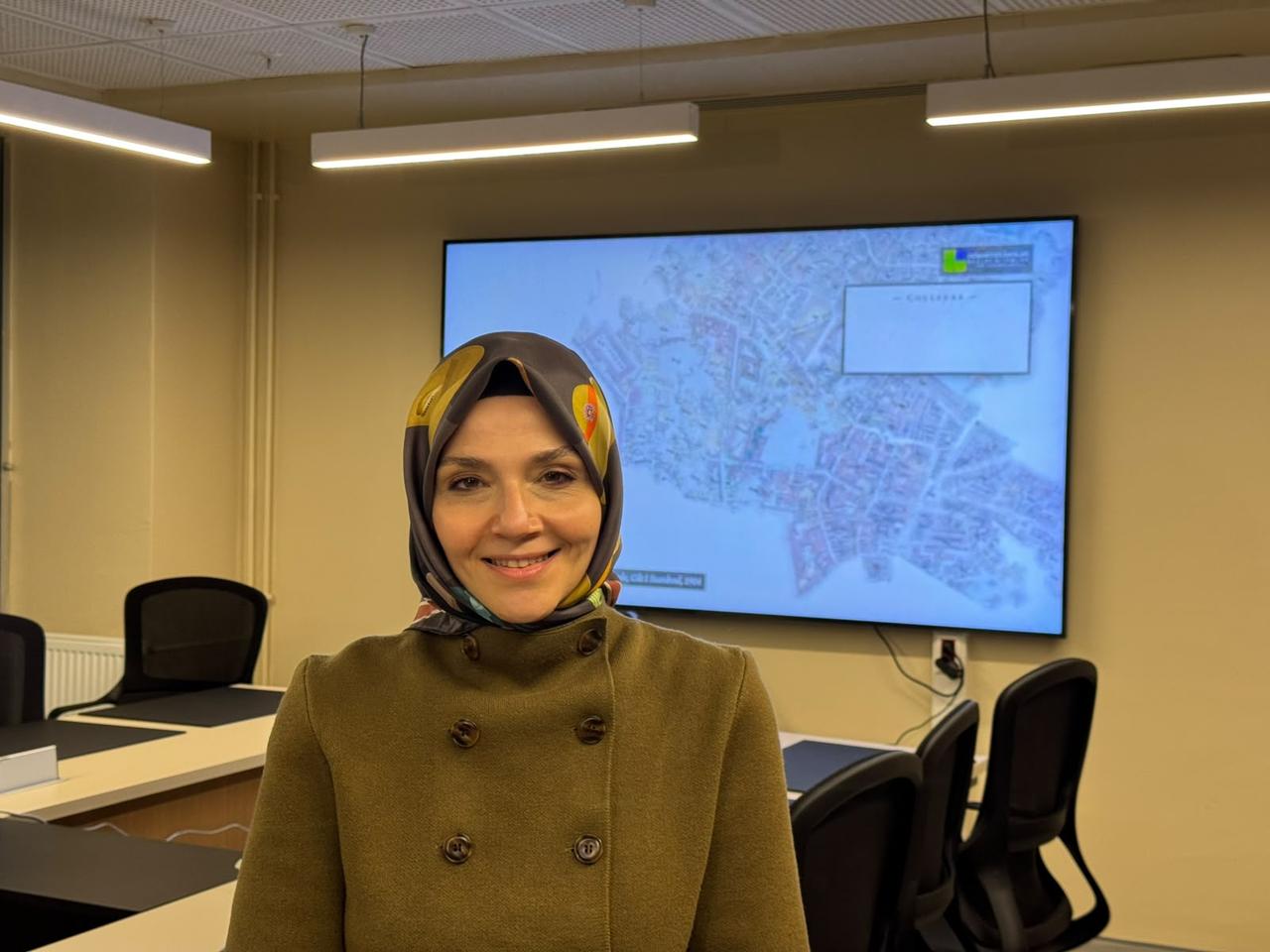

Fatma Aladag of Marmara University's Institute of Population and Social Research told Anadolu Agency (AA) that the project grew out of questions about everyday urban life that conventional historical studies often struggle to answer.
These include where Istanbul residents drank coffee, how much they paid in rent and which neighborhoods experienced frequent accidents or thefts.
"Most three-dimensional urban history studies ask, 'What did this city look like in the past?' We are adding another important layer: 'What was happening in this city?'" Aladag said.
The team began its 3D reconstruction in Eminonu, a historic commercial and transportation district on Istanbul's European side that frequently appeared in contemporary newspapers.
Users will eventually be able to approach buildings and streets in the virtual environment and access historical information associated with those locations.
The digital reconstruction relies on period photographs, written archival materials and academic research, while the team plans to expand the modeled areas as more newspaper records are processed.
One of the project's main challenges involves converting hundreds of thousands of newspaper pages printed in Ottoman Turkish, which used an Arabic-based script, into digital text.
Researchers have developed their own AI-powered text recognition technology, achieving a reported accuracy rate of 93% for printed Ottoman Turkish materials.
They are now working on models capable of reading more challenging historical handwriting styles, including rika and nesih, and hope to make the technology available to other researchers.
Once the newspapers have been transcribed, additional AI methods identify people, places, buildings and events, allowing researchers to connect scattered historical accounts to the 3D city model.
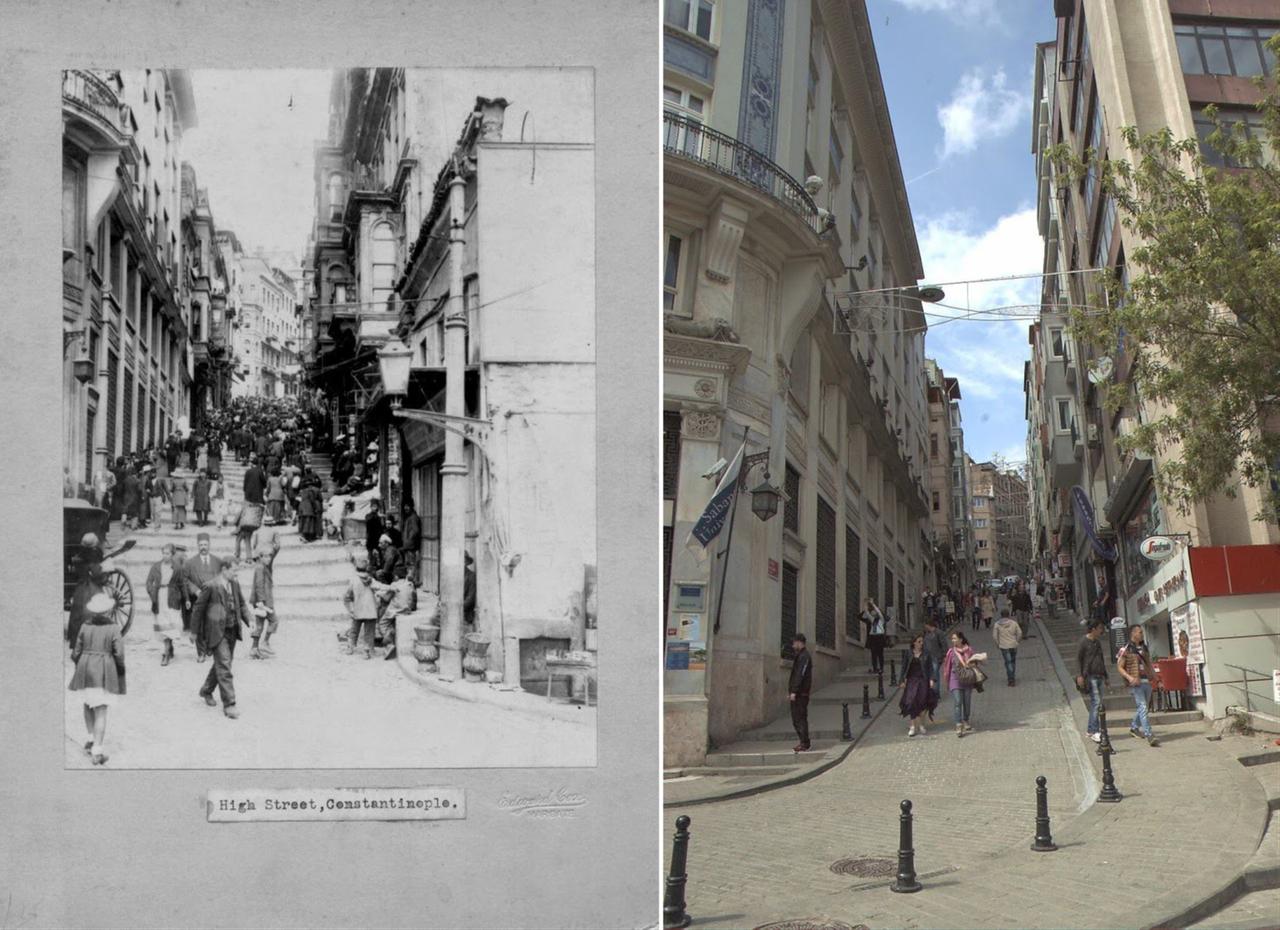
Among the records uncovered is a 1919 advertisement by an English teacher from London who offered lessons in Yuksek Kaldirim, a street in Istanbul's historic Galata district, promising students they would speak English after 30 lessons. The advertised price was 30 kurus, a historical Ottoman currency unit.
Other newspaper reports describe phonographs, early sound-reproduction devices, being played for paying customers in Istanbul coffeehouses.
One account even details a fight near Galata after a street vendor threw simit, a traditional Turkish sesame-covered bread ring, into the air.
According to Aladag, such accounts reveal details of ordinary urban life that are often overlooked in broader historical narratives.
Beyond academic research, the team is developing virtual reality and gamified learning experiences that could allow students and visitors to explore Ottoman Istanbul through interactive historical environments.
Aladag said the resulting infrastructure could also support museums, municipalities, the Ministry of Culture and Tourism and other cultural heritage institutions.
The project remains in the development stage, with researchers continuing to process historical newspapers and build the 3D city model.
In the longer term, the team hopes to extend the same approach beyond Istanbul to other cities.


 Set as preferred source
 Set as preferred source


 3 min read