Newsletters


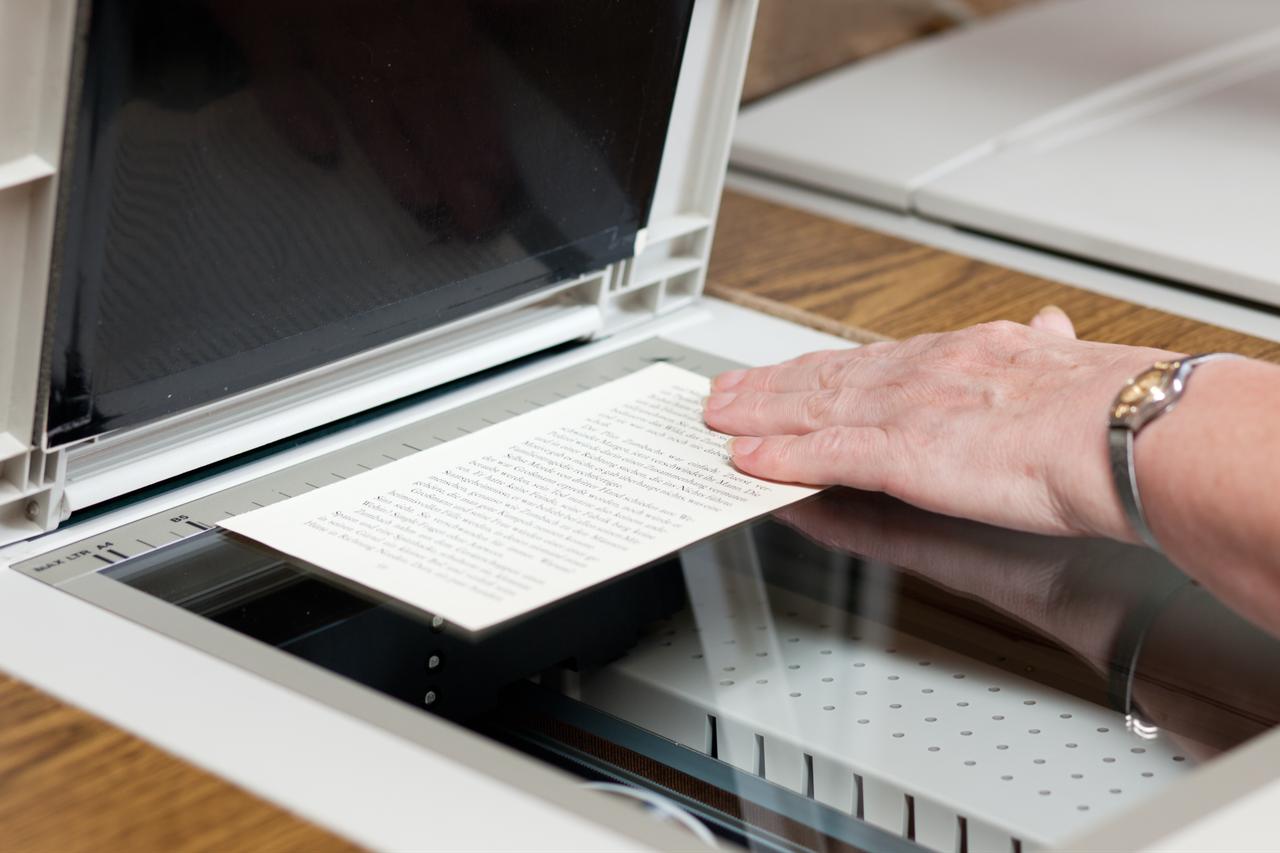


Claims that artificial intelligence companies buy printed books in bulk, scan them into digital files and then destroy the originals have prompted concern among publishers and booksellers, with similar cases reported in several countries.
Secondhand booksellers in Europe first reacted to the allegations, according to Anadolu Agency (AA). Bulk orders for academic publications and rare works have raised suspicion, and the conduct of companies placing book orders in Türkiye is also under scrutiny.
In the fourth report in an AA series, Prof. Dr. Selcuk Besir Demir discussed why global AI firms target Turkish-language academic material, the risks publishers face, and possible responses.


Demir said a Netherlands-based company contacted his side about three months ago. He described LibraryTurk as a portal with 17,000 books, created jointly by 65 publishers, that offers academic titles to university libraries.
According to Demir, the company asked whether it could access the books through the portal instead of approaching publishers one by one. After he asked about the intended use, the company said it was an AI firm.
He said he replied that the matter concerned publishers and copyright, that talks with publishers would be more appropriate, and that the issue was closed on his side.
Demir described the relationship between print publishing and AI as a “war between Silicon Valley and the cellulose industry.” He said he does not view the situation as ordinary digitalization.
He compared print publishing to an iceberg of past studies on which new work is built. In his account, publishers acted as gatekeepers by filtering information, subjecting it to peer review, and securing it with copyright law. He said AI's “oceanic synthetic production” removes editorial filtering.

Demir said AI models need huge datasets and that companies turned to printed books after using up open-access articles.
“Artificial intelligence does two things for publishers,” he said. “The first is data exploitation. It already found the articles in open access. Now it is the books’ turn.”
He said the second is “market cannibalism”. According to Demir, such systems copy existing work, produce something new from what they were trained on and erode intellectual capital.

Demir said there are four main points of resistance against the gray area created by AI and copyright violations.
First, he proposed digital filtering. He said the Ministry of Culture and Tourism should make the filter mandatory for every digital book or book with an ISBN and set a rule that AI must not process such works.
Second, legal notices should appear at the beginning and end of books, stating that AI processing of the content would trigger copyright claims.
Third, the state and professional associations should apply digital watermarks that block machine learning when printed books are converted to digital form.
Fourth, instead of fighting, publishers should sit down with AI firms and set annual copyright and usage fees through collective licensing models, as major international publishers have done, he said.

Demir said publishers are rapidly losing the power of knowledge they hold, and that Türkiye needs independent infrastructure to protect its cultural and academic heritage. He said the Ministry of Culture and Tourism and professional publishing associations should act with a shared vision.
According to Demir, models that send no data outside should run on servers that don't depend on open-source servers. He said Türkiye should train its own AI with its own books and return the added value to its publishing sector.
He said the steps came too late, but a national model that respects copyright can still be built if action is quick.


 Set as preferred source
 Set as preferred source


 2 min read