Newsletters


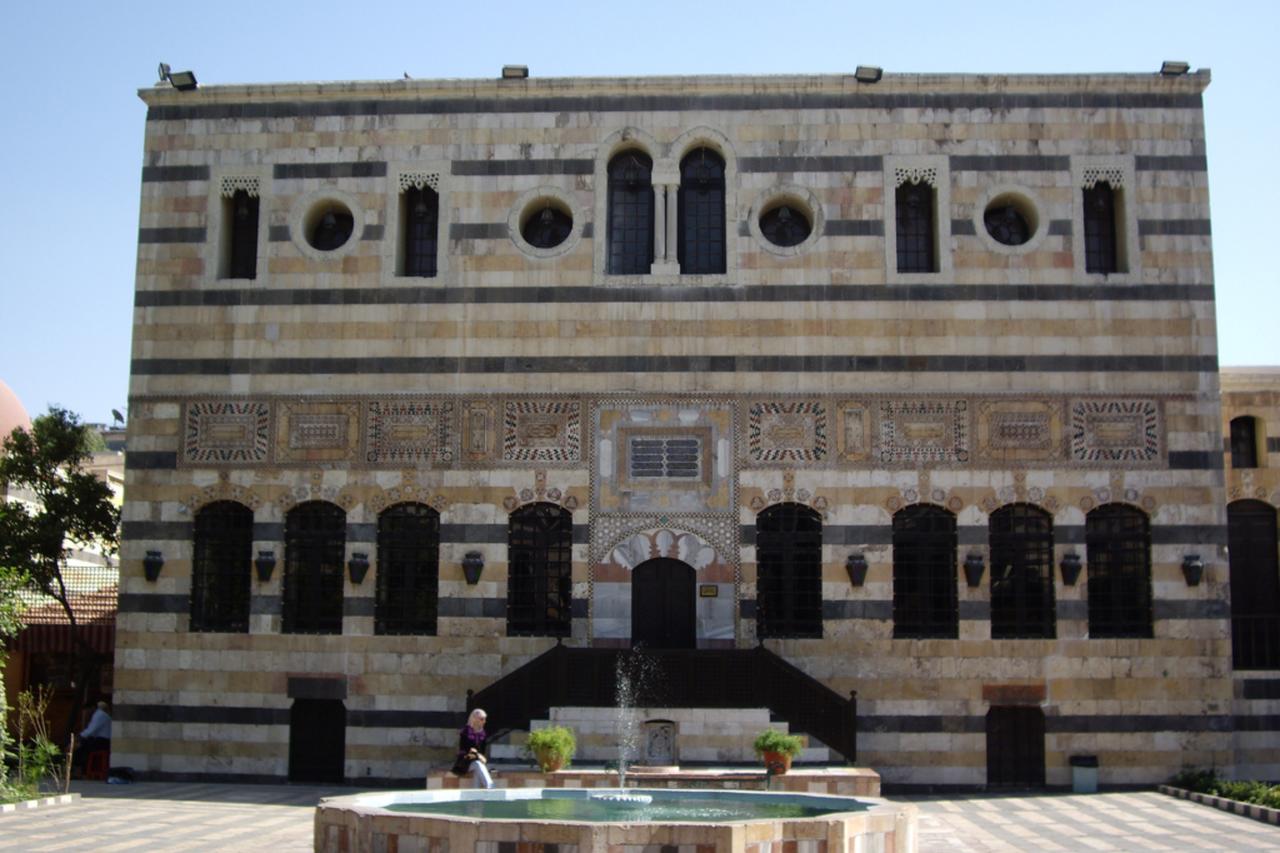


Al-Azm Palace, located in the center of Damascus, stands out as one of the Syrian capital’s most striking historical landmarks, bringing together traditional Arab and Ottoman architectural styles in a single complex.
Built in the 17th century during the Ottoman era, the palace was commissioned by Governor Davud Pasha as a grand residence. Its design and scale reflect the elegance and grandeur associated with the period, while also highlighting the architectural character of Damascus.
Originally constructed as an official residence, Al-Azm Palace continues to convey the atmosphere of a past age through its layout and decorative style.
The building’s combination of local Arab features with Ottoman influences gives international visitors a clearer sense of how elite urban life was shaped in Damascus during that time.
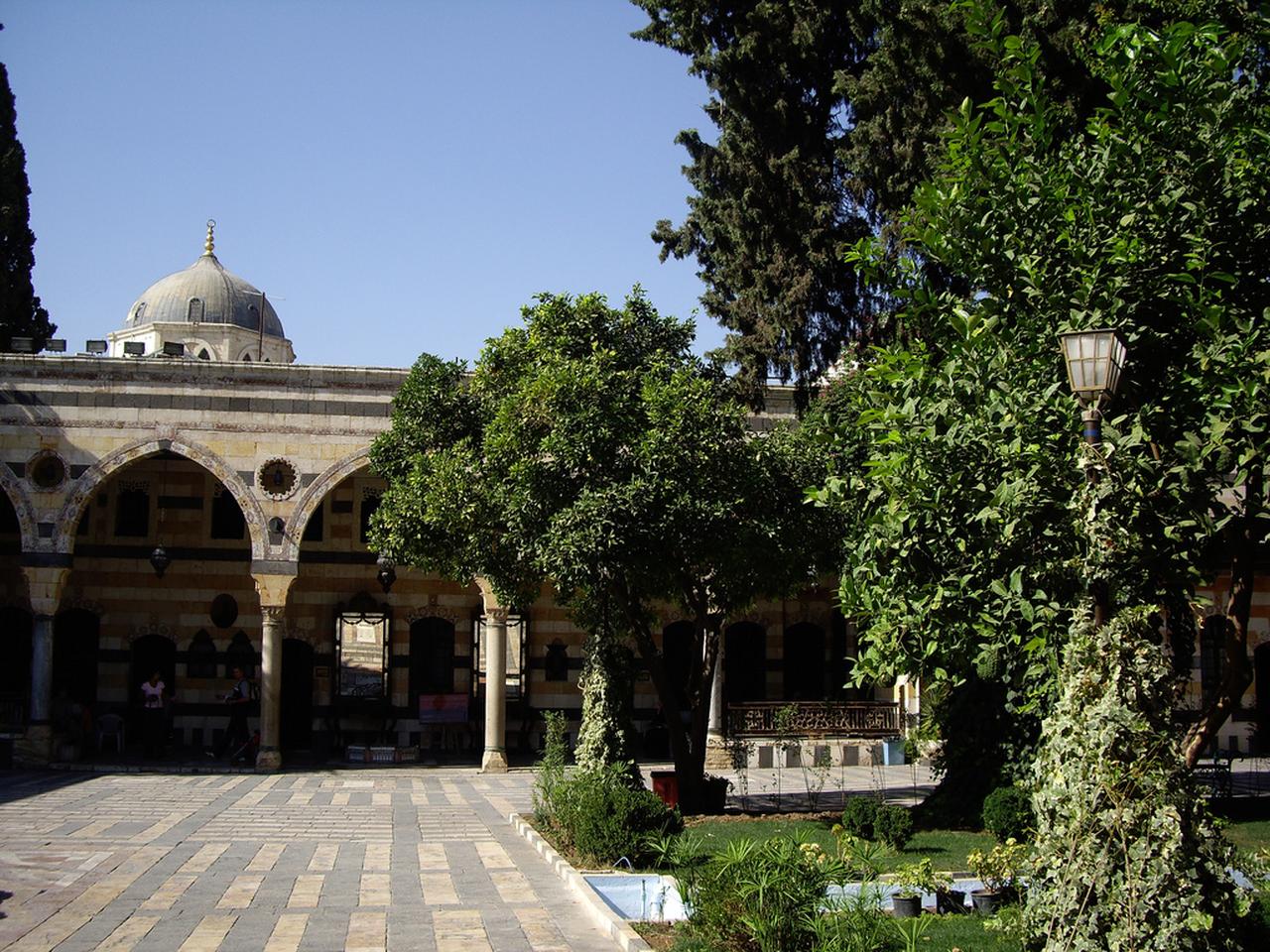

Today, the palace serves as a museum, welcoming visitors into a setting that helps bring the city’s cultural and architectural history into focus. Through its exhibits and displays of traditional folk art, the site offers a direct look at the heritage of Damascus and the artistic traditions that formed part of everyday life.
Rather than functioning only as a preserved historic structure, Al-Azm Palace now draws visitors into a journey through time, allowing them to take in both the visual richness of the building and the cultural legacy presented inside.


 Set as preferred source
 Set as preferred source


 3 min read