

 Newsletters


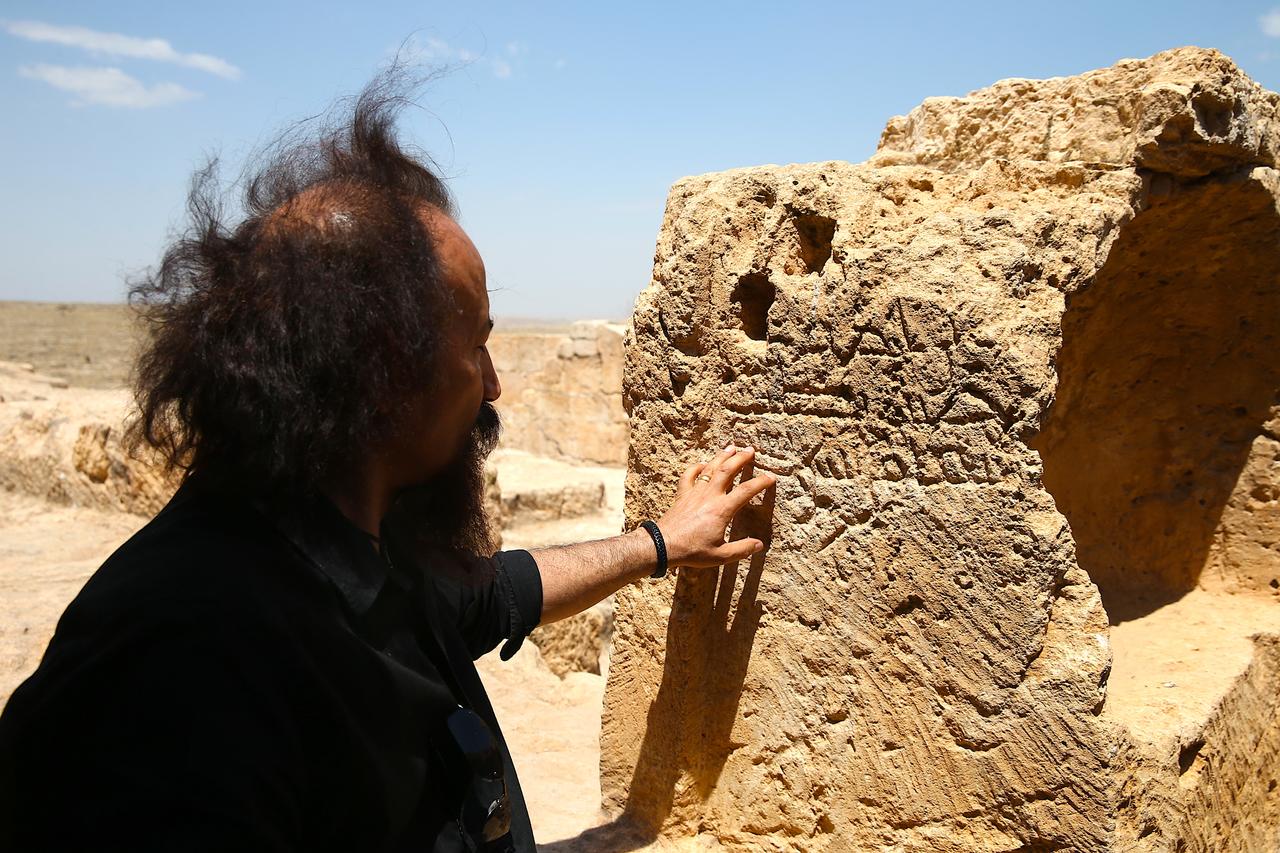


A newly deciphered Aramaic inscription has shown that the underground Mithras Temple at Zerzevan Castle in southeastern Türkiye was sealed off by Christians around 1,700 years ago during the Roman Empire, according to researchers working at the site.
The temple, uncovered during excavations at the ancient military settlement in Diyarbakir's Cinar district, belongs to Mithraism, a mystery religion that was widespread in the Roman world, especially in the second and third centuries A.D. The underground sanctuary at Zerzevan is considered one of the most significant Mithras temples found in a Roman military context.
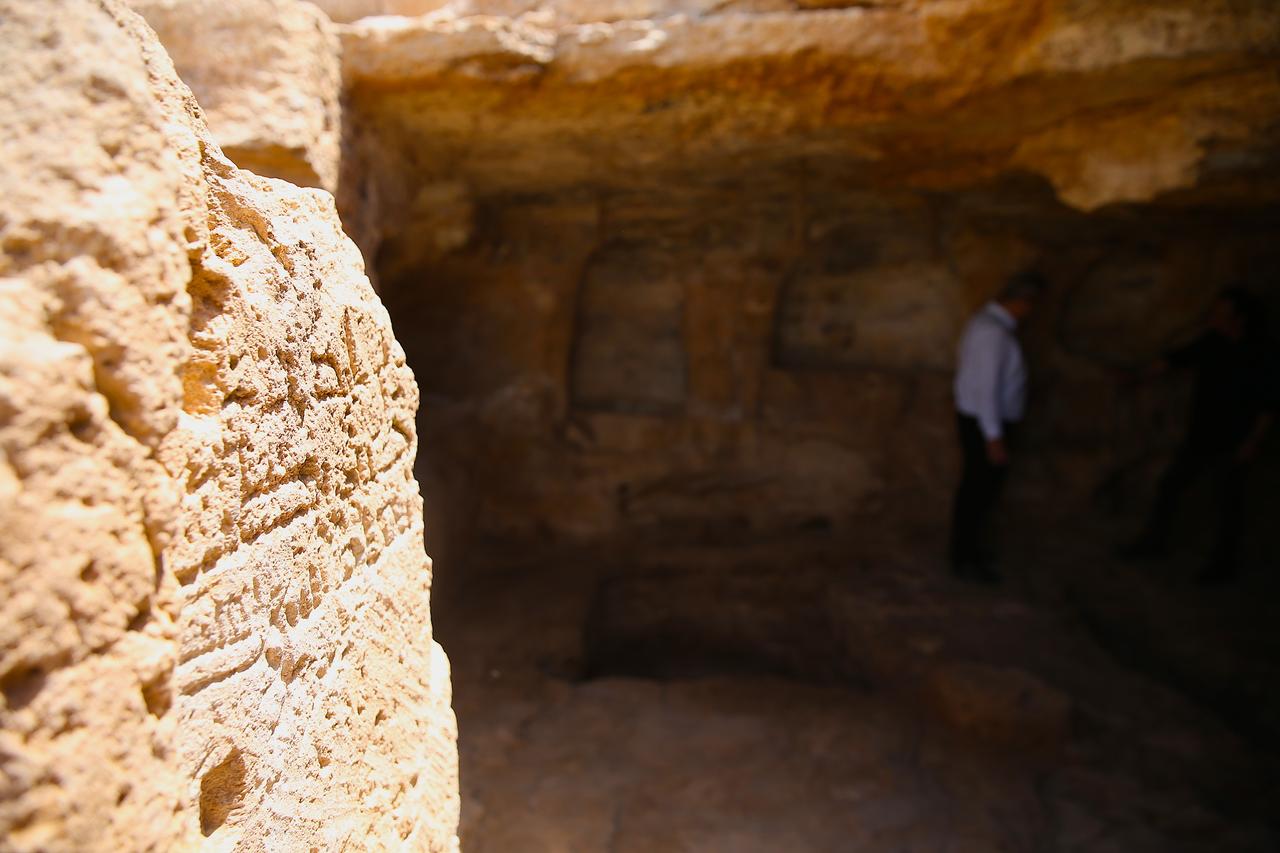

The inscription, found at the entrance of the Mithras Temple, was deciphered by Professor Mehmet Sait Toprak, head of the Syriac Language and Literature Department at Mardin Artuklu University.
His study used epigraphic and philological analysis, meaning the writing was examined through its letter forms, language structure and historical context.
Researchers said the inscription matches old Syriac and Aramaic writing features from the third and fourth centuries A.D. It was also compared with Syriac inscriptions from the second and third centuries A.D. kept at Sanliurfa Museum.
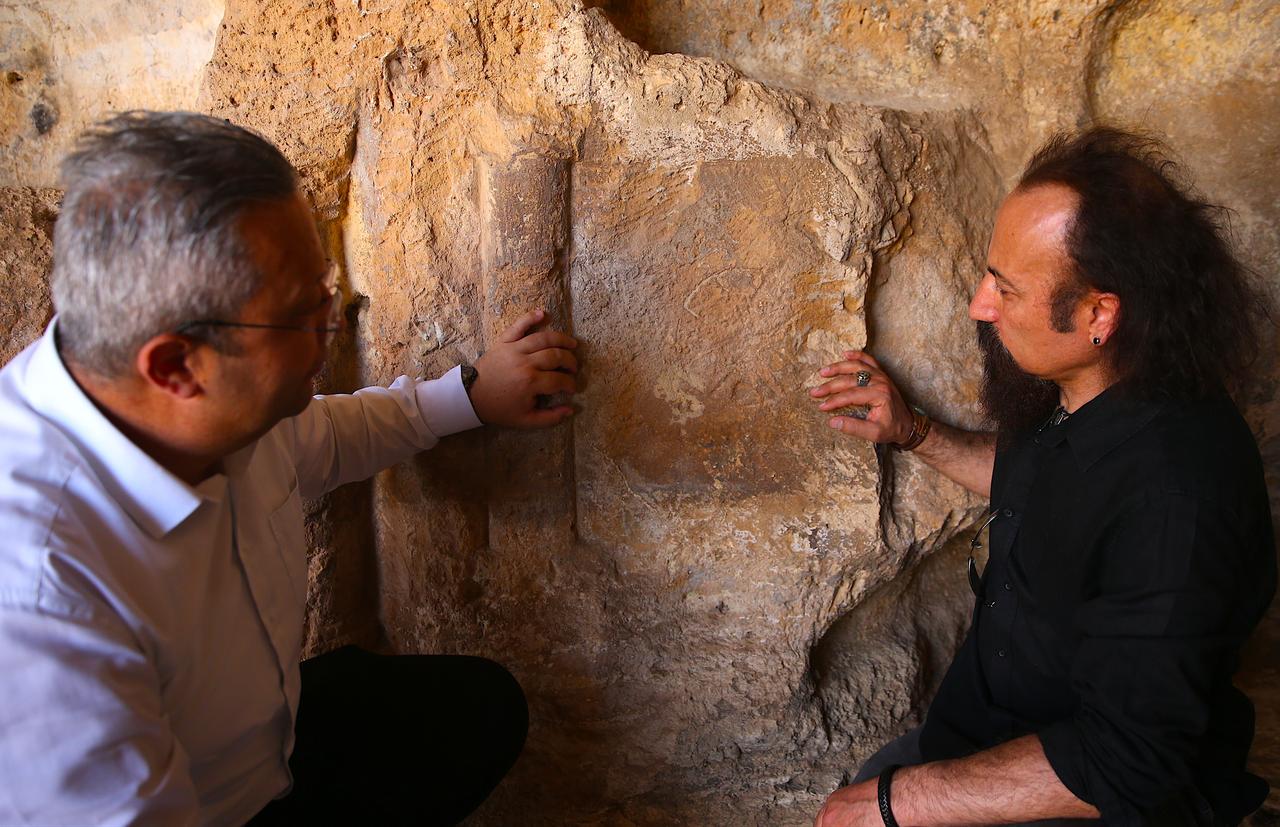
The analysis revealed that the temple was closed and symbolically sealed after Christianity gained influence in the Roman world.
The inscription and a cross at the entrance are understood as signs that the Mithras sanctuary was formally shut down.
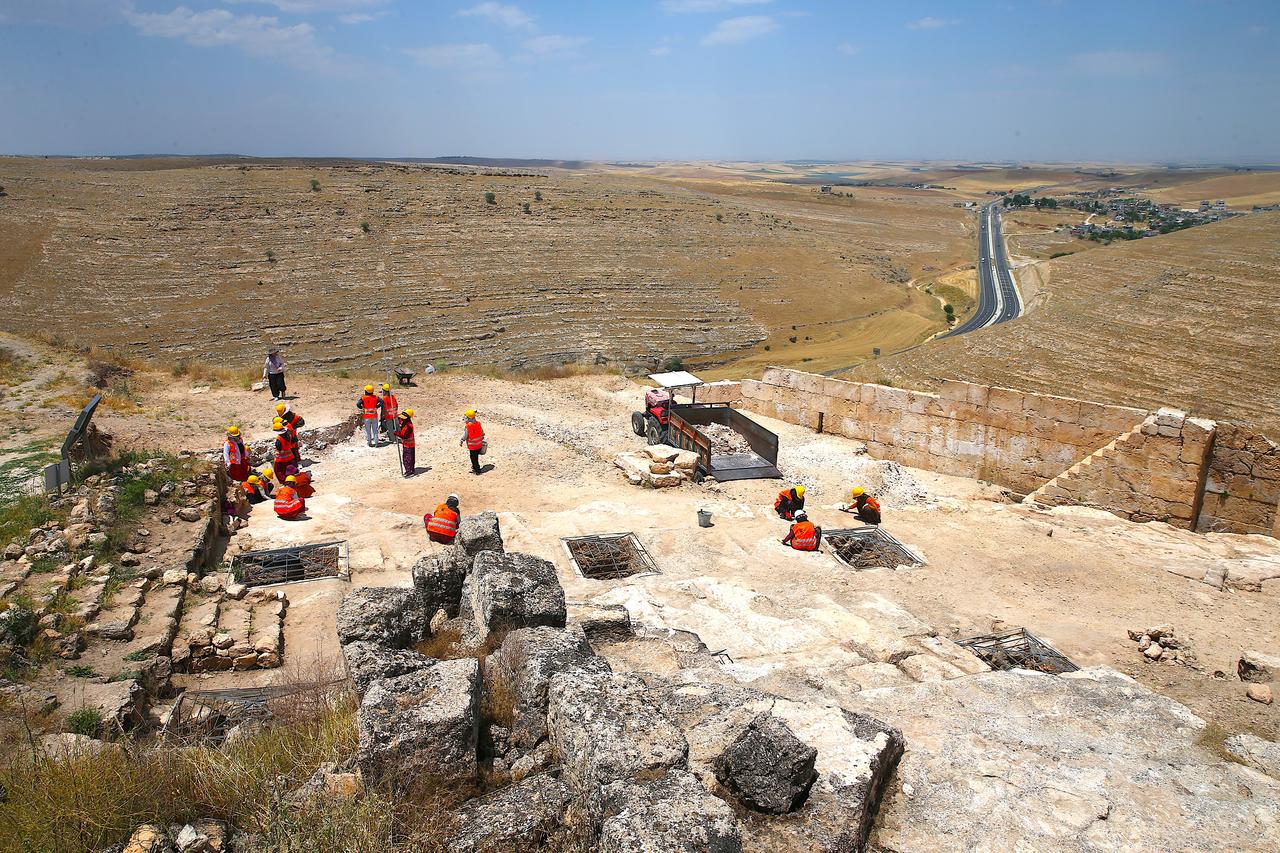
Excavation director Professor Aytac Coskun said Zerzevan Castle was used as an important Roman frontier garrison, and that the discovery helps explain what happened to Mithras temples after Christianity spread through the empire.
He said earlier coin finds had already pointed to the period when the temple was closed, but the newly solved inscription now provides direct evidence.
Coskun noted that the inscription had resisted earlier attempts at interpretation since its discovery in 2017, and that the latest study took one year to complete.
According to Coskun, Mithraism was later viewed as a rival belief system after Roman emperors adopted Christianity. As a result, some Mithras temples were closed, while others were converted into churches.
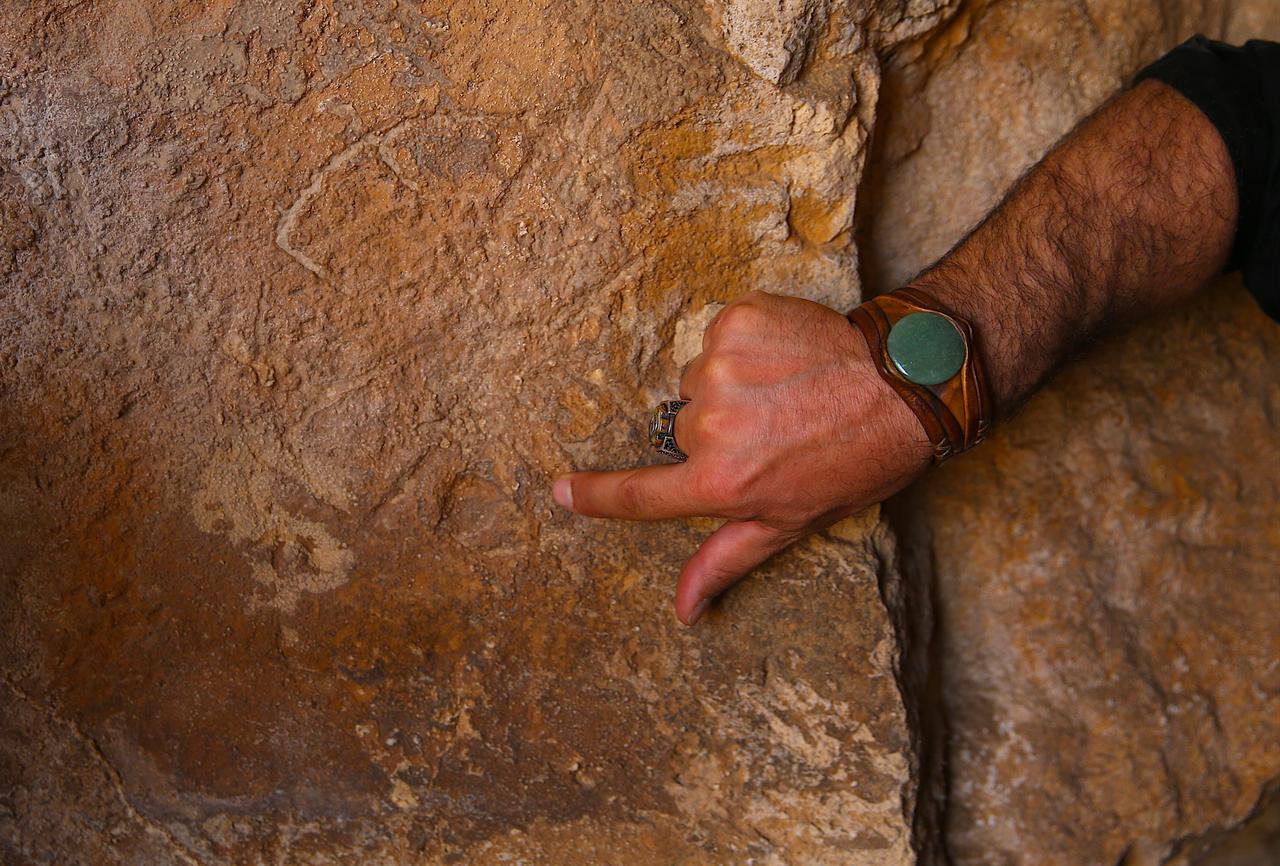
Toprak said the inscription refers symbolically to the "Invincible Sun God Mithras" and to Jesus, showing how the sanctuary was sealed in a Christian context.
He said the text includes expressions referring to the holy cross in the name of God, described as the one who orders, reforms and spreads love.
He described the inscription as the first known Old Aramaic written example showing the closure of a Mithras Temple. "This is an extremely important archaeological discovery," Toprak said, adding that both the writing and the cross at the entrance represented the symbolic closure of the temple.
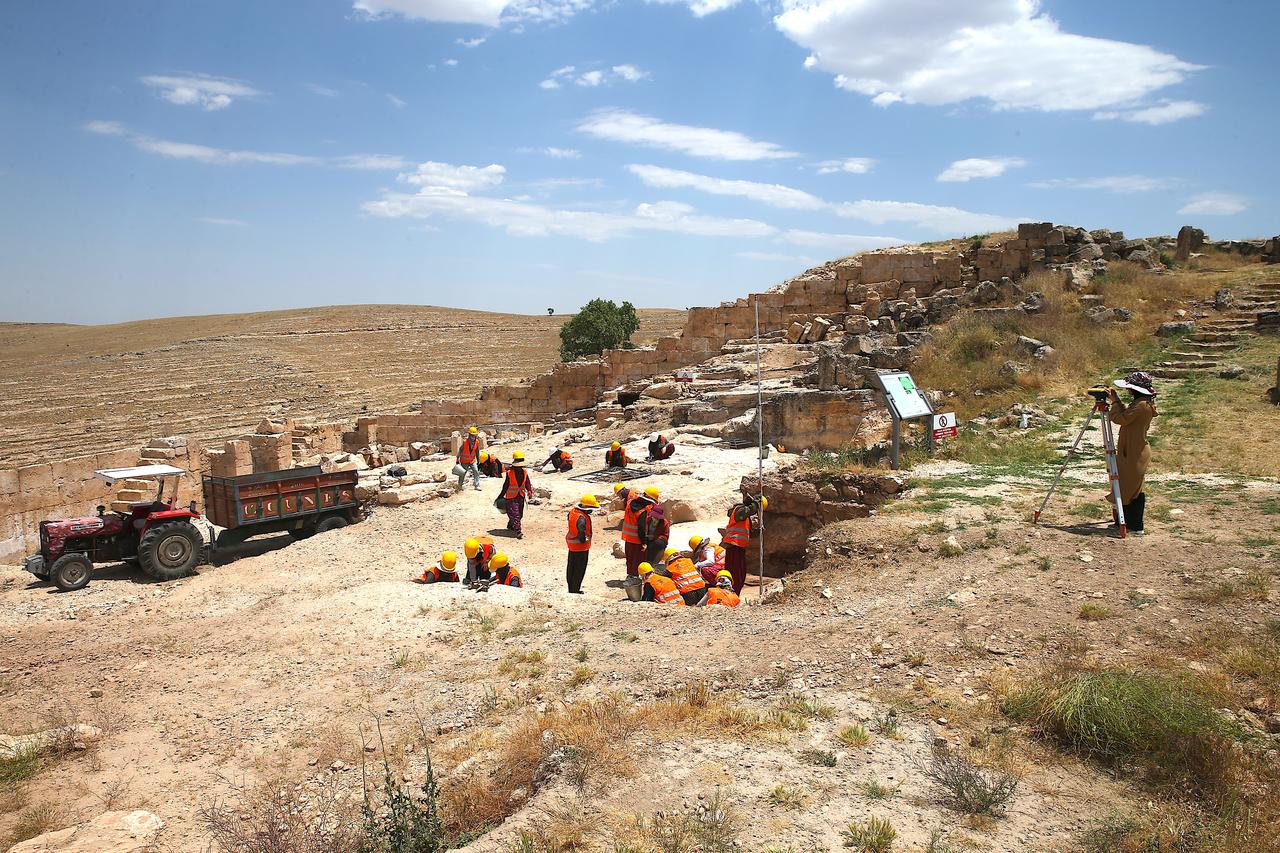
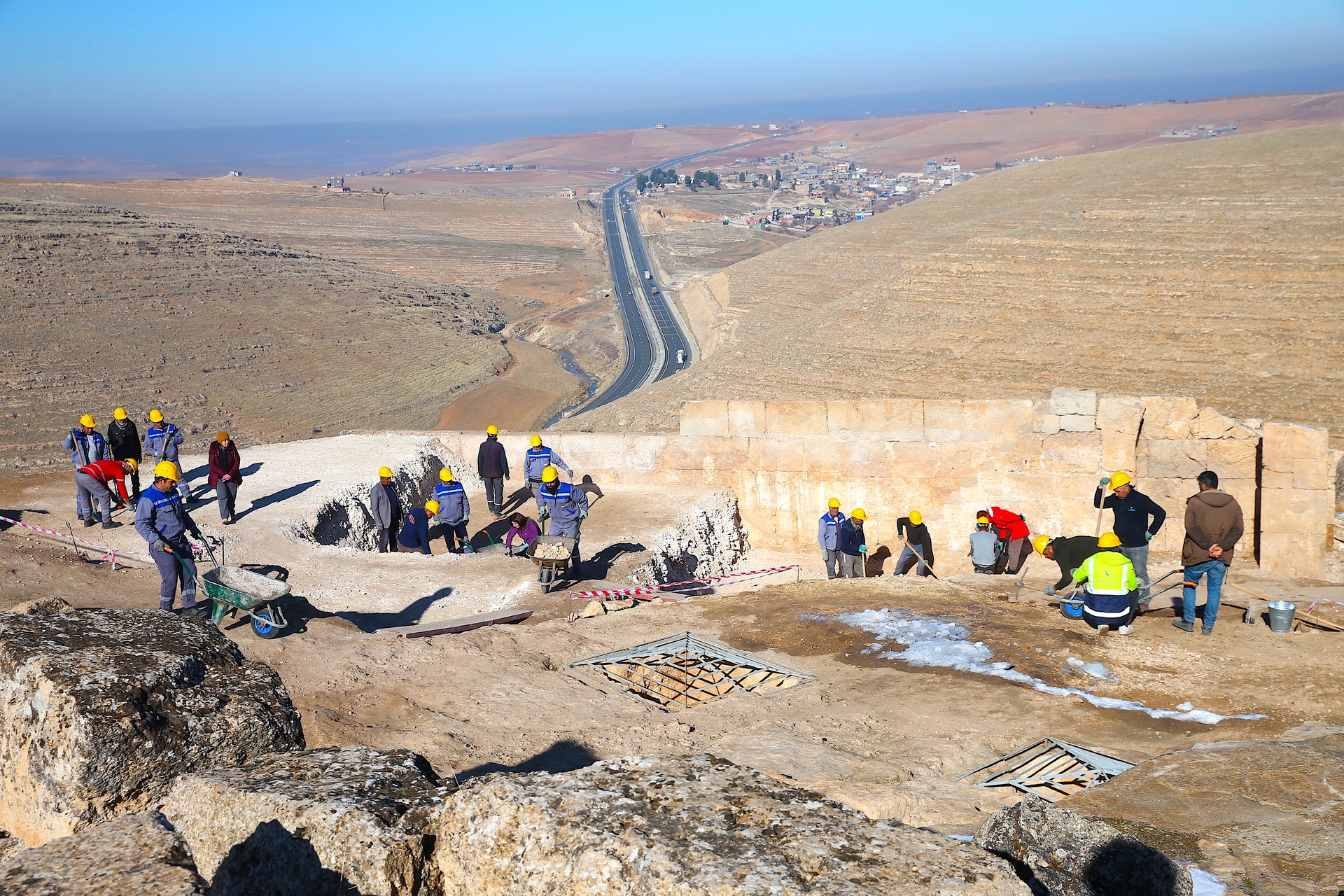
Zerzevan Castle, located on a rocky hill near Demirocek neighborhood, has been under excavation since 2014.
The site was added to UNESCO's World Heritage Tentative List in 2020 and has become one of Diyarbakir's major heritage attractions.
 2 min read
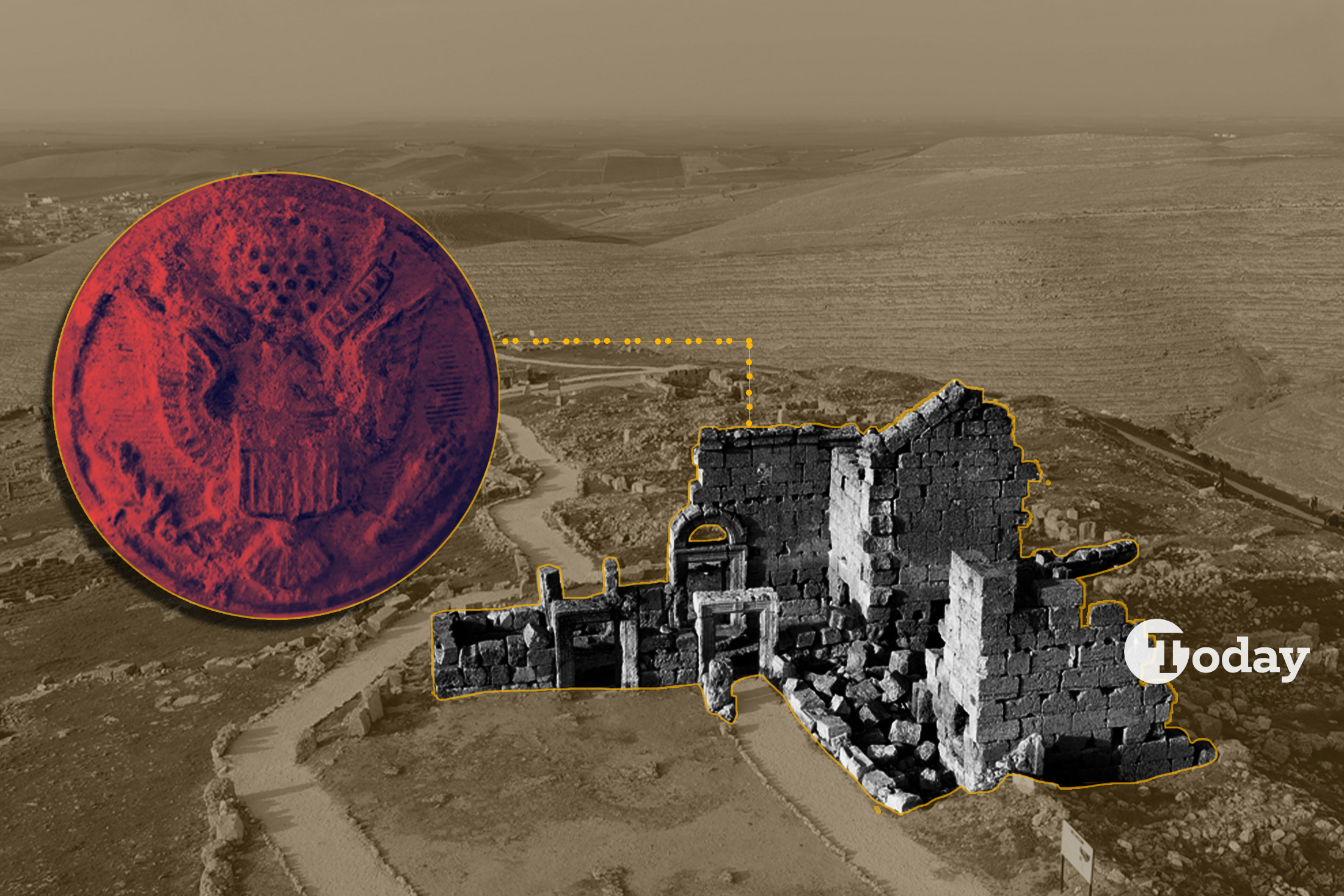
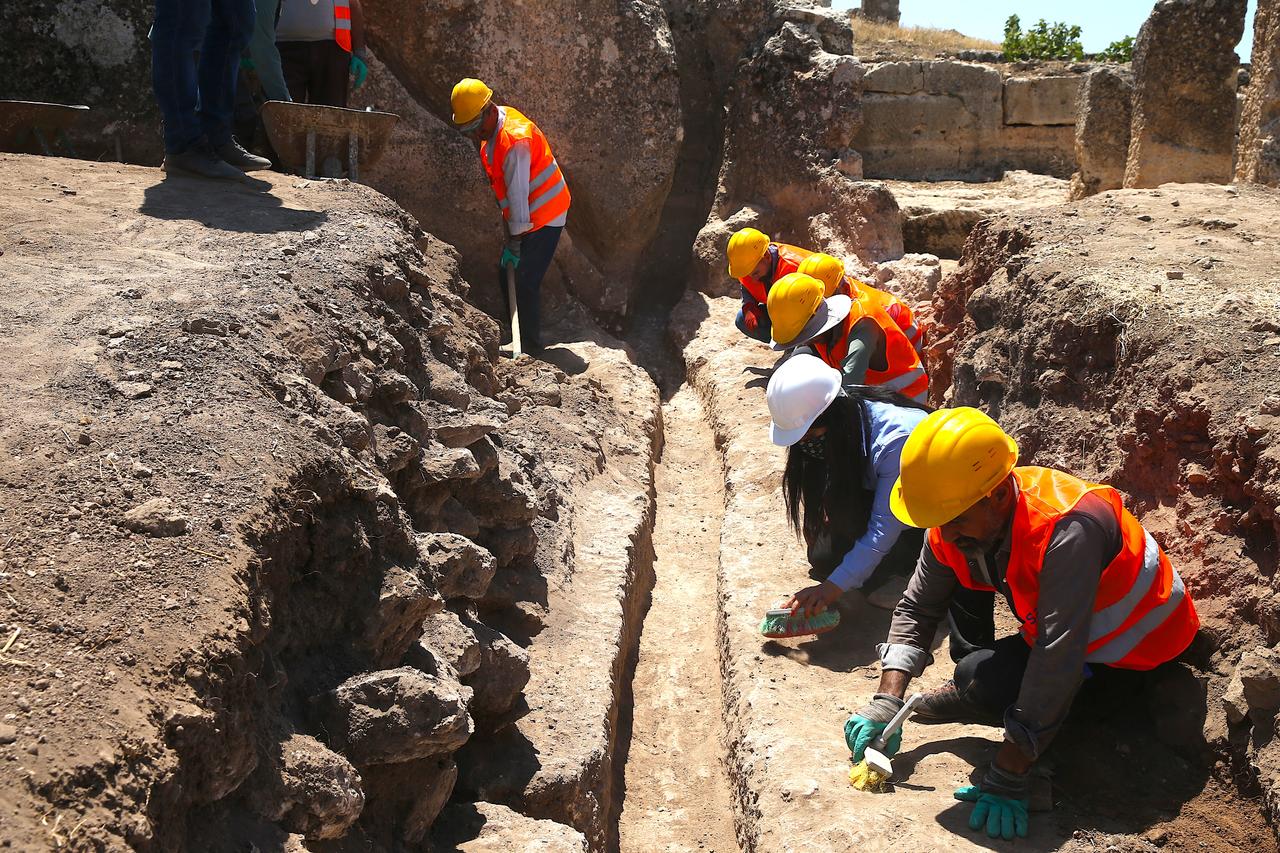
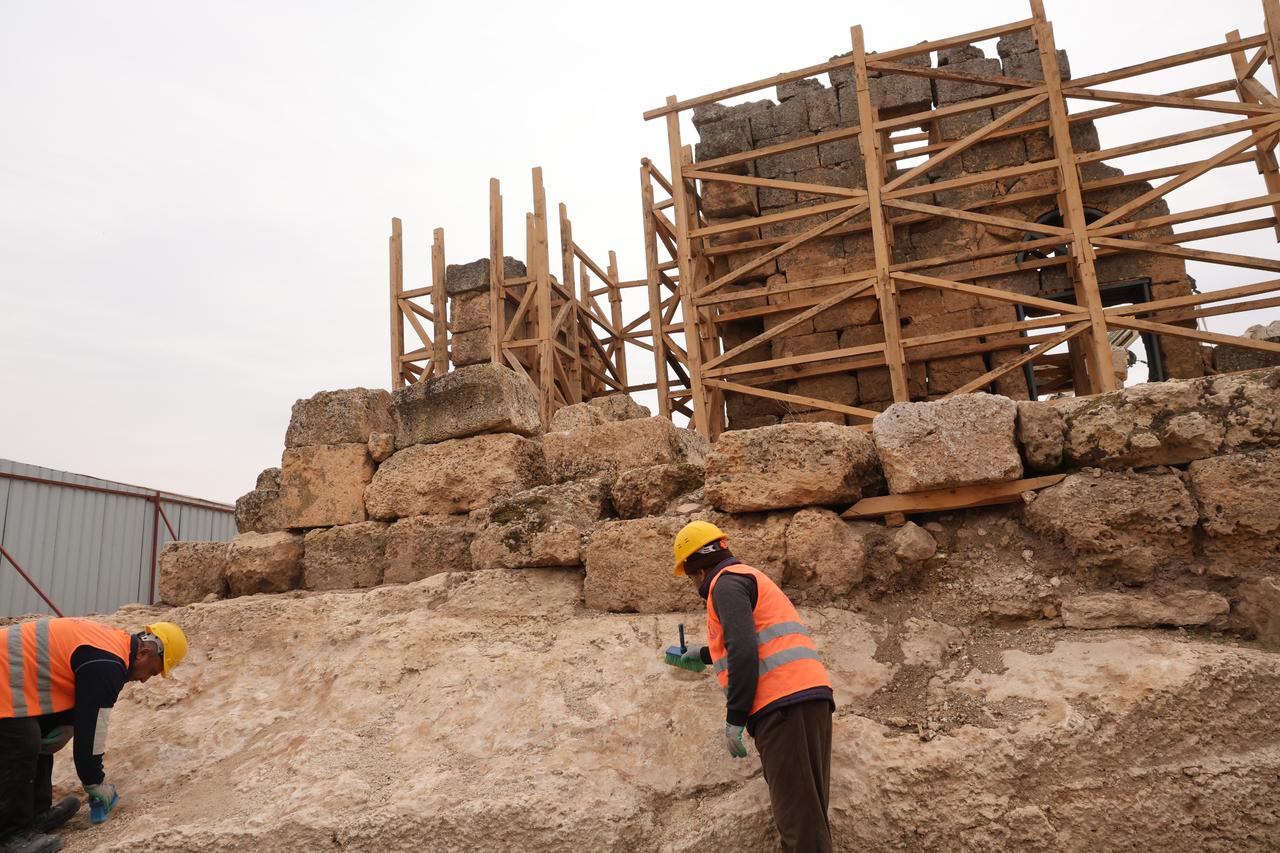
Excavations across the castle and its surroundings have uncovered defensive walls, towers, a church, administrative buildings, residences, storage areas, rock tombs, water channels, cisterns, an underground church, a shelter, secret passages and the Mithras Temple.
Restoration work is also continuing to help preserve the site for future generations.


 Set as preferred source
 Set as preferred source



 1 min read


