Newsletters


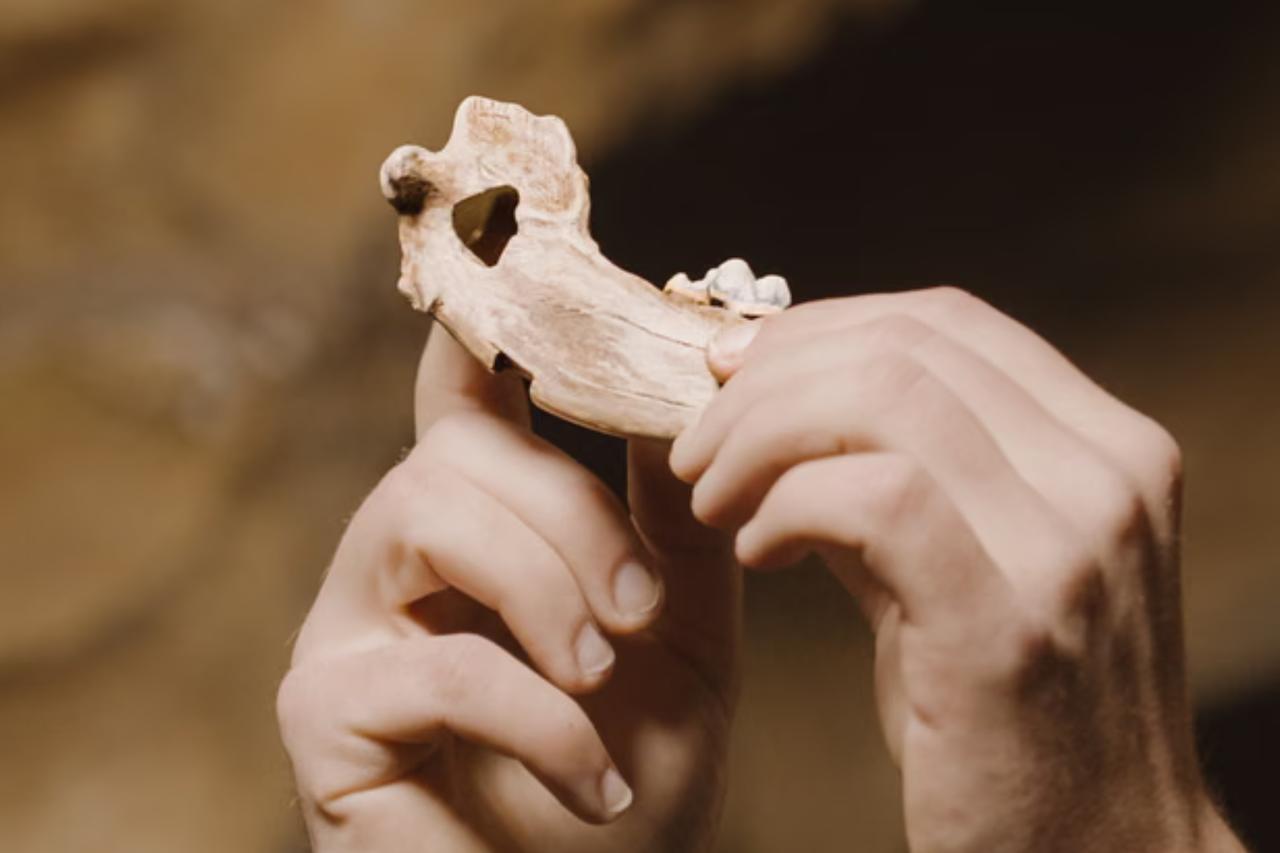


A new study published in Nature has pushed back the oldest direct genetic evidence for domestic dogs, showing that humans in Anatolia were living closely with dogs at least 15,800 years ago, long before farming emerged. The research points to Central Anatolia as home to the oldest genetically confirmed dog yet identified, with evidence suggesting hunter-gatherers were feeding dogs and burying them in ways that echoed human funerary practices.
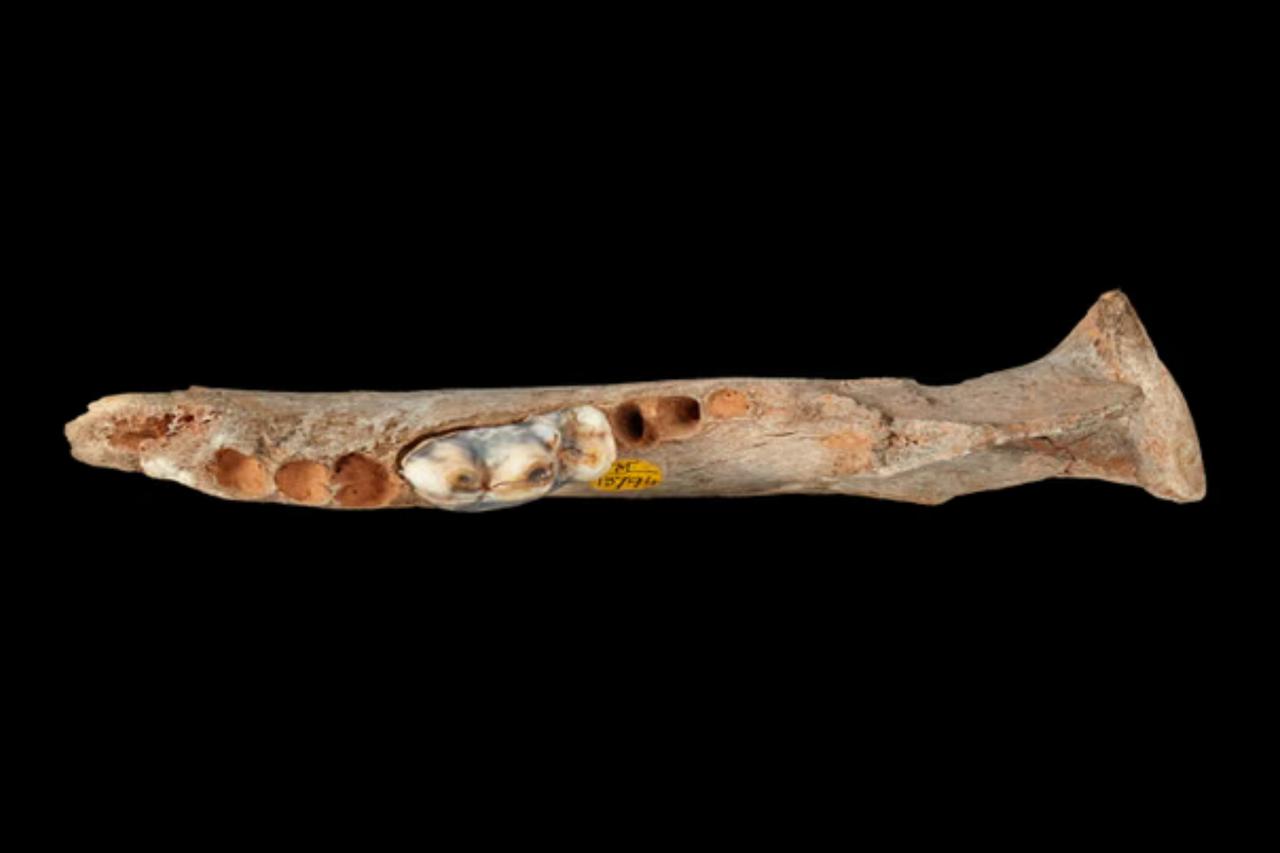

The oldest specimen in the study came from Pinarbasi in Türkiye, where researchers generated genomic data from canid remains dated to roughly 15,800 years ago. A second early dog, dated to around 14,300 years ago, was identified at Gough’s Cave in the United Kingdom, while related remains from sites in Germany, Italy, and Switzerland helped show that dogs had already spread widely across western Eurasia during the Late Upper Palaeolithic, the later phase of the last ice age.
The study said this finding pushes the timeline for the clearest genetic proof of dogs back by about 5,000 years. Earlier archaeological claims had suggested dogs were present before the end of the last ice age, but older bones often could not be securely told apart from wolf remains through shape alone. By piecing together ancient nuclear and mitochondrial DNA, the researchers were able to identify dogs more clearly than before.
 2 min read

Beyond the dating, the findings also shed light on how closely humans and dogs were already tied to one another. At Pinarbasi, isotopic analysis indicated that the dogs had an aquatic component in their diet, matching evidence that people at the site were consuming small freshwater fish. Researchers said this suggested the animals were being directly or indirectly provisioned by humans.
The same site also turned up signs of ritual treatment. Neonatal and juvenile dogs were buried in the same area as human burials, with the study saying these patterns point to symbolic treatment of dogs among hunter-gatherers earlier than previously confirmed. At Gough’s Cave, dog remains showed postmortem modification similar to that seen in human remains from the site, where archaeologists have previously identified funerary cannibalism.
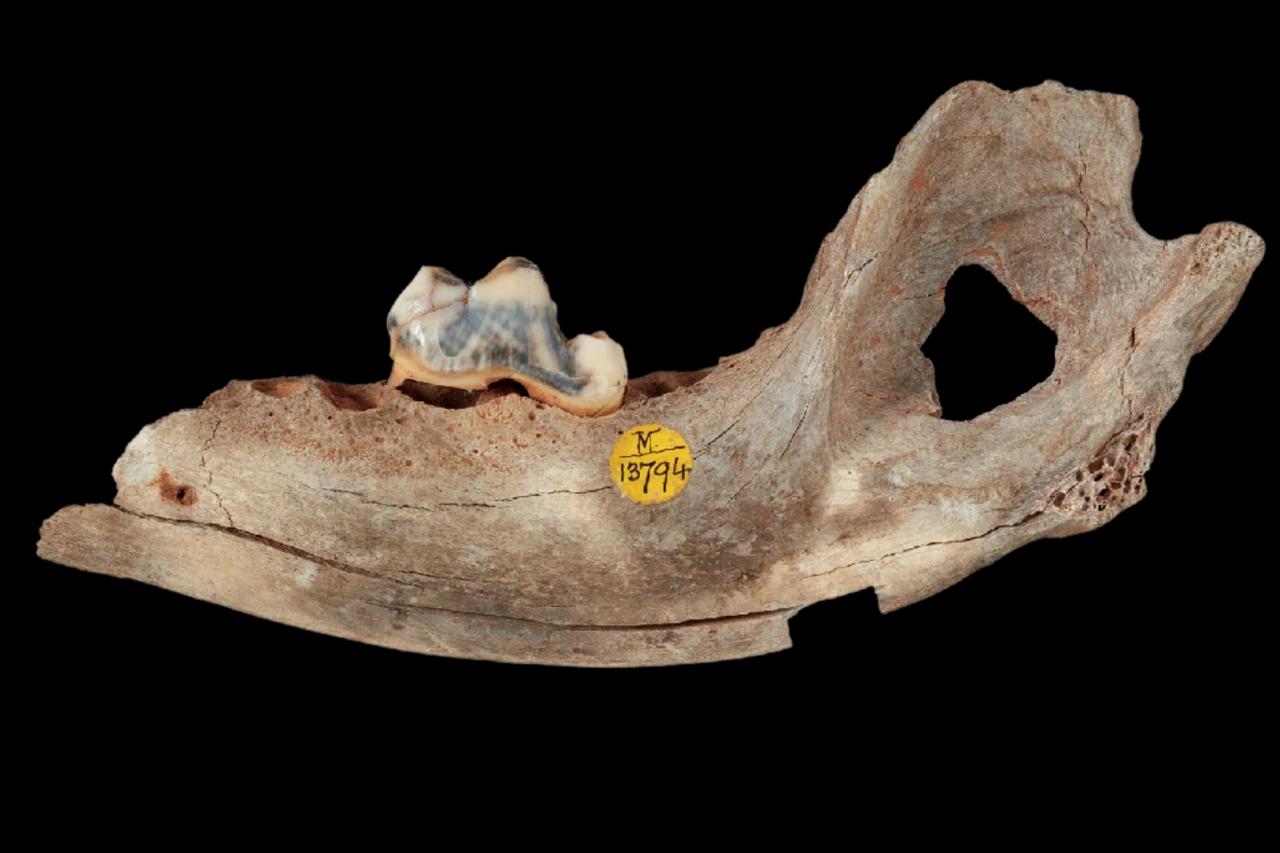
Researchers also found that the dogs from Pinarbasi and Gough’s Cave were genetically very similar despite being found at opposite ends of the known range of these early animals. That pattern suggests a relatively homogeneous dog population had spread across Europe and Anatolia between about 18,500 and 14,000 years ago, even among human groups that were culturally and genetically distinct. The study proposed that dogs may have moved across the region through human interaction and exchange.
The paper added that this early western Eurasian dog ancestry did not disappear. Instead, it remained part of the genetic foundation of later European dogs and survives in modern breeds today, even after later ancestry shifts during the Mesolithic, the middle phase between the Palaeolithic and the Neolithic.


 Set as preferred source
 Set as preferred source



 1 min read