Newsletters


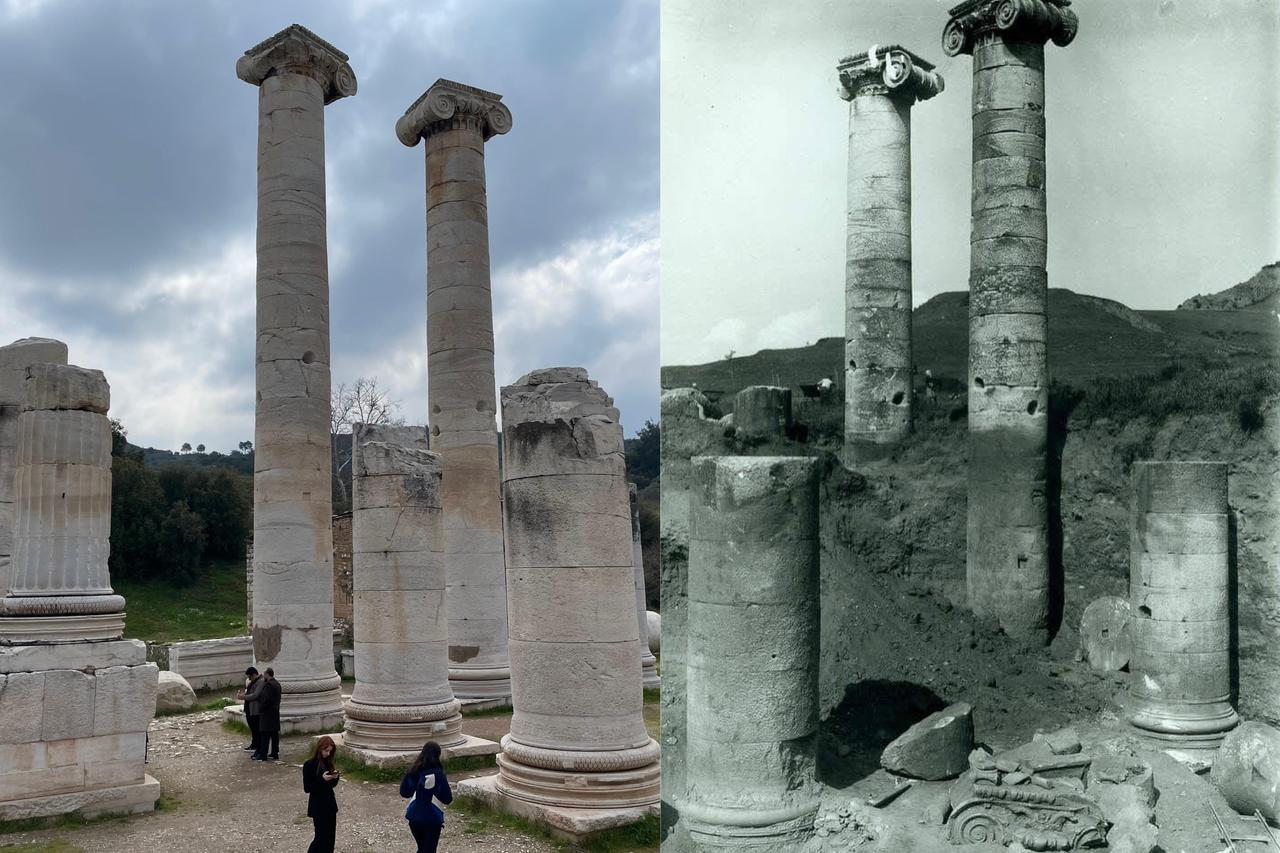


The Temple of Artemis at Sardis, one of the largest Ionic temples in the ancient world, continues to offer rare insight into how Greek and Roman architectural traditions merged over centuries, as ongoing research sheds new light on its complex construction and evolving use.
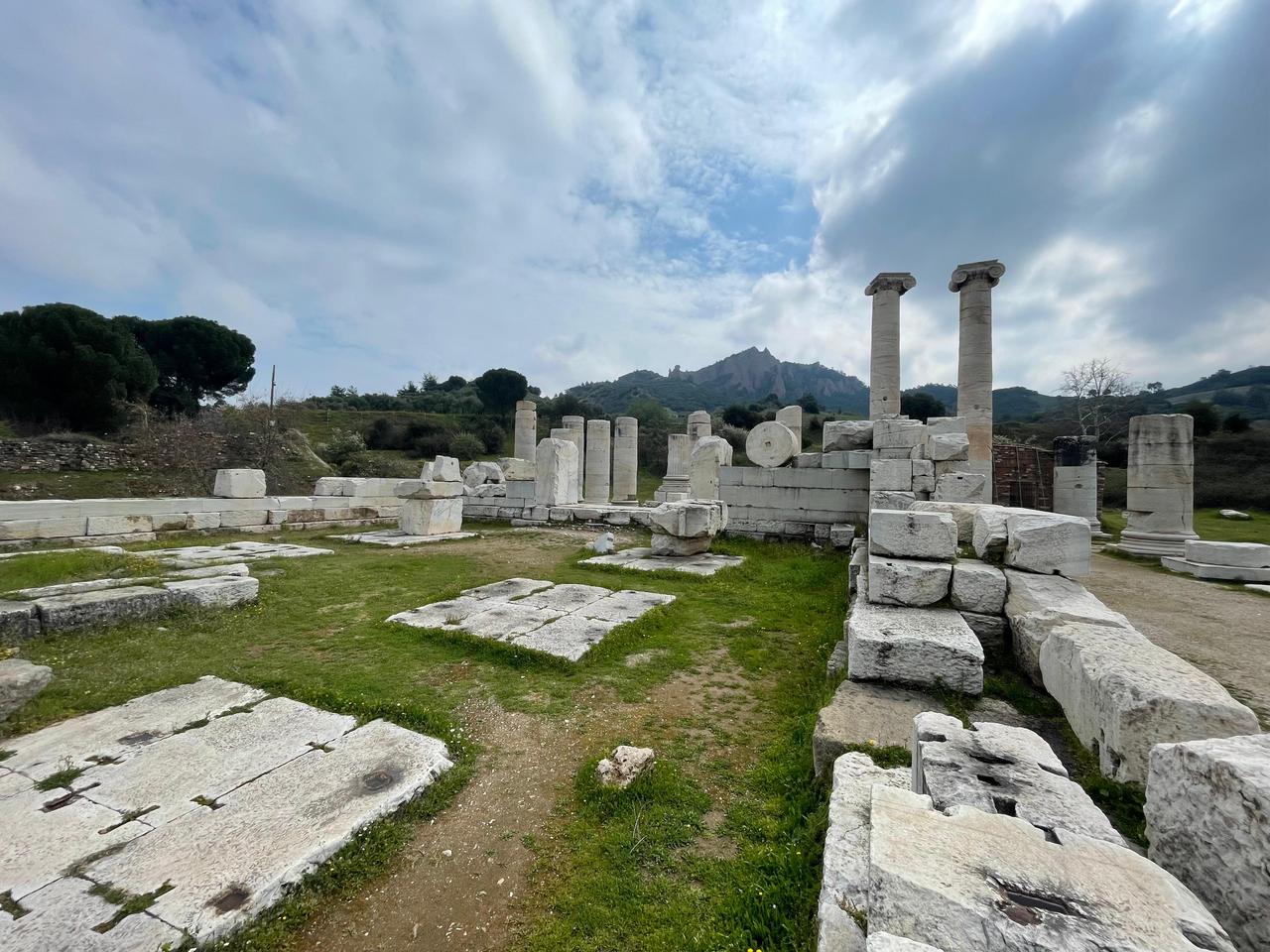

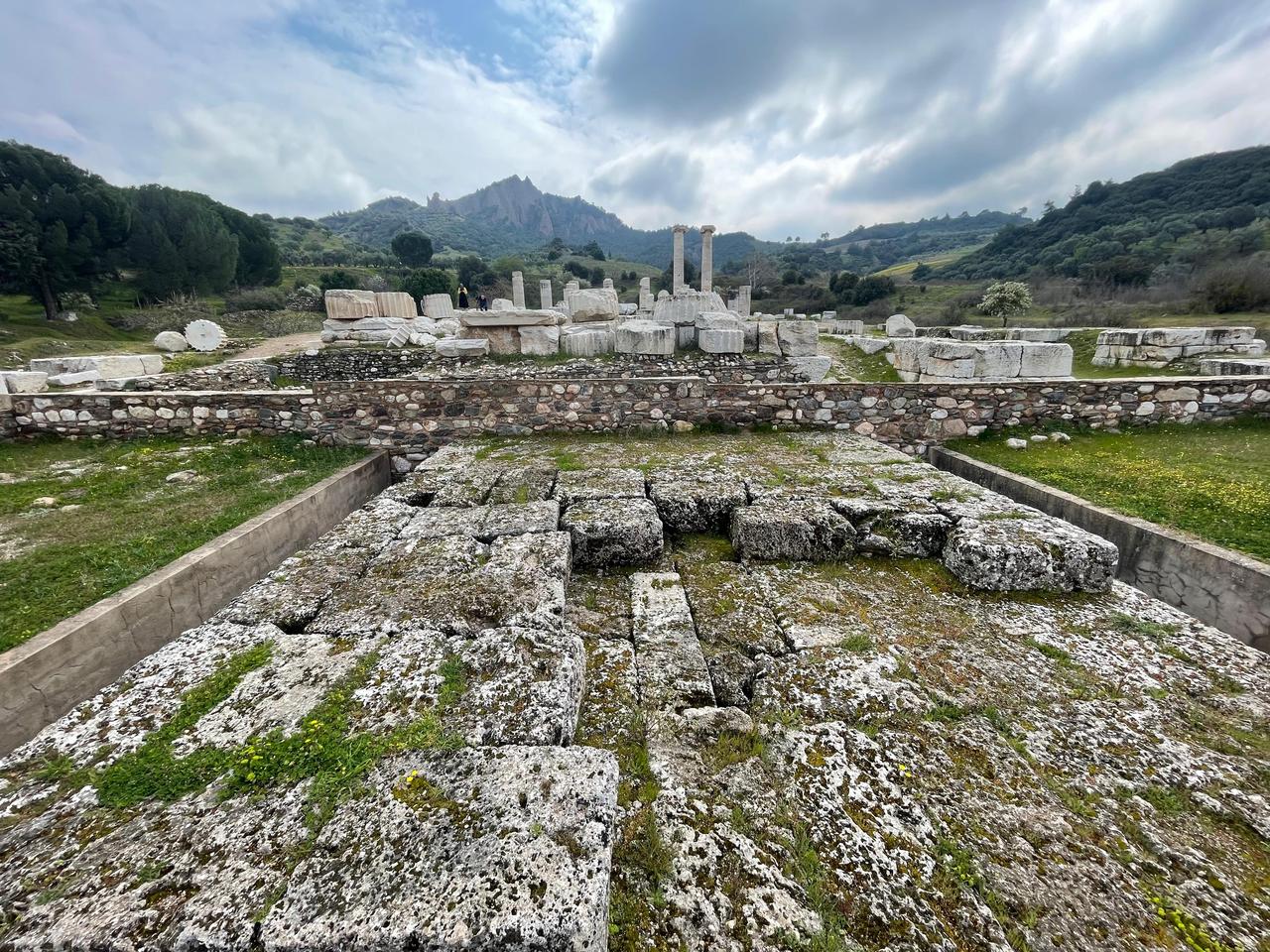
Set on the western slopes of the Acropolis below the Tmolus Mountains, the temple rises over a broad valley that opens toward the ancient Pactolus River. Its placement reflects both natural topography and long-standing sacred use, as archaeological evidence points to an earlier limestone altar that likely predates the temple itself.
The structure stands out not only for its scale but also for its unusual design, which does not fully align with typical Greek temple layouts. While parts of the building remain well preserved, especially toward the eastern end, other sections, such as the roof and large portions of the colonnades, were either never completed or later lost, making the original design difficult to fully reconstruct.
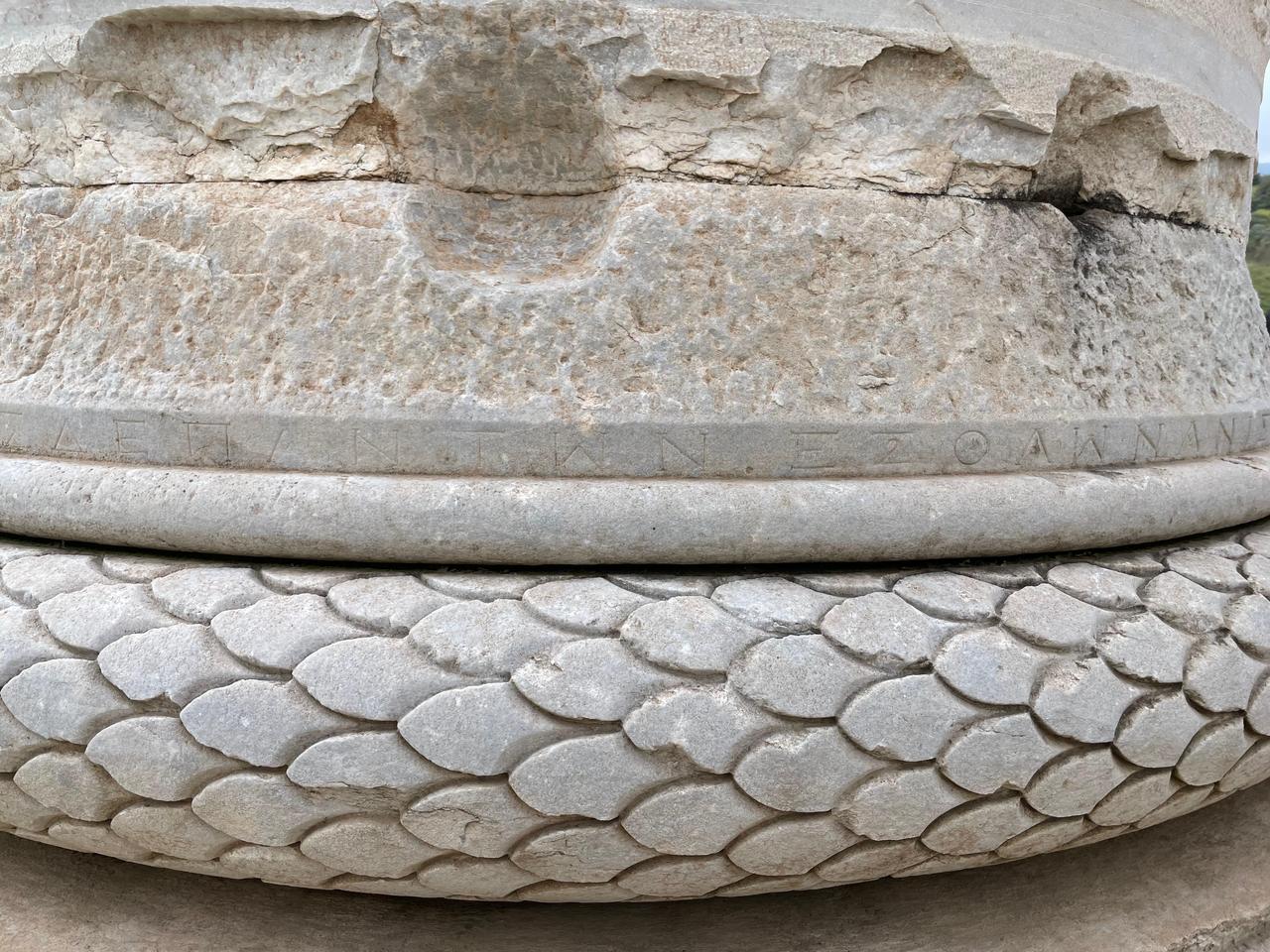
The temple’s earliest phase dates back to the period following the death of Alexander the Great, when construction of the central chamber, known as the cella, was initiated. During this Hellenistic phase, the temple functioned without its surrounding columns, giving it a simpler and more enclosed appearance.
Centuries later, under Roman rule, the project was taken up again and expanded. The addition of a surrounding colonnade and monumental porches transformed the building into a grander structure. At the same time, the interior was divided into two chambers, marking a shift in function as the temple was adapted to incorporate the Imperial Cult, a system in which Roman emperors were venerated alongside traditional deities.
Archaeological findings, including large sculpted heads believed to represent members of the Antonine dynasty, indicate that the temple played a central role in this imperial religious framework.
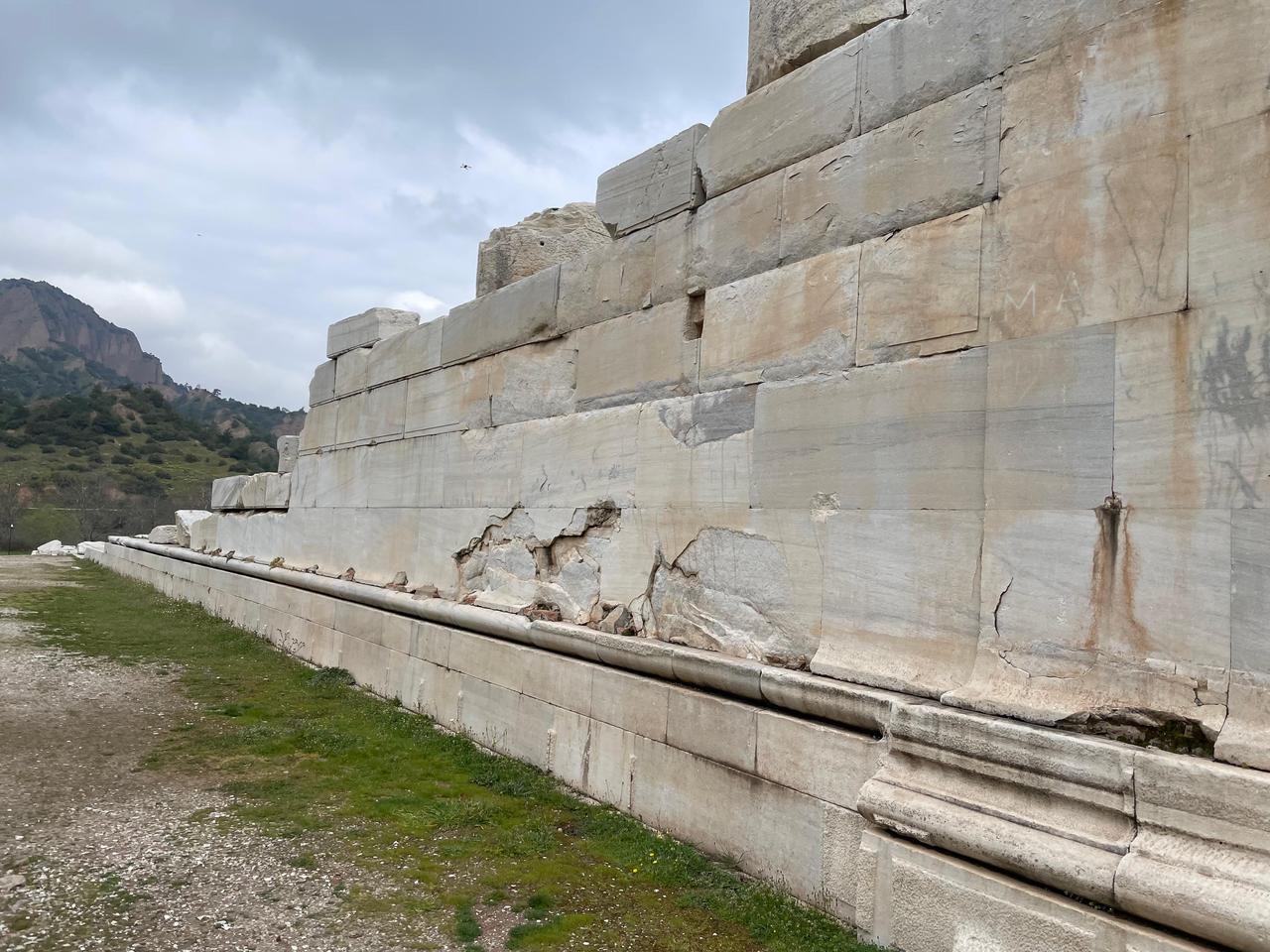
Despite its scale and ambition, the temple was never completed in its entirety. By the late Roman period, construction had stalled, and with the spread of Christianity, the site gradually fell out of use. A small church was later built into one corner of the structure, and carved crosses on its marble walls point to attempts to repurpose the space for new religious practices.
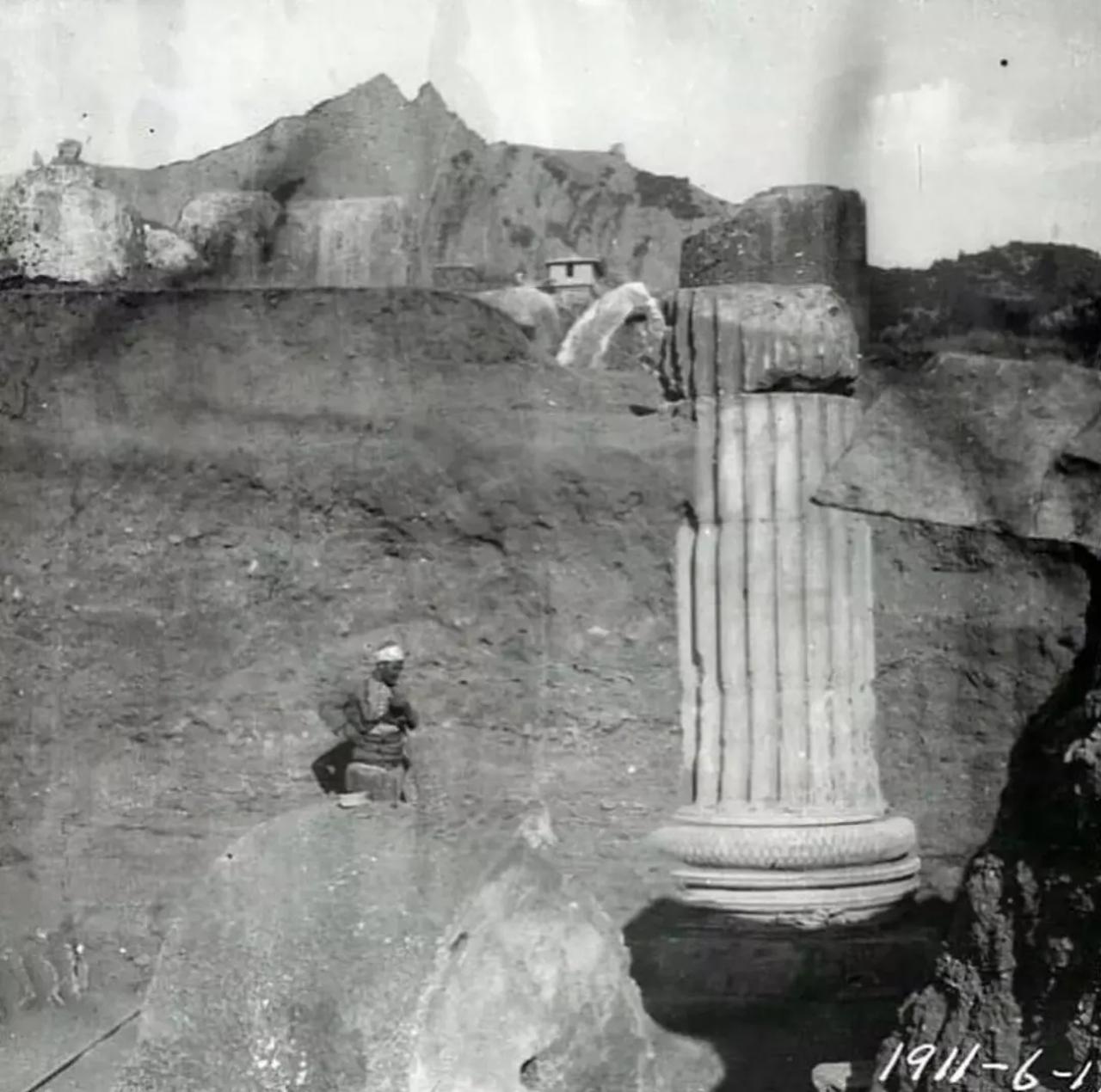
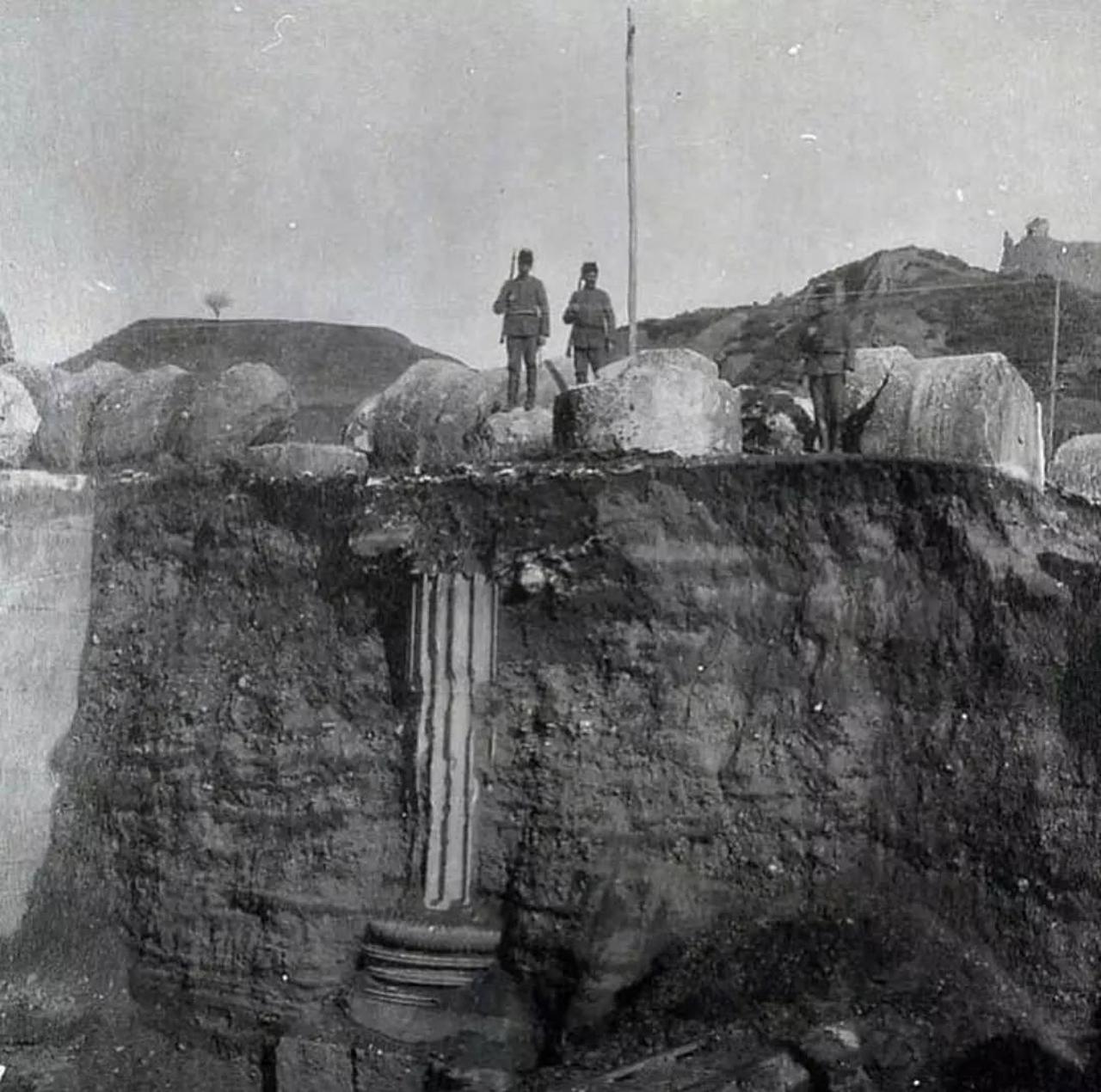
Over time, much of the temple’s material was dismantled and reused in the surrounding Byzantine city, while landslides from the Acropolis buried large sections of the site. Even so, parts of the structure remained visible, drawing the attention of travelers and early explorers.
Interest in the temple dates back to at least the 15th century, when early visitors recorded standing columns. More systematic investigations began in the 20th century, with major excavation campaigns led by American teams and later expanded through detailed architectural studies.
Since the late 20th century, research has focused on documenting construction techniques and digitally reconstructing the monument. These efforts have revealed that the temple was built using two distinct methods, reflecting its dual phases. The earlier Hellenistic construction relied on carefully fitted marble blocks, while the Roman phase introduced mortared rubble and reused materials, indicating a shift in building practices.
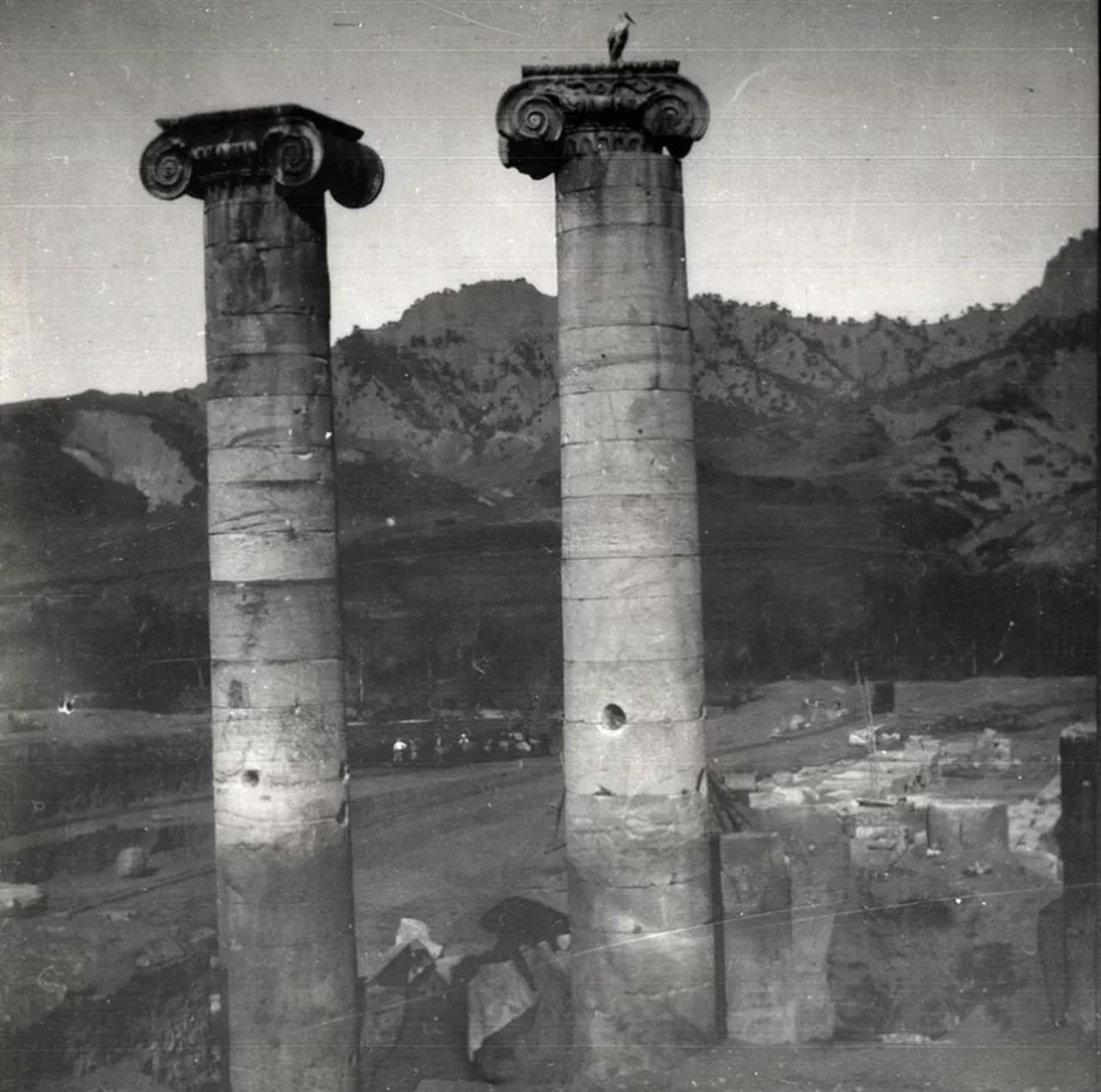
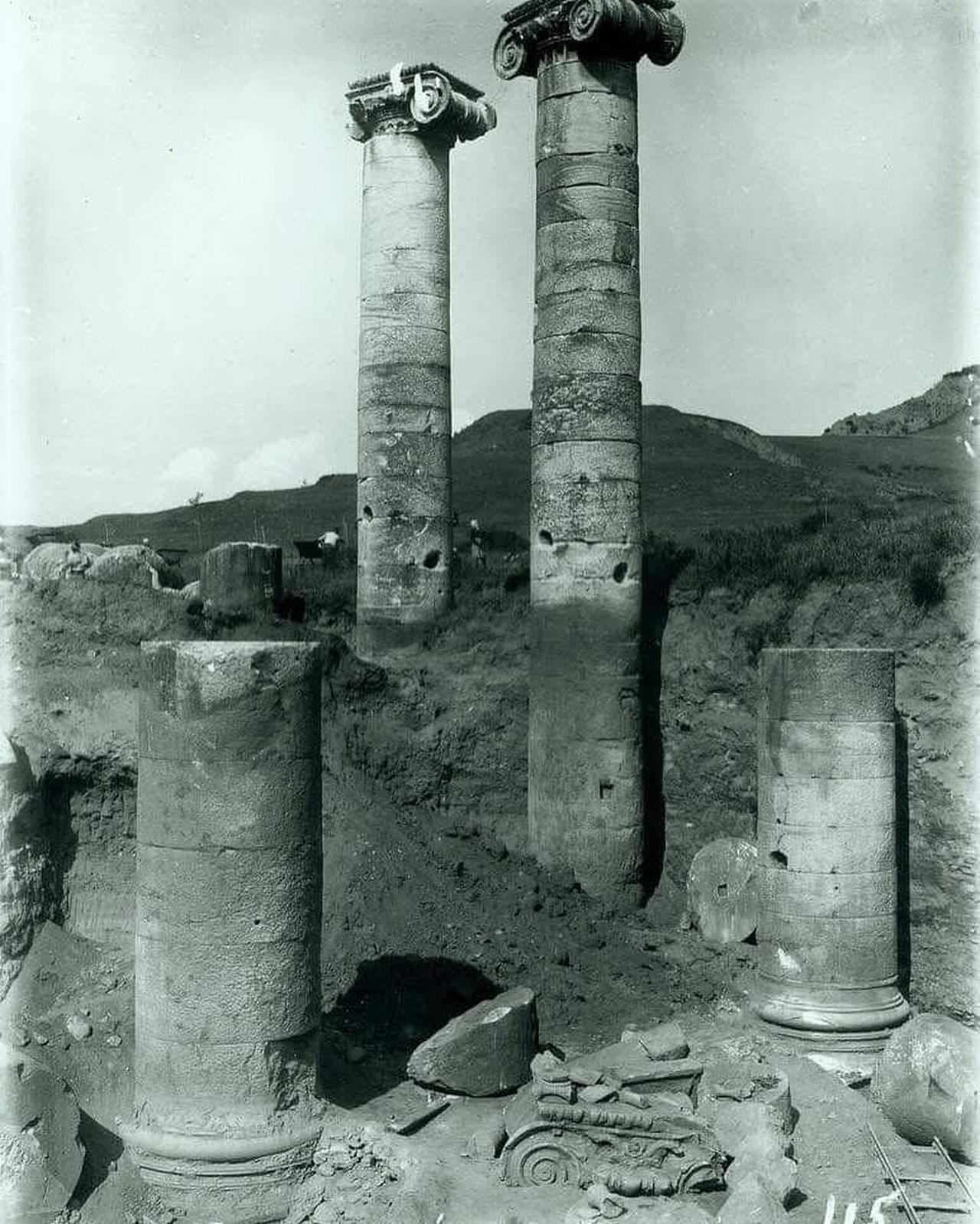
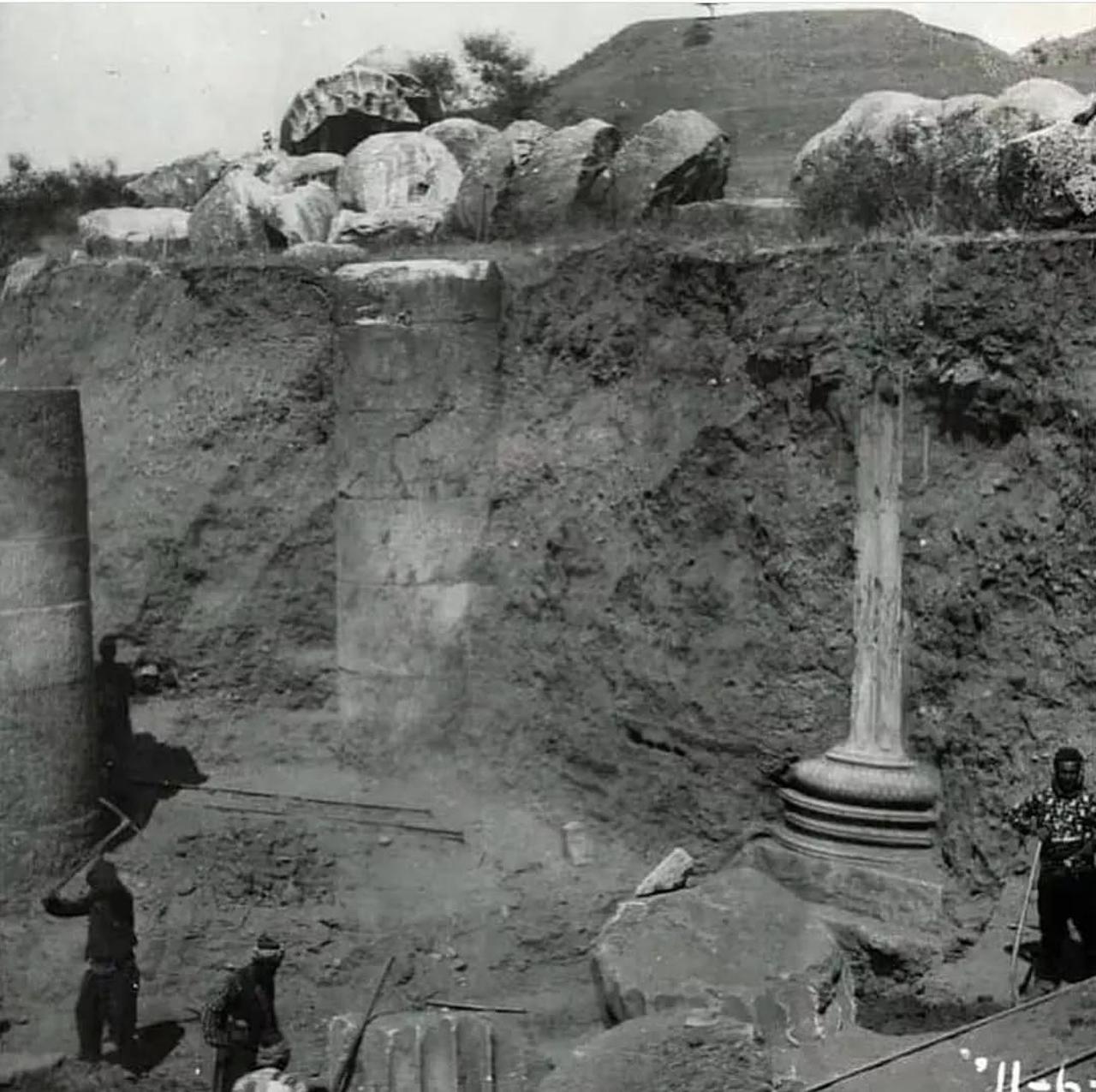
The Temple of Artemis at Sardis is often described as a transitional structure that bridges the Greek and Roman architectural worlds. Its elongated layout, unusual column spacing, and deep porches set it apart from more standardized temple designs of the time.


 Set as preferred source
 Set as preferred source


 1 min read
 1 min read