

 Newsletters


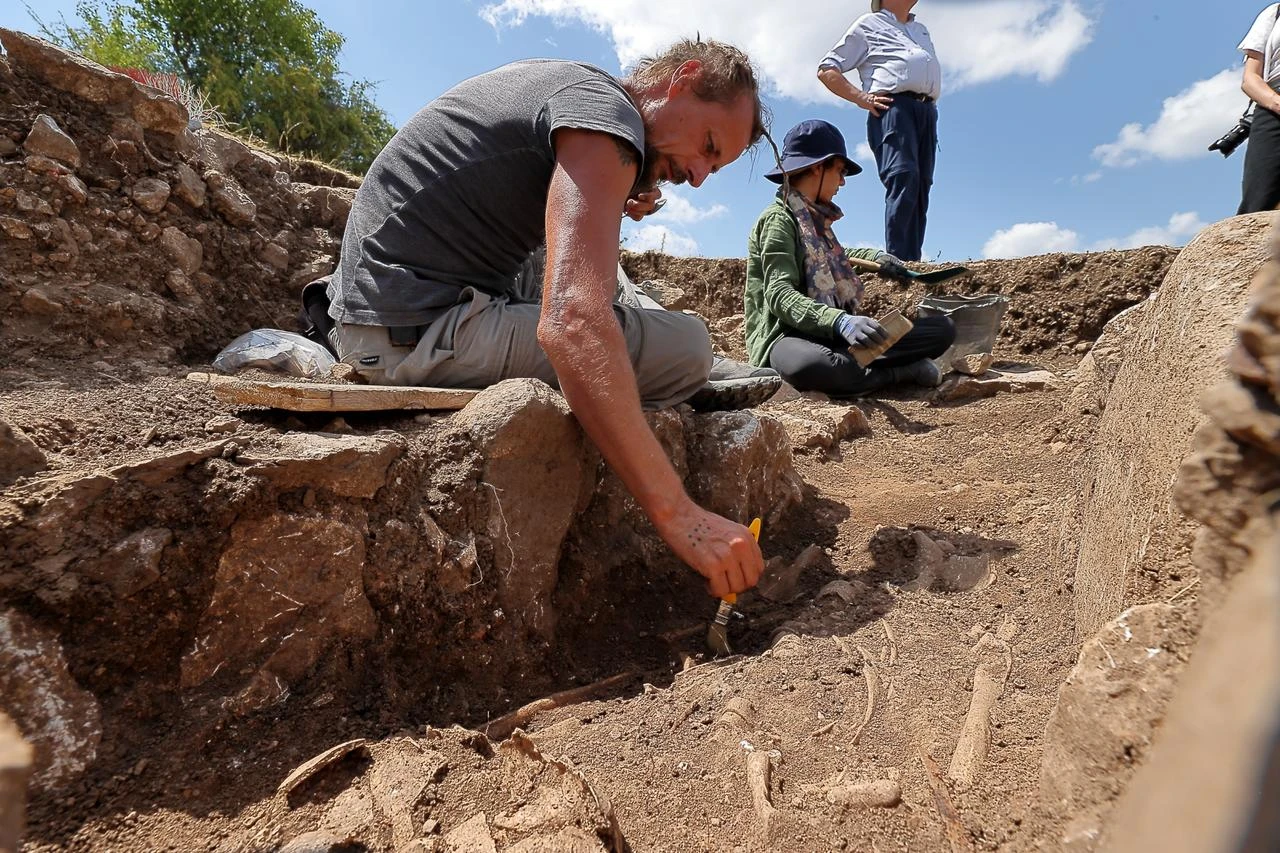


Archaeologists working at the ancient city of Hattusa in central Türkiye have uncovered three tombs dating back roughly 2,300 years, including an exceptionally well-preserved burial containing a complete skeleton and a knife positioned beside the individual's right shoulder.
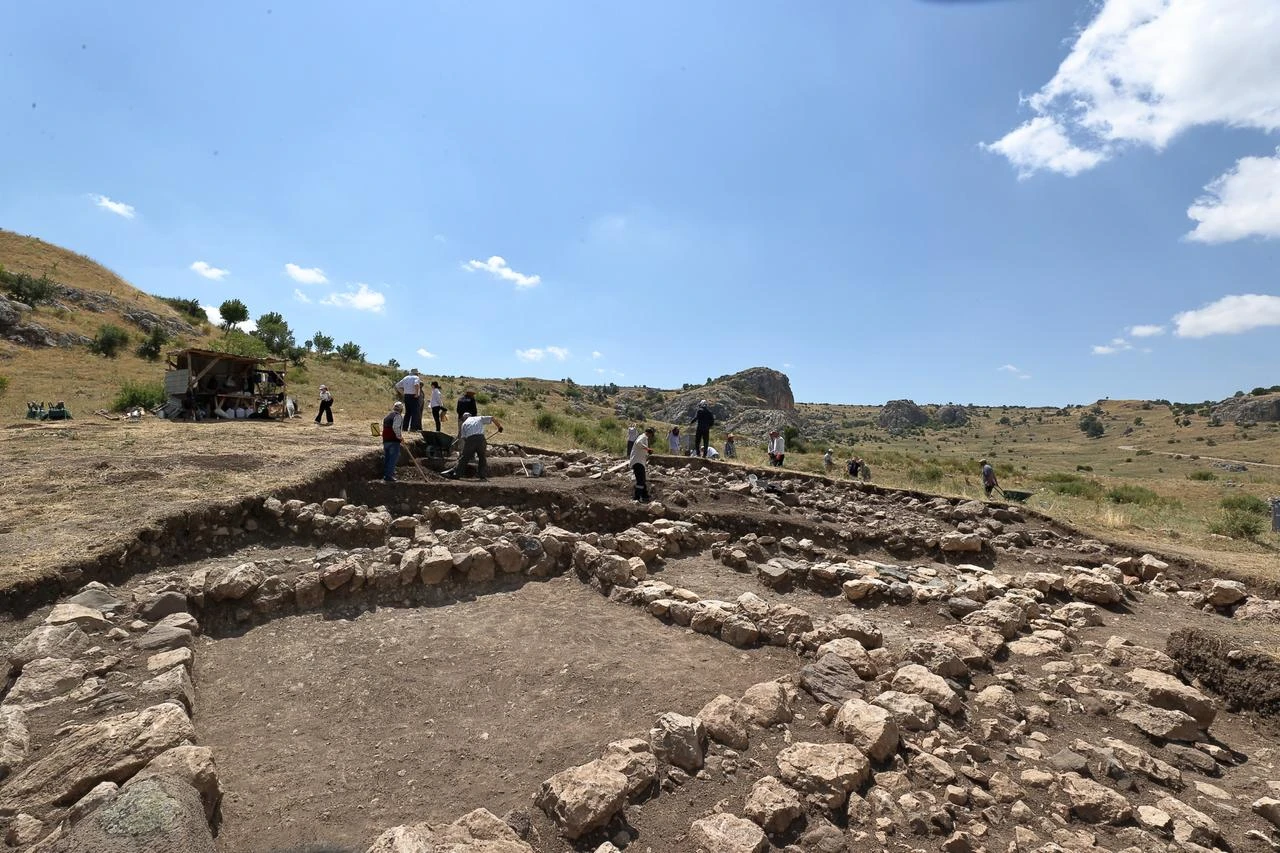
The graves were discovered on Hattusa's northwestern slope and are believed to date to the Early Hellenistic and Galatian periods, around the late fourth and third centuries B.C.
Excavation director Professor Andreas Schachner said the latest discovery stands out because both the burial structure and the skeleton inside have survived in particularly good condition.
"This is the best one of these tombs we have found so far. What distinguishes these graves is that they are surrounded by a circular stone structure. In this newly discovered grave, the circle has been preserved very well," Schachner said.
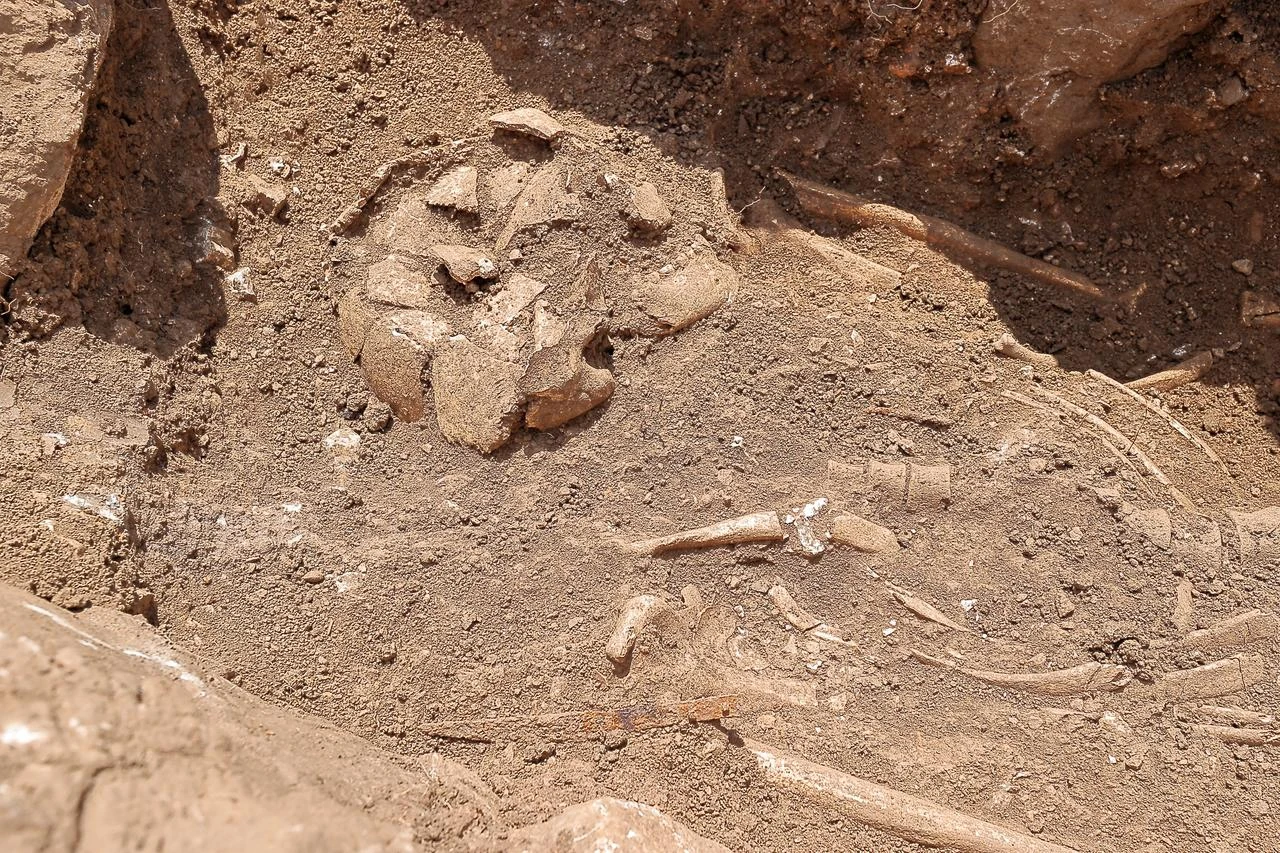

The grave is surrounded by a stone wall forming a circle roughly 7 meters in diameter, while a second stone structure inside creates a space large enough to hold an adult individual.
Schachner described it as a stone cist grave, meaning a burial chamber formed by stone slabs or walls, and said this type of tomb was widespread in the area.
The intact skeleton was found with a knife lying near its right shoulder. Researchers have not yet determined whether the object was placed there as a grave offering, meaning an item deliberately buried with the deceased, or whether it was simply an object belonging to the individual.
Schachner said the burial must be completely uncovered before researchers can draw firmer conclusions. He added that the individual may have been male, although this has not yet been established, while most of the graves previously excavated in the area belonged to women.
Other graves uncovered nearby have yielded objects including coins and cosmetic sets.
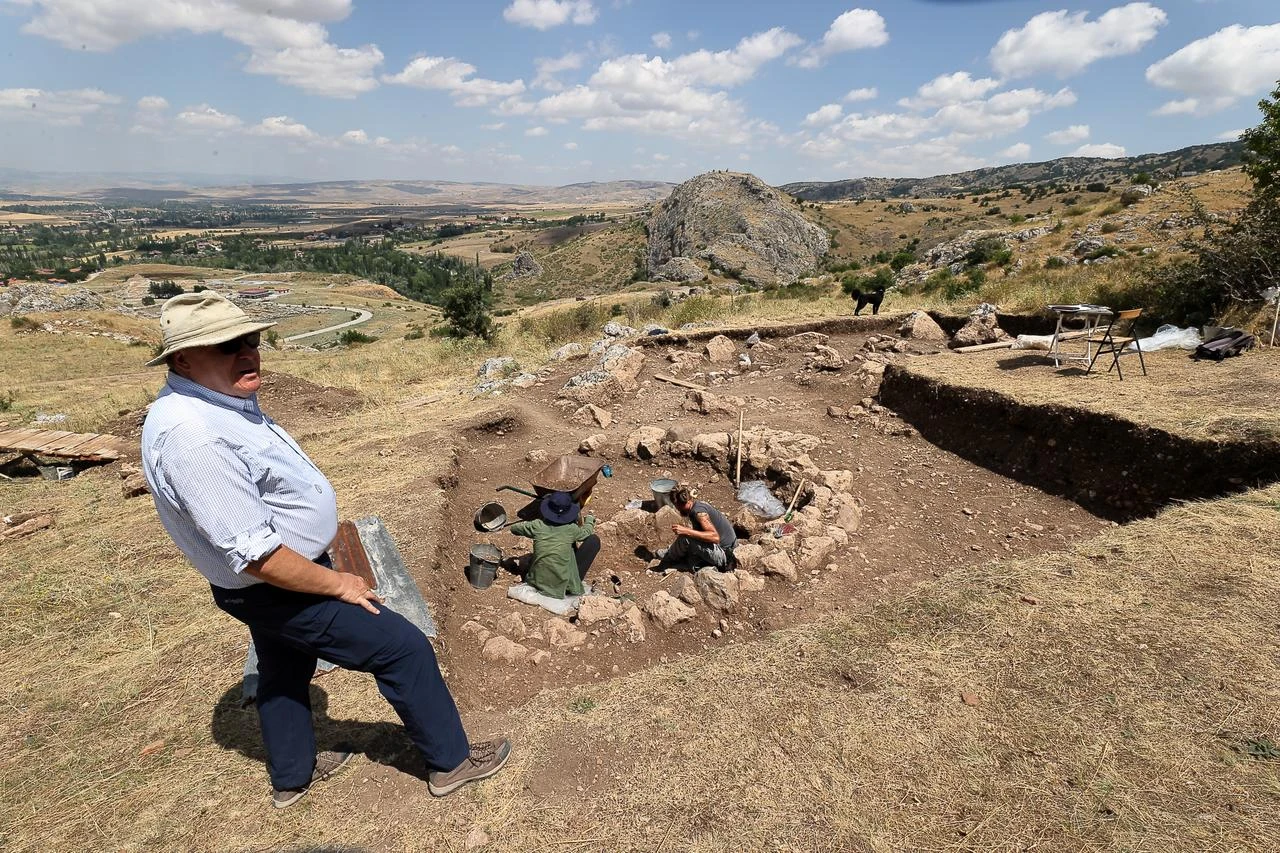
The burial ground came to light as archaeologists were working to open up the area around a nearby storage structure.
Five graves, including three belonging to women, were discovered in the same area last year, while another three have been uncovered during this year's excavations. Schachner described the site as a relatively sparse cemetery, with graves scattered rather than densely grouped together.
A further nine graves from the same period had previously been identified to the west of the excavation area, bringing the known total from this period to 17.
Schachner said the discoveries were helping researchers build up their understanding of a period that remains less well known at Hattusa.
Across Bogazkale, where Hattusa is located, hundreds of graves from different periods have been documented, including nearly 200 dating to the Roman era.
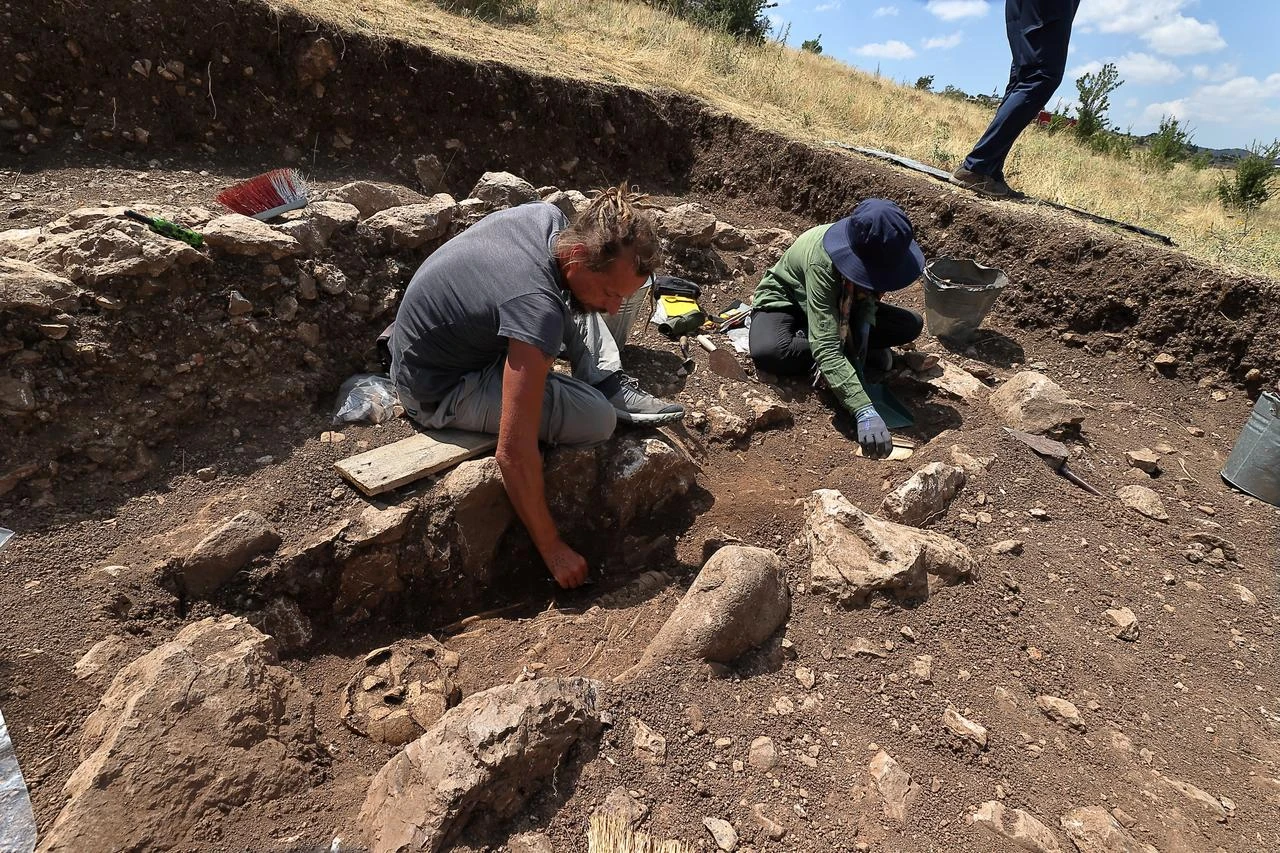
Archaeological work has been carried out at Hattusa since 1906, while excavations led by Schachner have continued since 2006 under the German Archaeological Institute.
The ancient settlement contains remains from several periods, including the Chalcolithic Age, the pre-Hittite and Hittite periods, the Iron Age, the Galatian era, and the Byzantine and Roman periods.
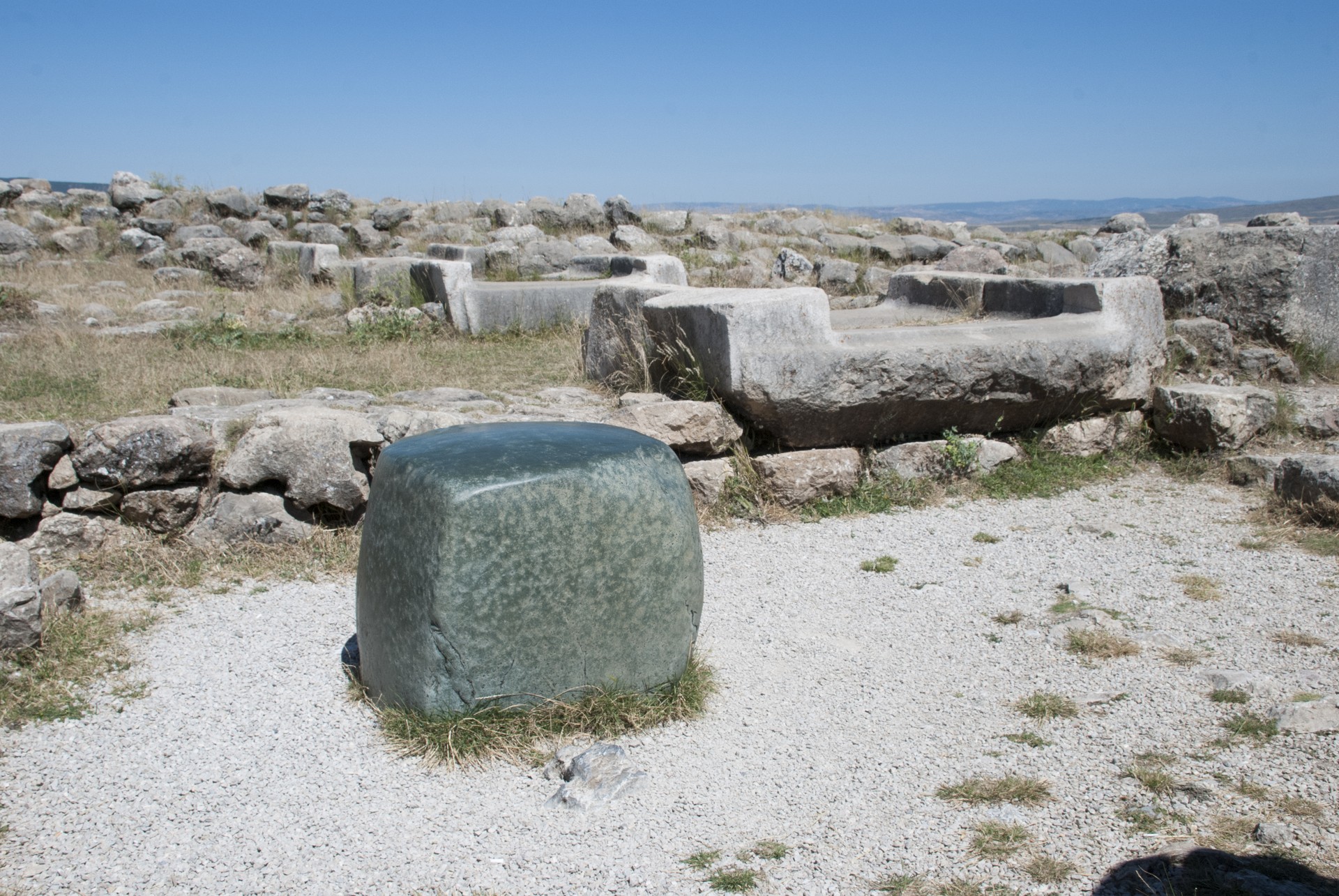
Hattusa, which served as the capital of the Hittite civilization for about 450 years, also preserves traces reaching back to the sixth millennium B.C. and is included on UNESCO's World Heritage and Memory of the World lists.
Schachner said the newly uncovered graves will be restored after archaeological work is completed and are ultimately planned to be opened to visitors.


 Set as preferred source
 Set as preferred source


 1 min read
 1 min read


