

 Newsletters


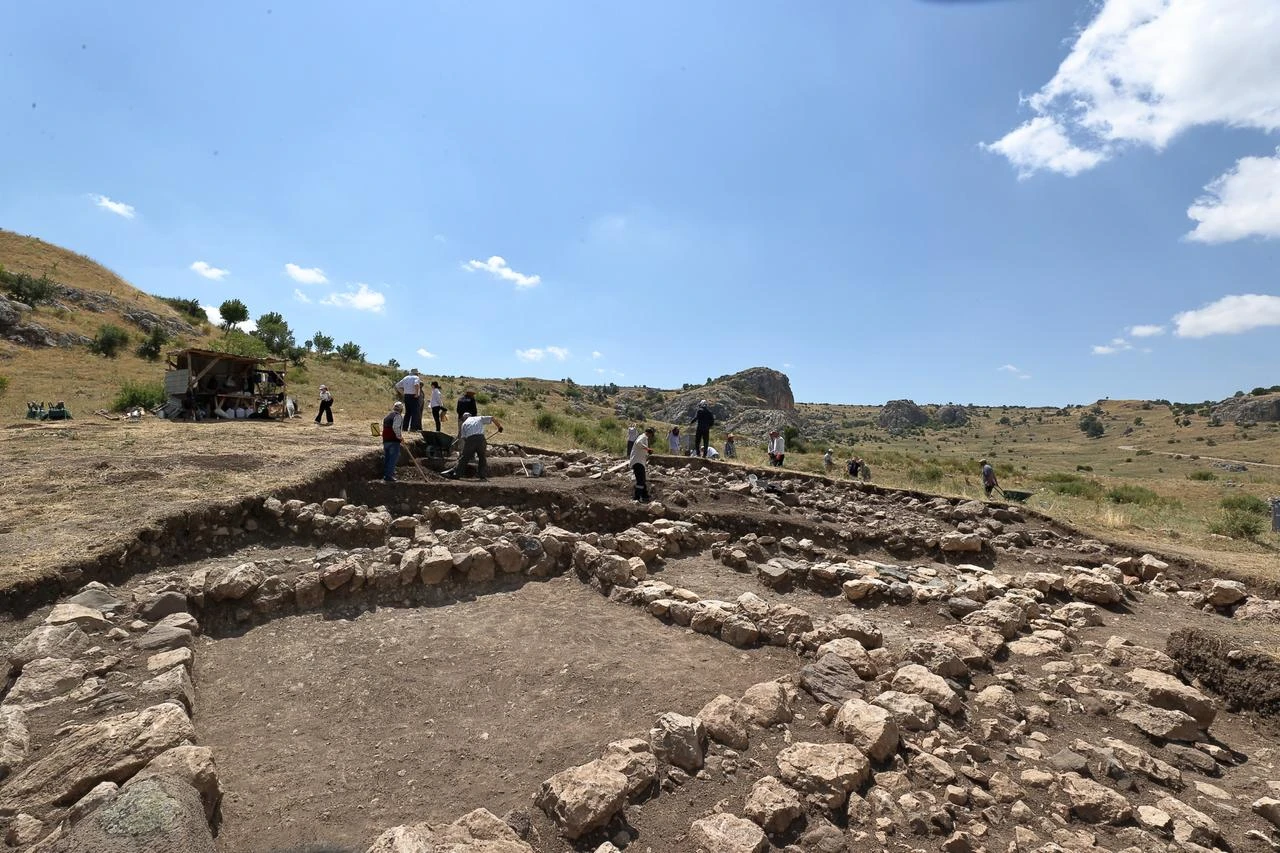


A team of 55 scientists and students from five countries has begun the 120th year of archaeological excavations at Hattusa, the ancient capital of the Hittite civilization, bringing together multiple disciplines to piece together nearly 8,000 years of settlement history in central Türkiye.
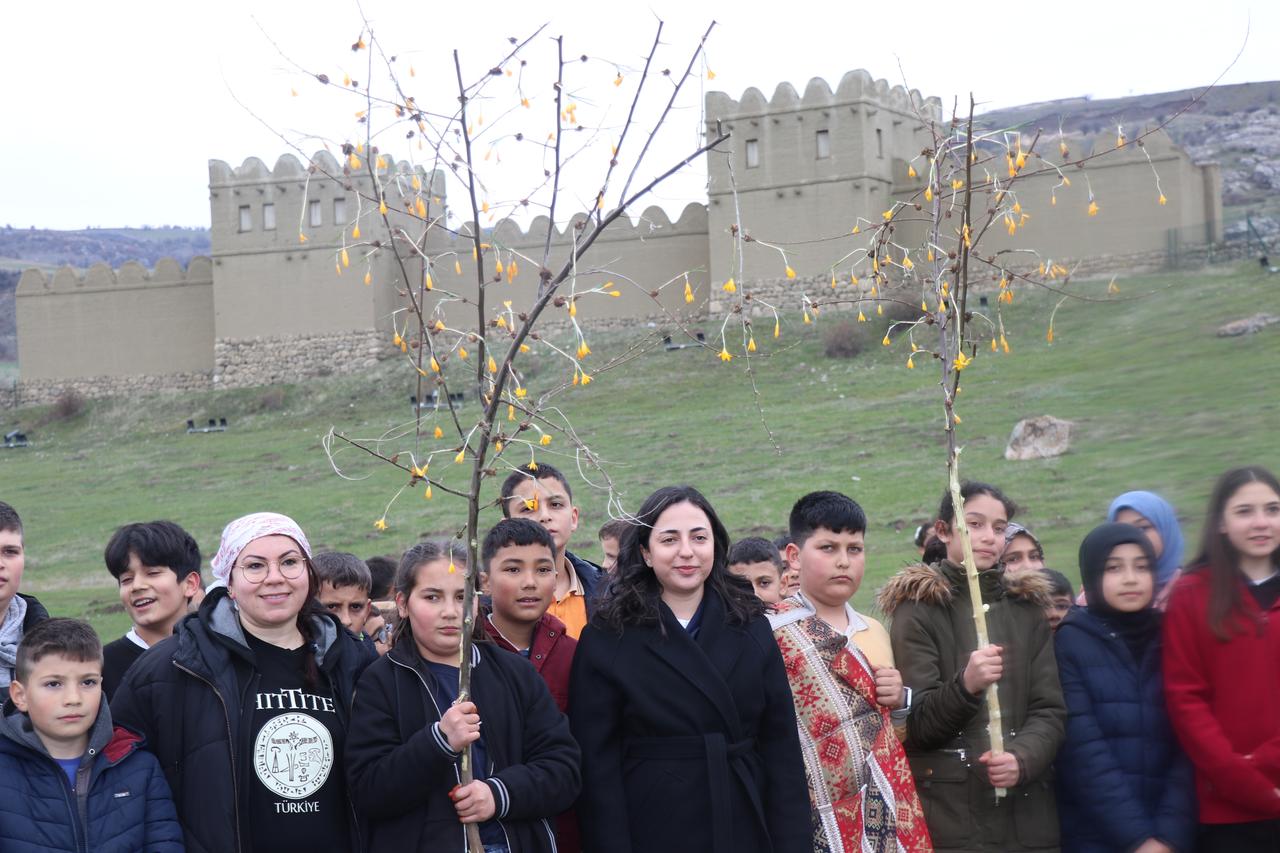
Located in Bogazkale district of Corum province, Hattusa served as the Hittite capital for more than four centuries and preserves archaeological layers ranging from the Chalcolithic period through the Byzantine era.
Researchers from Türkiye, Germany, Italy, Hungary and the United States are taking part in this year's work, alongside 105 local workers. The excavation team includes specialists in archaeology, geology, geomorphology, architecture, philology and archaeozoology, the study of animal remains from archaeological contexts.
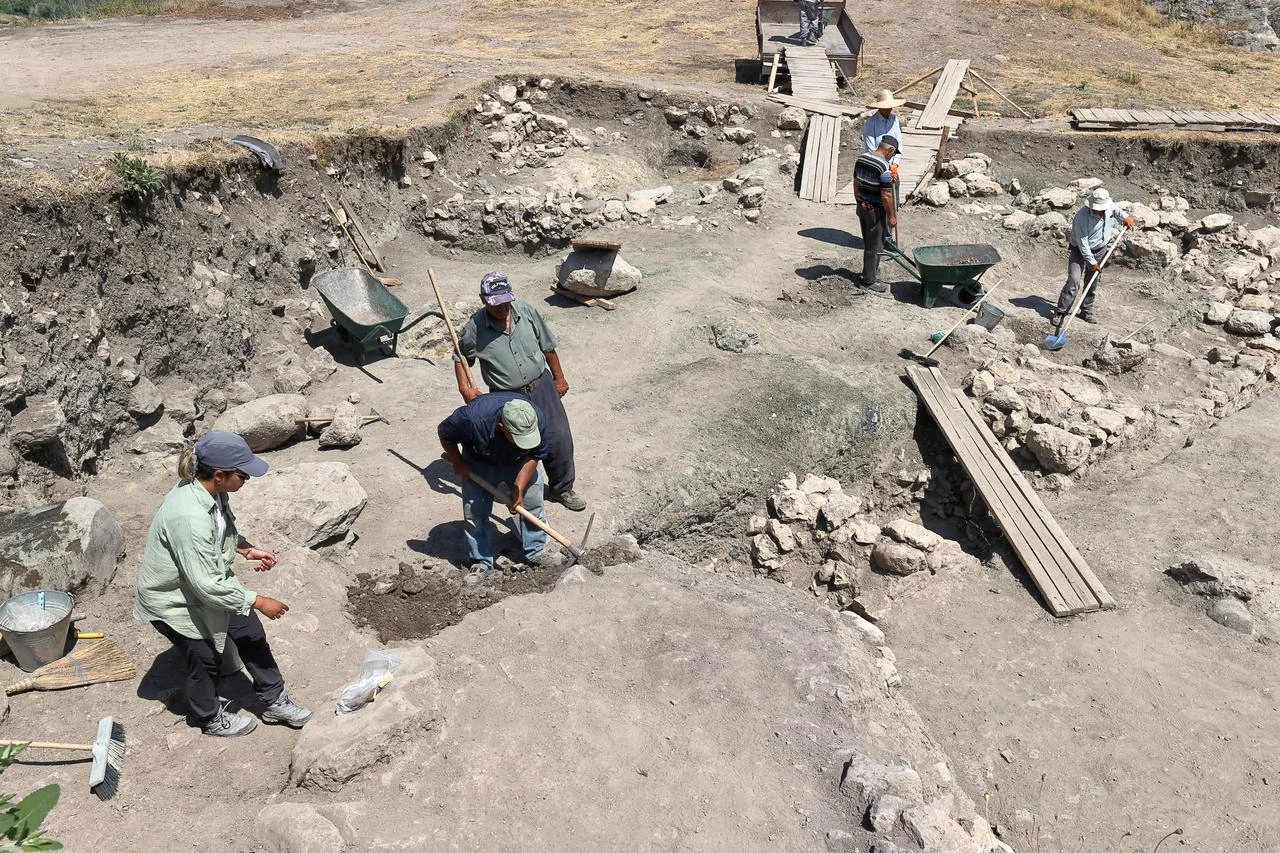

Scientific excavations at Hattusa began in 1906 under the Ottoman Imperial Museum, known as the Muze-i Humayun. Since 1931, excavations have been carried out by the German Archaeological Institute with the permission of Türkiye's Culture and Tourism Ministry.
The current excavation program, led by Professor Andreas Schachner since 2006, is being conducted under the ministry's "Heritage for the Future" project.
Schachner said more than 150 scientists, students and workers are taking part in the site this season, while the project also serves as a training ground for younger researchers.
He emphasized that understanding Hattusa depends on cooperation across several scientific fields, including laboratory-based analysis in chemistry and physics.
"This is a big puzzle. We are putting the pieces together here, we are bringing out the raw data, and many people work together so that it can be interpreted," Schachner said.
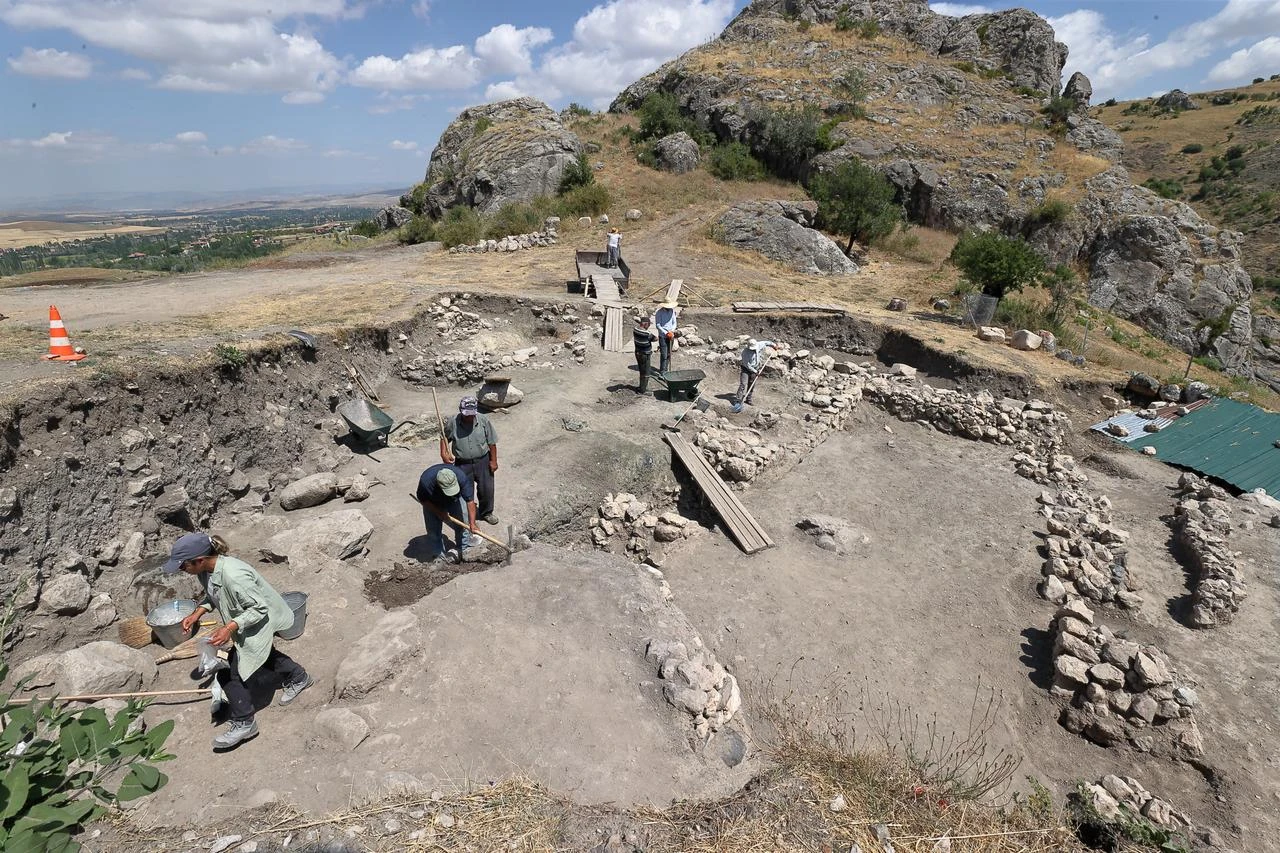
Although research focuses heavily on the Hittite period, Hattusa contains traces of many different phases of settlement.
The site includes remains from the Chalcolithic period, pre-Hittite communities, the Hittite era, the Iron Age, the Galatian period and the Byzantine period, while Roman-era remains have also been identified in the surrounding area.
Schachner said the archaeological record allows researchers to compare developments in the region from around 5500 B.C. onward, covering everything from the ecosystems people lived in to the tools they produced and their broader ways of life.
Researchers are therefore trying to build up a continuous picture of the cultural history of this part of Anatolia rather than looking only at the centuries when Hattusa served as the Hittite capital.
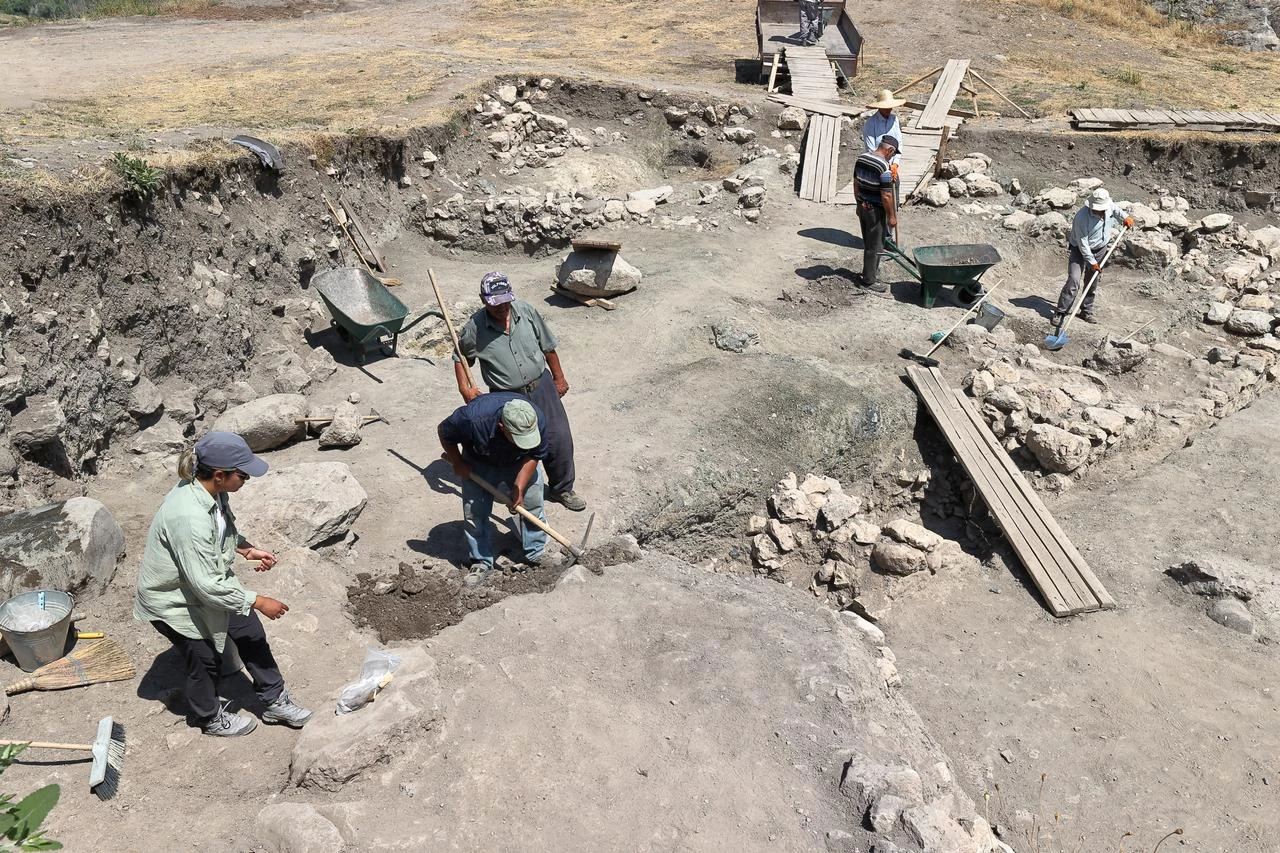
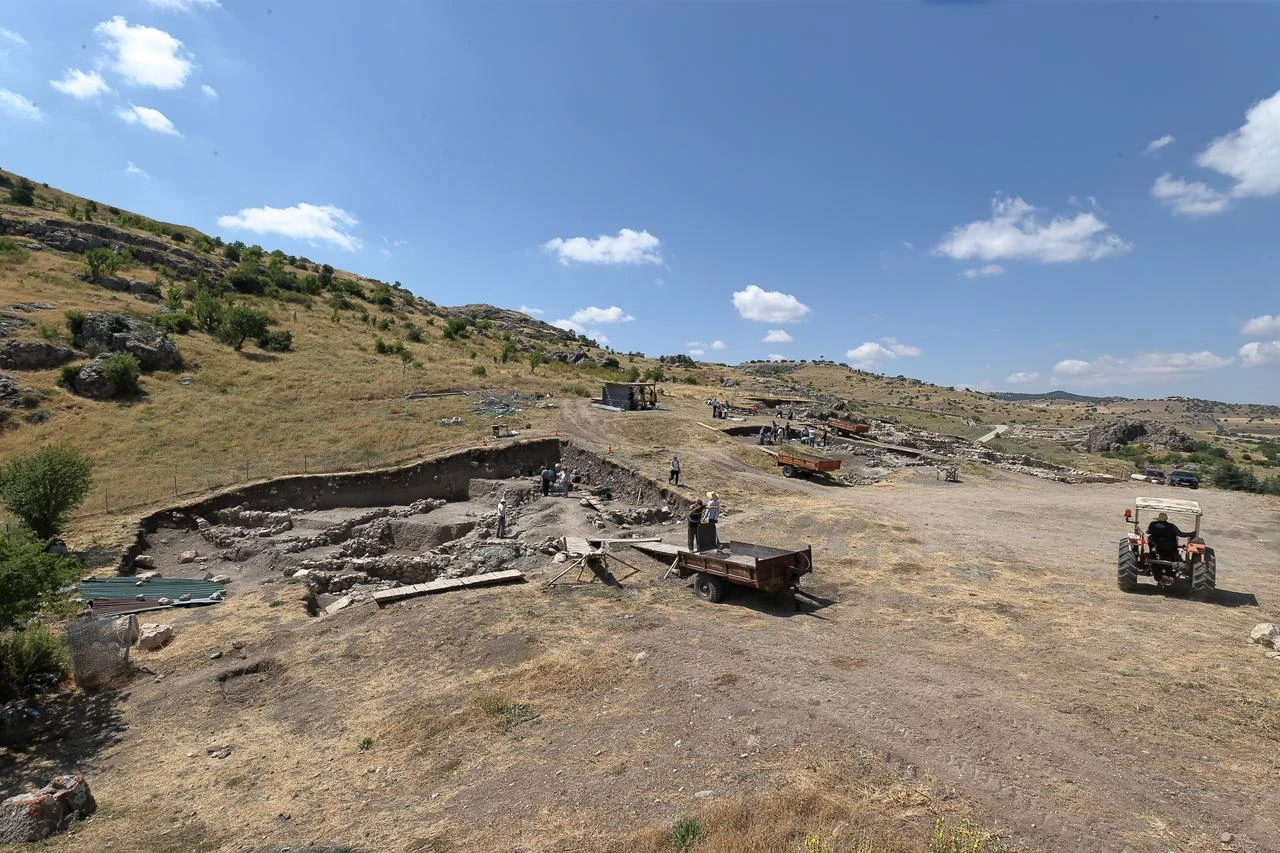
Excavations are being carried out at five separate points across Hattusa this year, with researchers seeking to fill in gaps in the site's long historical sequence.
Schachner said geophysical methods have produced limited results because of the area's complicated geology, meaning archaeologists cannot easily determine what remains hidden underground before digging begins.
Researchers nevertheless estimate that the nature of more than half of the site is already broadly understood. Another 20% to 30% consists of rocky or heavily eroded areas where archaeological investigation is unlikely to be productive, leaving roughly one-fifth of Hattusa still largely unexplored.
Surrounded by about 7 kilometers of fortification walls and covering approximately 2 square kilometers, Hattusa is included on UNESCO's World Heritage List, while its documentary heritage is also recognized under UNESCO's Memory of the World program.


 Set as preferred source
 Set as preferred source


 1 min read
 1 min read


