Newsletters


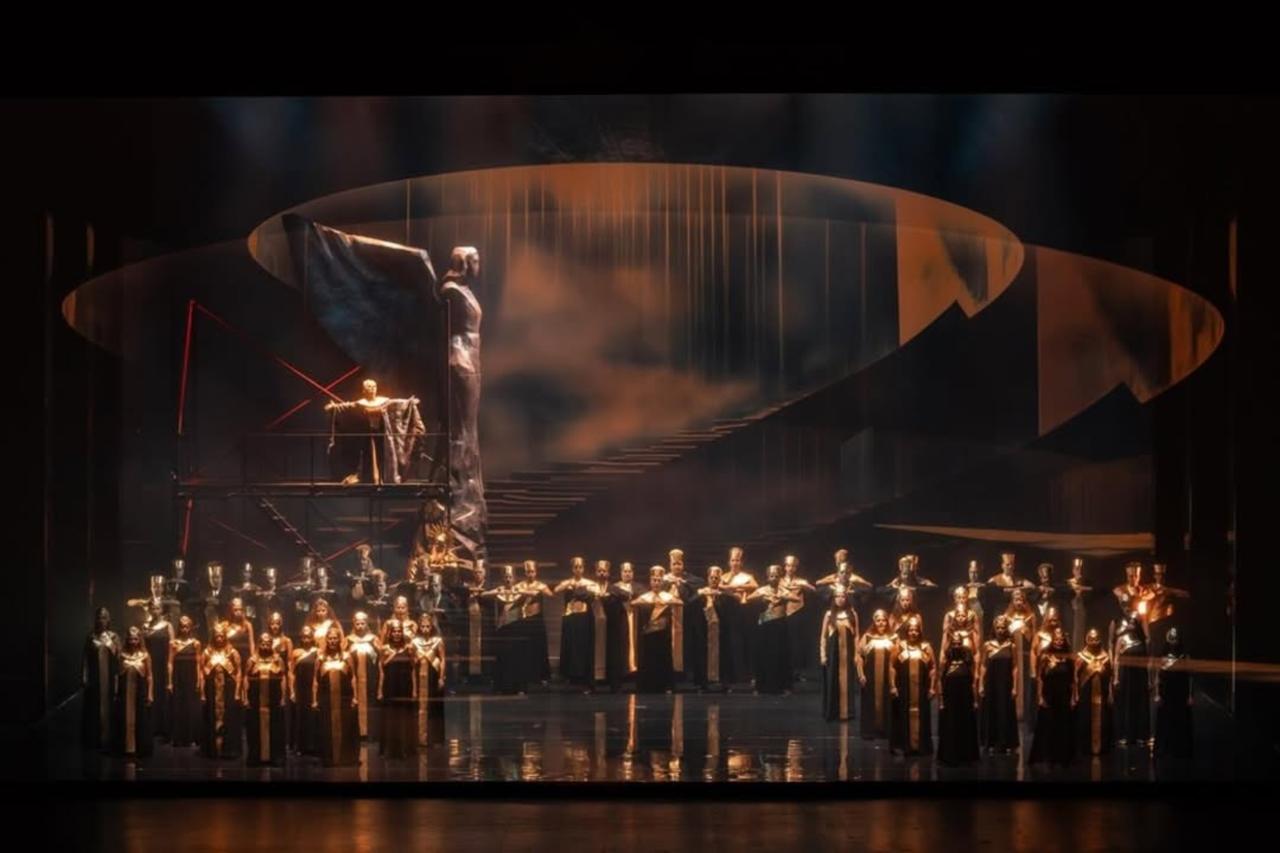


The “Gilgamesh Opera,” staged by the Istanbul State Opera and Ballet, will return to the stage at Istanbul’s Ataturk Cultural Center (AKM) after receiving strong audience interest last season.
The epic work by Turkish composer Ahmed Adnan Saygun will be performed on Feb. 18 and Feb. 21 at the AKM Turk Telekom Opera Hall, according to official announcements.
The production presents a modern interpretation of the ancient epic through technology-driven staging and contemporary visual design.
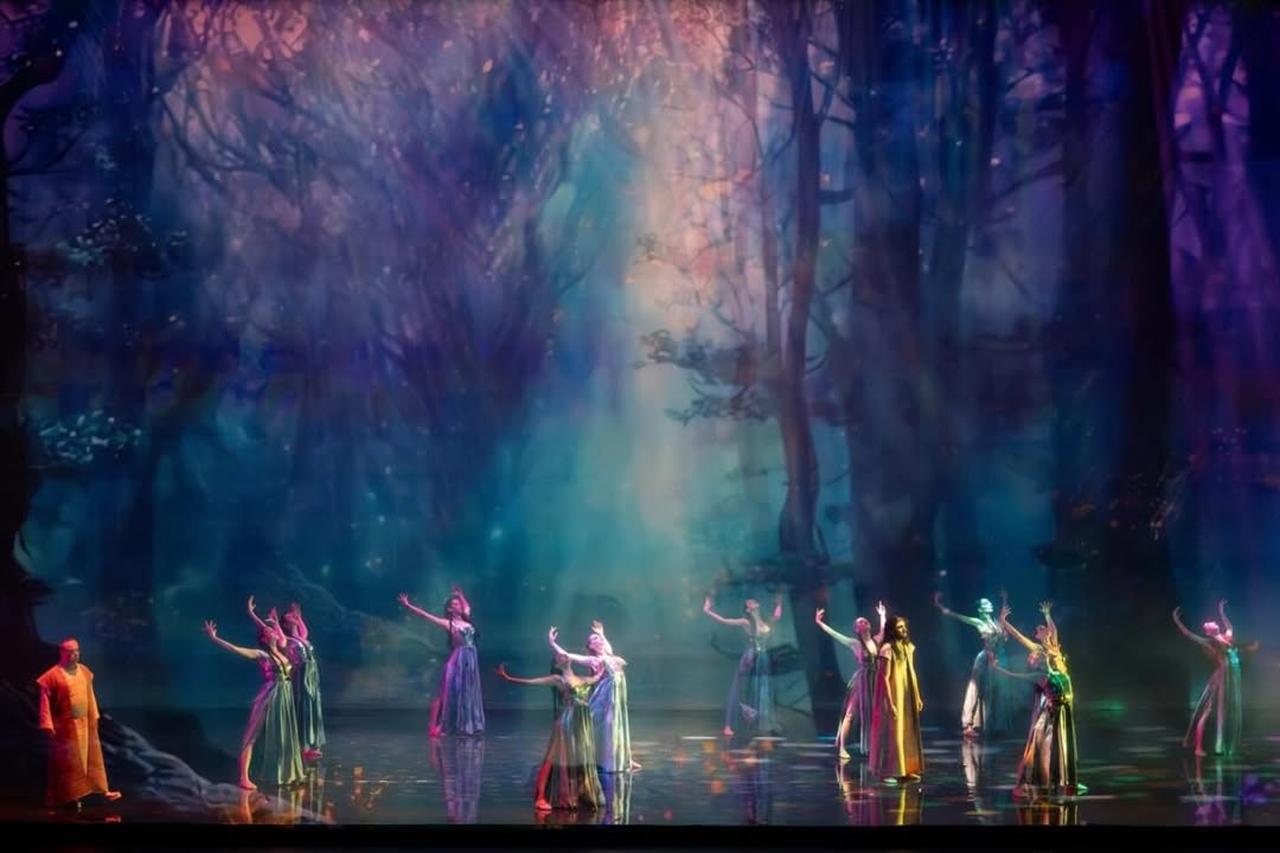

Director Caner Akin adopts an approach that moves beyond traditional opera conventions.
The production combines digital technology with stage techniques to reinterpret the epic narrative through a contemporary aesthetic.
The Istanbul State Opera and Ballet Orchestra will perform under conductor Ibrahim Yazici, while the company’s choir will be led by choirmaster Paolo Villa.
The creative team includes:
The staging aims to merge the epic atmosphere of the ancient story with modern visual elements.
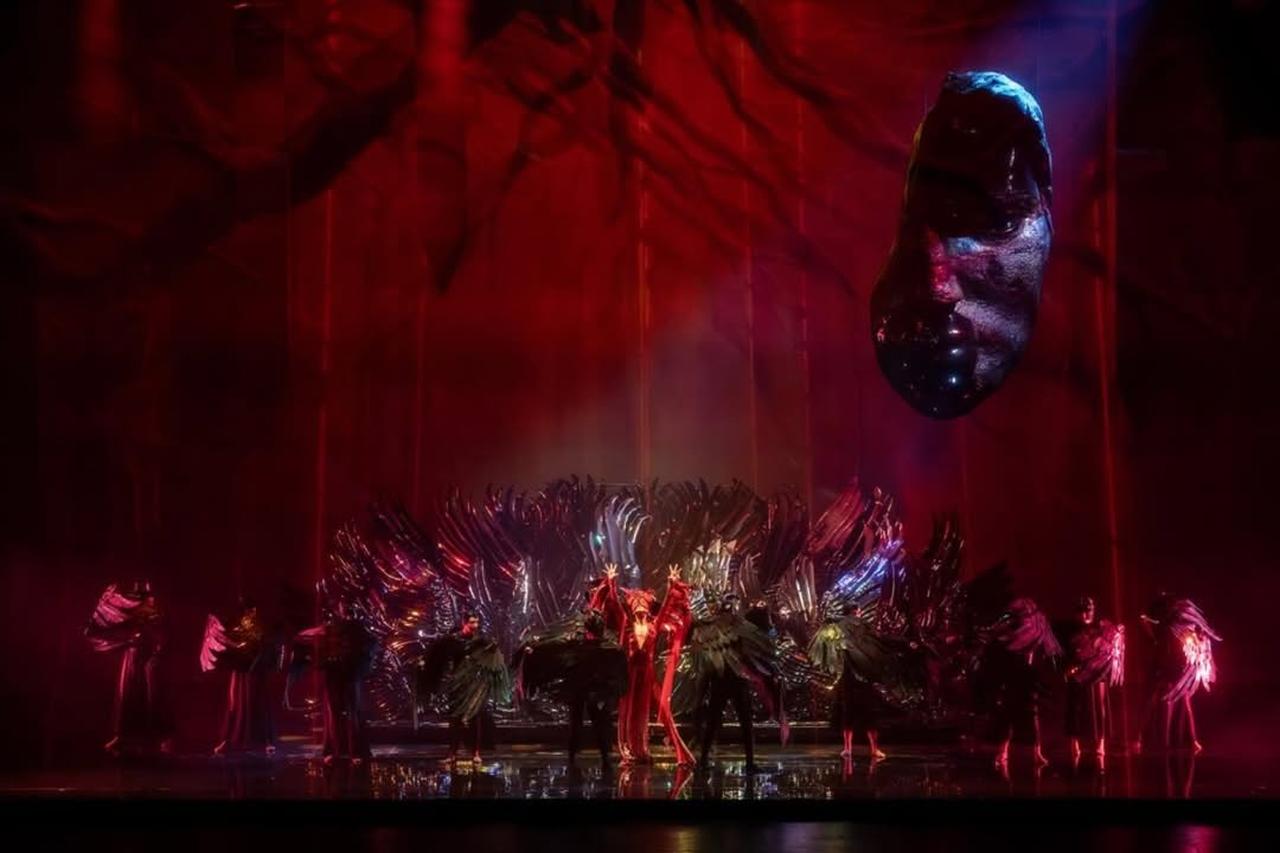
The opera features an international and Turkish cast portraying key figures from the Mesopotamian epic.
Main roles include:
Other performers, including Sebnem A. Kislali, Mine Kurtoglu, Gokhan Urben, Nesrin Gonuldag, and Asude Karayavuz, will appear in rotating roles.
The production previously drew attention for its visual interpretation and large-scale staging, and it returns to AKM as part of the Istanbul State Opera and Ballet’s current season program.
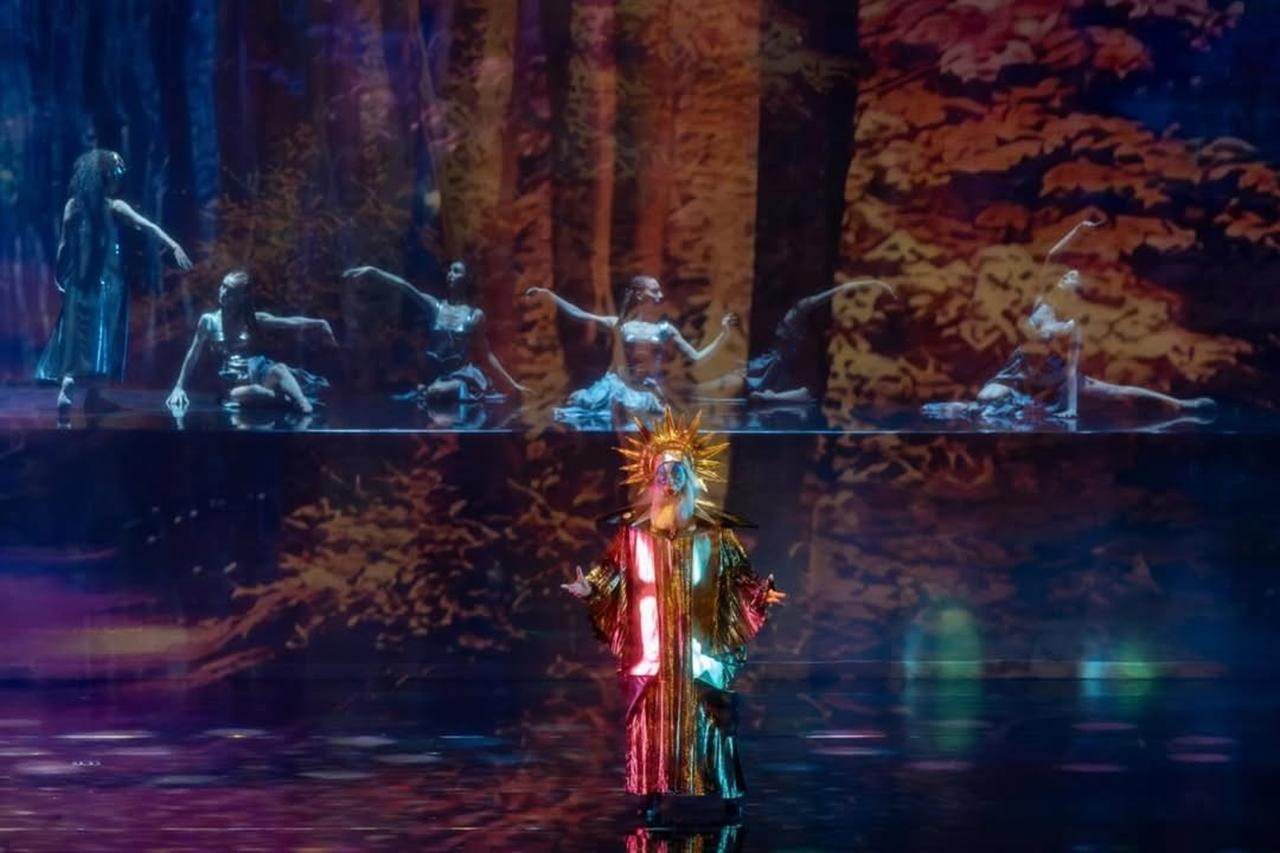
The opera draws on the ancient Mesopotamian Epic of Gilgamesh, widely considered one of the world’s oldest surviving works of literature.
The story follows Gilgamesh, a powerful king who initially rules with cruelty before forming a transformative friendship with the wild man Enkidu.
Together, the two embark on heroic journeys, including battles with mythical creatures and quests for glory. After Enkidu’s death, Gilgamesh confronts grief and begins a search for immortality, questioning the meaning of life and human limits.
The narrative explores themes of power, friendship, mortality and the acceptance of human destiny.
Turkish composer Ahmed Adnan Saygun adapted this ancient narrative into an operatic form, presenting the legendary story through music and stage performance for modern audiences.


 Set as preferred source
 Set as preferred source


 3 min read