Newsletters


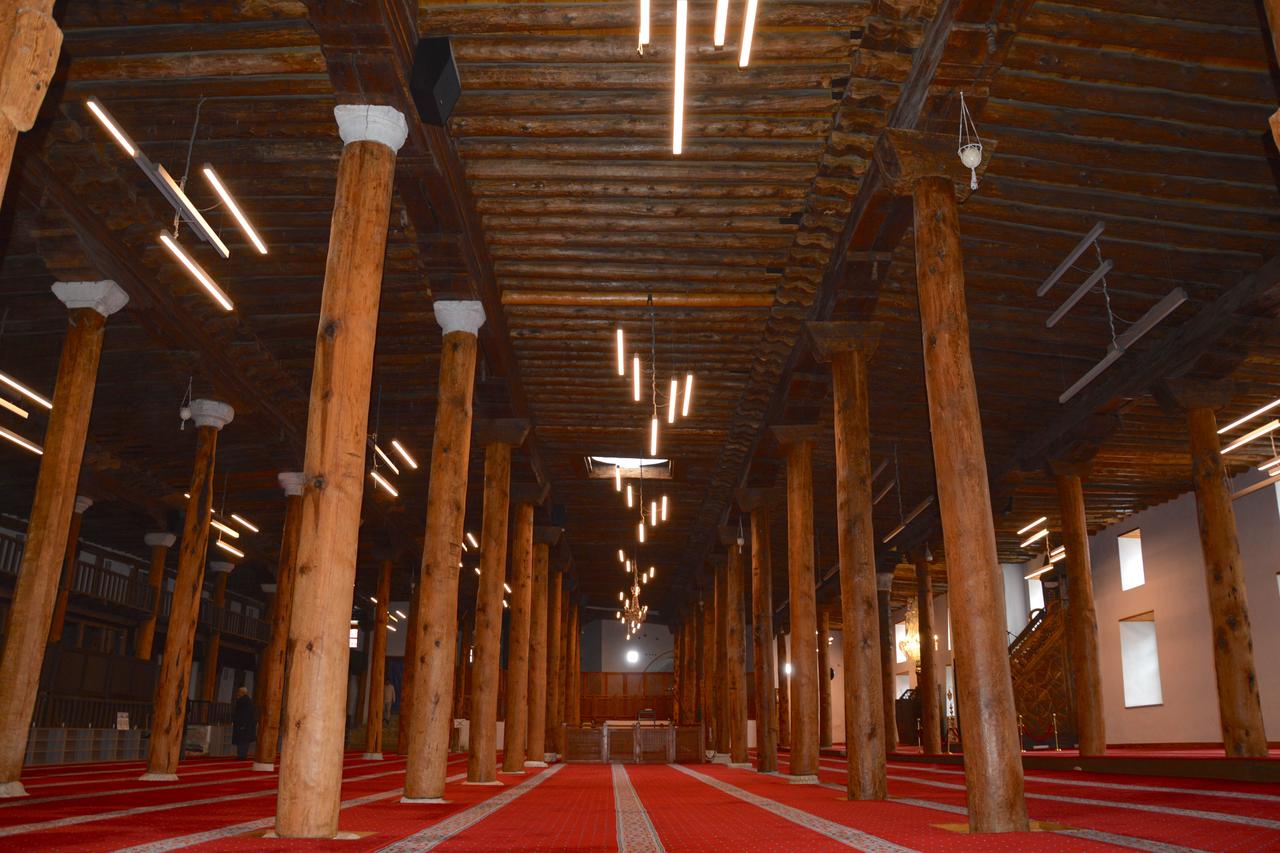


Rising in the center of Eskisehir’s Sivrihisar district, the Great Mosque of Sivrihisar turns timber into a monument. Built in the 13th century and still in use today, it stands as Anadolu’s largest surviving wooden-columned mosque from the Seljuk era and is included on UNESCO’s Tentative List as part of the “Wooden Hypostyle Mosques of Medieval Anatolia.”
Built in the 13th century, with its oldest inscription dated 1231-32, the mosque reflects a layered construction history. The initial patron is identified as Lesker Emir Jalaluddin Ali Bey, while the structure is said to have taken its present form in 1274 under Emineddin Mikail, a follower of Mevlana Jalaluddin Rumi. A later restoration was carried out in 1440 by Hidir Bey, known as Istanbul’s first kadi, the magistrate or judge of an Ottoman court.
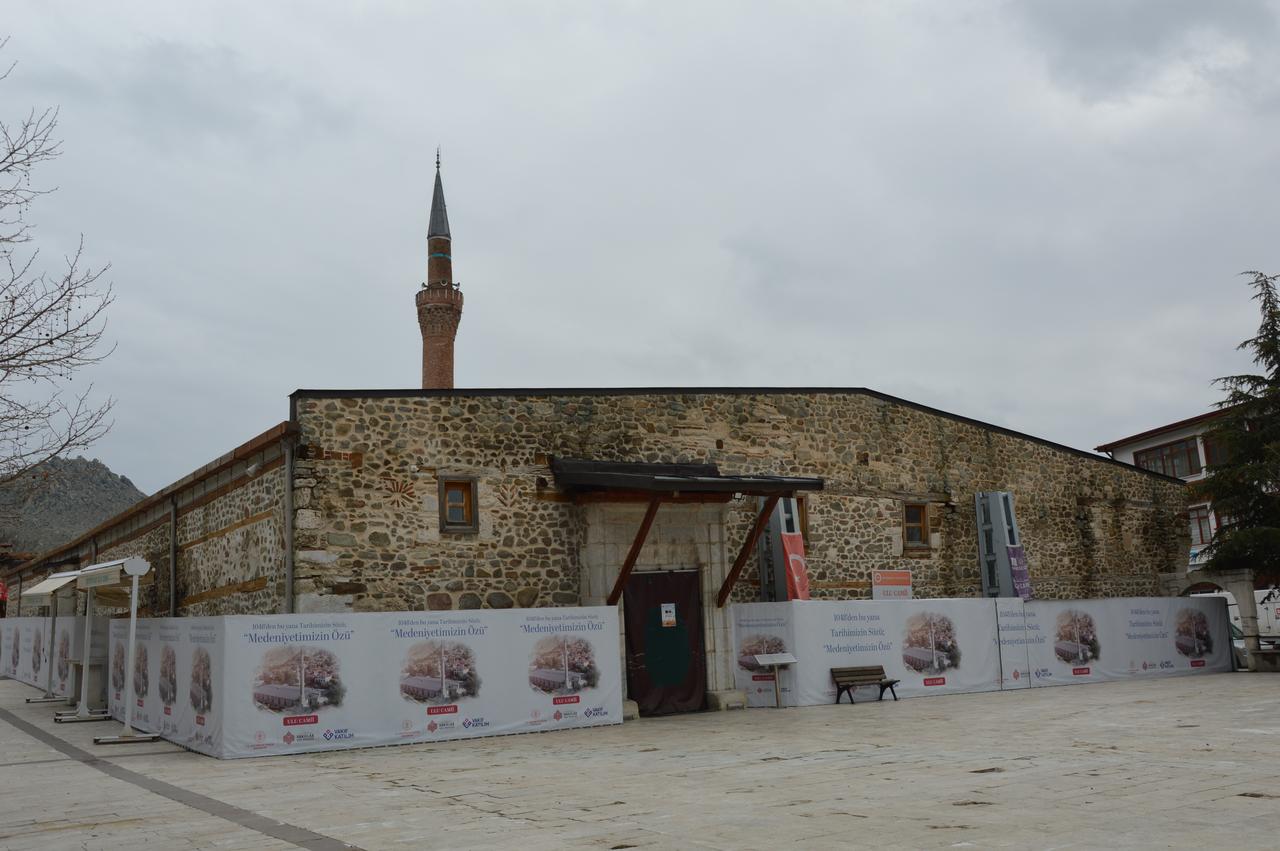

Architecturally, the mosque combines stone exterior walls with an interior supported by 67 wooden columns, forming a hypostyle hall, meaning a large prayer space carried by rows of pillars rather than by a central dome.
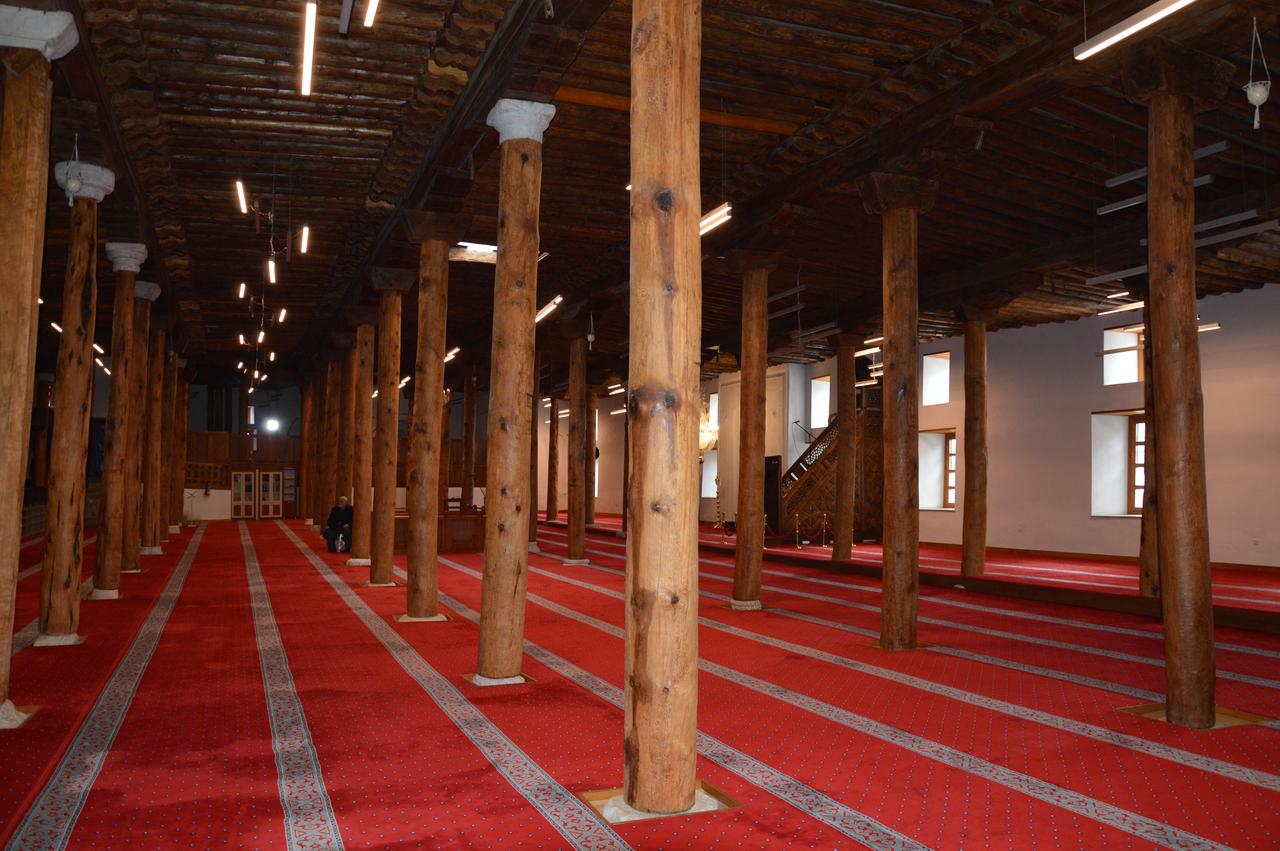
Covering about 1,485 square meters and accommodating up to 2,500 worshippers, the building represents one of the most significant examples of timber-based mosque construction in medieval Anatolia.
Several columns feature marble capitals and carved decorative motifs, while reused Byzantine-era elements, known as spolia, were incorporated into the structure.
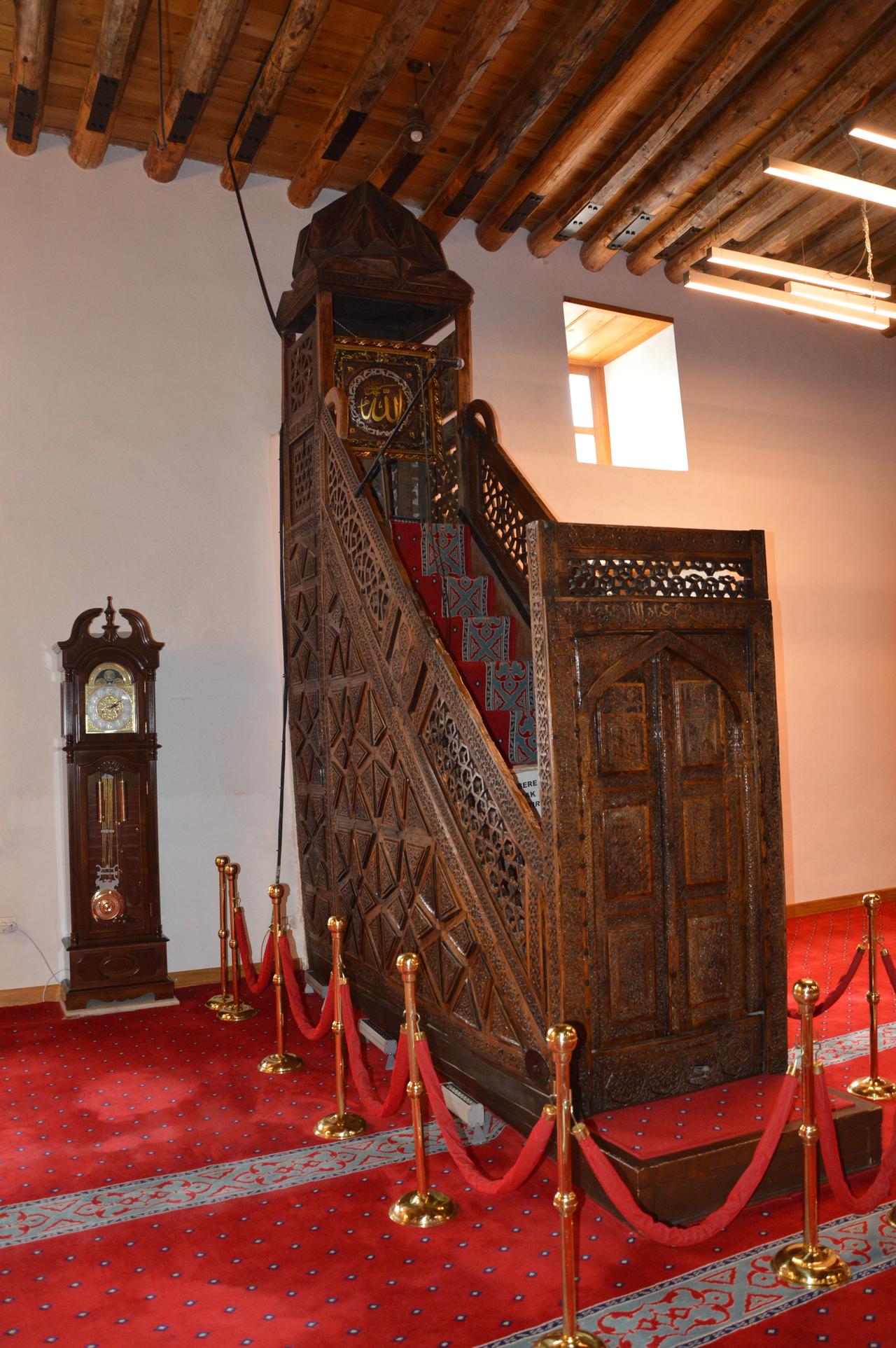
One of the mosque’s most notable elements is its walnut-wood minbar, described as a Seljuk masterpiece. Crafted in 1245 using the kundekari technique, a joinery method assembled without nails, the pulpit features intricate geometric and vegetal carvings. It was brought to the mosque in 1924 from the Kilic Mosque.
Together with four other medieval mosques across present-day Türkiye, Great Mosque of Sivrihisar represents a rare architectural tradition in which timber was used as a primary structural material.


 Set as preferred source
 Set as preferred source



 1 min read