Newsletters


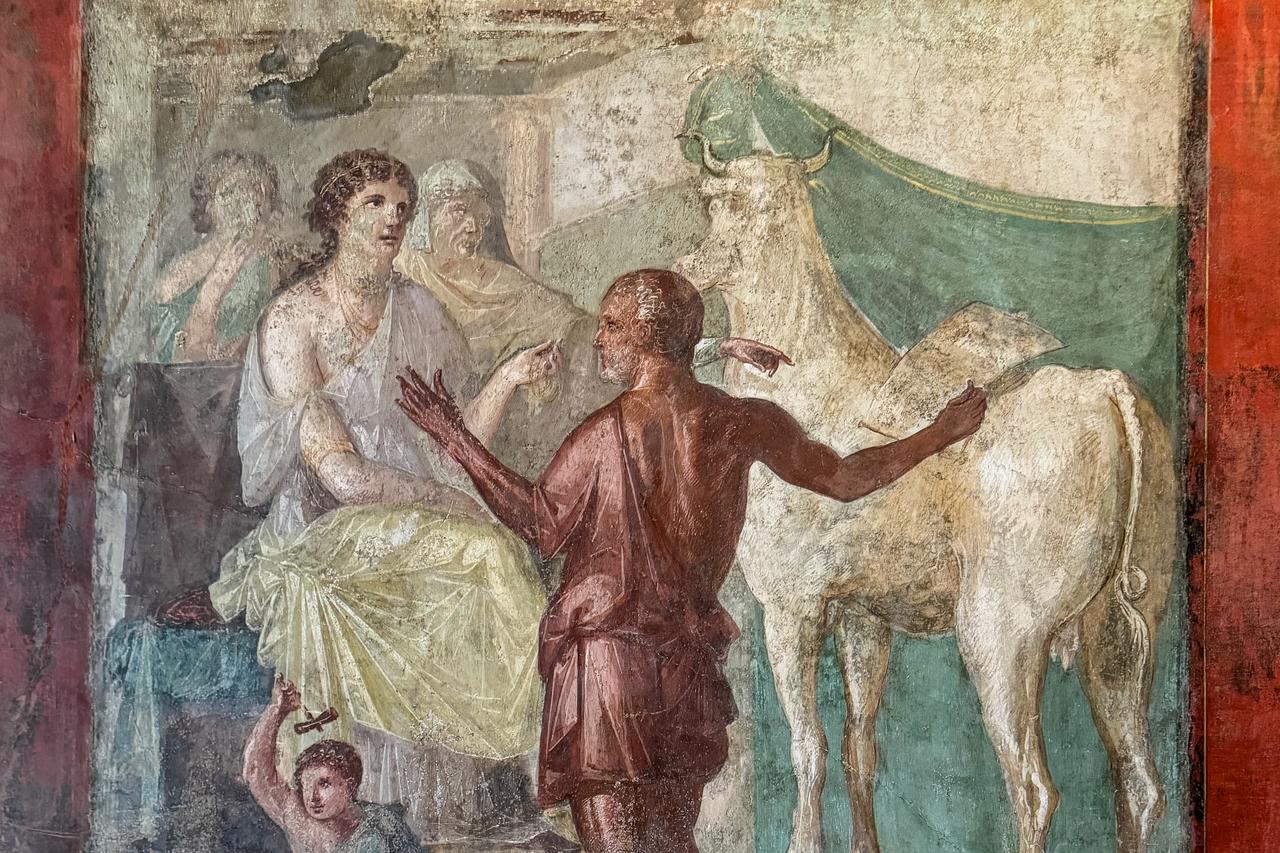


Valentine’s Day has ended up as a global spending moment not because it started that way, but because a long chain of cultural repackaging turned an old mid-February ritual into a modern, consumer-facing date.
A holiday observed every Feb. 14, Valentine’s Day is now widely marked with greetings and gifts, even though sources describing its beginnings agree that its early origin story is mixed, layered, and often unclear. Over time, what began as a pagan festival window in ancient Rome was taken up, toned down, and then built up again, until it could be scaled worldwide as a market-friendly celebration of love and affection.
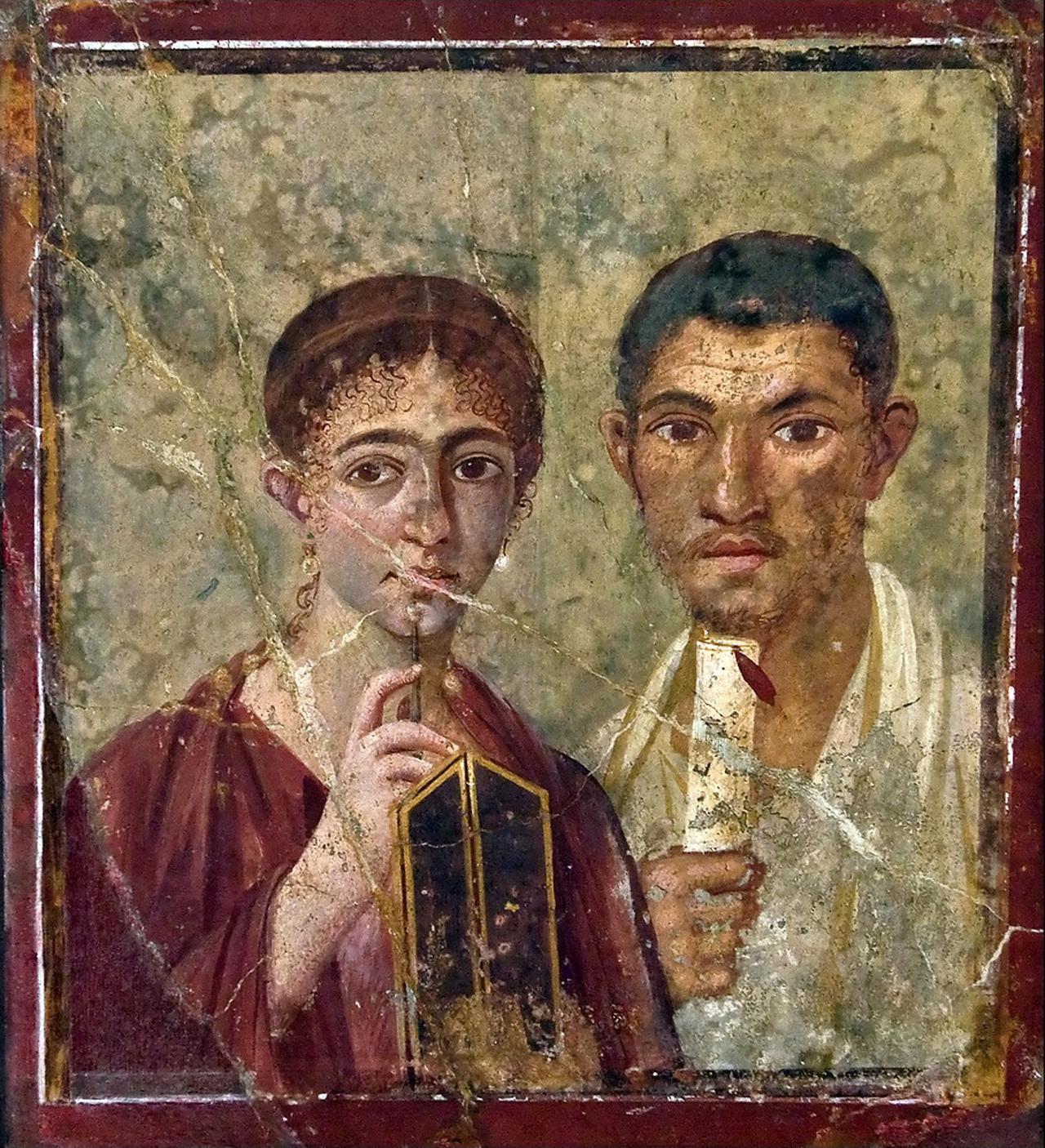

One commonly cited starting point is Lupercalia, an ancient Roman festival held in mid-February, between Feb. 13 and 15, and linked to fertility rites and the coming of spring.
In one account, the feast is tied to Juno Februata, described as a symbol of love and fertility, and it included rituals meant to “cure infertility,” such as young men chasing women with whips made from goat skin. The different ancient sources also describes a pairing custom: on the eve of the festival, women’s names were placed in a bowl and men drew a name at random to determine a partner, a lottery-like practice that the account says could lead to marriage.
As Christianity rose, early Christian priests are described as wanting to move away from Lupercalia’s pagan rituals, especially the pairing-by-lottery element. Even so, the story presented in the early Christian sources shows a gradual merging rather than a clean break: the fertility blessing is described as being worked into Christian marriage rites, and the day becomes known as St. Valentine’s Day.
Some sources, that Pope Gelasius I forbade Lupercalia at the end of the 5th century and is sometimes credited with replacing it with St. Valentine’s Day, but it adds that the true origin of the holiday is “vague at best,” signaling that later explanations do not line up neatly.

Christian sources describe St. Valentine as a Christian martyr linked to about 270 A.D., and they show how his story helped the date shift from a seasonal fertility framework into a narrative about love and commitment.
One account says Valentine was a priest in Rome during Emperor Claudius II’s reign. With the emperor facing a shortage of soldiers, engagements and marriages were outlawed under the belief that men were reluctant to leave loved ones for war. The same account says Valentine secretly married couples anyway, was arrested, beaten to death with a stick, and buried in Rome on Feb. 14, 270 A.D., after which Christians adopted Lupercalia’s timing and folded Valentine’s deeds into their own observance.
According to Britannica, that several martyrs were named Valentine and that traditions vary, including a legend that he signed a letter “from your Valentine” to a jailer’s daughter, and another that he secretly married couples in defiance of imperial orders, which is why the feast day became associated with love.
Even while the day is now strongly linked with romance, the all sources says Valentine’s Day did not become a day of romance until about the 14th century, showing that the modern tone arrived long after the ancient Roman calendar slot was set.
From there, how Valentine’s Day moved into a gift-and-message ecosystem that could be repeated every year. Britannica notes that formal messages, or “valentines,” appeared in the 1500s, that commercially printed cards were being used by the late 1700s, and that the first commercial valentines in the United States were printed in the mid-1800s. As these practices spread, visual symbols helped the holiday travel: Cupid, hearts, and even birds, tied to a belief that avian mating season begins in mid-February.

According to economy experts, describes Valentine’s Day as having turned into a global commercial celebration, adding that globalization, particularly in the 1980s, amplified its consumer-driven aspects. Feb. 14 becomes not only a day for affection but also a business moment that “fuels industries from florists to confectioners,” a shift presented as a growing overlay rather than the original purpose of the date.
Taken together, the sources present a consistent through-line: the date did not start as a commercial invention, but it became easier to package once it had a fixed annual slot, a saint-linked narrative, and a set of repeatable rituals like exchanging greetings and gifts.
The story ends with a modern portrait of Valentine’s Day as a widely observed Feb. 14 holiday across multiple countries, expanding beyond couples to include relatives, friends, and even schoolchildren exchanging valentines, while also carrying the economic logic of a predictable, globalized consumption moment.


 Set as preferred source
 Set as preferred source



 2 min read