

 Newsletters


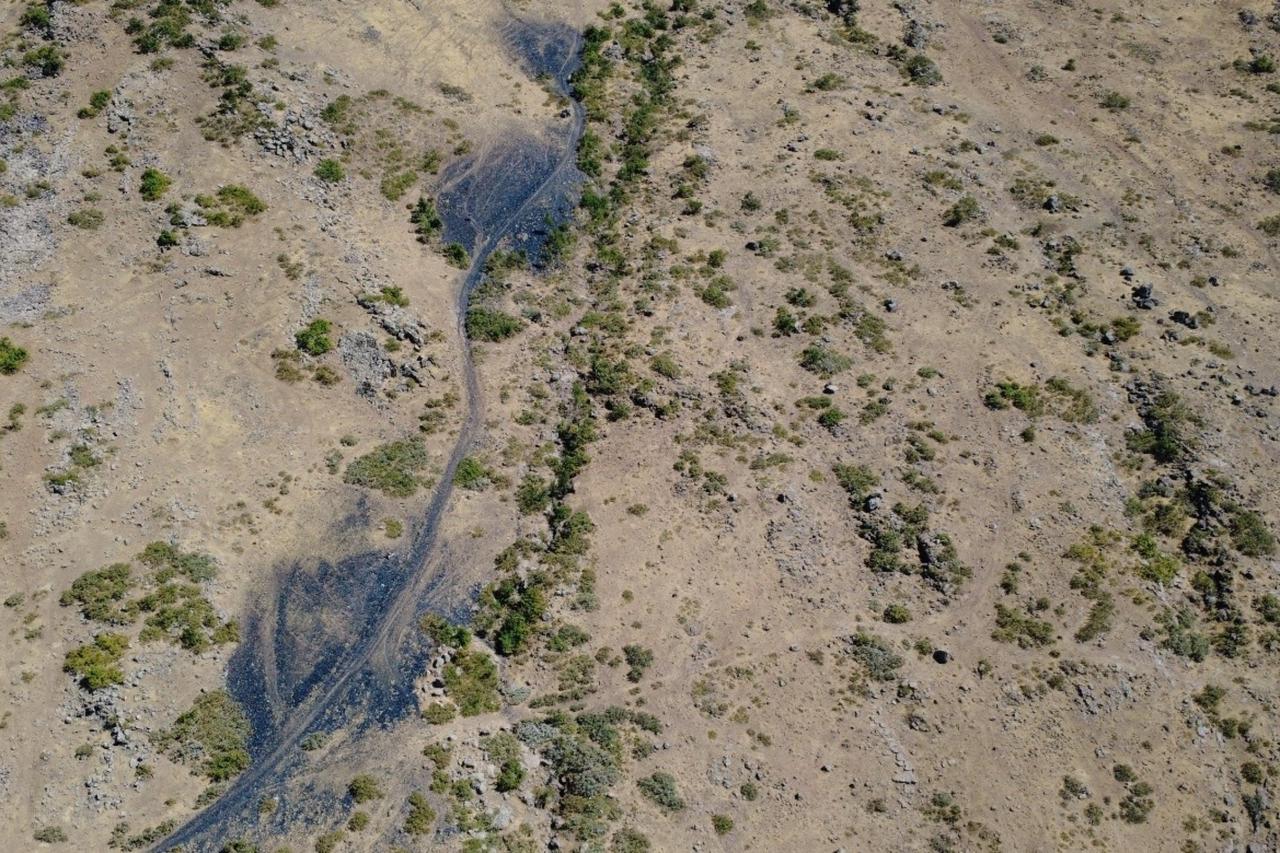


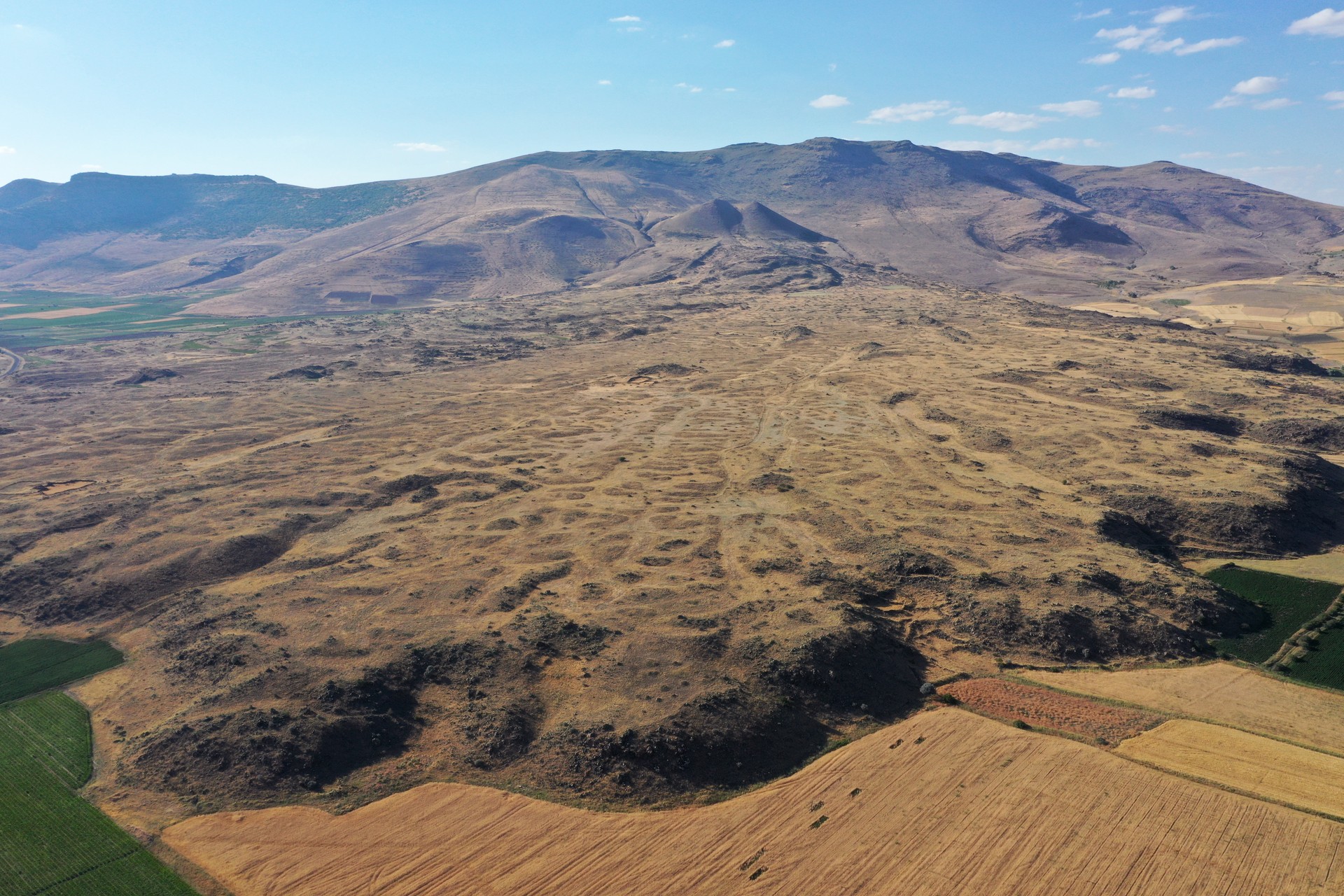
Scientific research around Mount Nemrut in eastern Türkiye has shown that the history of Bitlis stretches back to the Paleolithic Age, after archaeologists identified caves, rock shelters, obsidian workshops and raw material sources linked to long-term prehistoric activity.
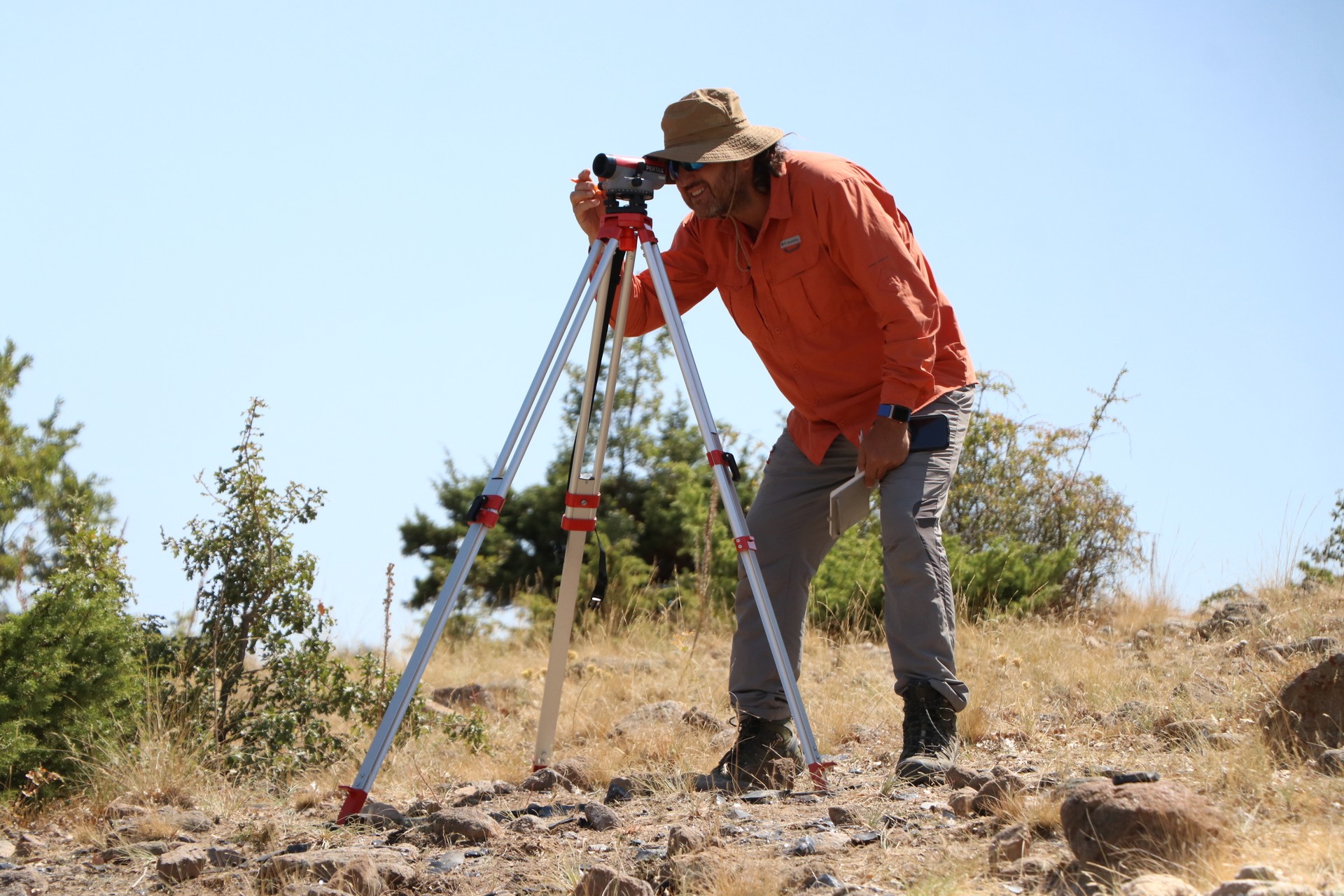
The findings were announced by Bitlis Eren University, which said the surface survey was carried out with permission from Türkiye's Ministry of Culture and Tourism under a project focused on identifying obsidian sources, route networks and stopover sites in prehistoric Bitlis.
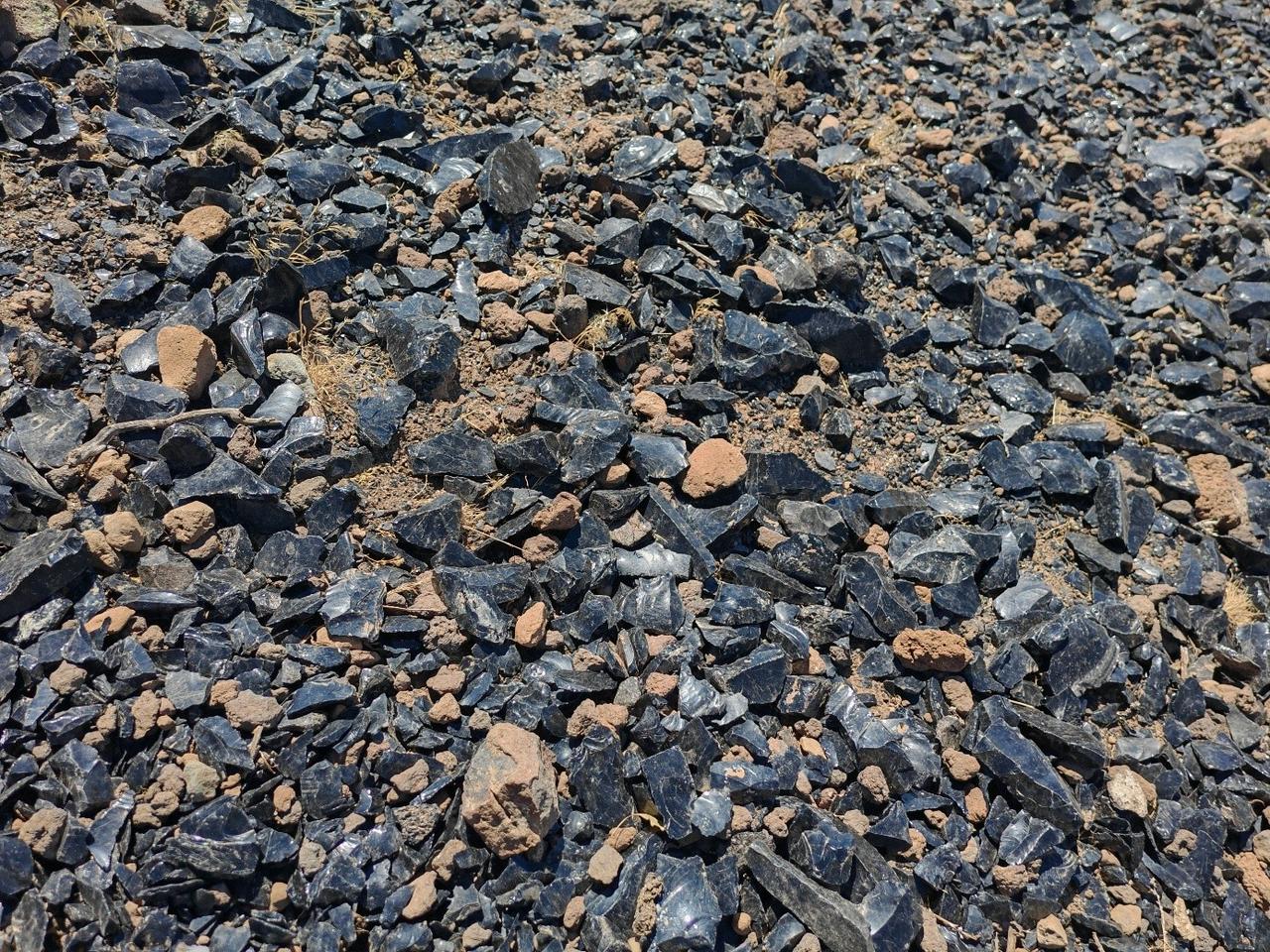

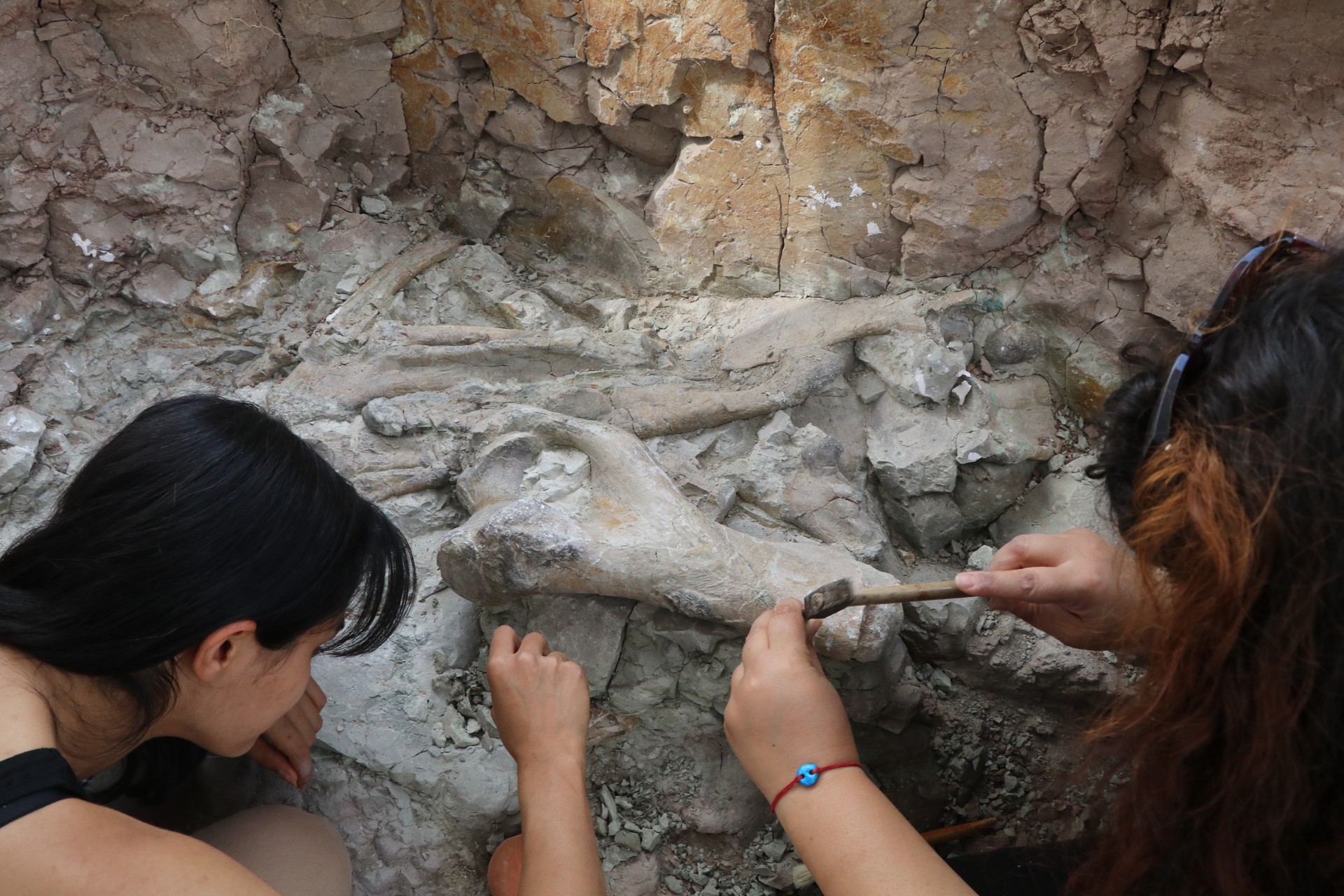
The first phase of the project, centered on Mount Nemrut and its surroundings, was largely completed in 2025. During the work, Associate Professor Yunus Ciftci and his team identified five caves and rock shelters, 43 obsidian workshops and three obsidian sources.
Obsidian, a naturally occurring volcanic glass, was widely used in prehistory to make sharp tools such as blades, cutting implements, piercing tools and arrowheads.
The material collected from the field is still being classified and analyzed, but the university said early results already show that Mount Nemrut obsidian was used intensively over a long period.
According to the statement, the use of Nemrut obsidian appears to go back to the Paleolithic Age, while the raw material later gained commercial importance and spread across a wide part of the Near East.
Research at different archaeological centers has shown that Mount Nemrut obsidian reached areas including the Levant, which refers here to Palestine and Lebanon, as well as Mesopotamia, the Zagros Mountains, Anatolia and Cyprus.
This pattern suggests that Bitlis was not only a local source of raw material but also part of broader prehistoric exchange networks.
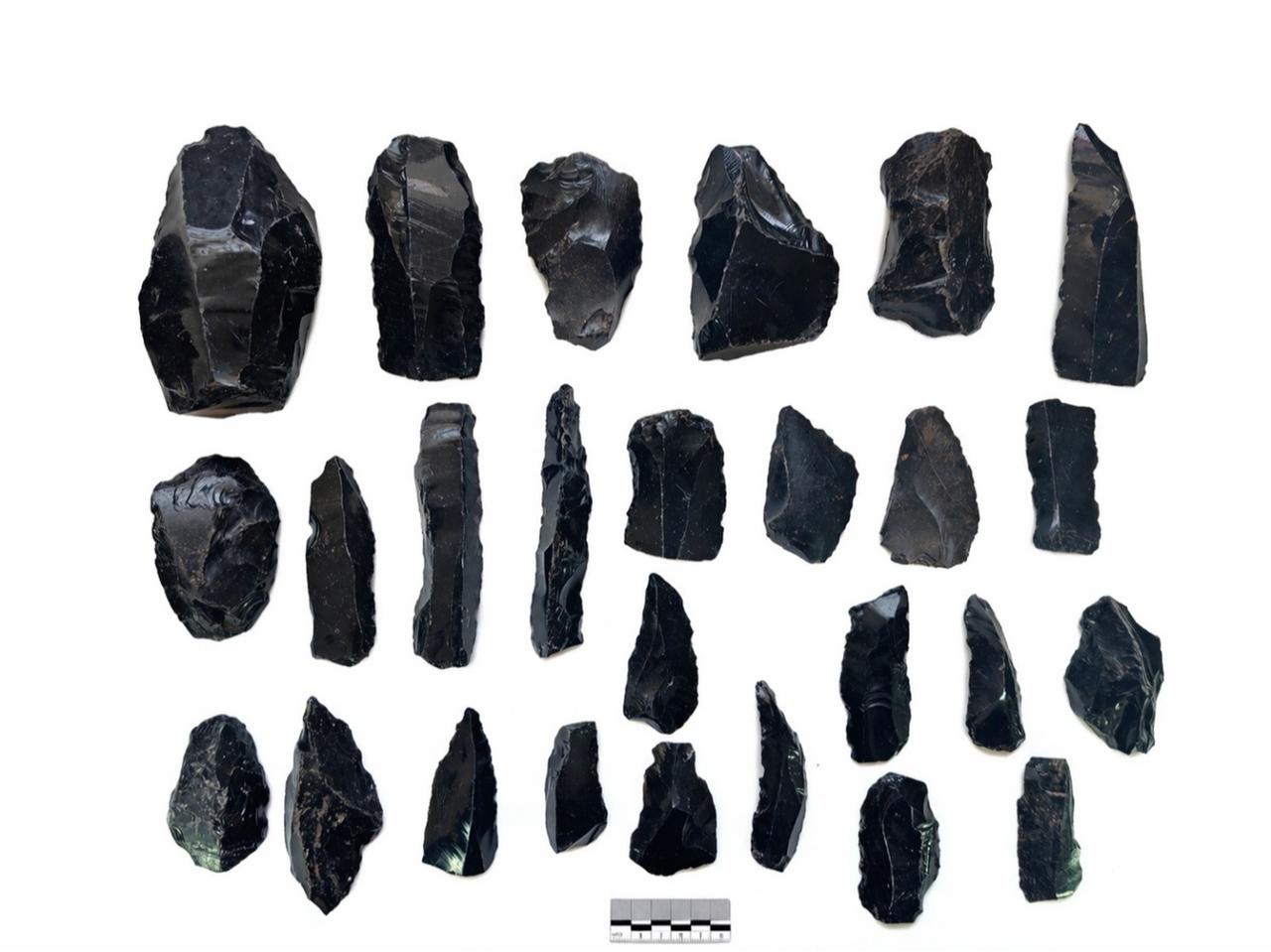
The university said findings from the obsidian workshops point to a long period of use from the Upper Paleolithic to the Bronze Age, roughly between 40,000 B.C. and 4,000 B.C.
Of the 2,300 obsidian finds collected during the survey, around 1,500 have been examined so far. The finds include cores, blades, hand axes, cutting and piercing tools, and arrowheads, showing a broad toolmaking tradition in the region.
Based on the tool types and comparisons with other find spots, researchers evaluate that the area has a history reaching back tens of thousands of years. The statement said the region was clearly used intensively during the Upper Paleolithic, Epi-Paleolithic, Neolithic, Chalcolithic and Bronze Age periods.
 1 min read
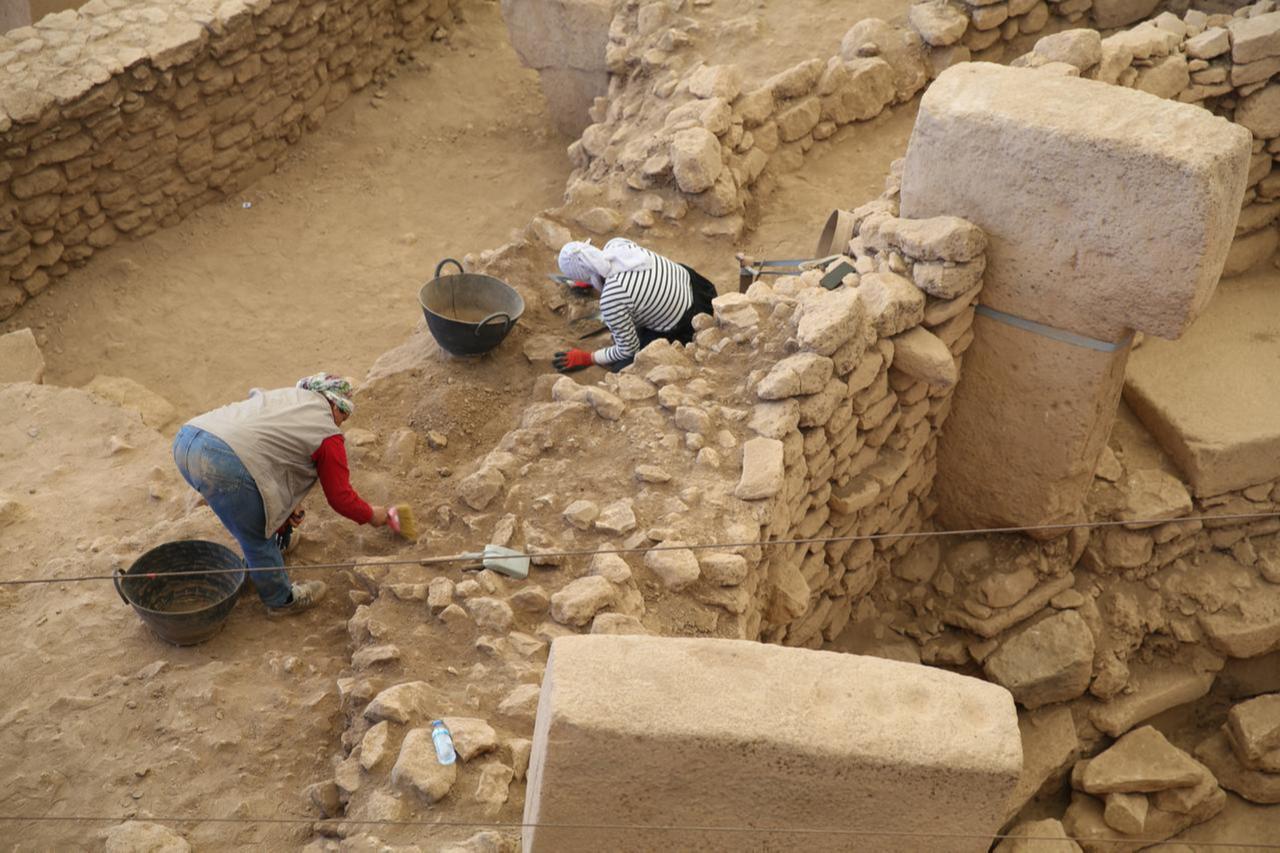
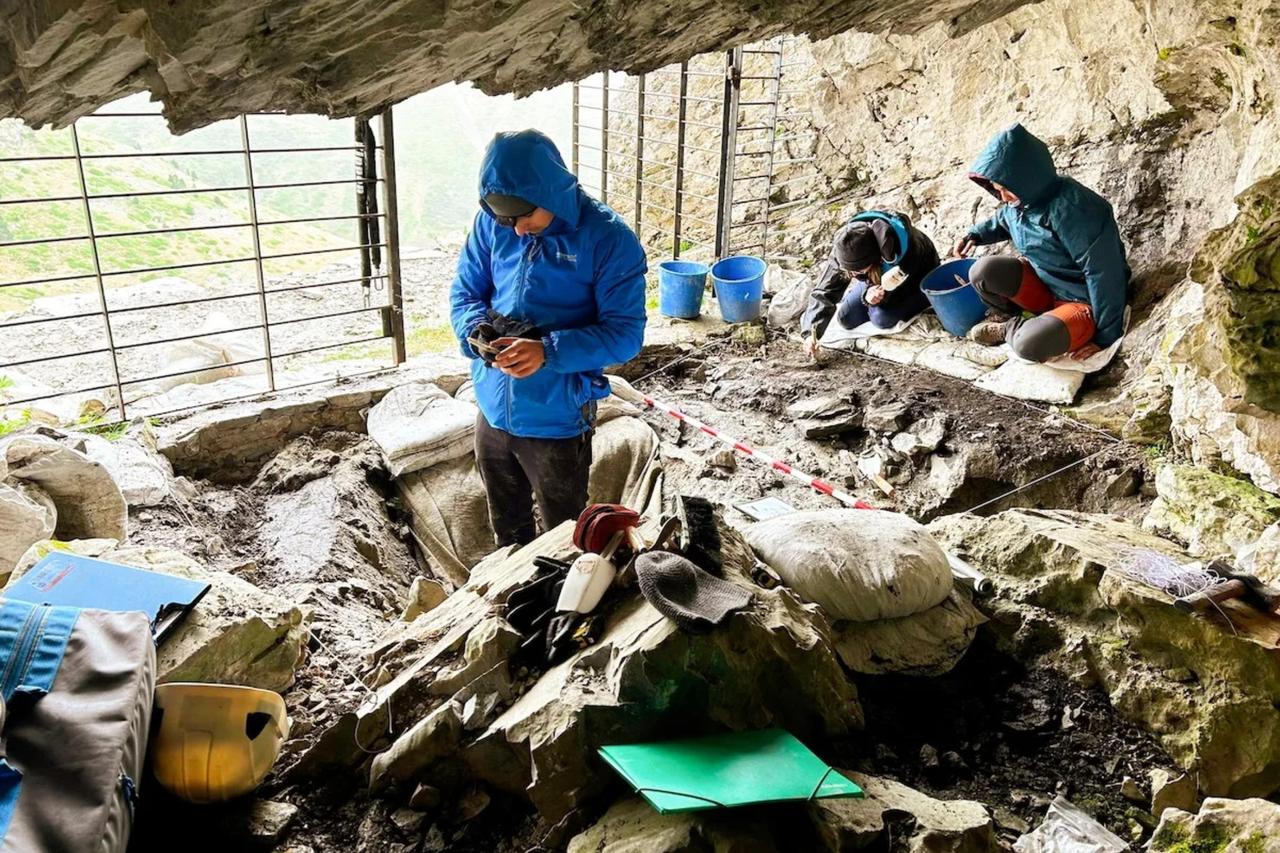
The fieldwork also documented caves and rock shelters that may help clarify settlement patterns in the area.
The most important of these was identified as Mazik Cave, which has been recorded and submitted for official registration.
The medium-sized cave yielded obsidian tools and flakes, as well as evidence from the Bronze, Iron and Medieval periods. According to the university, these finds provide settlement data related to the periods examined by the project.
Further work is planned on Mount Suphan in 2026 and 2027, where researchers aim to set out the use of obsidian sources, trade networks and settlement relationships in more detail. The university said the scientific importance of the project will become clearer as these next stages are completed.


 Set as preferred source
 Set as preferred source



 1 min read


