Newsletters


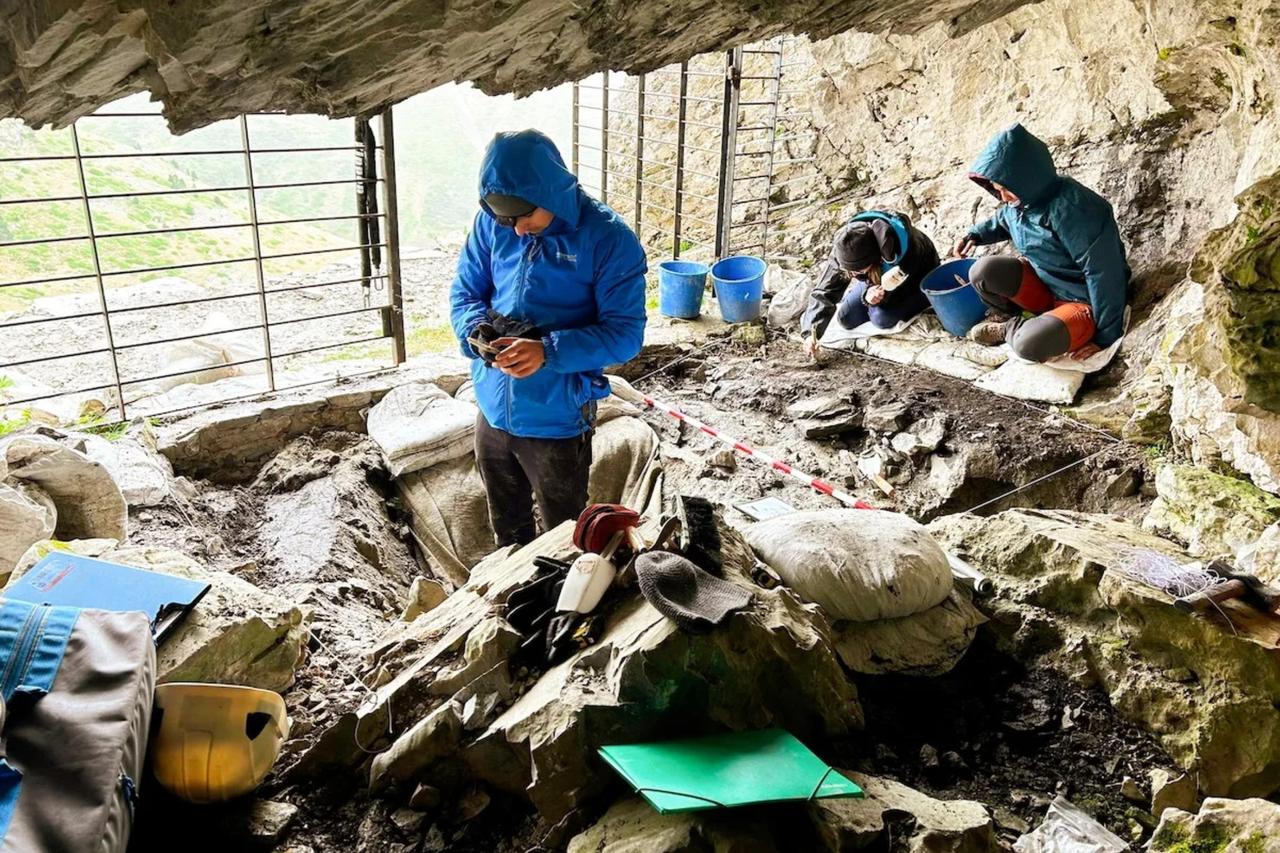


A prehistoric cave settlement discovered high in Spain's Pyrenees has challenged long-held ideas about how ancient communities used mountain landscapes, after researchers found evidence that people occupied the site over thousands of years rather than simply passing through.
Known as Cova 338, the cave sits 2,235 meters above sea level in the Nuria Valley, making it the highest-altitude prehistoric dwelling of its kind identified so far in this part of the Pyrenees.
For decades, archaeologists believed that areas above 2,000 meters were mainly used as temporary routes by ancient groups moving through the mountains.
The new findings, however, suggest a more complex pattern. According to the study, different populations occupied Cova 338 over a period of around 5,000 years, between the fifth and first millennia B.C.
This indicates that the cave was not only a short-term shelter but also part of a wider system of planned activity in a difficult high-altitude environment.
One of the most striking aspects of the discovery is that the occupation of the cave was not continuous.
Archaeological dating shows that people left the site for certain periods before returning later. Researchers say this pattern suggests that the use of the cave may have been organized in advance, rather than the result of random or emergency sheltering.
The finding has drawn attention because it points to communities capable of planning their movements and activities in the mountains across long stretches of time.
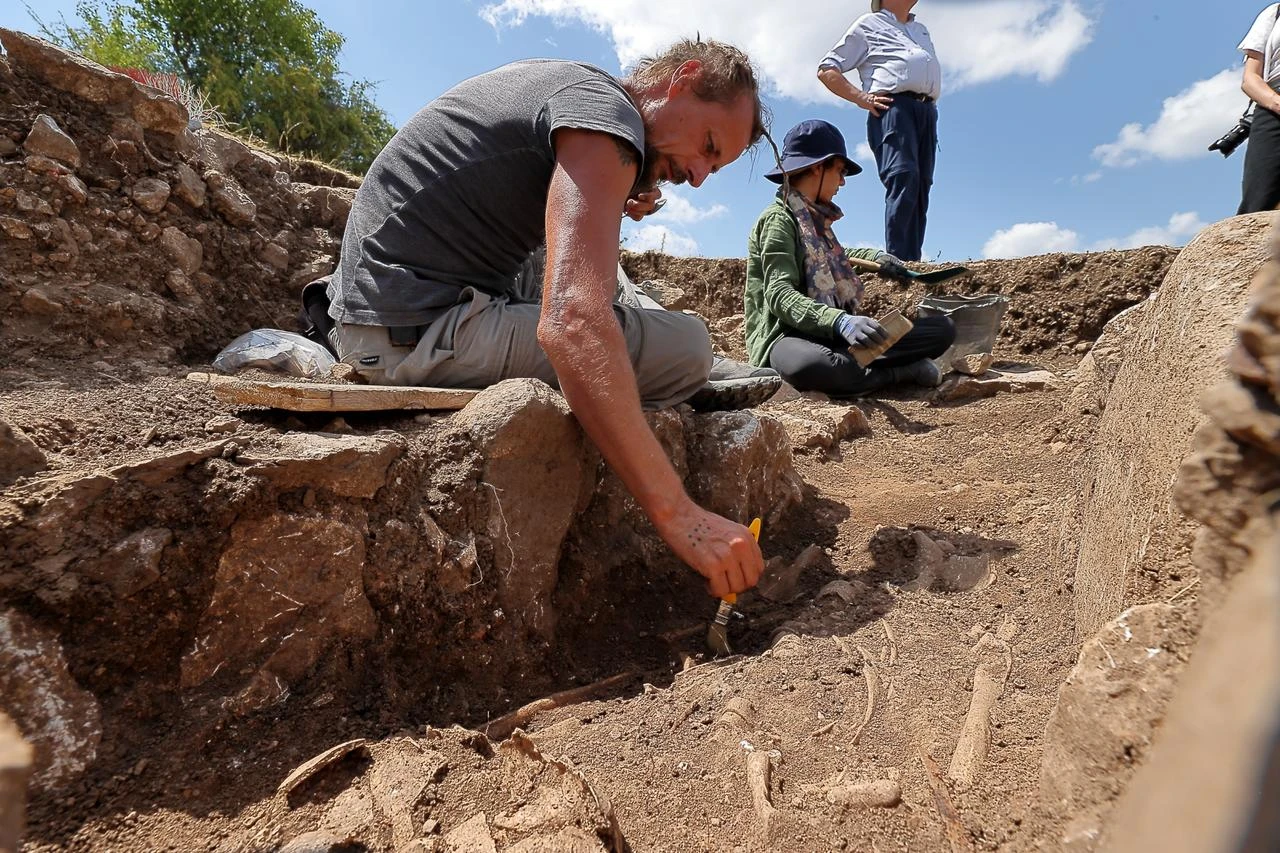
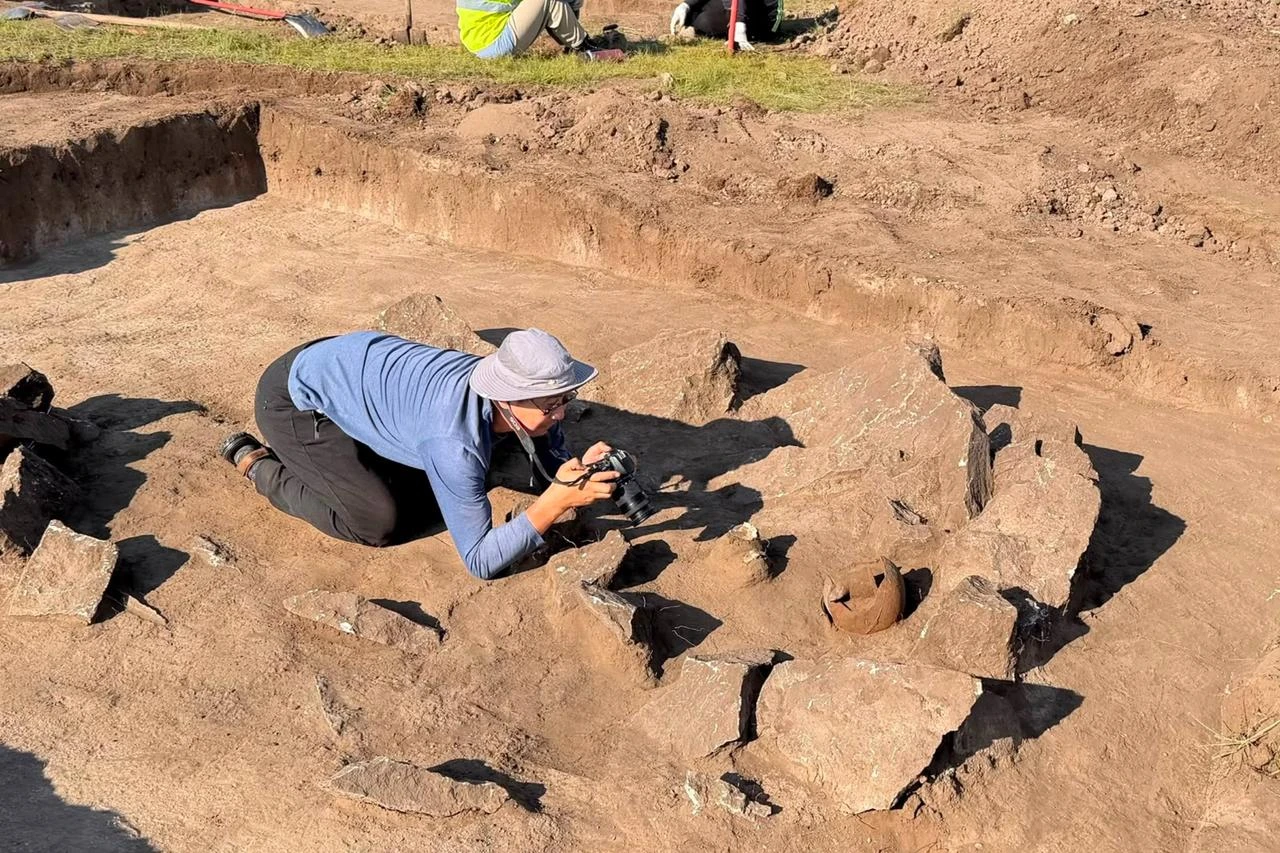
Excavations at Cova 338 were carried out between 2021 and 2023 by scientists from the Universitat Autonoma de Barcelona and the Institut Catala de Paleoecologia Humana i Evolucio Social, known as IPHES-CERCA.
The research places the site among the most important high-altitude prehistoric cave dwellings documented in the region and adds new evidence to the study of human settlement in mountain environments.
Rather than showing a landscape used only for travel, Cova 338 suggests that prehistoric groups returned to the high Pyrenees with purpose, using the cave as part of a repeated and organized pattern of occupation.


 Set as preferred source
 Set as preferred source


 3 min read