Newsletters


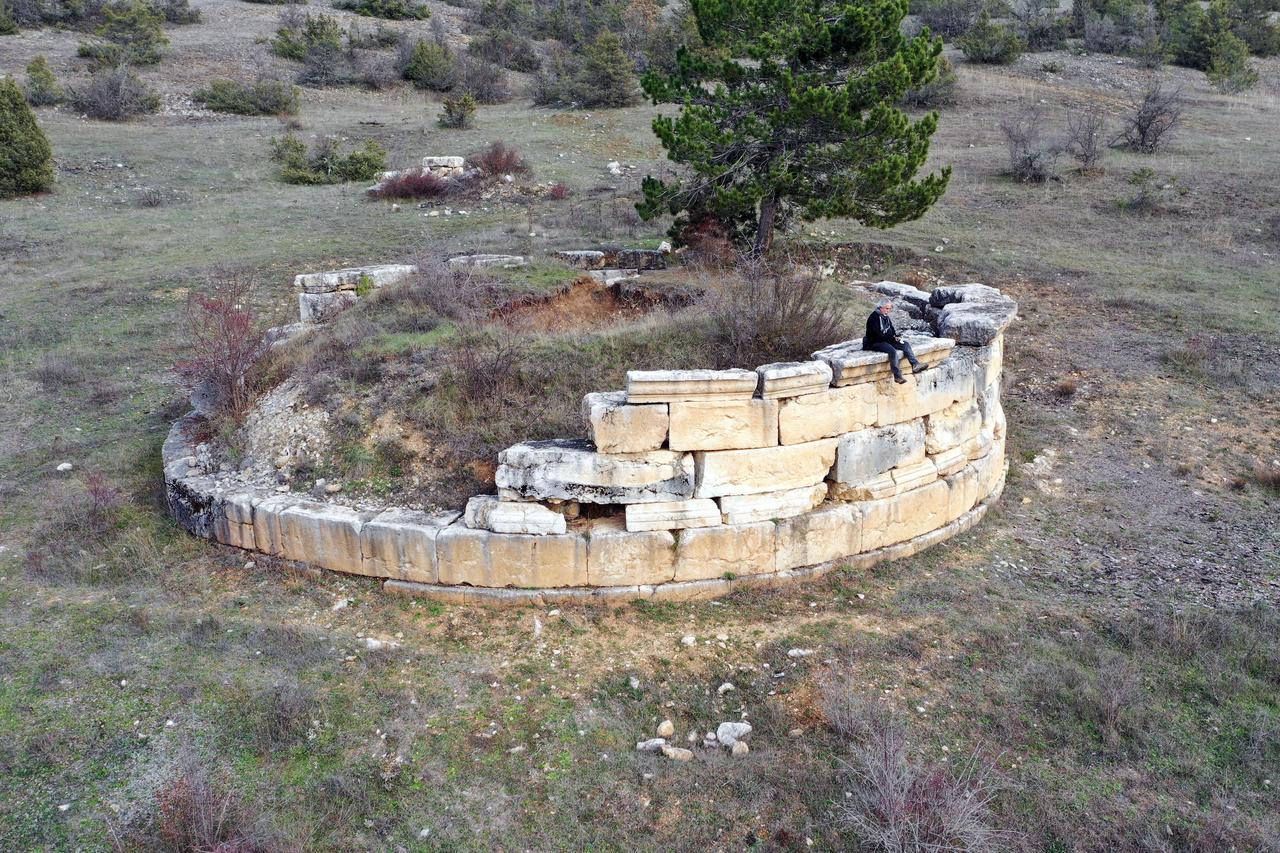


A nearly 2,100-year-old tumulus in northern Türkiye has opened to visitors after a series of rescue excavations that stabilized and restored the site, according to local officials. The burial mound is located in Kayi village, within the Daday district of Kastamonu province, an area that once formed part of ancient Paphlagonia, a historical region along the Black Sea hinterland.
The tumulus, a type of burial mound commonly used by elite groups in antiquity, is regarded as one of the most important funerary structures associated with the Paphlagonian cultural landscape. Its reopening marks a significant step in making the region’s archaeological heritage more visible to both local and international audiences.
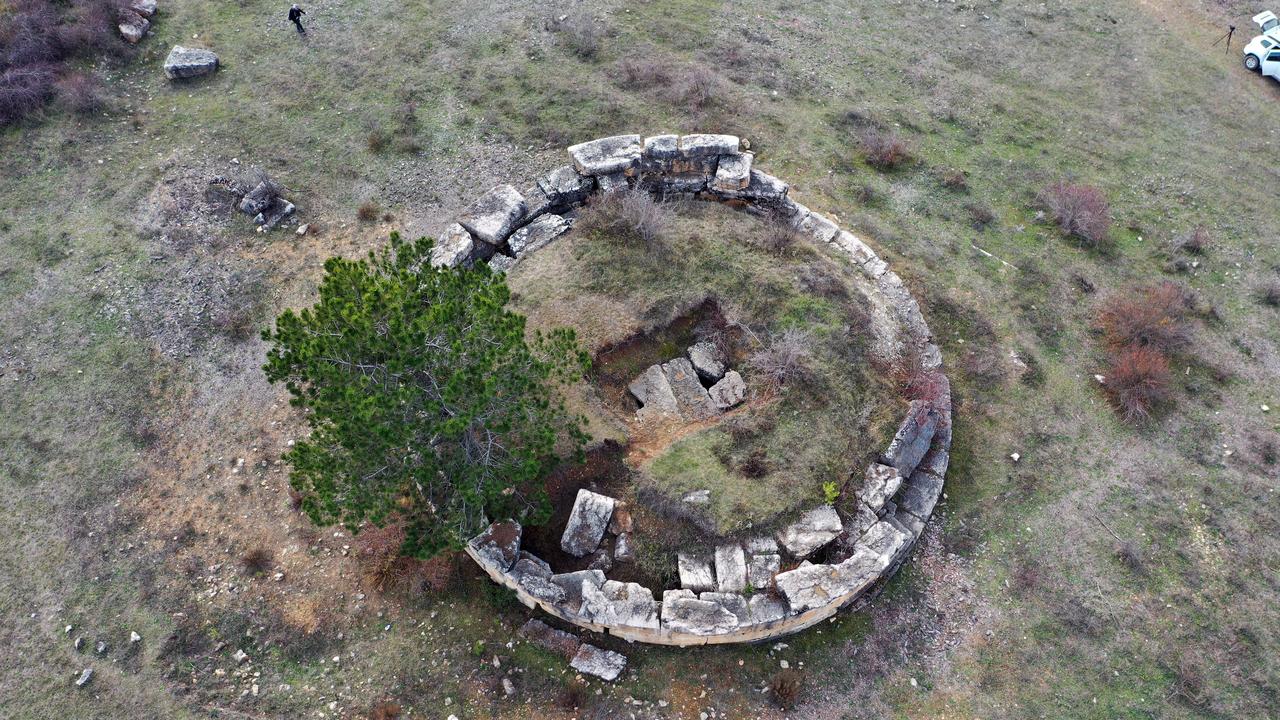

The site was officially registered as a first-degree archaeological site in 1998, a designation that places it under the highest level of legal protection in Türkiye. Despite this status, the mound was exposed to illegal digging for many years, which threatened the integrity of the burial chamber and its surrounding stone structure.
In response to the damage, the Ministry of Culture and Tourism carried out rescue excavations between 2015 and 2017. During this process, large stone blocks that once enclosed the burial chamber were carefully repositioned. This intervention not only helped to safeguard the monument but also allowed it to be prepared for controlled public access.
Local representatives describe the tumulus as a cultural asset with strong potential for wider recognition. Kayi village headman Ibrahim Terzi underlined that the site holds deep value for the region’s cultural heritage and could stand out as a representative example of a Paphlagonian cemetery. He said the community wants the site to be heard about internationally and to be opened up to tourism in a way that reflects its historical identity.
The emphasis on promotion is shared by cultural observers and visitors who see the monument as part of a broader archaeological landscape that remains relatively unfamiliar outside specialist circles.
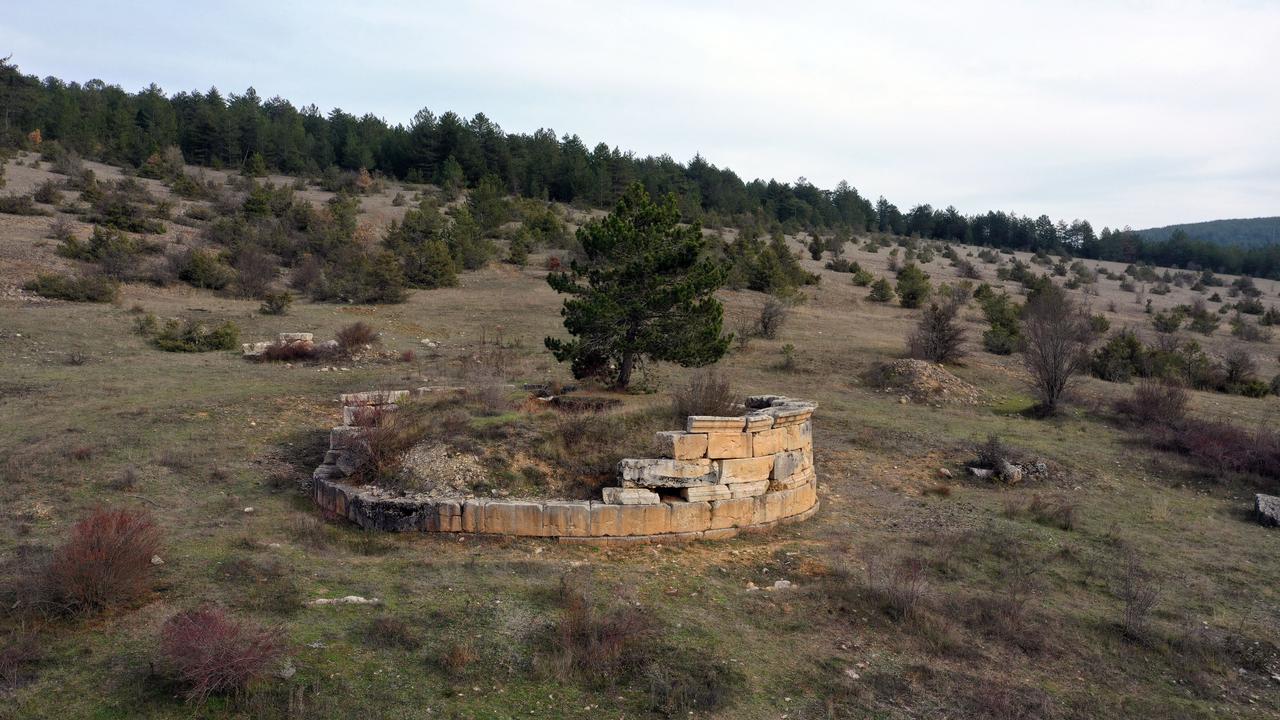
Nature photographer Cebrail Keles, who has documented the area, pointed to the tumulus as clear evidence of a highly developed ancient civilization.
Based on the surviving remains, he said the structure shows that an advanced society lived in the region more than two millennia ago. He also stressed that greater international visibility could attract visitors with a particular interest in history and archaeology.


 Set as preferred source
 Set as preferred source


 1 min read
 1 min read