Newsletters




Berlinale brought a week of speeches, debate, and public tension, alongside a double victory for Turkish cinema at the festival’s highest level.
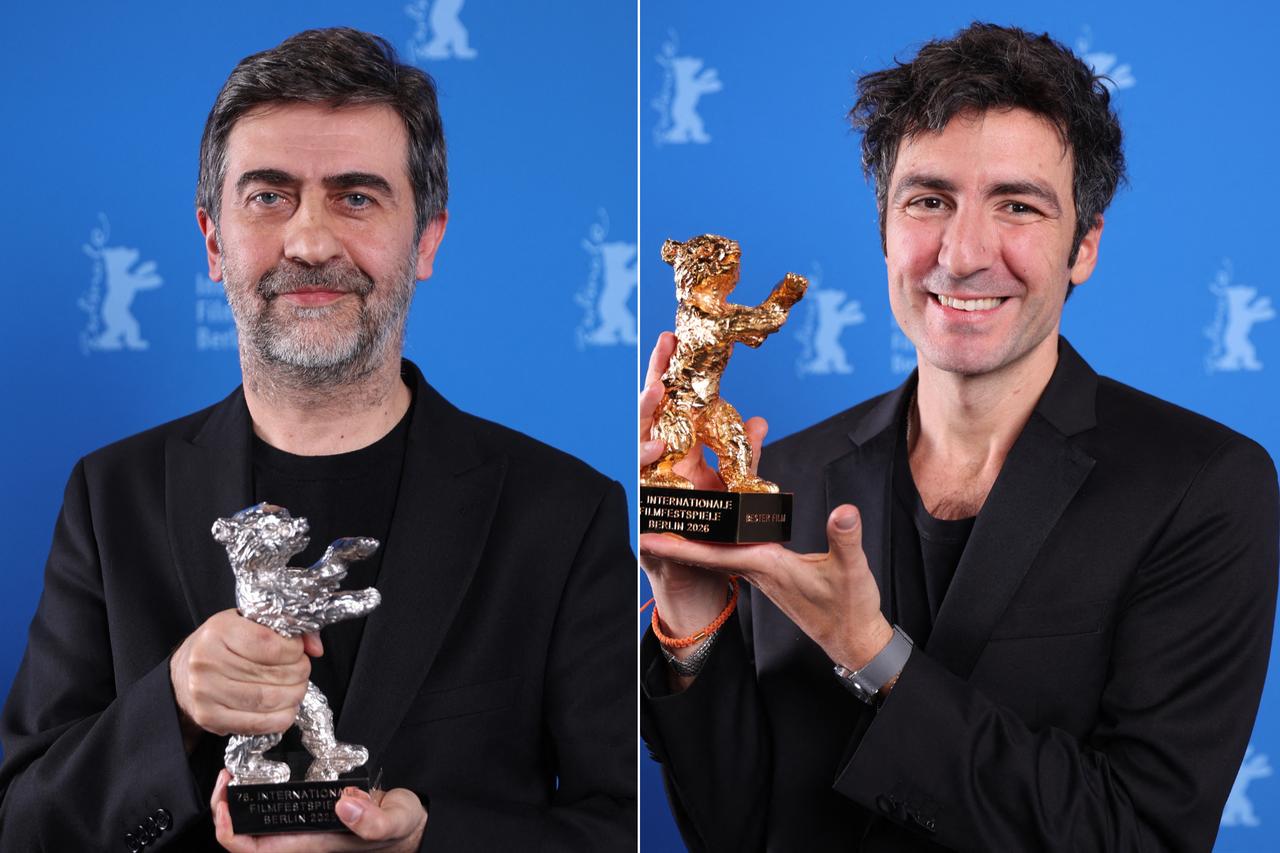
The 76th Berlin International Film Festival ended on Feb. 22 with two Turkish directors receiving its highest honors, placing Turkish cinema at the center of one of the world’s most influential film events.
Ilker Catak won the Golden Bear for best film with "Sari Zarflar" (Yellow Letters), while Emin Alper received the Silver Bear Grand Jury Prize for "Kurtulus" (Salvation).
Both films explore themes of power, violence, and social conflict, and both directors used the Berlinale stage to deliver public statements on global and domestic political issues, drawing attention beyond the awards themselves.

The awards turned the festival’s main competition into a showcase of Turkish political storytelling and placed two films examining power, repression, and social conflict at the center of international discussion.
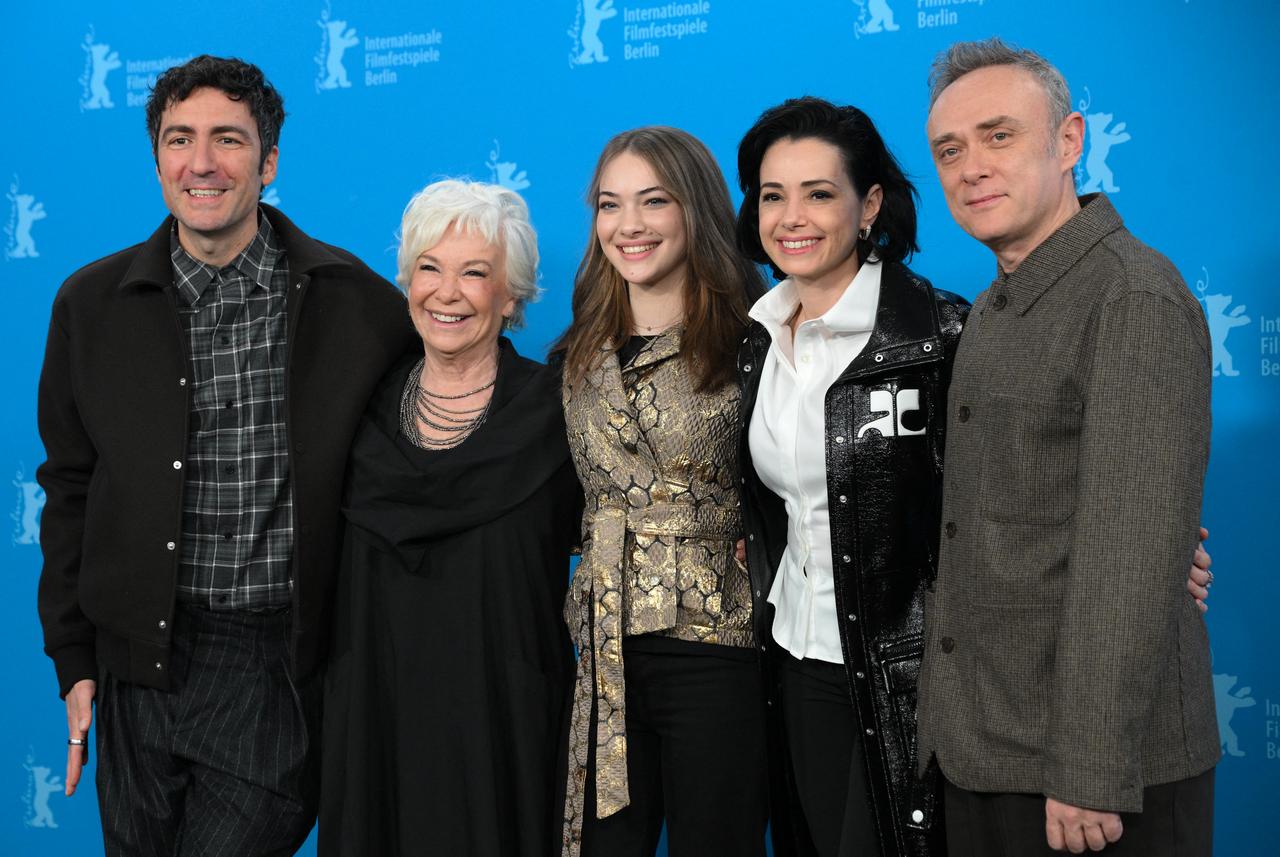
"Yellow Letters" is a Germany–France–Türkiye co-production written by Ilker Catak, Ayda Meryem Catak, and Enis Kostepen.
It follows Derya and Aziz, an artist couple in Ankara whose lives unravel after the premiere of their new play, leading them to lose both work and home and forcing them to rebuild with their 13-year-old daughter in Istanbul.
The film, led by Ozgu Namal and Tansu Bicer, places artistic life inside a climate where employment and security can collapse under political pressure, framing survival as a social and moral conflict rather than a private hardship.
Jury president Wim Wenders praised "Yellow Letters" for presenting a vision of power that resonates beyond its immediate setting.
Accepting the Golden Bear, Ilker Catak addressed jury president Wim Wenders directly, describing him as “one of my teachers” and telling the jury president, “Receiving this award from you is an incredible thing.” He thanked the jury and his collaborators, calling the prize a major honor.
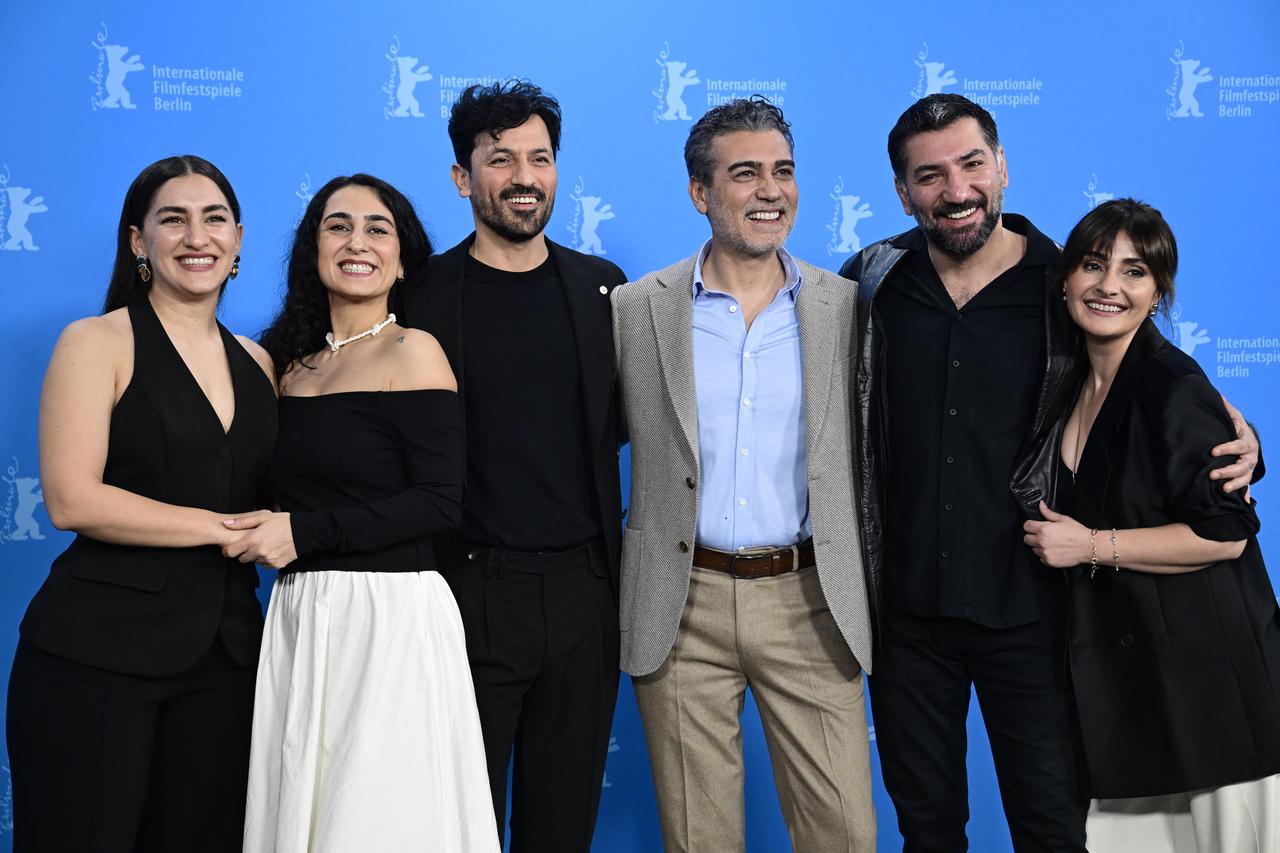
The festival’s second major prize went to Emin Alper’s "Salvation," which focuses on violence that grows out of power and land.
The story unfolds between Batman and Mardin and centers on a land conflict between a village guard tribe, the Hazeran, and the Bezariler, a community returning to a village they had been forced to leave.
In his acceptance speech, Alper described the film as a project about perpetrators of “terrible crimes,” saying he wanted to understand their mindset while also thinking about survivors and what happens to people left behind after violence.
The outcome marked a rare double success for Turkish cinema at one of the three leading European film festivals, alongside Cannes and Venice, with two of the most openly political films in the main competition receiving the top awards.
The outcome drew attention to Turkish cinema’s growing presence in global film festivals.
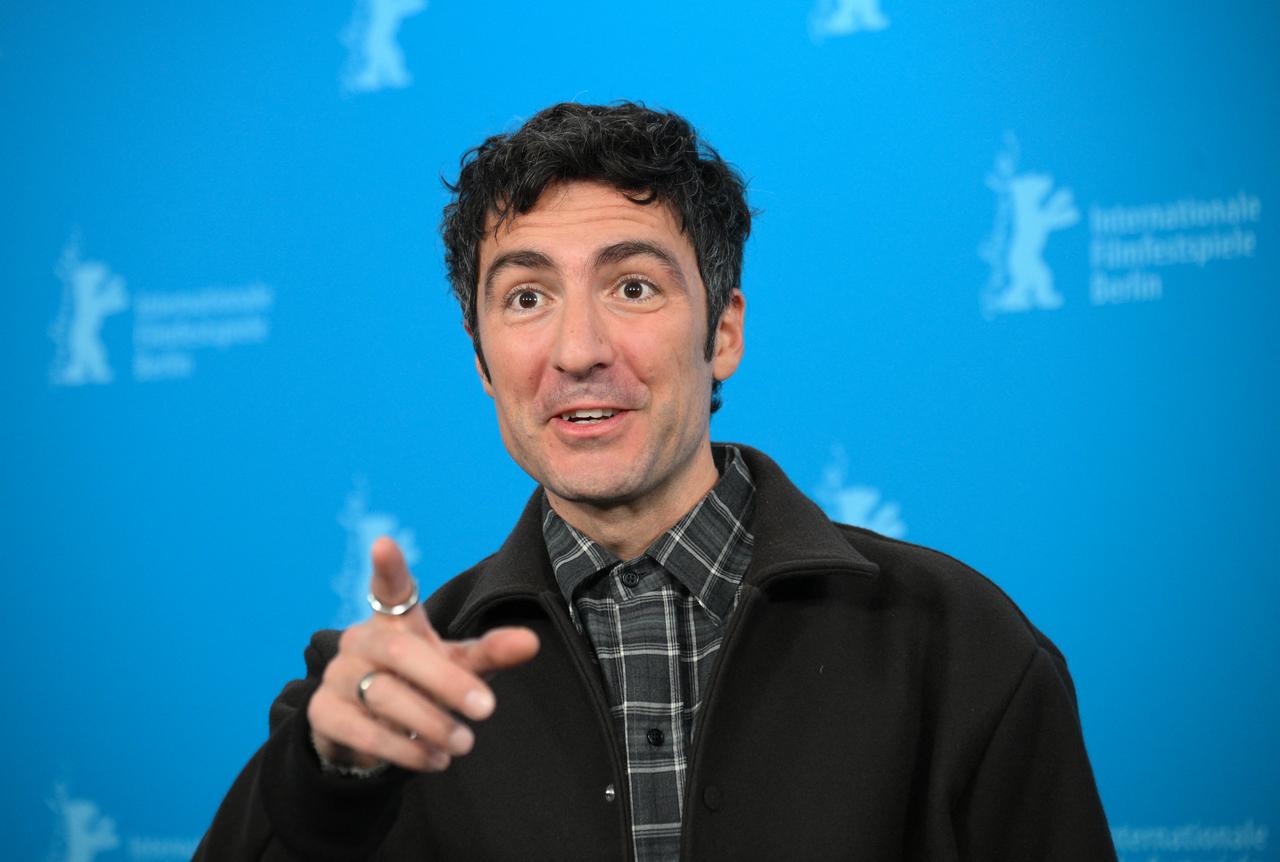
The two directors come from different generations and artistic traditions within Turkish cinema.
Ilker Catak, born in Berlin in 1984 to Turkish parents, studied film and television directing in Berlin and Hamburg after completing his secondary education in Istanbul. His early work gained international recognition, including a Student Academy Award for his thesis film "Sadakat" (Loyalty) in 2015.
Catak later directed several feature films, including "Es war einmal Indianerland" (Once Upon A Time In Indian Country) and "Es gilt das gesprochene Wort," (I Was, I Am, I Will Be), and has taught cinema at universities in the United States, Germany, Türkiye, and Japan. His work often explores social conflict, identity, and power relations through character-driven narratives.
His Golden Bear victory also revived a long-running debate over cultural ownership when diaspora filmmakers win major international prizes. Some German media coverage emphasized Catak as a German director, highlighting his Berlin birth and career in Germany, while Turkish outlets framed the award as a significant achievement for Turkish cinema.
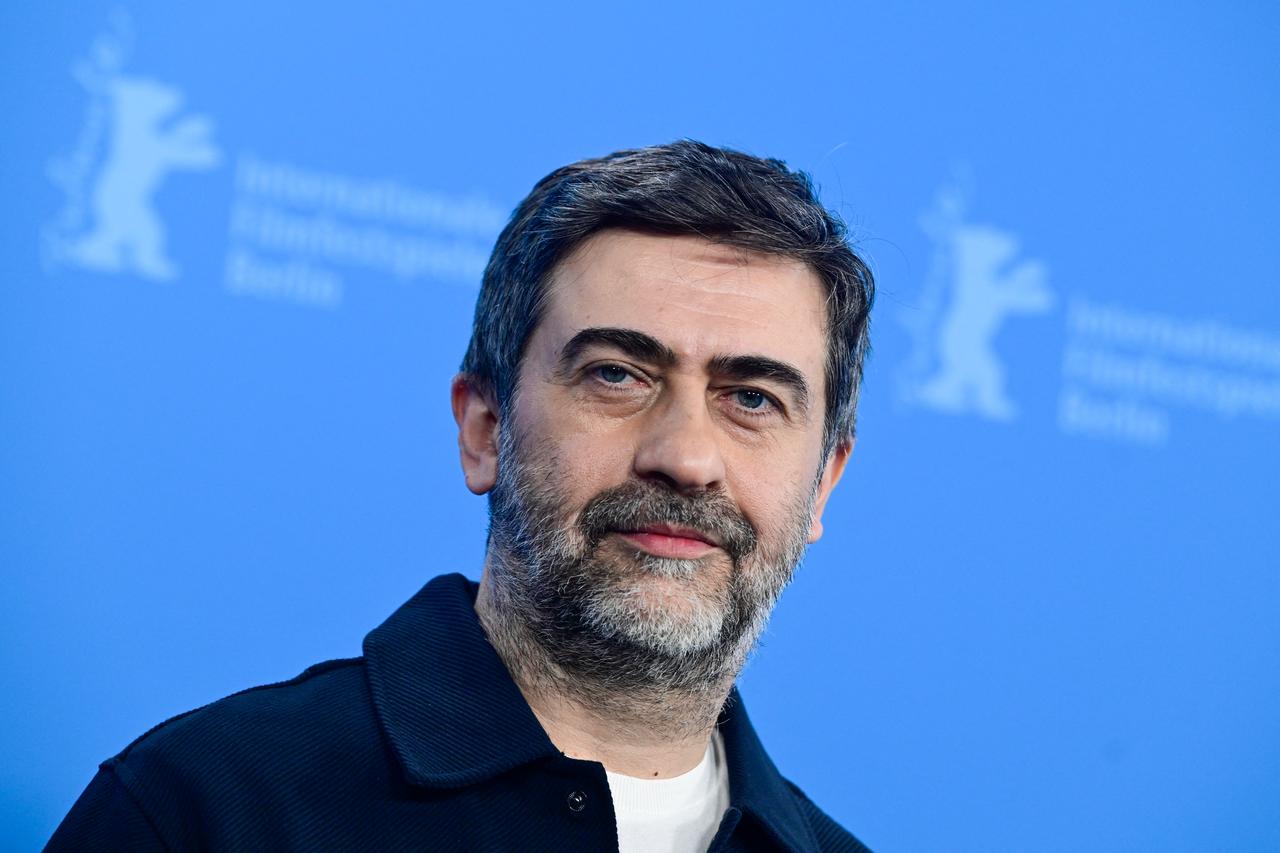
Emin Alper, born in Karaman in 1974, studied economics at Bogazici University before completing a doctorate in modern Turkish history. His interest in cinema developed during his university years, leading him to direct several short films before gaining international attention with his first feature, "Tepenin Ardi" (Beyond the Hill), which won the Best Film award at the Istanbul International Film Festival.
He later directed "Abluka" (Frenzy - 2015), which received the Special Jury Prize at the Venice Film Festival, and "Kiz Kardesler" (A Tale of Three Sisters - 2019), which was selected for the main competition at the Berlin Film Festival. His fourth feature, "Kurak Gunler" (Burning Days - 2022), premiered at Cannes and won multiple awards at the Antalya Film Festival.
Across his work, Alper has consistently explored themes of violence, social tension, political conflict, and the experience of marginalized communities.
Beyond filmmaking, Alper has also served as artistic director of the Sinematek film institution and has remained an outspoken public intellectual on questions of democracy, collective violence, and social responsibility.
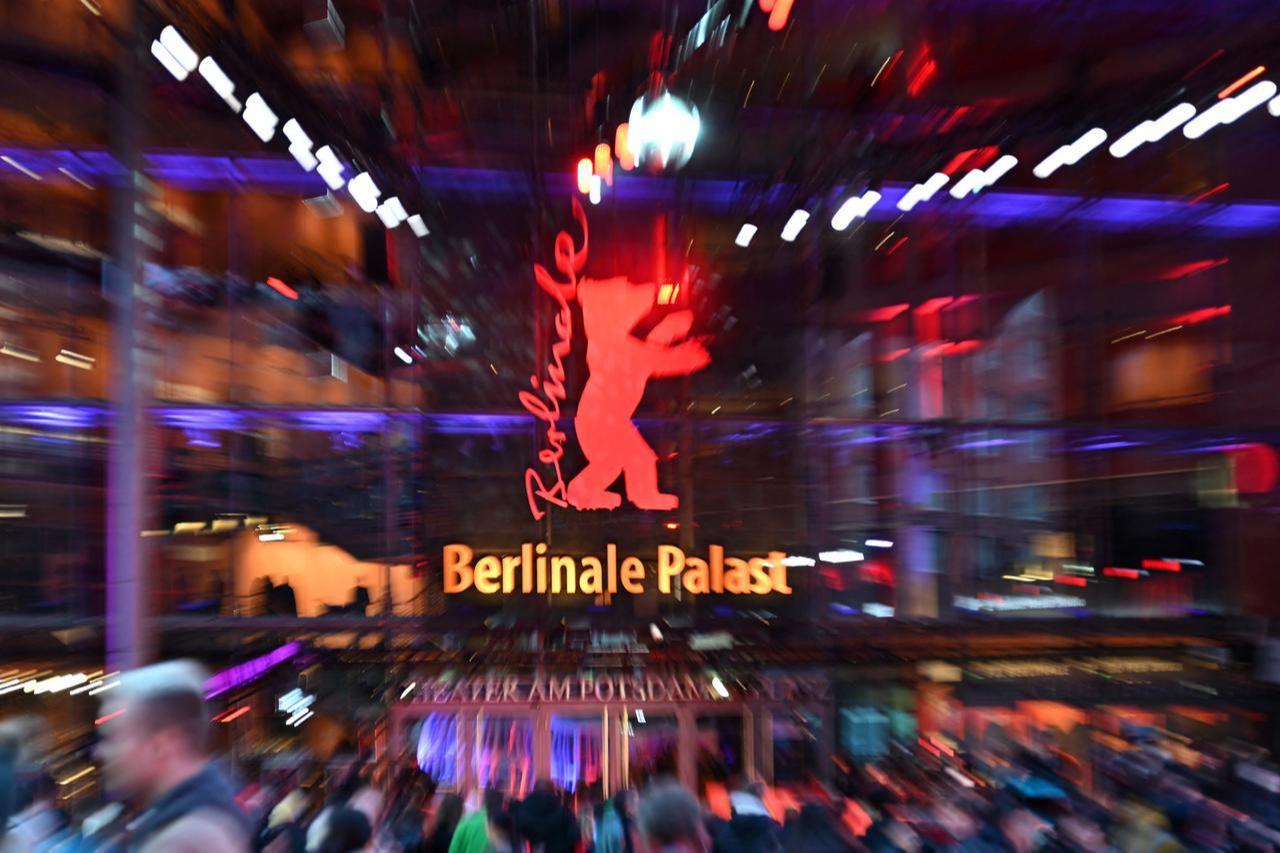
This year’s festival unfolded amid renewed debate over the political role of cinema, creating a backdrop that shaped how the award-winning films and directors were received.
The Berlin International Film Festival describes itself as a platform for the critical exploration of social issues and is often considered "the most political of the major film festivals." Founded in 1951 during the Cold War as a “showcase of the free world,” the Berlinale has historically promoted films addressing human rights, political repression, and freedom of expression.
Against this background, statements by jury president Wim Wenders that filmmakers should remain outside politics drew criticism from cultural figures and industry representatives. His remarks triggered debate about whether artistic neutrality is possible at a festival long associated with political engagement.
The controversy intensified during the festival. Indian author Arundhati Roy withdrew from the event, describing the position as “unconscionable,” while more than 80 actors, directors, and writers signed an open letter criticizing what they described as the festival’s silence on Gaza.
Festival director Tricia Tuttle defended the event, saying artists should not be required to comment on political issues unless they choose to do so.
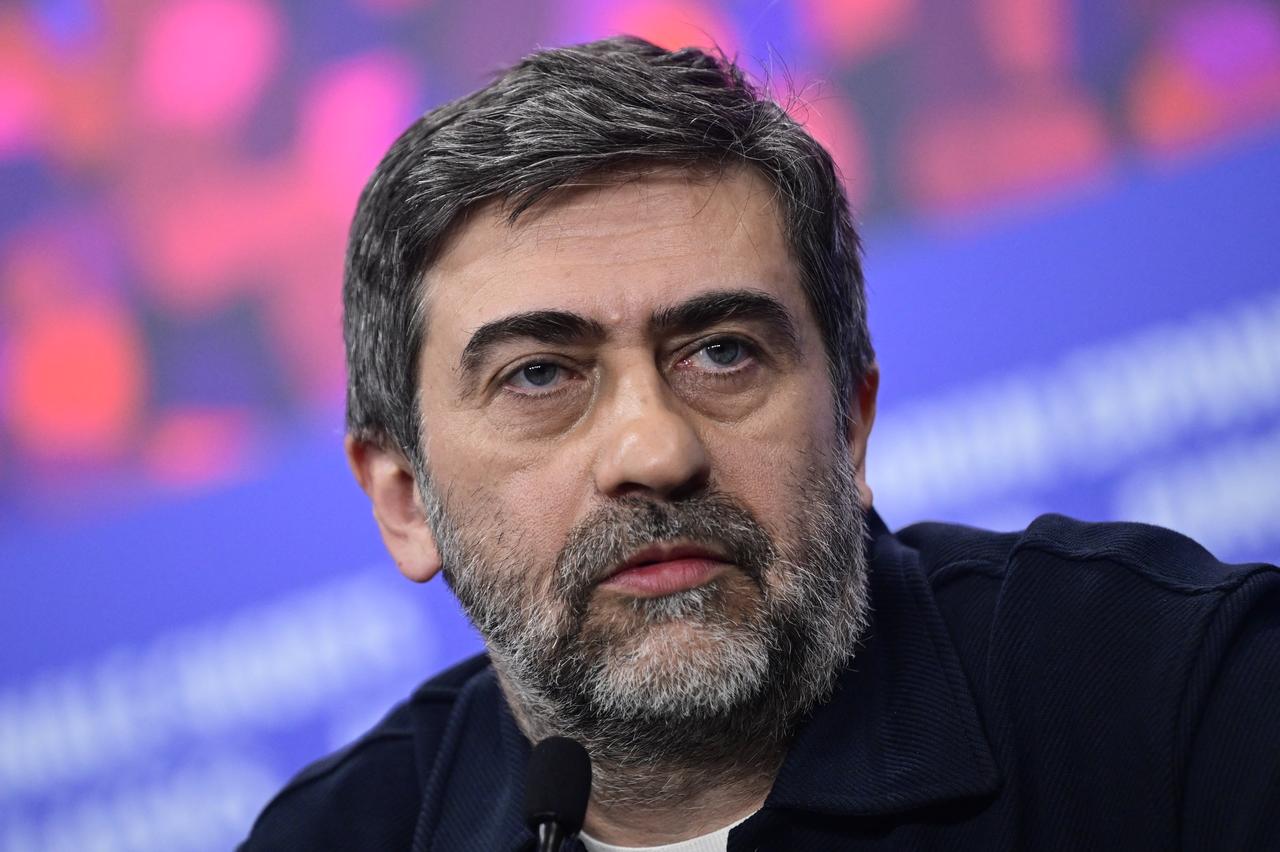
In his interview with T24 after returning from Berlin, Emin Alper described the political atmosphere surrounding the festival and the tensions he observed behind the scenes.
Alper said the festival’s public position cannot be separated from the broader environment in which it operates, pointing to the event’s institutional structure and funding.
“Even though Berlinale is partly autonomous, it receives financial support from the German government and is under clear pressure,” he said, adding that festival organizers try to balance different political expectations while maintaining the event’s international role.
His remarks reflected criticism directed at the festival during this year’s event, where questions about artistic neutrality and institutional silence on global conflicts became central to public debate.
While emphasizing the importance of artistic expression, Alper described filmmaking as part of a broader collective effort rather than as a direct instrument of change.
“A single film cannot change everything,” he said. “But many films and many artists standing together can change a lot. What we do is a small contribution, a brick in the wall.”
His comments reflected the wider tensions shaping this year’s Berlinale, where a festival historically associated with political engagement faced renewed scrutiny over the limits of artistic neutrality while presenting films addressing war, repression, and social conflict.
If this year’s Berlinale demonstrated anything, it was that the ties between art, power, and public responsibility remain difficult to sever. The festival itself operates within a political context, as reflected in its own institutional identity, and faces continuing scrutiny over how it responds to global conflict.
In a world marked by ongoing violence and civilian suffering, pressure on cultural institutions will probably not fizzle out anytime soon.


 Set as preferred source
 Set as preferred source


 3 min read