Newsletters


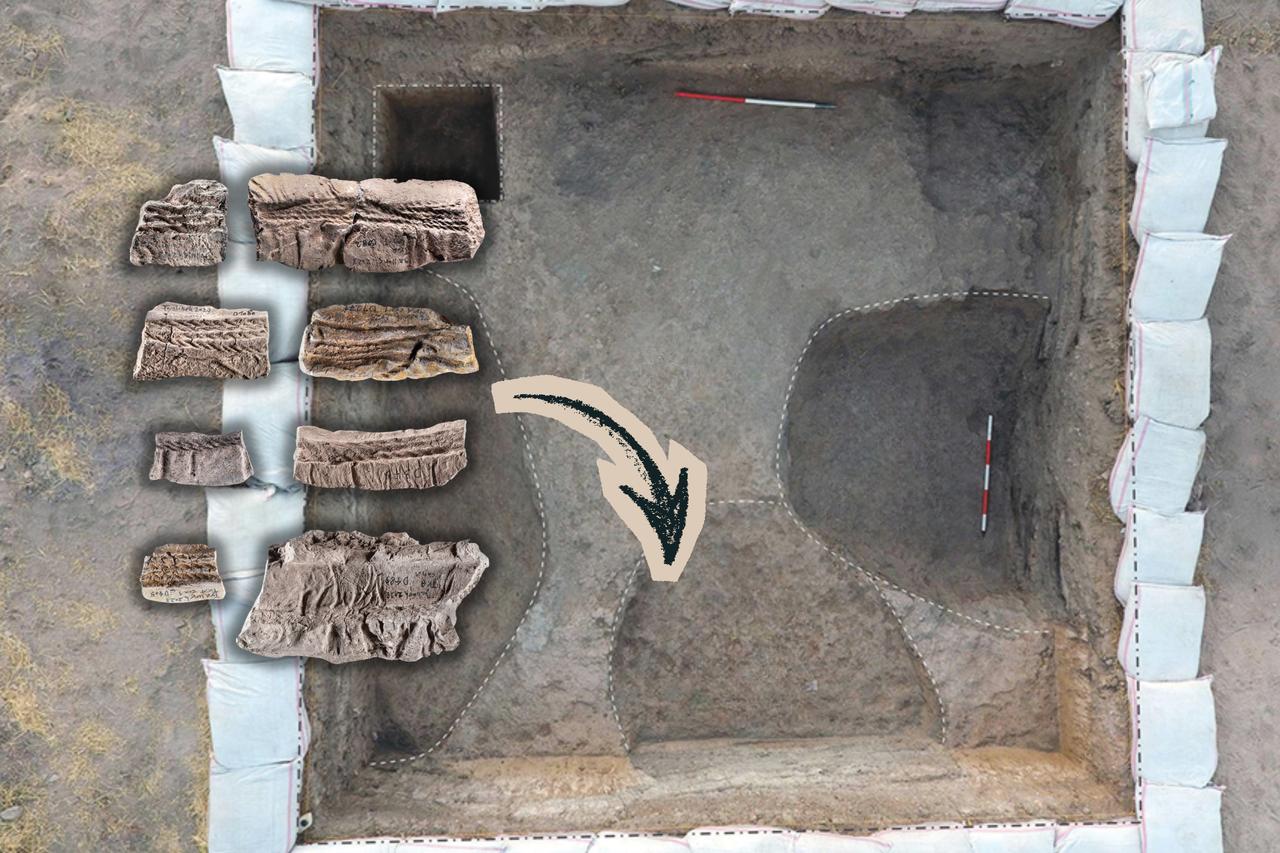


Preliminary findings published in Antiquity describe what is now considered the largest known corpus of prehistoric seal impressions ever recorded in the ancient world, after more than 7,000 impressions were documented at the site of Tapeh Tyalineh in western Iran.
Alongside the impressions, researchers also reported more than 200 clay figurines, clay tokens, and two cylinder seals, linking the site to a large-scale administrative system that appears to have been used to manage and keep track of goods moving through organized exchange networks roughly 5,000 years ago.
The study, led by Shokouh Khosravi, frames the finds as evidence of early bureaucratic practice, meaning the structured administrative routines that help manage economic and social activity. Such institutions are tied to some of the earliest state formations, where communities needed ways to record, control, and verify the movement of goods.
According to the published preliminary assessment, the scale of the Tapeh Tyalineh corpus points to a site that was likely acting as an important center within extensive commercial exchange, with the administrative tools needed to back that role up.
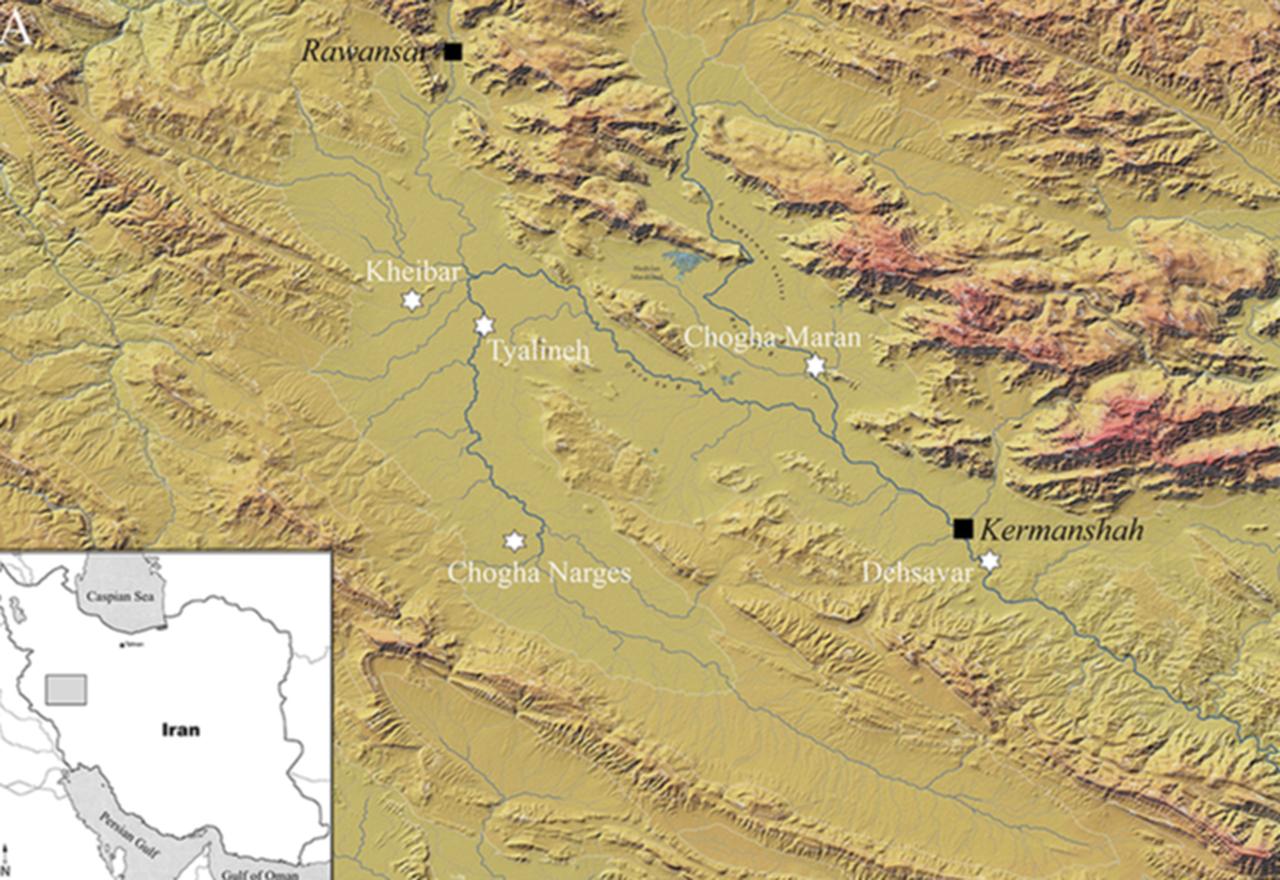

The article notes that seals and sealings have been documented in south-western Iran, yet they have been scarce in the Central Iranian Plateau and north-western Iran before the Bronze Age, and they have remained rare in the Central Zagros region. Against that backdrop, Tapeh Tyalineh stands out because of both its quantity and its variety.
The site lies on the Kouzaran plain, north of Mahidasht, and is described as being 25 km west of Chogha Zanbil. The first reported exposures were linked to unauthorized soil removal, which brought 67 sealings to light that were dated to around 3,200–2,800 BC.
The study highlights variation across the impressions, with Khosravi explaining that the impressions applied to vessels differ from those used on sacks. This difference was presented as a sign that goods were likely being sent in from various origins to Tapeh Tyalineh.
Khosravi also described a division of responsibility among seal owners, suggesting that some individuals appear to have been tasked only with sealing storage facilities, overseeing goods moving in and out, while others sealed both containers and the doors of storage areas. In one notable passage, Khosravi said:
“As it appears, the owners of some seals were only responsible for sealing the storage facilities, meaning they oversaw the entry and exit of goods. However, in other instances, the seal owner would seal both some of the containers and the doors of the storage areas...”.
The report adds that the diversity of seals is consistent with extensive connections reaching both nearby and more distant regions. Khosravi also offered an estimate for potential contacts reflected in the corpus, stating that if each seal represents an individual, excluding roughly 20 seal types linked to storage facilities, the inhabitants of the site “were in contact with over 150 other merchants or individuals,” who were presumably involved in exchange activities across contemporary villages near and far.
Damage to the mound shapes what can be recovered. Khosravi described major damage to the mound’s upper layers, explaining that local villagers had destroyed between 1 and 2 meters of upper deposits across roughly 2,000 square meters.
The same account added that annual plowing by farmers across the site’s surface has also caused “significant and detrimental damage” to archaeological remains.
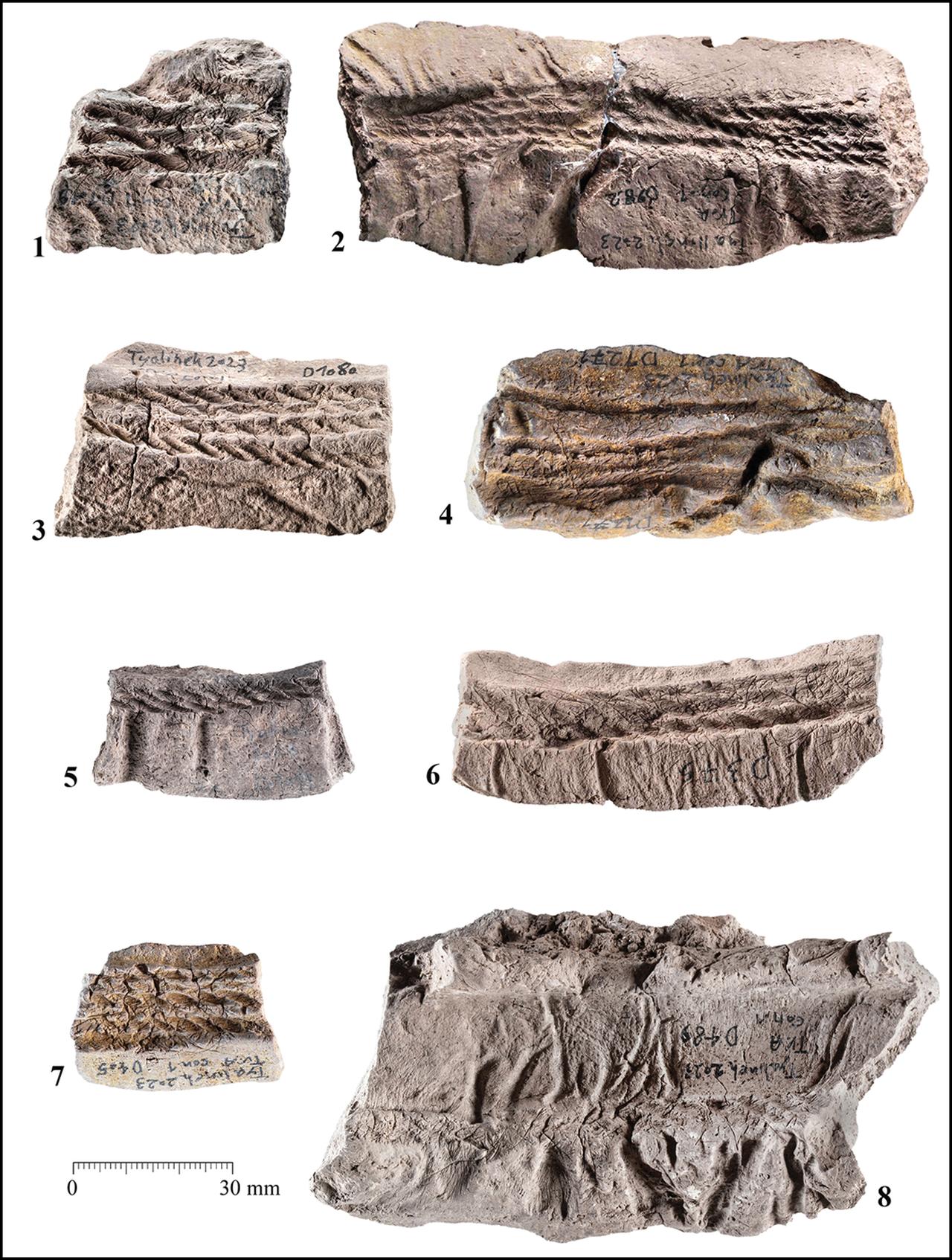
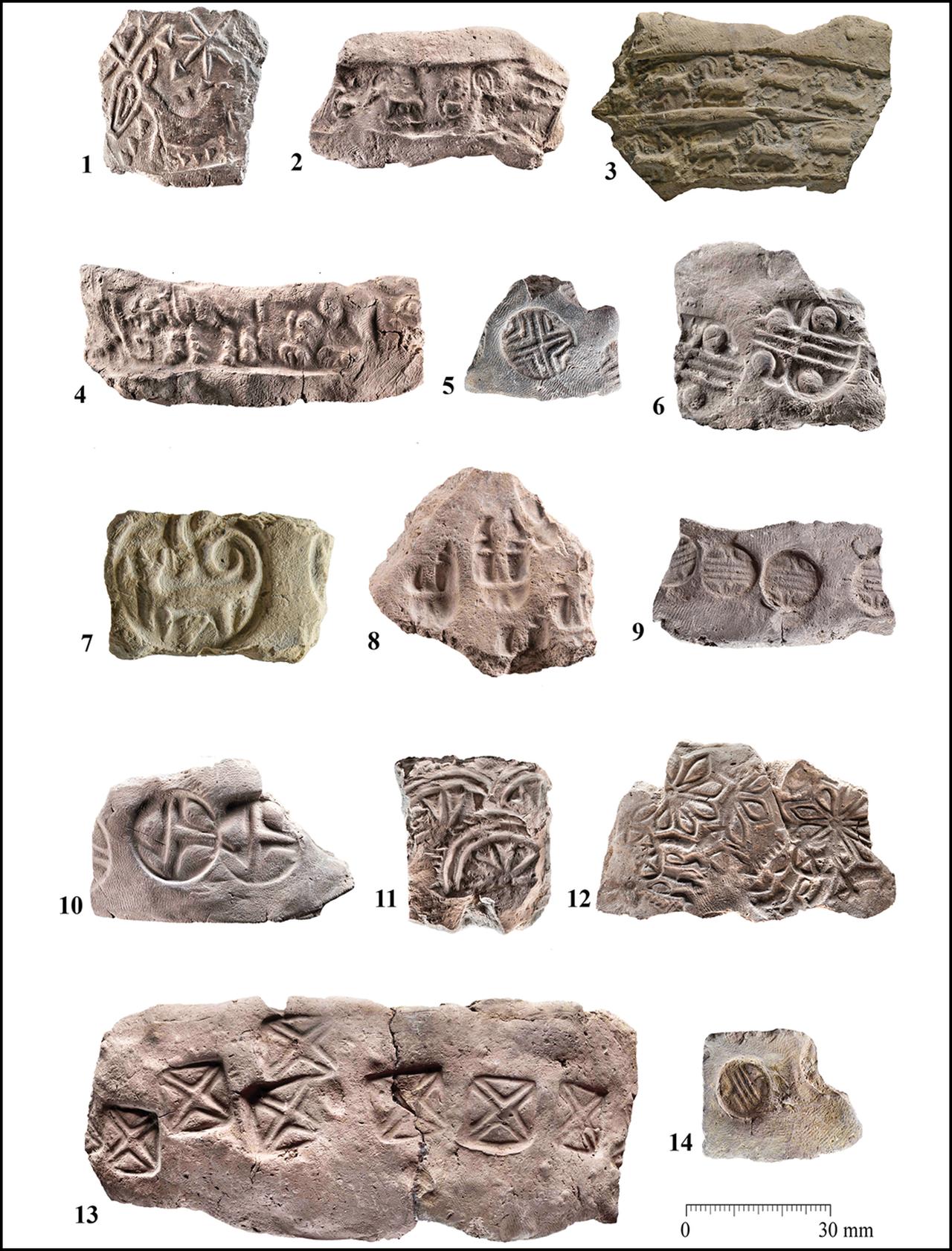
The preliminary description says the seals were used to seal door pegs of storage facilities, as well as sacks, jars, and receipts. For international readers, a “cylinder seal” refers to a small carved cylinder that could be rolled over wet clay to leave a repeated impression, functioning like an early administrative signature. “Sealings” are the clay lumps or tags that were impressed and attached to something being secured, such as a door fastening or a container, so that tampering could be spotted.
Although further analysis is still pending, the report says the sealings likely played a role in transport, storage, and exchange, potentially connected with commodities such as oil, wine, and beer.
Khosravi indicated that the seals probably built up over time rather than all at once, while noting that absolute dating work is still awaited. In the preliminary view presented, the assemblage appears to reflect activity spanning several decades up to around 100 years.
Future work is set to focus on broader categories of material recovered at the site, including botanical and zoological remains, stone tools, pottery, small finds, and other evidence tied to administrative activity, especially the seal impressions. Khosravi said the studies will be lengthy, with results expected to be shared gradually through academic articles.
The team also reported that laboratory studies to source some samples have already been carried out, with plans to examine more samples within the year to better map the site’s connections. In addition, the researchers have planned extensive archaeo-geophysical surveys, and if those initiatives move ahead as planned, they hope to resume excavations and continue fieldwork from 2027 onward.


 Set as preferred source
 Set as preferred source


 2 min read