Sign in
 Newsletters


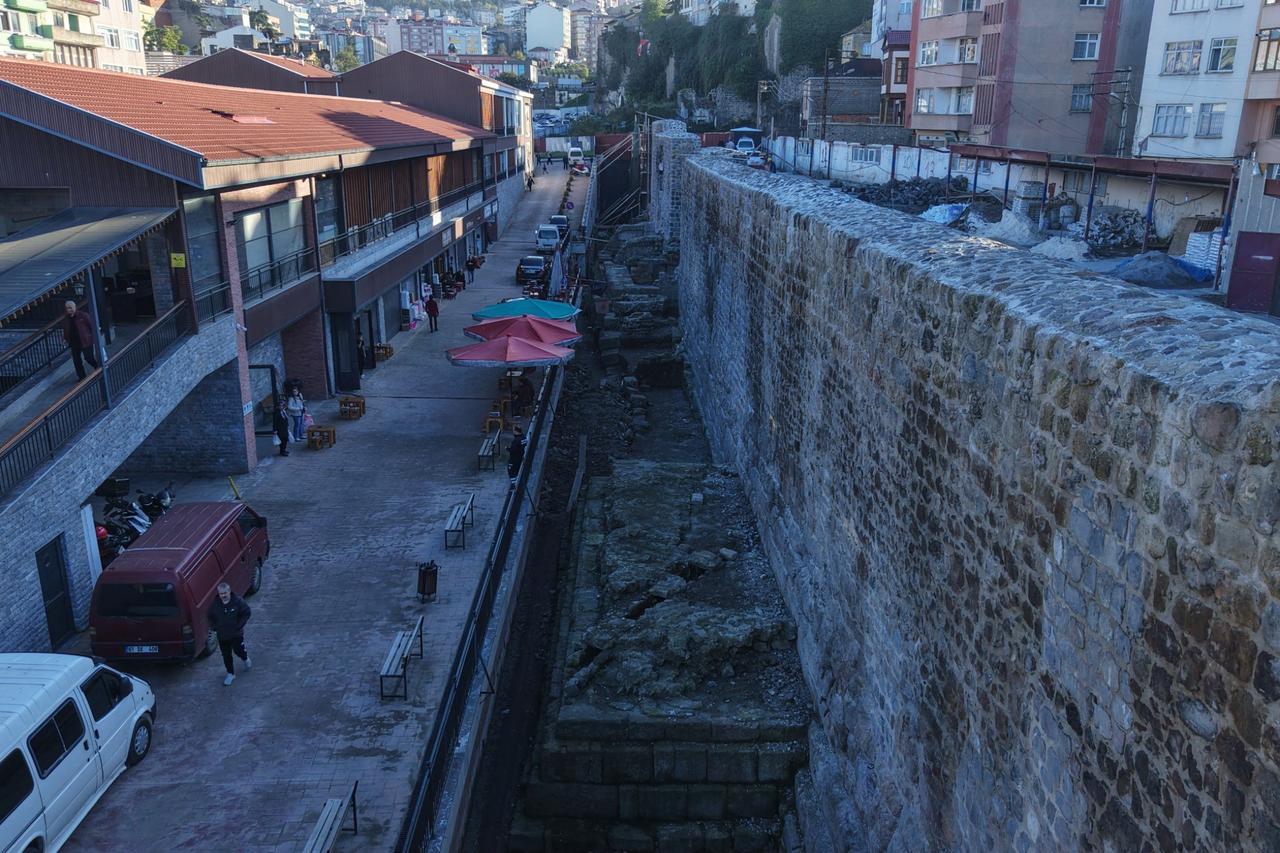


Archaeological excavations in Türkiye's northern province of Trabzon have uncovered an ancient port bearing traces of the Roman, Byzantine, Komnenos and Ottoman periods, with restoration work now moving forward to turn the historic site into a public viewing area.
The remains were discovered during construction of the Kadinlar Hali Market in the Pazarkapi neighborhood of Trabzon's Ortahisar district. Subsequent archaeological investigations established that the area had once served as a port where ships docked and commercial activities took place.
Working alongside the regional Cultural Heritage Preservation Board, teams have completed the restoration of a roughly 150-meter-long, double-sided fortification wall that formed part of the historic harbor.
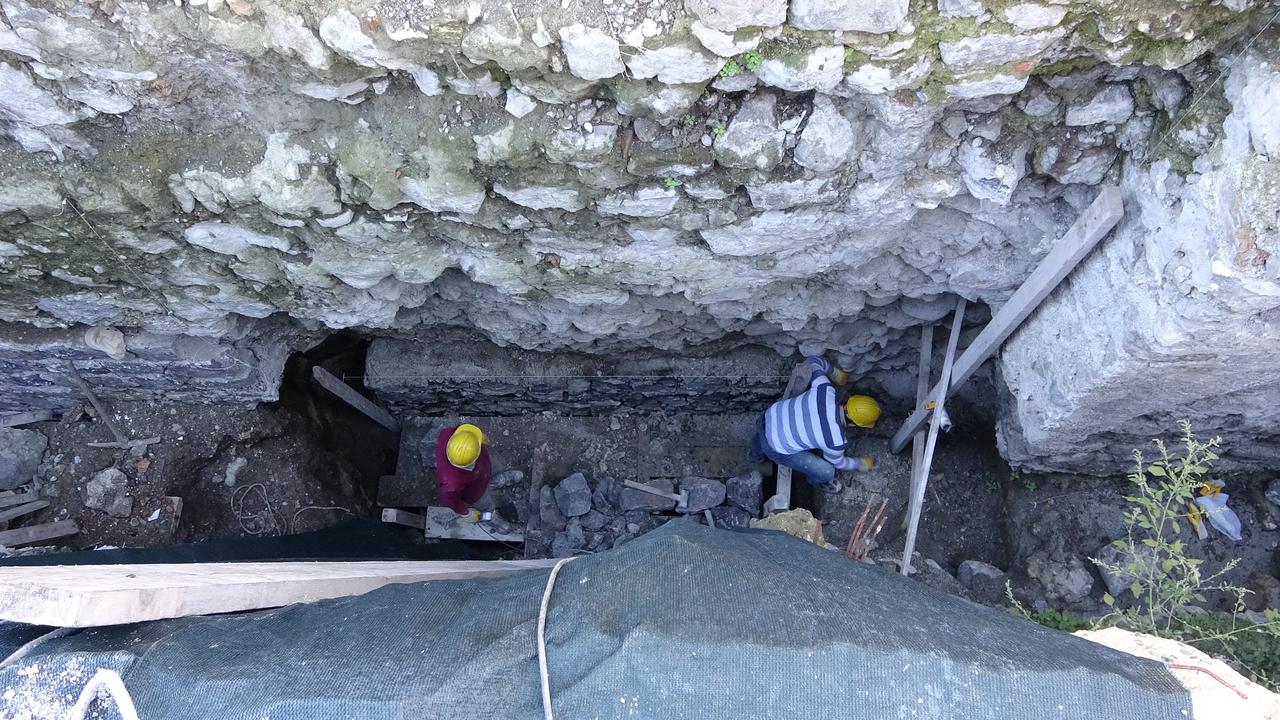

The restoration involved renewing the joints between the stones, carrying out structural injection work and applying protective coverings to prevent rainwater from damaging the historic walls.
Workers also carried out coloring and aging treatments on the upper sections to preserve the structure's historical appearance.
Meanwhile, reinforcement work is continuing on the northernmost bastion, a defensive tower attached to the fortification wall, because of concerns about its structural stability.
Murat Ozturk, head of the Public Works Department at Trabzon Metropolitan Municipality, said the remains were initially encountered during construction of the market and later identified as part of an ancient commercial harbor.
He explained that archaeological investigations had brought to light evidence associated with four historical periods, while the restoration of the main fortification wall had already been completed.
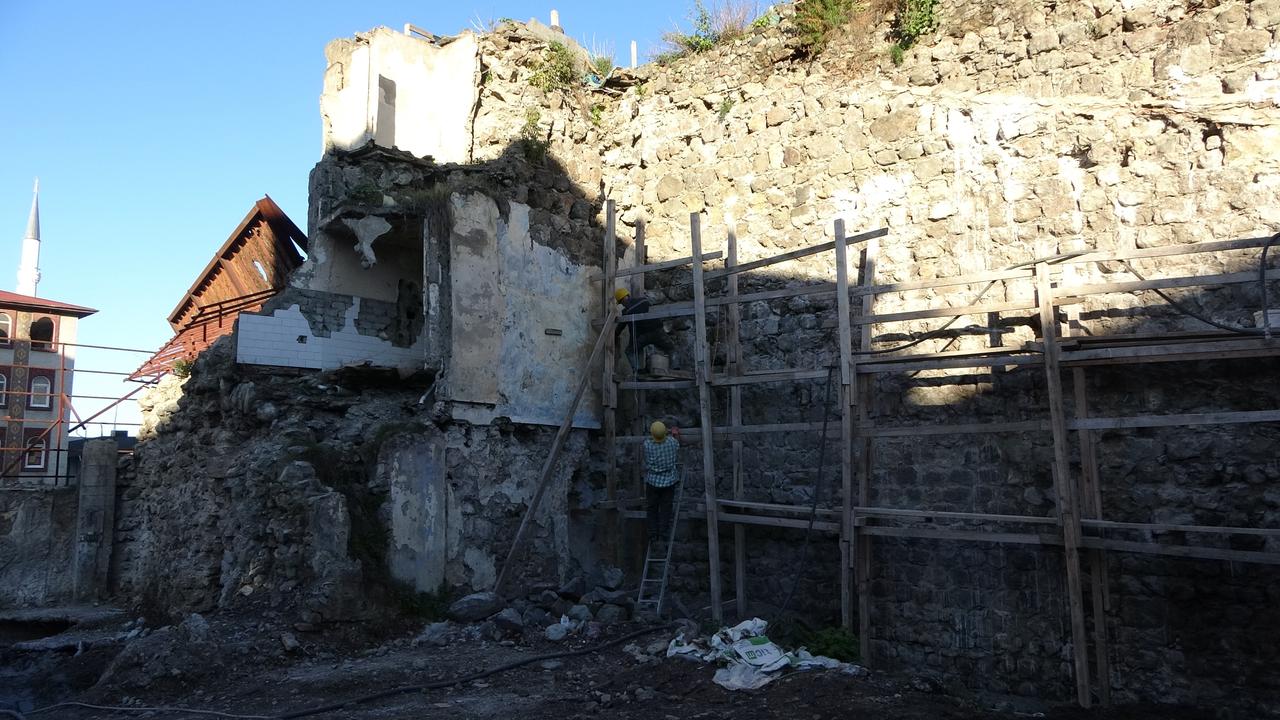
The municipality has completed the tender process for the second phase of the project, which will involve excavations reaching approximately 8 meters below the current surface.
Several wall sections running perpendicular to the main fortification have already been identified, raising the possibility that additional rooms or enclosed spaces from earlier periods remain buried beneath the site.
According to Ozturk, archaeologists and academics will assess the structures after excavation to establish their characteristics and better understand how the harbor was used over time.
The excavations have also turned up coins and large olive oil storage jars, which have been placed under the protection of the local museum directorate.
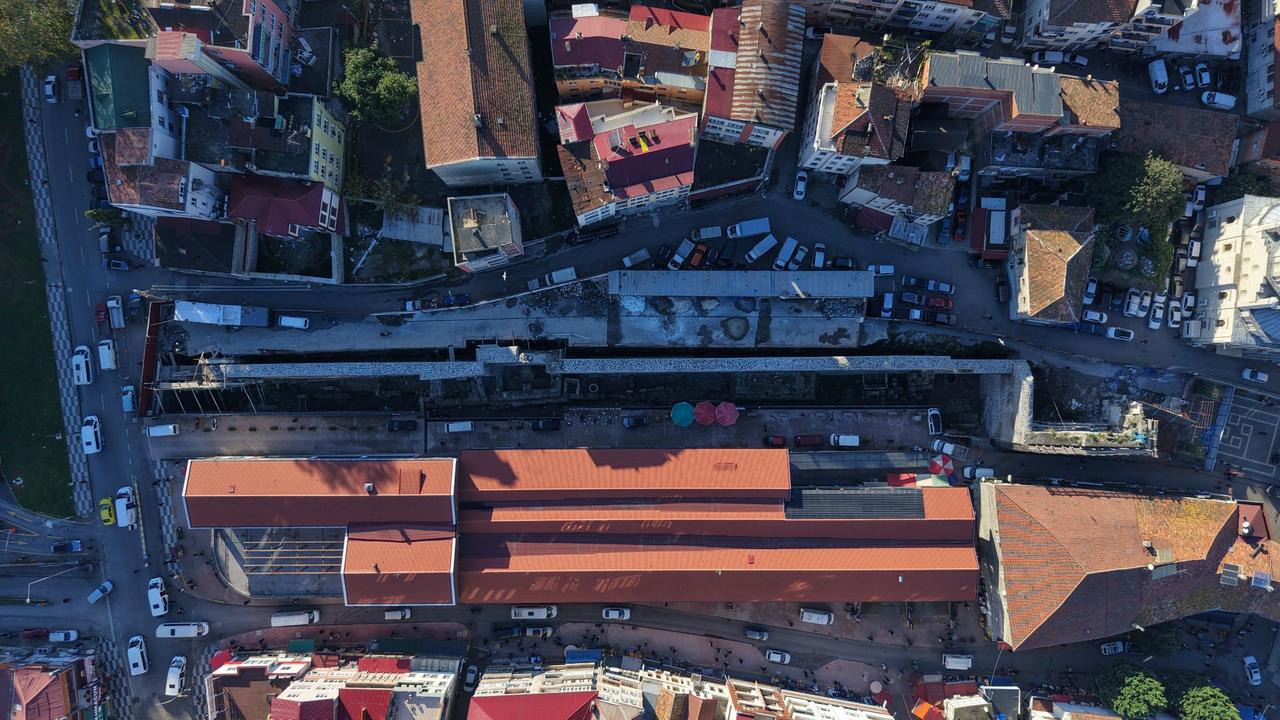
Once the archaeological investigations and restoration work are completed, authorities plan to reinforce the area with steel structures and develop a viewing terrace overlooking the historic remains.
The project will also include landscaping, lighting and informational panels explaining the harbor's history and the archaeological discoveries made at the site.
Ozturk said the municipality aims to make the remains accessible to the public while continuing conservation work on the surviving structures.
The planned second phase is expected to help clarify the function of the newly identified architectural remains before the historic port is opened to visitors.


 Set as preferred source
 Set as preferred source



 3 min read