Sign in
 Newsletters





A strong story does not guarantee a successful film. Characters, dialogue and the world a book describes also have to work on screen. Writers at The Atlantic, the American magazine, have named five novels they want to see adapted for the cinema.
The picks range from a period romance and a campus mystery to a boarding-school tragicomedy, an art-world drama, and a story set in virtual reality.
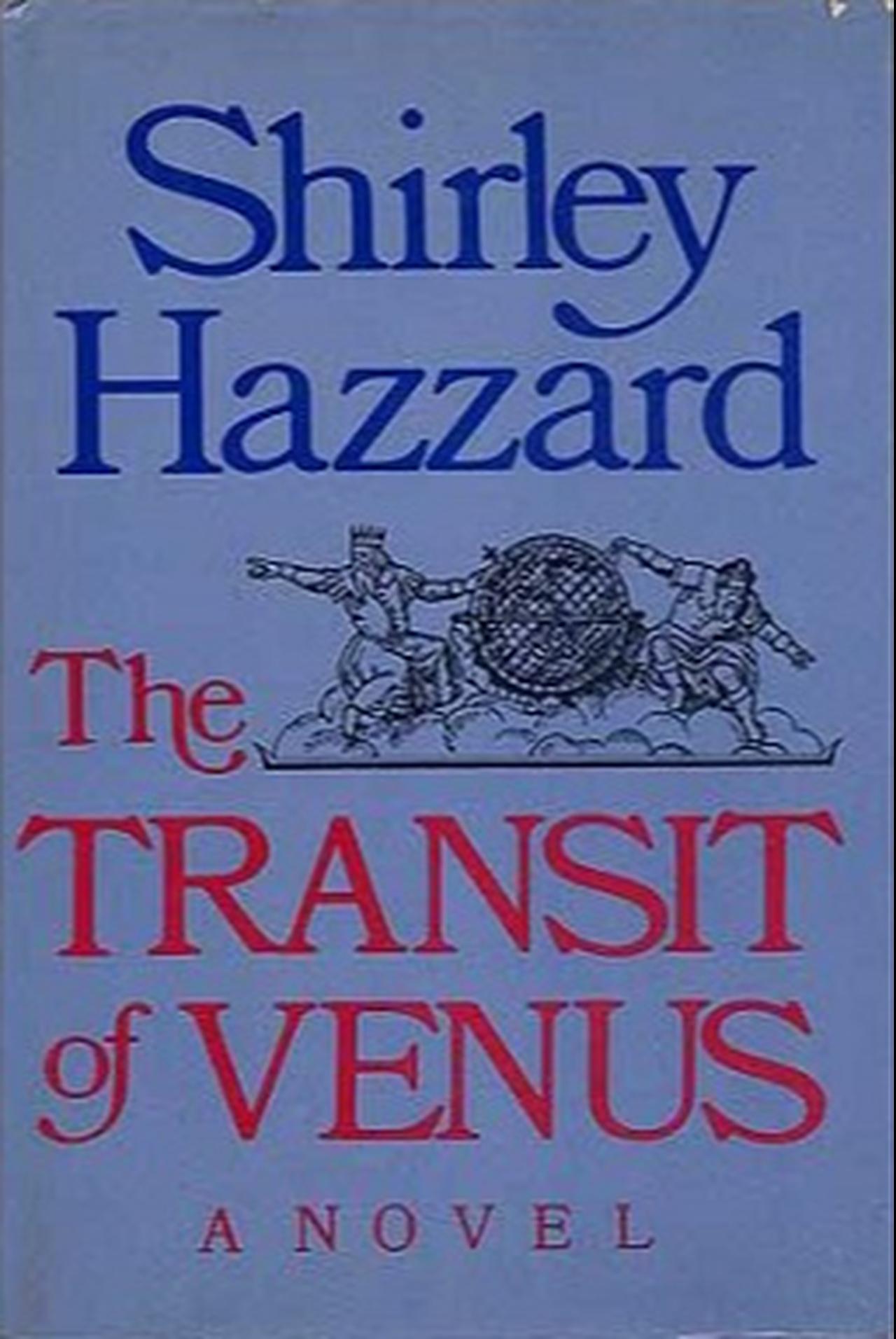

Hazzard’s 1980 novel combines love, disappointment and a life story that stretches across decades. It opens in 1950s England, where Caro Bell, a young Australian, must choose between two men. She picks Paul Ivory, a charming but rude playwright, over Ted Tice, a reserved scientist. Paul soon disappoints her, and the choice sends Caro on a journey across decades and continents. The book won the 1980 National Book Critics Circle Award.
The story moves through cities including Stockholm, the Swedish capital, and Sydney, which offer visual material for a period film. Sara Krolewski, an Atlantic writer, thinks Hazzard’s dialogue would need few changes for the screen and that the emotional arc could make an affecting film.
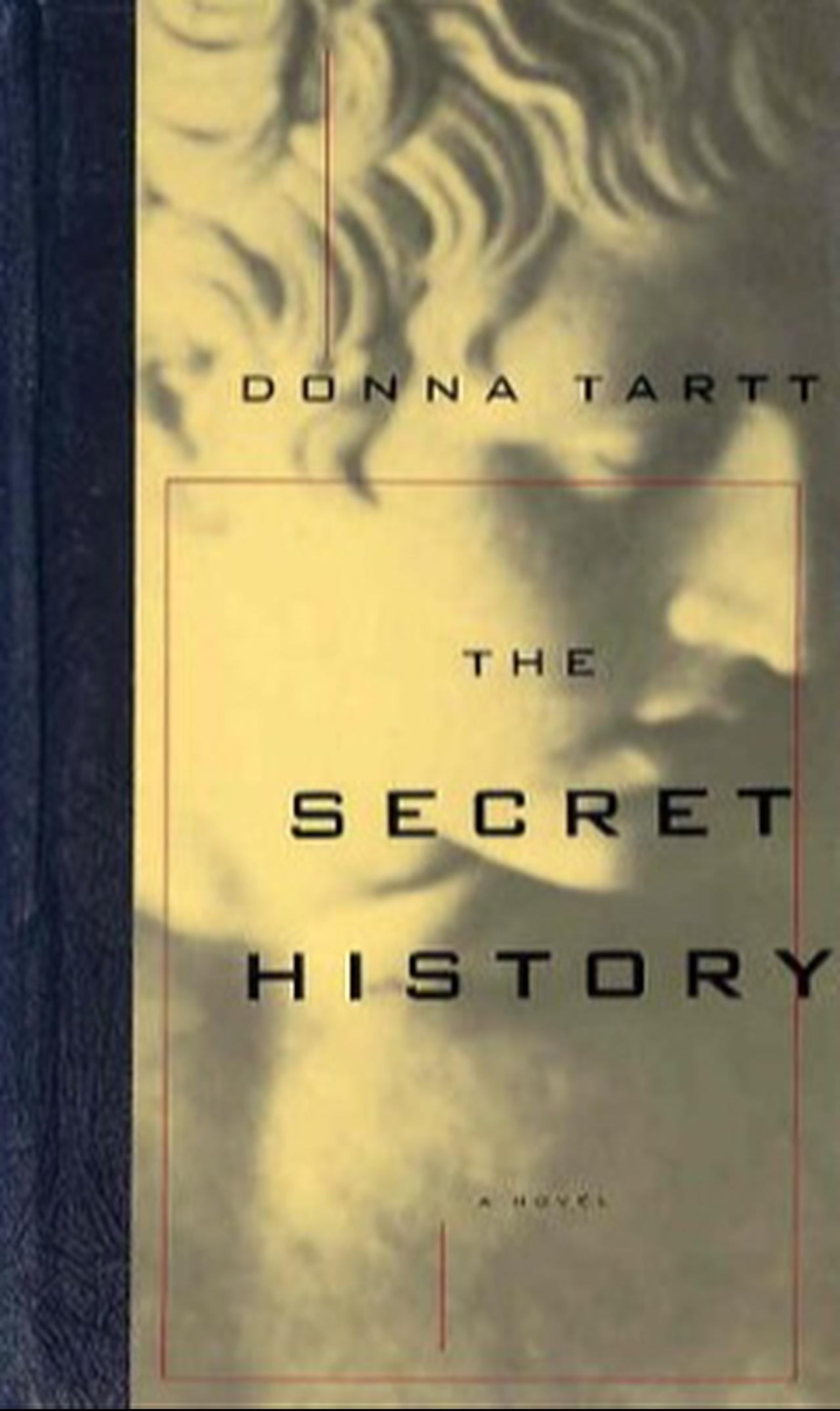
Donna Tartt’s “The Secret History” has been on lists of books awaiting a film adaptation since its publication in 1992. Laney Crawley, an Atlantic writer, searched for an adaptation after finishing the novel for the second time. She found no film and learned that earlier attempts to adapt it had not succeeded.
The story follows Richard, a classics student at a liberal arts college in New England, a region in the northeastern United States. Richard is drawn to a secretive circle of classmates, then learns about the group’s morally troubling behavior and the secrets it keeps. Rituals linked to alcohol and drugs, events that cannot be undone and lies pull him into an increasingly dark situation.
Crawley says the pace, characters and unusual plot suit a film, though she notes that adaptations of books with a strong literary voice often fall short of expectations. In her view, the right director could convey Richard’s blind loyalty to his friends on screen.
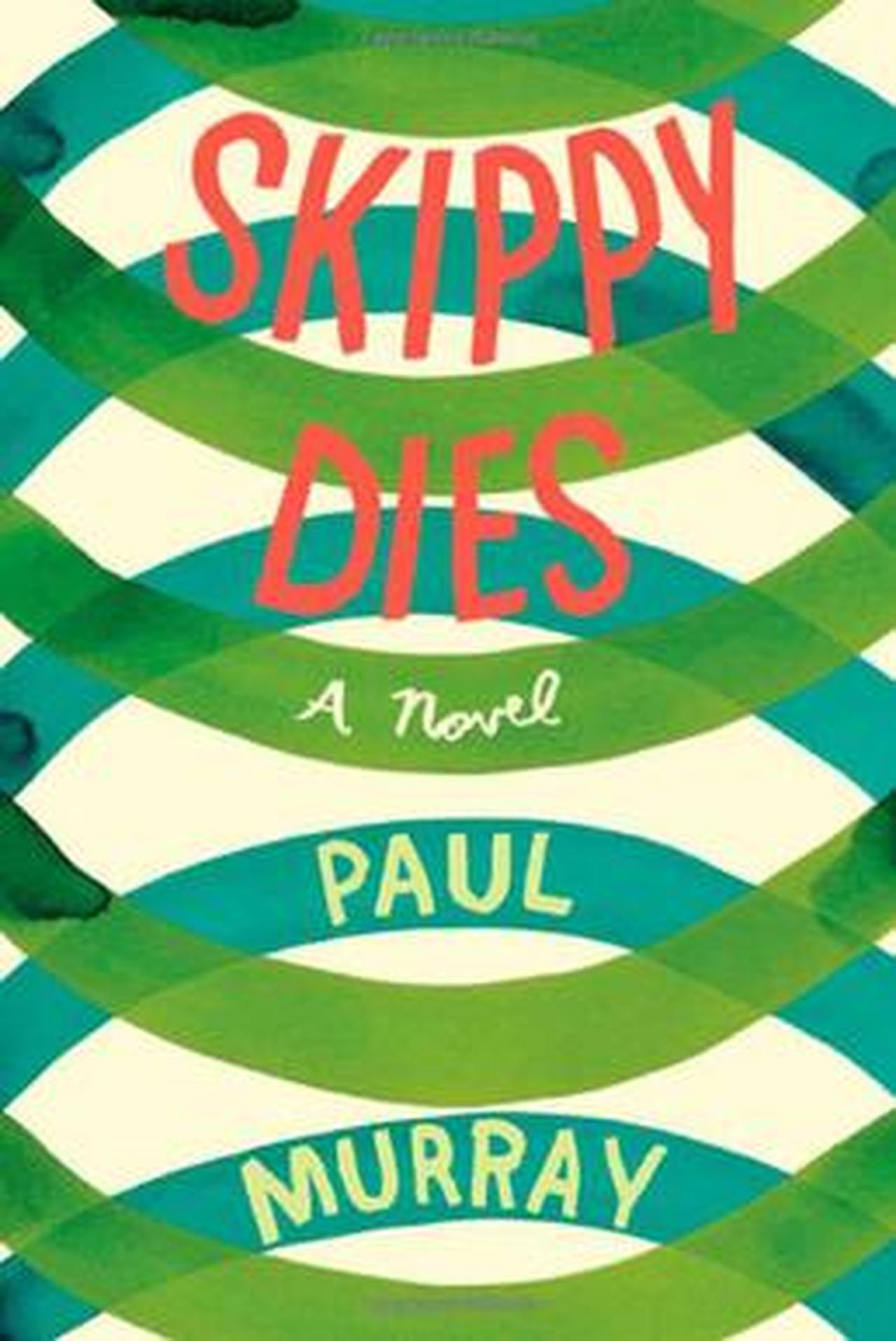
Paul Murray’s “Skippy Dies” treats school life as tragicomedy. The 2010 novel, longlisted that year for the Man Booker Prize, follows students and teachers at Seabrook College, a Catholic boarding school in Dublin, the Irish capital. The book opens with the death of Skippy, the character in the title, and its non-linear structure moves between before and after that moment.
Subplots include morally compromised teachers, a girl Skippy likes, a frightening bully, and a roommate interested in string theory. The setting is Ireland after the economic boom known as the Celtic Tiger, when the country slid into recession and Catholic Church scandals dominated the news.
Dan Goff, an Atlantic writer, wants to see a film version and compares the possible result to Martin McDonagh's “Dead Poets Society.” Despite its dark atmosphere, the novel keeps its humor and fast pace. Goff says carrying that energy to the screen would be hard but worth a try.
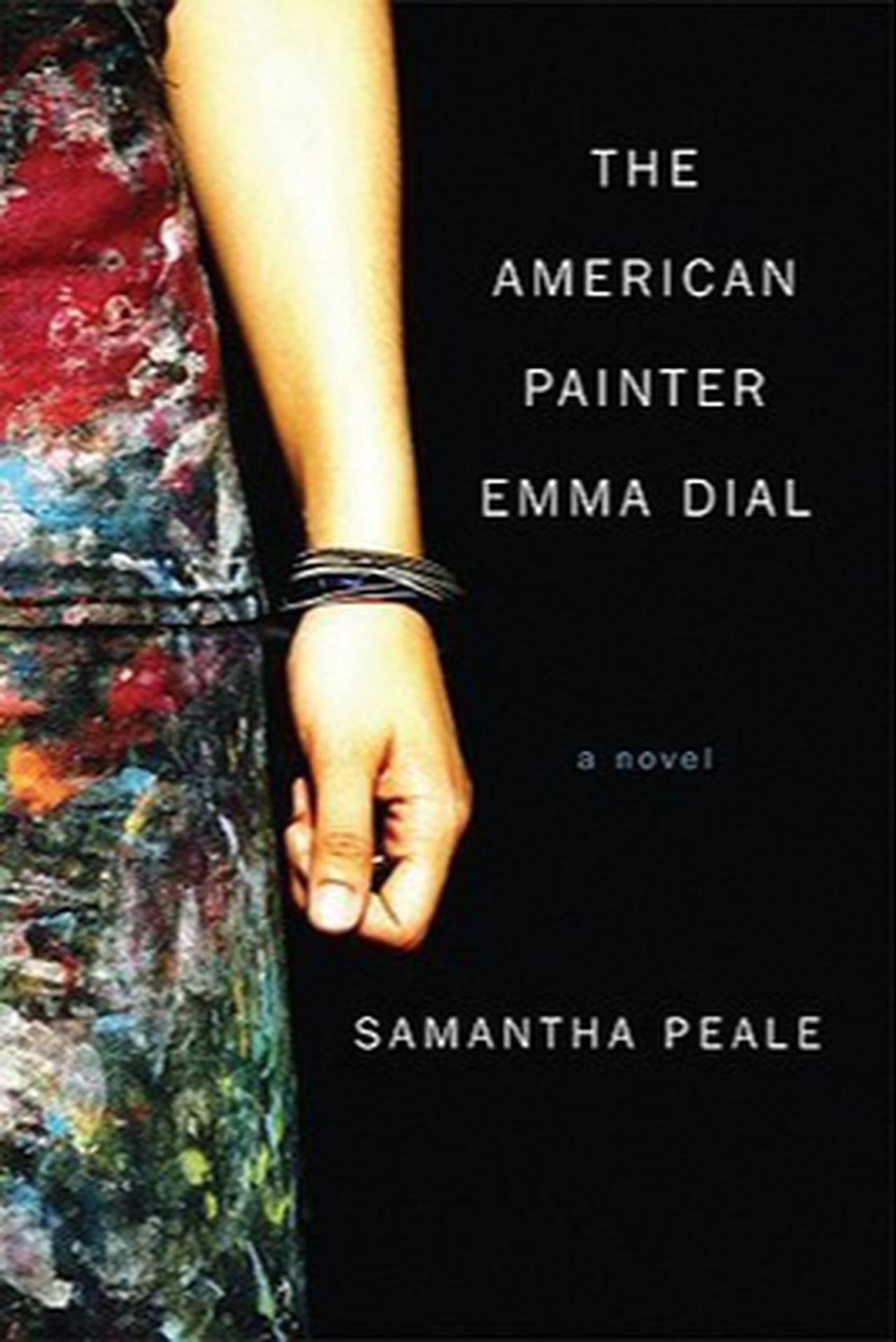
Samantha Peale’s 2009 novel examines power relations in the art world and the conflict between personal goals. Its main character, Emma Dial, works as an assistant in the studio of a well-known artist, and her task is to paint canvases herself at his direction. Emma holds a steady and prestigious position, yet she knows her own artistic goals have moved into the background. Through the novel, she tries to choose between a secure career and creative freedom.
Peale herself once worked as an assistant to the American artist Jeff Koons, which informs the book’s details of studio life. Lily Meyer, an Atlantic writer, thinks the studio scenes would look striking in cinema. Large canvases, intense colors and the behind-the-scenes process of making art offer important visual possibilities, she says.
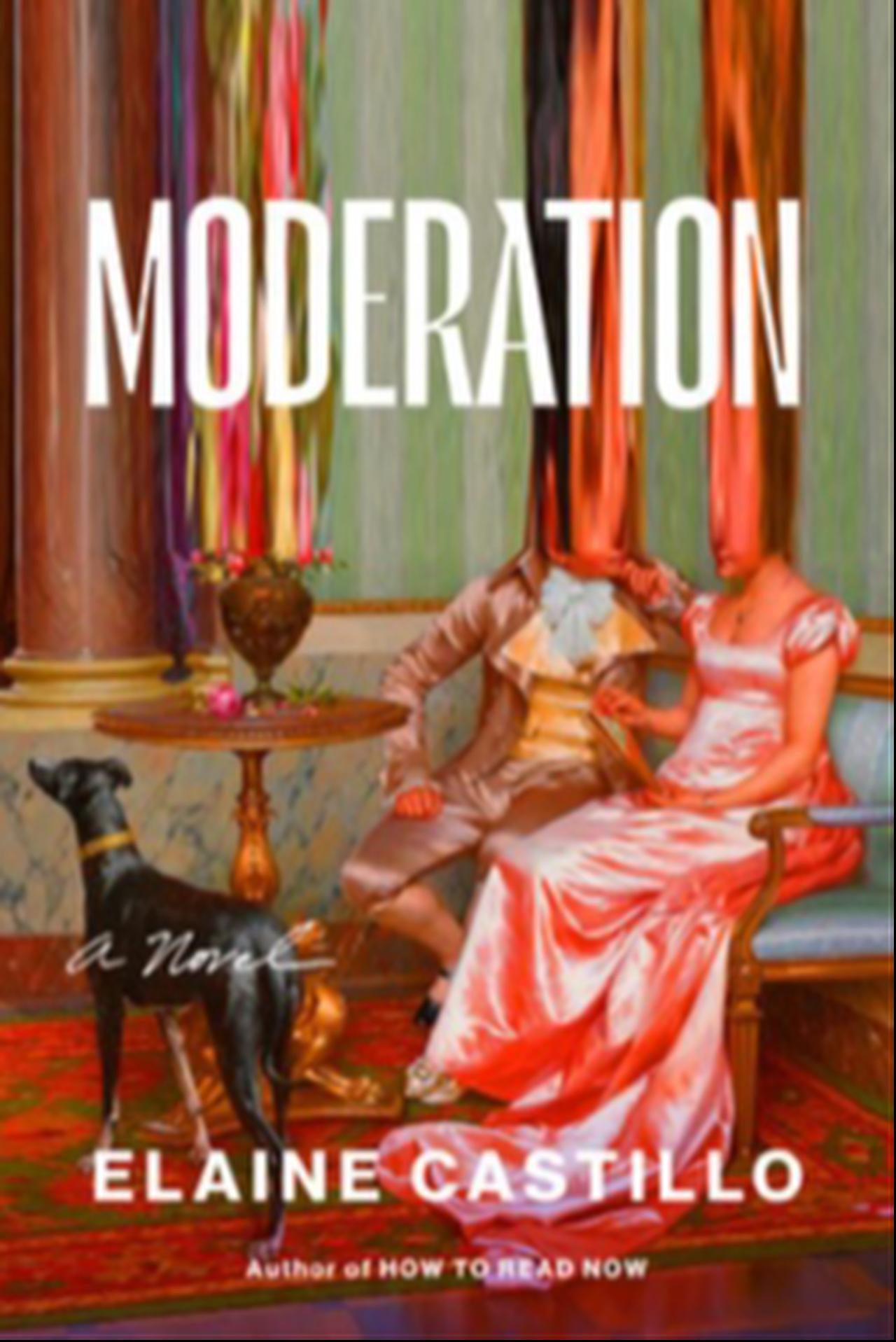
Elaine Castillo’s “Moderation” explores the boundary between real life and virtual reality. The novel came out in August 2025. Its main character, Girlie Delmundo, works as a content moderator for a new virtual reality experience. In one scene, her boss kisses her inside a simulated fairground, and she feels the encounter as real, even though the other person is not physically there.
Castillo describes the virtual world through all five senses, including marble palaces, sunlight, snow melting underfoot and rising sounds. Catherine Goodman, an Atlantic writer, thinks a film could create a strong visual and audio experience. To fully reflect the book’s atmosphere, she says screenings in the 4DX format, which uses moving seats, water effects, and wind, could be a good fit.


 Set as preferred source
 Set as preferred source


 2 min read